Signs a Brittany’s Hips Hurt
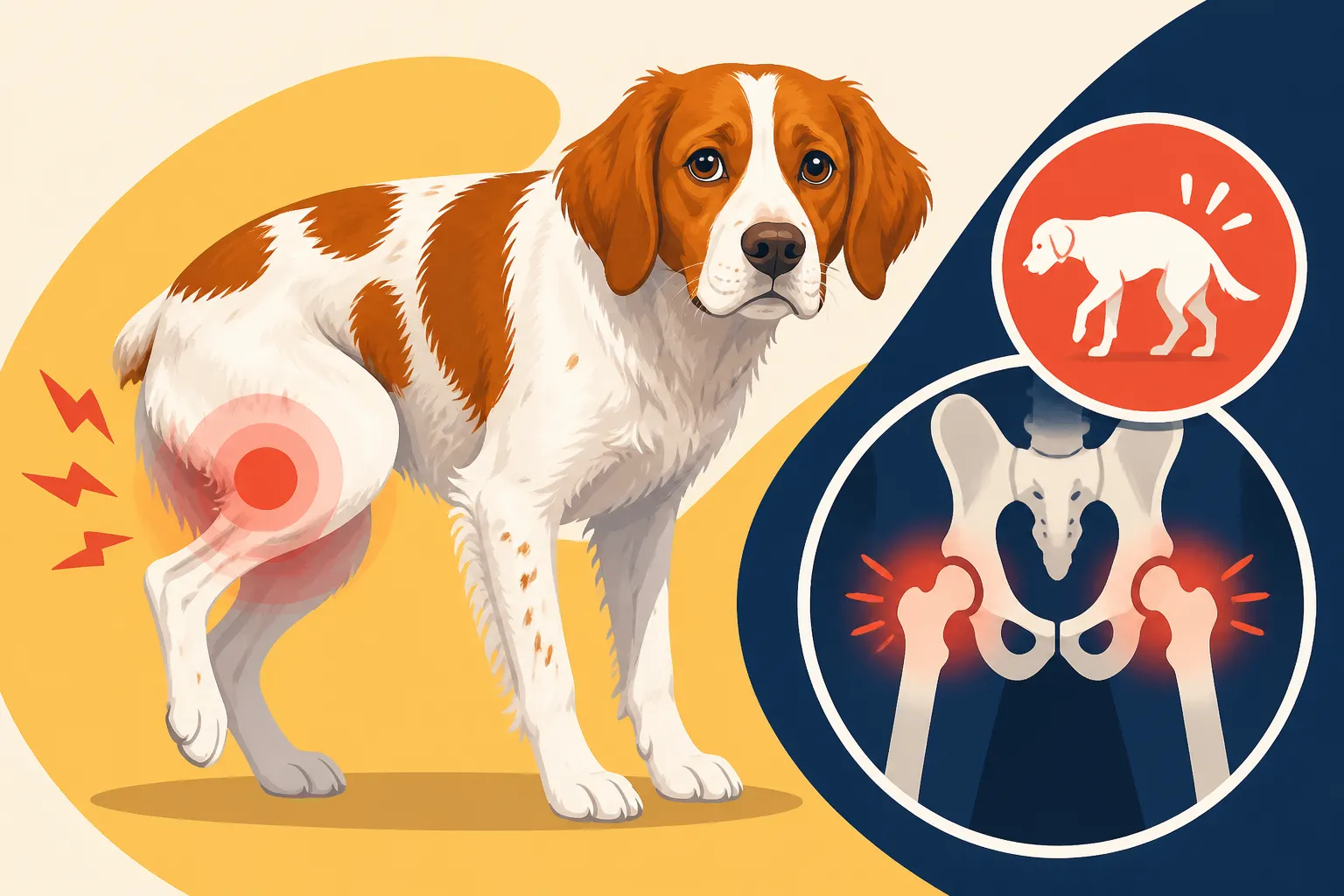
It’s a heartbreaking reality that our beloved Brittanys, so full of boundless energy and joy, can suffer in silence when something is wrong. Hip pain, often a precursor or symptom of conditions like hip dysplasia or arthritis, can be incredibly difficult to spot in such a driven, active breed. This guide is here to help you decipher those subtle, and sometimes not-so-subtle, clues that your Brittany's hips might be causing them discomfort, empowering you to seek timely veterinary care.
The Subtle Ways Hip Pain Shows Up
Brittanys are remarkable dogs, known for their incredible prey drive and their desire to please. This strong work ethic can sometimes make it challenging to notice pain, as they often try to push through discomfort, especially if there's a bird involved! Because of this stoicism, owners really need to become detectives, looking for small shifts in behavior and movement that might otherwise be overlooked.
Changes in Movement and Gait
One of the earliest indicators of hip pain can be a very slight alteration in how your Brittany moves. It's rarely a dramatic limp right off the bat, especially in the early stages or when the pain is mild. Instead, you might notice a subtle stiffness, particularly after they’ve been resting for a while. Picture your dog waking up from a nap: do they stretch out a little slower, perhaps with a slight hesitation before pushing off the ground? This might manifest as a less fluid, more segmented motion when they first get up, easing slightly as they "warm up."
During walks or runs, observe their stride. Does one back leg seem to land differently, or do they seem to take shorter steps with their hind legs? Some Brittanys with hip pain might develop a "bunny hop" gait, where they move both back legs together, particularly when running or going up stairs. This isn't just a quirky habit; it's often a compensatory mechanism to reduce strain on a painful hip joint. You might also notice a decreased enthusiasm for activities that involve explosive movements, like jumping into the truck or leaping for a retrieve. It's not that they don't want to, it's that the physical act causes discomfort. For a deeper dive into the commonality of hip issues in the breed, you might find our article on How Common Hip Dysplasia Is in Brittany Spaniels helpful.
Reluctance to Engage in Normal Activities
A Brittany's zest for life is legendary. They live for their walks, their runs, their training sessions, and especially their time in the field. When they start showing a reluctance or hesitation towards activities they once loved, it's a huge red flag. This isn't just about not wanting to jump in the car; it can be much more subtle. Perhaps they used to greet you at the door with exuberant jumps and spins, but now they opt for a more subdued tail wag, keeping their paws on the floor. Or maybe they used to bolt out the back door to explore the yard, but now they just casually stroll.
Think about the physical challenges of their favorite pastimes. A dog with hip pain might start taking shortcuts on hikes, avoiding steep inclines or declines. They might be less inclined to chase a ball across the yard, preferring to lie down and watch. Even simple actions like going up or down stairs, or jumping onto furniture (if allowed!), might become noticeable struggles. This isn't laziness; it's a calculated avoidance of movements that cause pain. If you're a hunter, you might notice a decrease in stamina or a shortening of their range in the field. They might even try to signal this discomfort by slowing down or seeking you out more often, which is a big change for a wide-ranging American Brittany.
Altered Posture and Resting Habits
When a Brittany is experiencing hip pain, they’ll instinctively try to find positions that alleviate the pressure on their joints. This can lead to some noticeable changes in their posture, both when moving and when resting. When standing, you might see them shifting their weight forward, trying to take the load off their back end. Their hind legs might appear closer together or further apart than usual, seeking a more stable, less painful stance. Some dogs will stand with a slightly hunched back, or with their tail carried lower than normal, particularly if the pain is radiating into their lower spine.
Observing how your Brittany rests can also provide crucial clues. Do they usually curl up tightly but now prefer to stretch out more, especially on their side? This might be an attempt to keep pressure off a hip. Or perhaps they used to love sprawling on the cool kitchen floor but now seek out softer, more supportive bedding. They might shift positions frequently during sleep, trying to get comfortable, or struggle to get up after a long rest. Pay attention to how they lie down too – do they flop down rather than gracefully lowering themselves? Or do they groan or sigh as they settle? These small vocalizations, often dismissed as normal dog sounds, can be significant indicators of discomfort.
Behavioral Changes That Signal Trouble
Pain, especially chronic pain, can significantly impact a dog's mood and personality. Our Brittanys, typically known for their cheerful and outgoing nature, can exhibit subtle shifts in behavior that betray their underlying discomfort. It’s not just about limping; it’s about a change in their very essence.
Increased Irritability or Aggression
Imagine living with a constant ache; it would certainly make you less patient and more prone to snapping. The same goes for your Brittany. A dog in pain might become more irritable, especially when touched in sensitive areas. If your Brittany normally loves a good hip scratch but now recoils, flinches, or even growls when you approach their hindquarters, it's a strong signal of pain. This isn’t necessarily true aggression, but rather a protective response to prevent further discomfort.
You might notice them being less tolerant of other dogs, particularly playful puppies who might bump into them. They might snap at a child who inadvertently presses on their hip during play. Sometimes, this irritability can extend to handling during grooming or even just trying to put on their leash. What was once a cooperative moment can become a standoff. It’s important not to punish these reactions, as they stem from pain, not malice. Instead, treat it as a critical piece of information. For insights into how breeders strive to prevent such issues, you can review What a Brittany Spaniel Breeder Should Have Tested.
Licking or Chewing at the Hips
When an area of the body hurts, a dog’s natural instinct is often to lick or chew at it. This self-grooming behavior can be a subtle sign of hip pain. You might notice your Brittany excessively licking or nibbling at their flanks, outer thighs, or even around the base of their tail. This is their attempt to soothe the ache, much like we might rub a sore muscle. Over time, this constant licking can lead to "hot spots," skin irritation, or even hair loss in the affected areas.
Check your dog’s fur around their hips and hindquarters for signs of excessive moisture, redness, or thinning hair. If you notice any of these, especially accompanied by a change in their demeanor or movement, it warrants a closer look. While sometimes licking can be due to skin allergies, if it's localized to the hip area and paired with other signs, it's highly indicative of joint pain. Pet insurance plans, such as those offered by Healthy Paws, can be invaluable in covering the diagnostic tests and treatments needed for chronic conditions that manifest with these subtle signs.
Withdrawal and Lethargy
A Brittany with hip pain might also become more withdrawn or lethargic. Instead of their usual enthusiastic participation in family life, they might opt to spend more time alone, perhaps in a quiet corner or away from the hustle and bustle. They might sleep more than usual, not just taking naps, but seeming genuinely tired and less interested in interaction. This isn't just them being "lazy"; it's their body telling them they need to conserve energy and rest to manage their pain.
You might notice a decrease in their overall playfulness. Fetch sessions might shorten, or they might not initiate play as often. They may stop bringing you toys or inviting you to wrestle. This can be particularly heart-wrenching for owners who cherish their Brittany’s playful spirit. It’s a significant shift from their normal behavior. This withdrawal, coupled with any physical signs, painted a clear picture of underlying discomfort. Recognizing how subtle pain can be in Brittanys, and how they tend to hide it, is crucial for early intervention. Our article on How a Brittany Hides Pain delves deeper into this stoic nature.
Physical Clues to Look For
Beyond observing their general behavior, a thorough, hands-on examination of your Brittany can reveal crucial physical signs of hip pain. These clues might not be immediately obvious, but with careful attention, you can often detect areas of tenderness, muscle changes, or restricted movement.
Muscle Atrophy and Asymmetry
One of the most telling physical signs of chronic hip pain is muscle atrophy, particularly in the hindquarters. When a dog favors one leg or reduces the use of a painful hip, the muscles supporting that joint will begin to waste away from disuse. This can be subtle at first, but over time, you might notice that one thigh appears less muscular than the other, or that both hind legs seem thinner than they should be.
To check for this, stand behind your Brittany and gently feel their thigh muscles. Compare the bulk and firmness of the muscle on one leg to the other. You can also look down at their hindquarters from above: do both sides look symmetrical, or does one hip area appear flatter or less defined? A dog with hip pain might also develop compensatory muscle hypertrophy (enlargement) in their front legs and shoulders, as they shift more weight forward to alleviate pressure on their hips. So, while their hindquarters might be shrinking, their front might look unusually well-developed. This muscle loss can impact their ability to perform, especially for a working dog, as discussed in Whether a Working Brittany Wears Its Joints Out.
Sensitivity to Touch and Manipulation
A direct way to assess hip pain is by gently touching and manipulating your Brittany's hindquarters. Start by gently running your hands over their hips and lower back. Pay attention to any flinching, tensing, or vocalization. Then, carefully try to manipulate their back legs. With your dog lying comfortably on their side, gently extend each leg straight back, then flex the hip forward and rotate it slightly. Do this slowly and observe your dog's reaction.
Look for signs of discomfort such as pulling their leg away, growling, yelping, or even just tensing their muscles and looking back at you with wide eyes. You might feel a restriction in the range of motion, meaning the leg doesn't extend or flex as far as it used to without causing pain. Comparing both hips is essential; often, one side will be more painful or restricted than the other. This hands-on check is something you can do regularly, especially if you have a growing puppy. However, remember that if your Brittany shows significant pain, stop immediately and consult your vet.
Audible Sounds and Stiffness
Sometimes, hip issues can manifest with audible sounds or palpable stiffness in the joints. As you handle your Brittany's hips or observe them moving, you might hear a subtle clicking, popping, or grinding sound coming from the hip joint. This is known as crepitus and indicates that the joint surfaces are not moving smoothly, often due to cartilage damage or bone-on-bone friction. It’s not always present, and sometimes it can be hard to hear, but if you do, it's a definite sign of an issue.
Beyond sounds, you can often feel stiffness or a lack of fluidity when your Brittany moves. This is especially true when they're cold or have just woken up. Their hind legs might feel "stiff" to the touch, or you might notice them walking with shorter, choppier steps. Imagine a rusty hinge that needs oiling – that's often what a painful hip joint feels like. The severity of stiffness can vary, from a slight reluctance to fully extend a leg to a complete inability to bear weight. This stiffness often worsens in cold, damp weather, making those early morning outings a real struggle.
Here's a quick comparison of some common signs:
| Sign Category | Subtle Indicators | More Obvious Indicators |
|---|---|---|
| Movement/Gait | Slight hesitation getting up, minor "bunny hop" when running, shorter strides | Noticeable limp, refusal to jump/climb stairs, favoring one leg heavily |
| Activity Level | Less enthusiastic about favorite games, avoiding certain terrains | Refusal to play or go for walks, decreased stamina on hunts |
| Posture/Resting | Shifting weight forward, frequent position changes, preference for soft surfaces | Hunching, constant restlessness, audible groans when lying down or getting up |
| Behavioral | Mild irritability when touched, increased licking of hindquarters, increased naps | Growling/snapping when approached, hair loss from excessive licking, significant withdrawal |
| Physical Exam | Slight muscle asymmetry, mild discomfort on manipulation | Significant muscle atrophy, vocalization/flinching on touch, audible joint sounds |
When to Seek Veterinary Help and What to Expect
Spotting these signs is the first crucial step. The next is consulting your veterinarian. Early diagnosis and intervention can significantly impact the long-term management and comfort of your Brittany. Don’t wait until the pain is severe; even subtle signs warrant a professional opinion.
Initial Assessment and Diagnosis
When you bring your Brittany to the vet with concerns about hip pain, the veterinarian will start with a comprehensive physical examination. They'll observe your dog's gait, range of motion in their hips, and gently palpate (feel) the joints for swelling, pain, or crepitus. They'll also check for muscle atrophy. Be prepared to provide a detailed history of the signs you’ve observed, including when they started, what makes them better or worse, and any changes in your Brittany's activity or behavior.
To get a definitive diagnosis, your vet will almost certainly recommend X-rays of your Brittany's hips. These radiographs allow them to visualize the hip joints, assess the degree of laxity (looseness), and identify any signs of osteoarthritis, bone spurs, or malformation. In some cases, especially if the X-rays are inconclusive or other conditions are suspected, they might recommend additional diagnostics like blood tests (to rule out inflammatory conditions or other systemic issues, as outlined in What a Brittany's Yearly Bloodwork Should Cover) or even advanced imaging like MRI or CT scans. Reputable breeders often screen hips rigorously, and understanding What the OFA Records Show About Brittany Hips can give you insight into the screening process.
Discussing Treatment Options
Once a diagnosis is made, your veterinarian will discuss a range of treatment options tailored to your Brittany’s specific condition and severity of pain. Treatment for hip pain, particularly from hip dysplasia or arthritis, is often multi-faceted and aims to manage pain, improve mobility, and slow disease progression.
Conservative management options might include:
- Medication: Non-steroidal anti-inflammatory drugs (NSAIDs) are commonly prescribed to reduce pain and inflammation. Other medications, like gabapentin, might be used for neuropathic pain.
- Joint Supplements: Glucosamine, chondroitin, and omega-3 fatty acids can help support joint health and reduce inflammation. Brands like Dasuquin or Cosequin are often recommended.
- Weight Management: Keeping your Brittany at a healthy weight is paramount to reduce stress on their hips. Even a few extra pounds can significantly exacerbate pain.
- Controlled Exercise: While activity is important, it needs to be managed. Low-impact exercises like swimming or short, leash-walks can help maintain muscle mass without overstraining joints. High-impact activities should be limited.
- Physical Therapy: Canine rehabilitation, including therapeutic exercises, hydrotherapy, and laser therapy, can dramatically improve strength, flexibility, and comfort.
- Environmental Modifications: Providing orthopedic beds, ramps to access furniture or vehicles, and non-slip mats on slick floors can make a big difference in your dog's daily life.
In more severe cases, surgical interventions might be considered. These could range from Femoral Head Ostectomy (FHO) for smaller dogs or specific cases, to Total Hip Replacement (THR), which can offer excellent long-term results but comes with a significant cost and recovery period. Understanding What Hip Surgery Costs on a Brittany is essential for planning. Many owners find that having robust pet insurance coverage, like a comprehensive plan from Healthy Paws, helps them make these difficult decisions without financial stress. Regular check-ups, especially as your Brittany ages, are vital. Our article on Caring for a Brittany Past Ten offers specific advice for senior dogs with potential mobility issues.
Ultimately, managing hip pain in a Brittany is a lifelong commitment. With your careful observation and a dedicated veterinary team, you can help your active companion live a comfortable, happy life.
Disclaimer
This article is intended for informational purposes only and does not constitute veterinary advice. Always consult with a qualified veterinarian for any health concerns or before making any decisions about your pet's medical care.