How Often a Working Brittany Gets an Ear Infection
As a Brittany owner who's spent countless hours in the field, I know the sheer frustration of coming home after a successful hunt only to discover your dog shaking its head or scratching at an ear. Ear infections are a common, painful ordeal for our beloved working Brittanys, and understanding how often a working Brittany gets an ear infection and why is the first step to preventing them. This guide will walk you through the realities, signs, and proactive steps to keep those sensitive ears healthy.
The Unavoidable Truth: Why Working Brittanys Are Prone to Ear Infections
It’s an unfortunate reality that our spirited, hard-working Brittanys, with their magnificent ability to scent and retrieve, are often prone to ear infections. While it might feel like a constant battle, understanding the specific reasons behind this susceptibility can empower us to take better preventative measures. It’s not just bad luck; it’s a combination of anatomy, lifestyle, and environment that creates a perfect storm for ear trouble.
Anatomy and Environment as Major Factors
Let's be honest, those adorable, floppy ears are part of the Brittany's charm, but they're also a primary culprit in their vulnerability to ear infections. Unlike dogs with upright ears, the Brittany's drop ears effectively cover the ear canal, trapping moisture and significantly reducing airflow. This warm, dark, moist environment is exactly what yeast and bacteria love to thrive in. It's like a tiny, humid greenhouse right next to their eardrum, creating ideal conditions for microbial growth where air circulation is severely limited.
Adding to this anatomical predisposition is the Brittany's feathering—the longer hair found on their ears and legs. While beautiful, this feathering acts like a net, collecting all sorts of debris from the field. Think about it: burrs, seeds, mud, dust, and even tiny insects can easily become entangled in this hair, not only causing irritation but also pushing foreign material further into the ear canal. If you've ever spent time meticulously picking burrs out of your dog's ears after a hunt, you know exactly what I mean. This collected debris can scratch the delicate skin of the ear canal, creating micro-lesions that are ripe for infection.
Then there's the working environment itself. Brittanys are natural athletes, built for the field. This means they spend a lot of time in places that are, frankly, dirty and wet. Whether they're retrieving ducks from a chilly marsh, splashing through a stream on a warm afternoon, or pushing through dew-laden tall grass, their ears are constantly exposed to moisture. Ponds, rivers, and even a heavy rain can leave water trapped deep within the ear canal. This constant dampness softens the ear canal lining, making it more susceptible to invasion by bacteria and yeast, which are naturally present in these environments. It's a double-whammy: a lack of air circulation combined with persistent moisture. We often see issues spike after a particularly wet hunting trip or even just a romp in a muddy field.
The Seasonal Spike and Common Culprits
The frequency of ear infections in a working Brittany can vary wildly from dog to dog, but generally, it's safe to say that most owners will encounter at least one or two ear infections a year, with some dogs experiencing them much more often. It really depends on the individual dog's immune system, ear anatomy, and how frequently they are exposed to high-risk environments. For many working Brittanys, the hunting season, typically spanning fall and early winter, brings a significant spike in ear trouble. This aligns perfectly with increased exposure to water, dense cover, and fluctuating weather conditions.
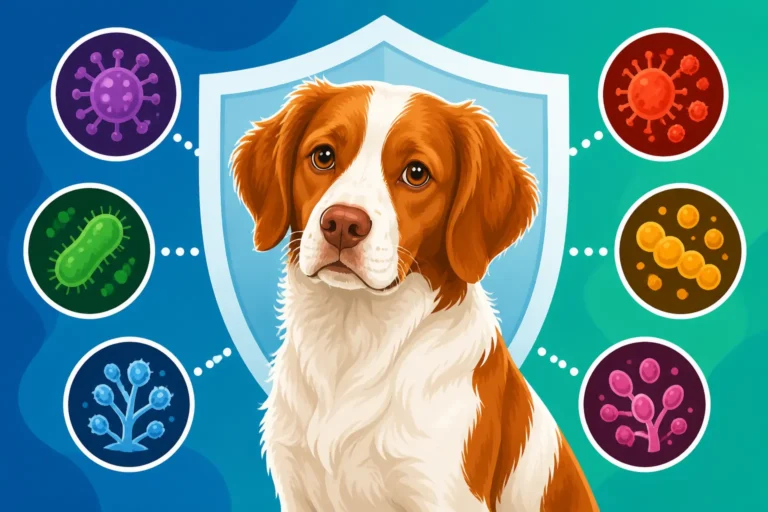
The most common culprits behind these infections are either bacteria (often Staphylococcus or Pseudomonas) or yeast (Malassezia pachydermatis), or a combination of both. Yeast infections often present with a distinct, strong, somewhat sweet or "yeasty" odor, accompanied by brown, waxy discharge. Bacterial infections can have a more pungent, foul smell and produce yellow, green, or even black pus. Sometimes, it's not just a primary infection but an allergic reaction that triggers the initial inflammation, making the ear ripe for secondary bacterial or yeast overgrowth. Allergies to food, pollen, or even house dust mites can manifest as chronic ear issues.
Beyond microscopic invaders, foreign bodies are a massive concern for working Brittanys. Those insidious grass seeds, especially certain types with barbed awns (like foxtails), are notorious for migrating deep into the ear canal, causing intense irritation, pain, and eventually infection. These aren't just surface irritants; they can penetrate the eardrum or even burrow through tissue, leading to severe complications. It’s a terrifying scenario to consider, knowing your dog is suffering from something lodged so deeply. This is a primary reason why a thorough ear check after every outing, especially in grassy areas, is non-negotiable for a Brittany owner. You might be surprised to learn that How Grass Seeds Get Into a Brittany's Ear is a much more common problem than you'd think, and it can quickly turn into an emergency. The unique structure of their ears, as discussed in Why a Brittany's Drop Ear Traps Water, really predisposes them to these types of issues.
Spotting the Signs: Your Brittany's Silent Suffering
Our Brittanys are tough, driven dogs, and sometimes, their desire to please and their high pain tolerance can make it challenging to spot the early signs of discomfort. They might push through minor irritation in the field, making it crucial for us, as their caretakers, to be vigilant and know what to look for, both subtle and obvious.
Subtle Clues in an Active Dog
A working Brittany might not always limp or whine when something's amiss, especially when it comes to something like an ear infection that can be a dull, persistent ache rather than a sharp pain. Instead, you'll need to pay close attention to subtle behavioral shifts. One of the earliest signs is often an increase in head shaking, beyond what's normal after a good scratch or a bath. If your Brittany is shaking their head repeatedly or more vigorously than usual, especially tilting it to one side, that’s a red flag. Similarly, increased scratching at the ears or rubbing their head against furniture, the ground, or even your leg can indicate irritation. They might even try to subtly rub their ear with a front paw while lying down.
Another nuanced sign might be a reluctance to have their head or ears touched. If your usually affectionate dog flinches or pulls away when you reach for their ears, it’s a strong indicator of pain or tenderness. In the field, an ear infection might manifest as a slight decrease in their usual enthusiasm or bird drive. They might seem a little more distracted, perhaps less focused on the task at hand, or show a subtle change in their gait if the infection is causing dizziness or discomfort. You might even notice a slight lethargy after a hunt that seems out of character, or a small drop in appetite. These aren't always immediate symptoms of an ear infection, but they signal something is off, prompting a closer look at the ears.
Obvious Symptoms and What They Mean
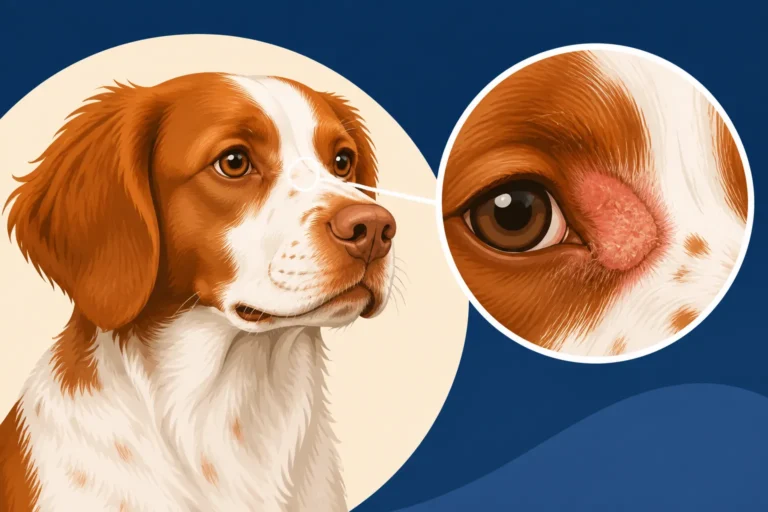
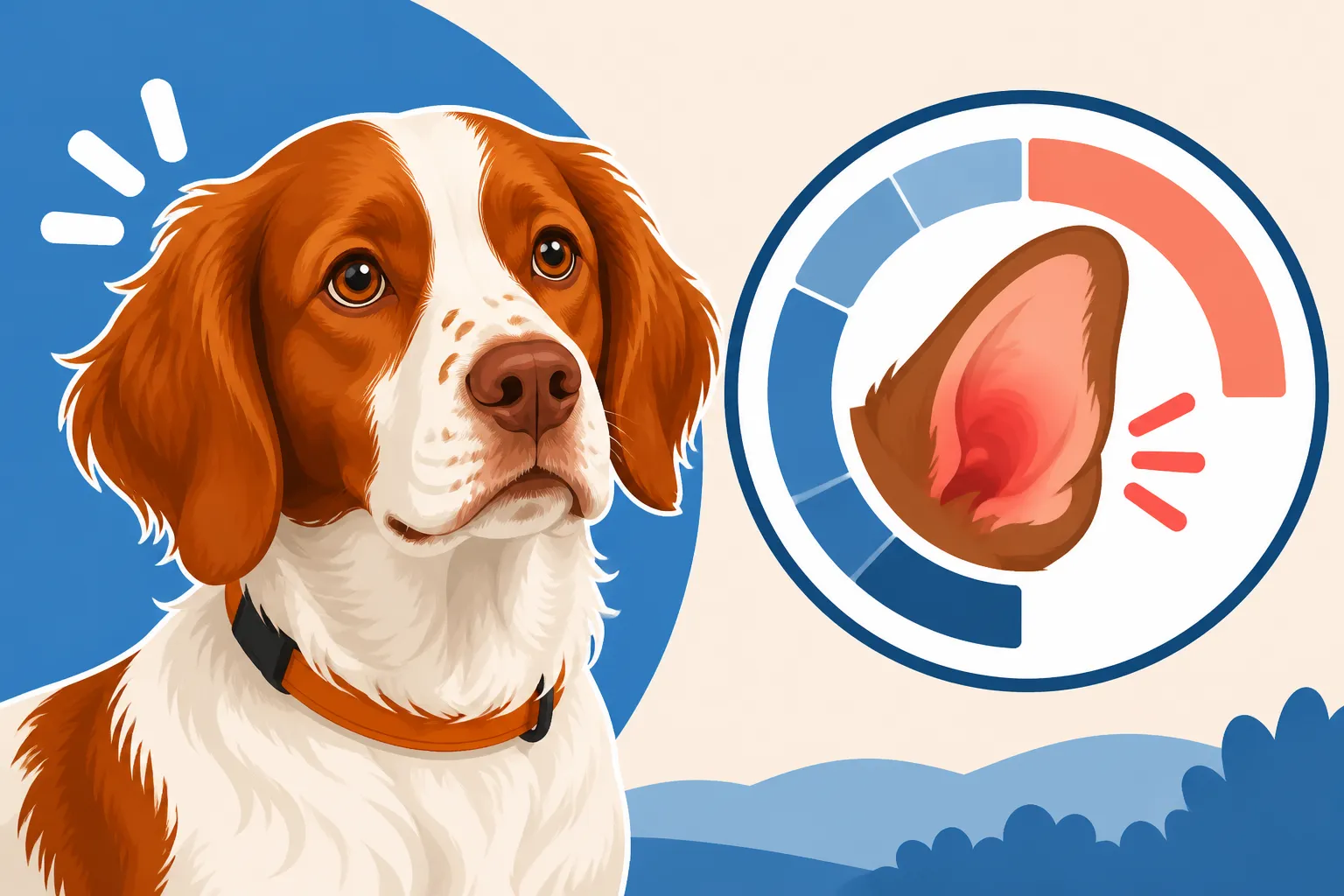
While subtle signs give us early warnings, ear infections eventually progress to more obvious and unmistakable symptoms. The most glaring indications will often involve discharge, odor, and visible inflammation. When you lift your Brittany's ear flap and peek inside, a healthy ear canal should be clean, pale pink, and free of any strong smell. If you see redness or swelling of the ear canal, that's immediate cause for concern. The ear flap itself might feel warm to the touch compared to the other ear or the surrounding skin.
Discharge is another key indicator. It can range in color and consistency: brown and waxy, yellow and pus-like, or even black and tarry. Each type can point to different culprits, with dark, waxy discharge often associated with yeast or ear mites, while pus-like discharge typically indicates a bacterial infection. Critically, pay attention to the smell. A healthy ear has little to no odor. An infected ear, however, can emit a foul, pungent, or distinctively yeasty smell that is hard to ignore once you’ve experienced it. This smell alone is usually enough to confirm your suspicions. Signs a Brittany's Ear Is Infected go beyond just visual cues and include these olfactory warnings too.
A Brittany with an advanced ear infection will often exhibit clear signs of pain. They might hold their head tilted to one side persistently, or they might become quite vocal (whining or yelping) if the affected ear is accidentally bumped or touched. Swelling can sometimes become so severe that the ear canal appears almost closed, making it difficult to even see inside. In rare but serious cases, an infection can lead to aural hematomas—blood blisters on the ear flap caused by vigorous head shaking, which can require surgical intervention. Ignoring these overt signs can lead to chronic issues, spread of infection, and even permanent hearing damage, making a prompt veterinary visit absolutely essential.
Proactive Care: Keeping Those Ears Healthy in the Field and Home
Given their predisposition, a working Brittany's ear health isn't something you can afford to be reactive about. Proactive, consistent care is paramount, especially for dogs that are regularly exposed to the elements and dense cover. Establishing a routine, even when things seem fine, is your best defense against painful and disruptive ear infections.
Post-Hunt Rituals and Regular Inspections
For a working Brittany, every outing, whether it's a full day in the pheasant fields or just a quick romp in a grassy park, should conclude with an ear check. This isn't just about spotting problems; it's about preventing them. Immediately after your dog has been in water, mud, or thick brush, take a few minutes to carefully examine their ears. Gently lift the ear flap and look deep into the canal. Are there any visible foreign bodies like grass seeds, burrs, or ticks? Is there any redness or swelling? Does it smell unusual? This quick visual and olfactory inspection can catch issues before they escalate.
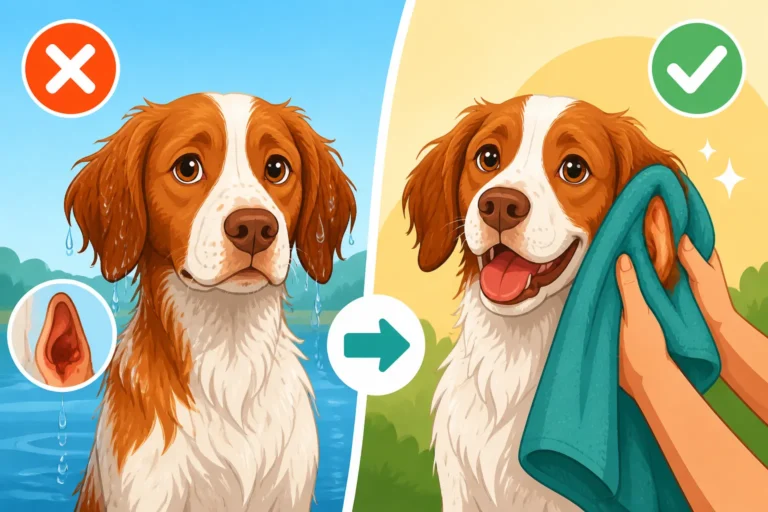
The most critical step after any water exposure is thorough drying. Water trapped in the ear canal is a prime incubator for bacteria and yeast. After a swim, a retrieve from a pond, or even a rainy hunt, take the time to gently blot the inside of your Brittany's ears with a soft cloth or cotton balls. You can also use a veterinarian-recommended drying solution. Never use cotton swabs (Q-tips) deep inside the ear canal, as this can push debris further in or damage the delicate eardrum. For persistent moisture, some owners even use a low-setting hairdryer held at a safe distance to ensure the canal is completely dry. Consistent drying, as detailed in How to Dry a Brittany's Ears After Water, is a game-changer for prevention.
Beyond post-hunt care, a schedule of routine ear cleaning is vital. How often you clean depends on your individual dog's history and activity level. For a Brittany prone to infections, weekly cleaning might be necessary, even during the off-season. For others, bi-weekly or monthly might suffice. The goal is to remove accumulated wax and debris, keeping the ear environment inhospitable to pathogens. It's not about scrubbing; it's about gently flushing and wiping. You can learn more about finding the right balance for your dog's needs in How Often a Brittany's Ears Should Be Checked.
Tools and Techniques for Ear Maintenance
Having the right tools on hand makes ear care much less daunting. First and foremost, you need a good quality, veterinarian-approved ear cleaner. There are many on the market, some designed for routine maintenance, others with antifungal or antibacterial properties for specific issues. Always choose one recommended by your vet, as some over-the-counter products can be irritating or ineffective. Your vet can guide you on Which Ear Cleaner Suits a Brittany best for your dog's specific needs. When cleaning, apply the solution generously into the ear canal, massage the base of the ear for 20-30 seconds to break up debris, and then let your dog shake its head. After the shake, gently wipe away any loosened debris and excess cleaner with cotton balls or soft gauze.
A common question among Brittany owners revolves around ear hair. Many Brittanys have quite a bit of hair growing inside their ear canals. The debate over whether to pluck or trim this hair is ongoing. Some believe that plucking creates micro-traumas that can lead to infection, while others argue that removing it improves airflow and reduces moisture retention. Generally, if your Brittany has recurrent infections, discussing ear hair management with your vet is a good idea. Sometimes, simply thinning the hair rather than complete removal can make a difference. Over-trimming can expose sensitive skin, while leaving it completely untrimmed can exacerbate issues. It’s a nuanced topic, and more specific advice can be found in Whether a Brittany's Ear Hair Should Be Trimmed.
For Brittanys working in particularly dense or thorny cover, or those with a history of grass seed foreign bodies, consider investing in some form of ear protection. These can range from snoods to specialized ear covers that help shield the ear canal from direct contact with debris. While not always practical for every hunt, they can be invaluable in specific high-risk environments. It’s a small extra step that can make a huge difference in preventing a costly and painful trip to the vet. For some, the routine of cleaning ears is just as important as How Often Ears Need Cleaning in the Middle of a Season to keep issues at bay.
When Trouble Strikes: Treating Ear Infections Effectively
Despite all our best efforts, sometimes an ear infection still manages to take hold. When it does, your response time and adherence to veterinary advice are crucial. Self-diagnosing or delaying treatment can turn a simple infection into a chronic problem or lead to more severe health complications for your beloved Brittany.
The Importance of a Prompt Vet Visit
As soon as you notice any signs of ear irritation or infection – whether it’s excessive scratching, head shaking, an unpleasant odor, or visible discharge – it's time to call your veterinarian. Do not attempt to treat the infection yourself with old medications or home remedies. This is a common mistake that can mask symptoms, make diagnosis harder, or even worsen the problem. An untreated ear infection can cause immense pain, spread deeper into the ear, damage the eardrum, and in severe cases, even lead to deafness or neurological issues.
During your vet visit, they will perform a thorough examination using an otoscope to look deep into the ear canal and assess the severity of the infection and the condition of the eardrum. Critically, they will take a swab of any discharge for cytology – examining it under a microscope to identify whether the infection is bacterial, yeast, or a combination, and if ear mites are present. This step is non-negotiable because different types of infections require different medications. What treats yeast won't effectively kill bacteria, and vice-versa. Without proper identification, treatment is often ineffective, leading to frustrating cycles of recurrence. If you're seeing concerning symptoms, understanding Signs a Brittany's Ear Needs a Vet can help you act quickly.
Dealing with recurring ear infections can also become a significant financial strain. This is where having a good pet insurance plan, like one from Healthy Paws, can make a real difference. Many owners find relief knowing that unexpected veterinary costs, especially for chronic conditions or emergency treatments from issues like deeply lodged grass seeds, are often covered by plans such as those offered by Healthy Paws. This peace of mind allows you to get your dog the care they need without worrying about every single bill.
Following Through with Treatment and Preventing Recurrence
Once your vet has diagnosed the infection and prescribed medication, strict adherence to the treatment plan is essential. This usually involves medicated ear drops, which might contain antibiotics, antifungals, and/or anti-inflammatory drugs. It's absolutely crucial to administer the medication for the entire prescribed duration, even if the ear looks and smells better after a few days. Stopping treatment prematurely is a primary reason for recurrent infections, as it allows the remaining pathogens to bounce back stronger. Always ask your vet for a demonstration on how to properly administer ear drops to ensure the medication reaches deep into the canal.
Regular follow-up appointments with your vet are also important. They will re-examine the ear to ensure the infection has completely cleared. Sometimes, a different medication or a longer course is needed if the initial treatment wasn't fully effective. For Brittanys suffering from chronic or recurrent ear infections, your vet may delve deeper to identify any underlying causes. This could involve exploring potential allergies (food or environmental), conducting blood tests for conditions like hypothyroidism (which can predispose dogs to skin and ear issues), or even recommending advanced imaging like an MRI if structural problems are suspected. Addressing these root causes is key to breaking the cycle of infections.
Beyond medication, maintaining consistent preventative care even after an infection clears is vital. Keep up with your regular ear cleaning and drying rituals, especially after water exposure. If allergies are suspected, your vet might recommend dietary changes or antihistamines. For any working dog, understanding the financial implications of unexpected health issues is part of responsible ownership. For example, What a Brittany's Field Injuries Cost in a Season can be substantial, and ear infections, if they become chronic, can add up quickly. This is where pet insurance, for instance, from Healthy Paws, really comes into play. When you consider the potential for multiple vet visits, specialized cleaners, and prescription medications, the support from a provider like Healthy Paws can truly help manage the long-term health investment in your active companion. Having a comprehensive plan, perhaps from Healthy Paws, can alleviate some of the worry, allowing you to focus on your dog's recovery and getting them back in the field safely. Before any hunting season, it’s wise to review your pet insurance coverage – checking if things like chronic ear infections or foreign body removals are included. Providers such as Healthy Paws offer various plans that might be suitable for an active hunting dog.
Here's a quick overview of a robust ear care routine for your working Brittany:
| Activity | Frequency | Key Actions | Important Notes |
|---|---|---|---|
| Post-Outing Check | After every hunt/water exposure | Visually inspect ear canal, check for debris/odor, gently blot dry. | Crucial for preventing immediate issues from moisture and foreign bodies. Don't skip this, especially after swimming or heavy cover. |
| Routine Cleaning | Weekly to Bi-Weekly | Use vet-approved ear cleaner, massage base, allow shaking, wipe away discharge with cotton balls. | Adjust frequency based on your dog's history. More frequent if prone to infections; less if consistently healthy. |
| Professional Vet Check | Annually or as needed | Full otoscopic exam, discuss any concerns, cytology if discharge present. | Essential for catching subtle issues, updating preventative strategies, and ensuring overall ear health. Seek immediate help if symptoms appear. |
| Feathering Management | As advised by vet | Trim or thin ear hair to improve airflow and reduce debris collection. | Discuss with your vet. This can significantly reduce the incidence of infections by improving ventilation and making cleaning easier. |
| Environmental Awareness | Ongoing | Be mindful of high-risk areas (tall grass, stagnant water). Protect ears where possible. | While you can't avoid all risks in the field, knowing when to be extra vigilant can help. Consider ear covers in specific scenarios. |
Disclaimer
This guide offers general information and recommendations for Brittany Spaniel owners. It is not a substitute for professional veterinary advice. Always consult with a qualified veterinarian for any health concerns or before making any decisions about your dog's medical care or treatment plan.