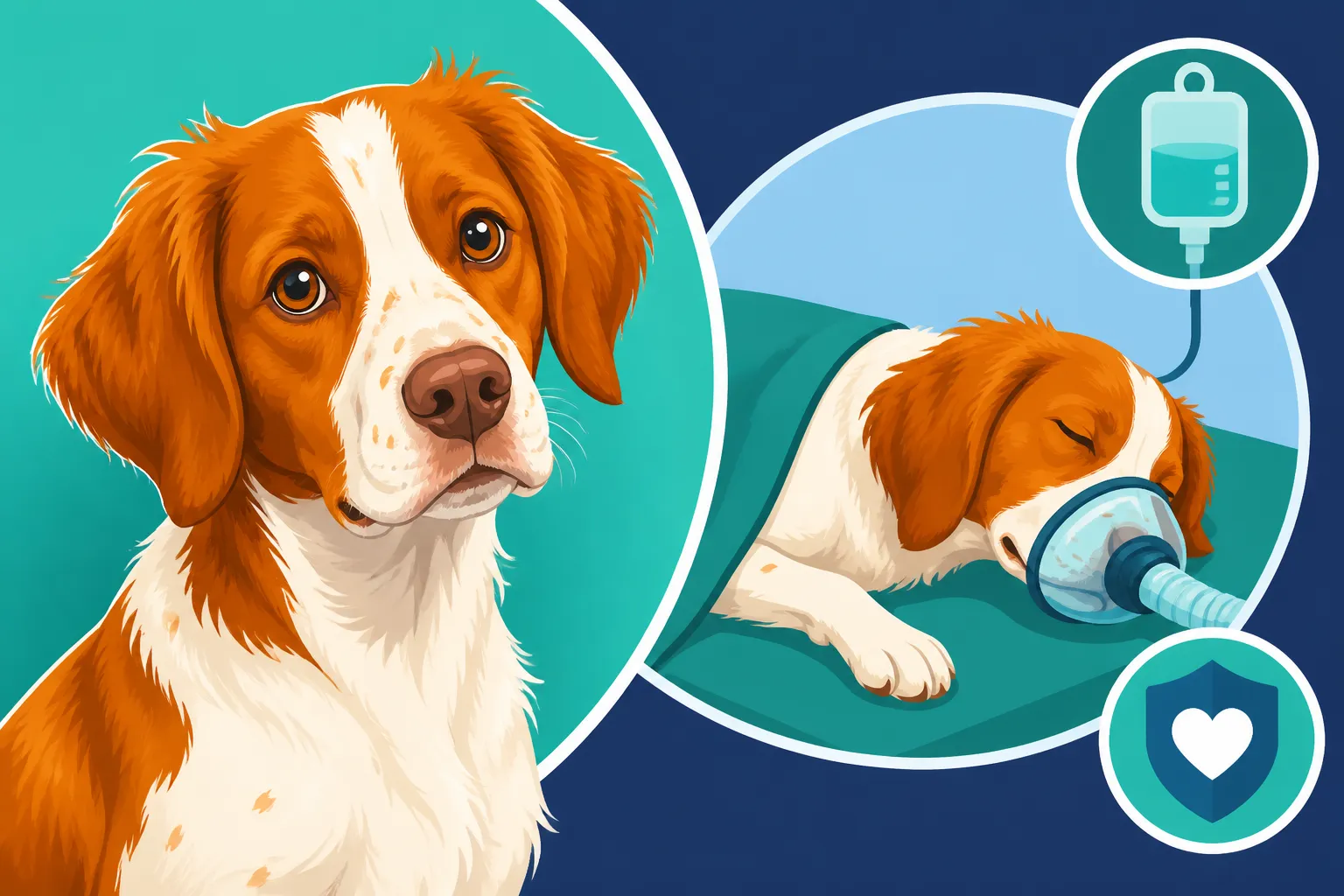
Whether a Brittany Tolerates Anesthesia
Bringing your beloved Brittany Spaniel in for a procedure that requires anesthesia is a truly nerve-wracking experience for any dog parent. You worry about everything: Will they wake up? Will they be in pain? And is your energetic, sensitive Brittany more at risk than other dogs? It’s a completely valid set of concerns, and understanding the ins and outs of anesthesia, particularly for a breed like the Brittany, can help ease your mind and empower you to advocate for your furry companion. This comprehensive guide aims to demystify anesthesia for your Brittany, outlining what to expect, how to prepare, and what measures veterinary professionals take to ensure their safety.
Understanding Anesthesia in Brittanys: What's the Concern?
The moment your vet mentions a procedure requiring anesthesia, a little alarm bell might go off in your head. It's natural to feel anxious, especially when it involves your active, high-spirited Brittany. While modern veterinary anesthesia is incredibly safe compared to even a decade ago, there are always inherent risks, and understanding them is the first step in feeling more prepared.
General Anesthesia Risks for Dogs
Let's be real, any time a living being goes under general anesthesia, there are risks involved, regardless of species or breed. For dogs, these can range from minor issues like temporary nausea, disorientation, or a bit of a cough from the intubation tube, to more serious, though thankfully rare, complications. These more significant risks include adverse reactions to the anesthetic agents themselves, such as allergic responses, or issues with blood pressure, heart rate, and breathing. In very rare cases, organ damage or even cardiac arrest can occur.
For active breeds like Brittanys, who are typically bursting with energy, their bodies are often finely tuned and highly reactive. This energetic metabolism can sometimes mean they process medications a bit differently, or their strong drive might make the pre-anesthetic calming phase a bit more challenging. However, it's crucial to remember that these are risks managed by a skilled veterinary team with precise monitoring and protocols.
Why Brittany Owners Worry About Anesthesia
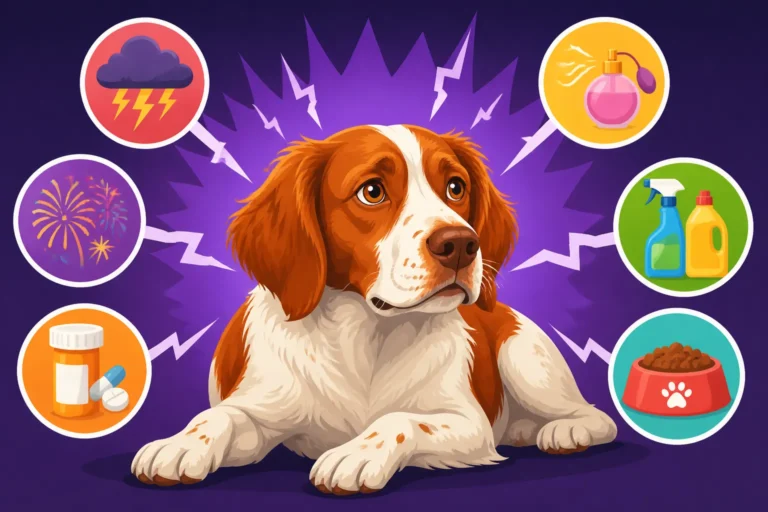
Brittany owners, you know your dogs are special. They're intelligent, sensitive, and often quite bonded to their people. This deep connection can amplify our worries when they face something as serious as anesthesia. Specific concerns often arise due to a combination of factors:
- Their Active Nature: Brittanys are renowned for their athleticism and drive. This means they often have a higher metabolism, which can influence how quickly they process anesthetic drugs. You might worry that they'll be harder to sedate or that they'll bounce back too quickly, potentially injuring themselves in a groggy state.
- Breed-Specific Health Concerns: While The Brittany Is One of the Healthiest Sporting Breeds, like any breed, they do have certain predispositions. Concerns about potential underlying heart conditions, or issues like hypothyroidism, which can affect metabolism, might cross your mind. You might also be aware of genetic conditions like C3 deficiency, and wonder how a compromised immune system might react to the stress of surgery and recovery. It’s important to discuss these specific health aspects with your veterinarian to ensure they are fully informed about your dog's unique profile.
- Their Sensitivity: Brittanys are known to be quite "soft" dogs, meaning they can be sensitive to harsh corrections or unfamiliar situations. Owners often worry how their Brittany will cope with the unfamiliar environment of a vet clinic, the strange smells, and being separated from their family during a stressful time. This emotional sensitivity, while not directly impacting the physiological tolerance of anesthesia, certainly adds to owner anxiety about the overall experience.
Rest assured, modern veterinary medicine takes all these factors into account. Your vet understands that every dog is an individual, and they tailor their approach accordingly.
Pre-Anesthesia Protocols for Your Brittany: Ensuring Safety
The preparation before your Brittany even gets a whiff of anesthetic is paramount. A good veterinary clinic will have a rigorous set of protocols in place to minimize risks and ensure your dog is as safe as possible. This phase is where you, as an owner, play a vital role in providing complete information about your dog's health history.
Comprehensive Pre-Anesthetic Screening
Before any anesthetic is administered, a thorough pre-anesthetic screening is absolutely non-negotiable. This isn't just a formality; it's a critical step to identify any hidden health issues that could complicate the procedure.
- Full Physical Exam: Your veterinarian will perform a head-to-tail examination. They'll listen to your Brittany's heart and lungs, check their teeth and gums, assess their overall body condition, and look for any signs of illness or abnormality. This baseline assessment is crucial for understanding your dog's current health status.
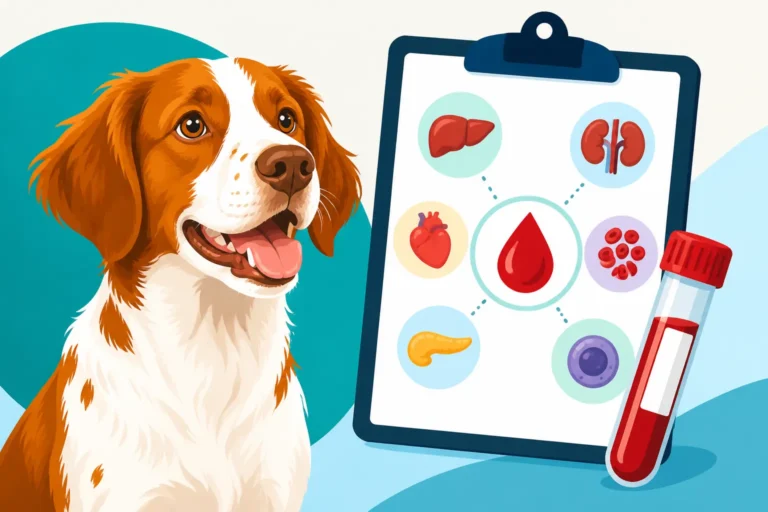
- Blood Work: Comprehensive blood tests are fundamental. These typically include a complete blood count (CBC) to check for anemia, infection, or other blood disorders, and a chemistry panel to assess organ function, particularly the liver and kidneys, which are responsible for metabolizing and eliminating anesthetic drugs. They'll also check electrolyte levels and blood glucose. For a Brittany, these tests are especially important to ensure that their active system is in prime condition. This is part of What a Brittany's Yearly Bloodwork Should Cover in general, but it's even more critical before anesthesia.
- Other Diagnostics: Depending on your Brittany's age, health history, and the specific procedure, your vet might recommend additional diagnostics. This could include:
- Urinalysis: To further assess kidney function and rule out urinary tract infections.
- Chest X-rays: To check for underlying lung or heart disease, especially in older dogs or those with a history of coughing or breathing difficulties.
- ECG (Electrocardiogram): To get a more detailed look at heart rhythm and electrical activity, particularly if a murmur or arrhythmia was detected during the physical exam. While Brittanys aren't specifically prone to unique heart issues, an active dog's heart health is always a focus.
These screenings allow your vet to build a complete picture of your Brittany's health, helping them make informed decisions about the safest anesthetic protocol. If potential issues are found, they might even postpone the procedure to address them first, ensuring a much safer experience for your dog.
Tailoring Anesthetic Protocols to Your Brittany
One size does not fit all, especially when it comes to anesthesia. Your vet will customize the anesthetic plan specifically for your Brittany, taking into account all the information gathered during the pre-anesthetic screening.
- Age and Health Status: A young, healthy Brittany undergoing a routine spay will have a different protocol than an older Brittany with, say, a known thyroid issue. For older Brittanys, the considerations for Caring for a Brittany Past Ten become very real when planning for any sedation. If your Brittany has What Hypothyroidism Does to a Brittany, for instance, their metabolism might be slower, requiring adjusted drug dosages. This is why it's so important that your veterinarian is aware of and has potentially done Whether a Brittany Breeder Screens Thyroid for these types of conditions.
- Type of Procedure: A quick dental cleaning requires a different level and duration of anesthesia than a complex orthopedic surgery. The vet will choose agents appropriate for the length and invasiveness of the procedure.
- Anesthetic Agents: There's a wide array of anesthetic drugs available, each with its own properties, onset, duration, and side effects. Your vet will select a combination of pre-medications (to calm and provide initial pain relief), induction agents (to quickly put your dog to sleep), and maintenance anesthetics (often gas delivered via an endotracheal tube) that are best suited for your Brittany. They might opt for drugs that are rapidly reversible or have minimal impact on specific organs if concerns arise.
- Pain Management: A critical part of any anesthetic protocol is preemptive pain control. Your Brittany will likely receive pain medication before, during, and after the procedure to ensure they wake up comfortably. This multi-modal approach helps reduce the overall anesthetic dose needed and promotes a smoother recovery.
- Intravenous (IV) Catheter and Fluids: Almost all anesthetized dogs will have an IV catheter placed before the procedure. This allows for immediate venous access for medications, and the administration of IV fluids throughout the procedure. Fluids help maintain blood pressure, support organ function, and aid in the elimination of anesthetic drugs.
This meticulous approach ensures that your Brittany receives the most appropriate and safest anesthetic care possible. Should any unforeseen complications arise during the procedure or recovery, having a good pet insurance plan like Healthy Paws can really come in handy, taking some of the financial stress out of immediate and necessary interventions.
During and Post-Anesthesia Care for Your Brittany
The care doesn't stop once the anesthesia begins. In fact, some of the most critical aspects of safety occur during the procedure and in the immediate recovery phase. Knowing what happens during these times can give you peace of mind.
Monitoring During the Procedure
While your Brittany is under anesthesia, they are never left unattended. A dedicated veterinary technician or nurse will continuously monitor their vital signs, often with specialized equipment that tracks multiple parameters.
- Heart Rate and Rhythm: An electrocardiogram (ECG) constantly displays the electrical activity of the heart, allowing the team to detect any arrhythmias or changes in rate.
- Respiratory Rate and Oxygen Saturation: A pulse oximeter measures the oxygen levels in your Brittany's blood, while the technician observes their breathing rate and depth.
- Blood Pressure: Regular blood pressure readings are taken to ensure adequate blood flow to vital organs. Too low or too high blood pressure can indicate problems.
- Body Temperature: Dogs, especially smaller or older ones, can get cold under anesthesia. Warming blankets, circulating water blankets, or Bair Hugger systems are often used to maintain a stable body temperature, which is crucial for metabolism and recovery.
- Capnography: This monitors the carbon dioxide levels in your Brittany's exhaled breath, giving an indication of how well they are ventilating and how their lungs are functioning.
- Depth of Anesthesia: The technician will also assess physical signs, such as eye position and reflex responses, to ensure your Brittany is at the appropriate depth of anesthesia – deep enough to feel no pain, but not excessively deep.
This constant vigilance allows the veterinary team to make immediate adjustments to anesthetic depth, fluid rates, or medication as needed, responding proactively to your Brittany's physiological state.
Recovery and Post-Anesthetic Management
The recovery period is just as vital as the procedure itself. Your Brittany will be carefully monitored as they wake up from anesthesia.
- Supervised Recovery: Your dog will be moved to a warm, quiet recovery area where a technician continues to watch them closely. They'll ensure the endotracheal tube is removed at the appropriate time (once your Brittany shows signs of swallowing) and that they are breathing well.
- Comfort and Warmth: Keeping your Brittany warm is crucial during recovery, as hypothermia can delay waking and increase discomfort. Cozy blankets and warmers will still be in use.
- Pain Management: As the anesthetic drugs wear off, your Brittany might start to feel the effects of their surgery. The veterinary team will administer additional pain medication as needed, ensuring they remain comfortable. They'll assess for signs of pain, which in a Brittany might manifest as restlessness, whining, or guarding the surgical site.
- Nausea and Disorientation: Some dogs experience nausea or vomiting as they recover. Medications can be given to alleviate this. It's also normal for dogs to be a bit disoriented, wobbly, or even anxious as they come out of anesthesia. The team will provide a calm, supportive environment.
- Discharge Instructions: When your Brittany is deemed stable enough to go home, you'll receive detailed discharge instructions. These will cover medication schedules (especially for pain relief), wound care, activity restrictions, and signs to watch for that might indicate a complication. It’s imperative to follow these instructions diligently.
- Potential Complications: While rare, complications can arise during recovery. These might include prolonged grogginess, continued vomiting, reluctance to eat or drink, or issues with the surgical site like swelling or discharge. Knowing when to call your vet is crucial. Having pet insurance like Healthy Paws can provide significant financial relief if unexpected post-surgical complications require additional veterinary visits or treatments. It’s always better to be prepared for the unknown.
Specific Health Considerations and Anesthesia in Brittanys
While Brittanys generally handle anesthesia well, being aware of their breed-specific health tendencies allows for even greater preventative care. Your vet will consider these during their pre-anesthetic workup.
Cardiac Health and Anesthesia
Any dog undergoing anesthesia needs a healthy cardiovascular system to handle the physiological changes. While Brittanys aren't known for specific, high-prevalence cardiac diseases compared to some other breeds, a thorough check is always wise.
- Pre-existing Conditions: Conditions like congenital heart defects (though rare in Brittanys), or acquired issues like murmurs or arrhythmias, can increase anesthetic risk. If a murmur is detected during the physical exam, your vet might recommend a cardiac workup (e.g., echocardiogram) before proceeding.
- Impact on Anesthetic Choice: If a cardiac issue is identified, the veterinary team will choose anesthetic agents that are less likely to depress heart function and will implement more intensive cardiac monitoring during the procedure. Maintaining stable blood pressure is especially critical.
Ensuring your Brittany's heart is sound before anesthesia is a key part of their overall safety.
Hypothyroidism and Anesthetic Response
Hypothyroidism, or an underactive thyroid, is a condition where the thyroid gland doesn't produce enough thyroid hormones. What Hypothyroidism Does to a Brittany can affect many bodily functions, including metabolism.
- Metabolic Impact: Thyroid hormones play a crucial role in regulating metabolism. Dogs with untreated hypothyroidism might have a slower metabolic rate, which can affect how they process and eliminate anesthetic drugs. This could lead to a prolonged recovery or increased sensitivity to certain agents.
- Detection and Management: If your Brittany exhibits Signs a Brittany's Thyroid Is Low, such as lethargy, weight gain, or skin changes, your vet will likely recommend a thyroid panel. If hypothyroidism is diagnosed, it's typically managed with daily thyroid hormone supplementation. It's important that this condition is well-controlled before any elective anesthetic procedures. Your vet might even suggest checking thyroid levels as part of a routine senior panel, or if any suspicious symptoms are present, particularly if you know that Whether a Brittany Breeder Screens Thyroid for their breeding stock.
C3 Deficiency and Immune Response
C3 deficiency is a rare but significant genetic immune disorder found in Brittanys. What C3 Deficiency Does to a Brittany is a serious impairment of the complement system, a crucial part of the innate immune system.
- Immune System Impact: Dogs with C3 deficiency are highly susceptible to recurrent bacterial infections because their bodies struggle to mount an effective immune response. While C3 deficiency does not directly affect a Brittany's tolerance to the anesthetic drugs themselves, it absolutely impacts their ability to fight off any potential infections that could arise post-surgically.
- Increased Risk of Post-Operative Infection: Any surgical procedure carries a risk of infection, no matter how sterile the environment. For a C3-deficient Brittany, this risk is significantly heightened. They may struggle more with wound healing or be more prone to secondary infections, which can complicate recovery and make the overall experience much more challenging.
- Pre-emptive Measures: If your Brittany is known to have C3 deficiency, or if there's any suspicion, your vet will take extra precautions. This might include prophylactic antibiotics before and after surgery, meticulous sterile technique, and very close monitoring for any signs of infection during recovery. Open communication with your vet about your Brittany's full health history, including any genetic test results, is vital.
The following table outlines key pre-anesthesia checks and why they're so important for your Brittany:
| Pre-Anesthesia Check | Why It's Important for Your Brittany |
|---|---|
| Full Physical Exam | Establishes overall health baseline, detects subtle issues, assesses heart/lung sounds. Vital for an active breed. |
| Complete Blood Count (CBC) | Screens for anemia, infection, inflammation. Ensures blood can carry oxygen effectively during anesthesia. |
| Chemistry Panel | Evaluates liver and kidney function (crucial for metabolizing drugs), electrolyte balance, and blood sugar. Identifies hidden organ dysfunction. |
| Urinalysis | Provides additional kidney insight, checks for UTIs. Important for overall systemic health. |
| Chest X-rays | Checks for lung or heart conditions not evident on physical exam. Particularly relevant for older or symptomatic dogs. |
| ECG (Electrocardiogram) | Detailed heart rhythm analysis. Important if a murmur or arrhythmia is detected. |
| Thyroid Panel | Rules out hypothyroidism, which can affect metabolism and anesthetic drug processing, especially if Signs a Brittany's Thyroid Is Low are present. |
| C3 Deficiency Test (if applicable) | Identifies immune system compromise, which increases infection risk post-op. |
In conclusion, while the thought of your energetic Brittany going under anesthesia can be daunting, with modern veterinary medicine and thorough pre-anesthetic protocols, they generally tolerate it very well. Open communication with your veterinarian, a comprehensive health screening, and attentive post-operative care are the cornerstones of ensuring a safe experience for your beloved companion. Understanding these steps allows you to approach necessary medical procedures with greater confidence, knowing you've done everything possible to protect your Brittany.
Disclaimer
The information provided in this article is for educational purposes only and is not intended to be a substitute for professional veterinary advice. Always consult with your veterinarian regarding any medical concerns or before making any decisions about your Brittany's health care.