Whether a Brittany Gets Porcupine Quills
It's every Brittany owner's nightmare: that moment when your eager, bird-crazy companion suddenly yelps, recoils, and you see them pawing frantically at their face. Your heart sinks. You know instantly what happened. A porcupine. These spiky encounters are a reality for many active dogs, especially a curious, high-drive breed like our beloved Brittanys. This comprehensive guide will walk you through why Brittanys are prone to these painful run-ins, how to react in the heat of the moment, what to expect at the vet, and crucial steps for prevention and preparedness.
The Inevitable Encounter: Why Brittanys and Porcupines Often Meet
If you own a Brittany, you know their zest for life and their unwavering desire to explore every scent, every rustle, and every potential "bird" in the bush. This wonderful trait, however, can sometimes lead them directly into trouble with wildlife, and porcupines are unfortunately high on that list of undesirable introductions.
The Brittany's Instincts and Curiosity
Brittanys are, by nature, highly intelligent, energetic, and incredibly driven dogs. They live to hunt, to range, and to investigate. Their powerful noses guide them through dense cover, over open fields, and into wooded areas where other creatures make their homes. When a Brittany catches a new scent or spots unusual movement, their instinct is often to pursue and investigate. They don't approach wildlife with trepidation; rather, they approach with an almost innocent curiosity, coupled with their inherent prey drive. A slow-moving, seemingly harmless porcupine might appear as an easy target for a curious sniff or a playful nudge, especially to a young, inexperienced dog or even a seasoned hunter caught off guard. This natural inclination to engage with their environment is precisely what makes them such superb hunting partners, but it's also their Achilles' heel when it comes to quill-covered rodents.
Common Habitats and Overlapping Territories
Porcupines are widespread across many parts of North America, favoring wooded areas, rocky outcrops, and even brushy fields. They're nocturnal but can be active during the day, especially in cooler weather or when foraging. These are the exact same environments where Brittanys thrive, whether they're out on a pheasant hunt in the Dakotas, exploring trails in a state park, or simply ranging through your property's back forty. Many of us live in semi-rural or rural areas where encounters with wildlife are a daily possibility. A porcupine might wander into your backyard at dusk, seeking out a tasty shrub, or your Brittany might stumble upon one while romping in the woods adjacent to your home. It’s not just in the deep wilderness; suburban fringes can be hotbeds for these encounters, making it crucial for every Brittany owner to be aware.
The Porcupine's Defense Mechanism
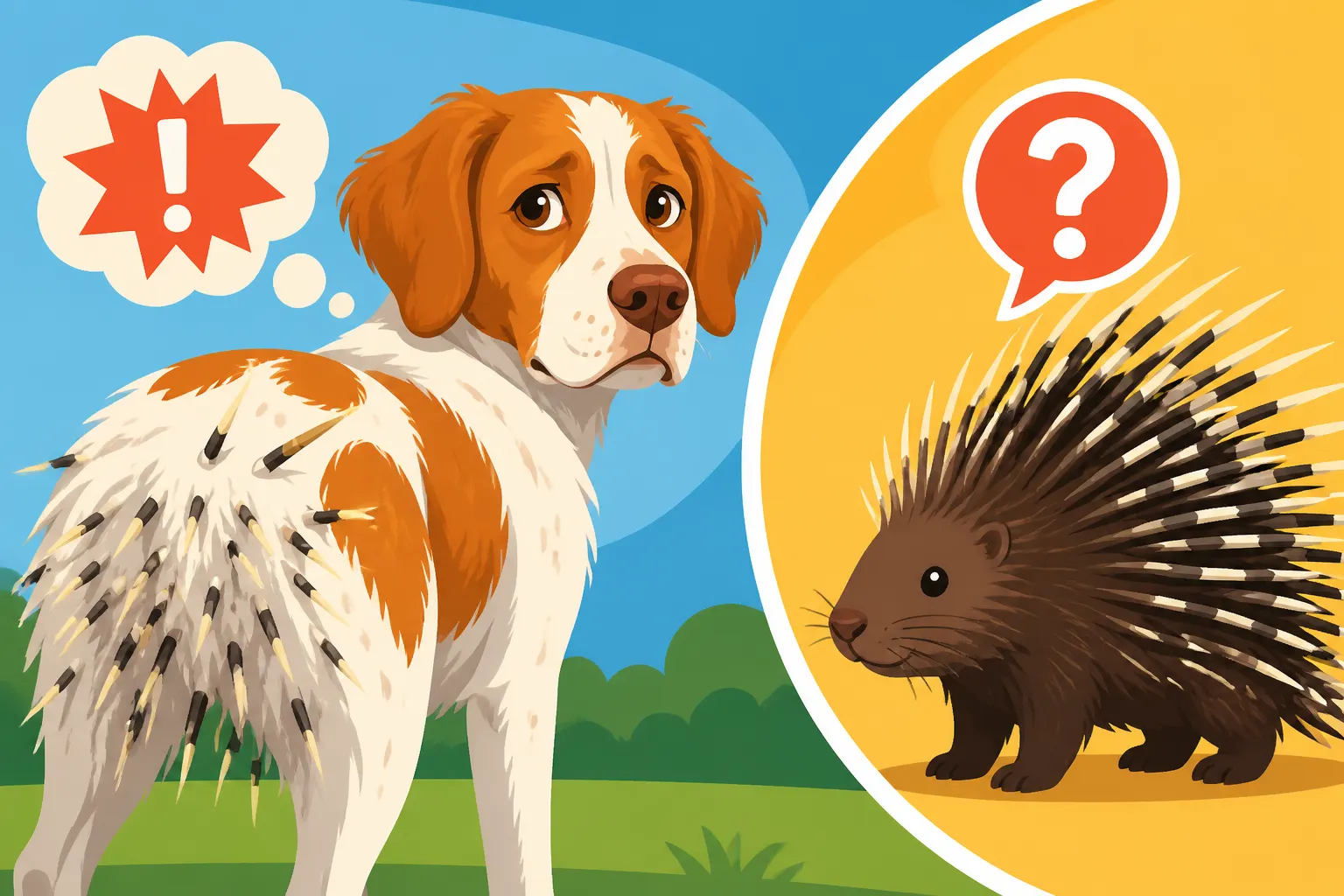
It’s important to understand why porcupines are such a problem. They aren't aggressive animals; their primary defense mechanism is passive. When threatened, they'll usually turn their back, raise their quills, and lash out with their tail. Each quill is essentially a modified hair, hollow, sharp, and covered in tiny, backward-facing barbs. These barbs act like microscopic fishhooks, designed to make the quill stick firmly in whatever it contacts and prevent easy removal. The quills detach incredibly easily from the porcupine’s body, leaving them embedded in the unsuspecting victim. Once embedded, these barbs make the quills incredibly difficult to remove and, perhaps even more dangerously, can cause them to migrate deeper into tissue over time, leading to serious internal problems.
Recognizing a Porcupine Encounter and Initial Steps
The moment you realize your Brittany has encountered a porcupine, panic is a natural reaction. However, acting quickly and calmly can make a huge difference in your dog's comfort and the success of quill removal.
Immediate Signs of a Quill Attack
The signs are usually pretty unmistakable. Your Brittany, who moments ago was full of boundless energy, might suddenly yelp or cry out. They’ll likely recoil from the porcupine, if it’s still visible. The most common immediate reactions are intense pawing at their face, muzzle, or mouth, drooling excessively, rubbing their face on the ground, or shaking their head vigorously. You might see visible quills protruding from their muzzle, lips, tongue, or even around their eyes. If the encounter was particularly close or involved a chase, quills can also be embedded in their chest, front legs, or even paws. The pain is immediate and intense, and your dog will be distressed. Do not delay seeking help; every minute counts.
The Dangers of Self-Removal
Your first, overwhelming instinct will be to help your beloved dog by pulling out the quills yourself. You might even have a pair of pliers in your truck. But please, resist this urge with every fiber of your being. Attempting to pull quills without proper tools, technique, or sedation is incredibly dangerous. The quills are barbed, remember? Pulling them incorrectly is excruciating for your dog, and you risk breaking the quill, leaving a piece embedded under the skin. Worse, you could inadvertently push the quill deeper into the tissue. Quills, once broken or pushed deeper, can migrate through muscle and even into internal organs, leading to abscesses, infections, and even life-threatening conditions like pneumothorax if they puncture a lung. It's a job for a professional, not a DIY project in the field.
Containing and Transporting Your Brittany Safely
Once you confirm the quill encounter, your priority is to safely contain your Brittany and get them to a veterinarian immediately. Your dog will be in pain and likely distressed, which can make even the gentlest dog nip or snap out of fear. Approach them calmly, speak in soothing tones, and try to keep them from pawing at their face or rubbing against surfaces, as this can break or push quills deeper. If possible, gently leash them. If they have quills in their mouth or tongue, they might try to chew at them, which can push them further back into their throat.
For transport, if you have a dog crate, that’s ideal for keeping them contained and preventing further injury during the ride. If not, have a helper hold them gently but firmly, keeping their head still if possible. Call your vet or the nearest emergency vet clinic on your way to let them know you're coming and why. This allows them to prepare for your arrival, ensuring prompt treatment. These unexpected emergencies are exactly why having a good pet insurance plan, like one from Healthy Paws, can provide immense peace of mind. Knowing that you're covered financially means you can focus solely on getting your Brittany the care they need without hesitation.
Professional Quill Removal: What to Expect at the Vet
Taking your Brittany to the vet for quill removal can be a stressful experience, but knowing what to expect can ease some of your concerns. This is not a procedure you want to skimp on or delay.
The Veterinary Procedure
When you arrive at the clinic, the veterinary team will quickly assess your Brittany. Because quill removal is painful and requires your dog to be absolutely still to prevent broken quills or injury, sedation or general anesthesia is almost always necessary. Your vet will administer a sedative, and once your Brittany is relaxed or asleep, they can begin the meticulous process of removal. They use specialized tools, often heavy-duty forceps, to grasp each quill firmly at its base and pull it straight out in one fluid motion, ensuring the entire quill, including the barbed tip, is extracted. This careful, systematic approach is crucial to avoid leaving any fragments behind. The vet will perform a thorough examination, feeling for quills that might not be immediately visible, especially those around the eyes, inside the mouth, under the tongue, and between the toes. This is also why an internal link like What a Brittany's First Aid Kit Should Hold is useful, so you have basic supplies for other minor issues.
Common Locations for Quills and Potential Complications
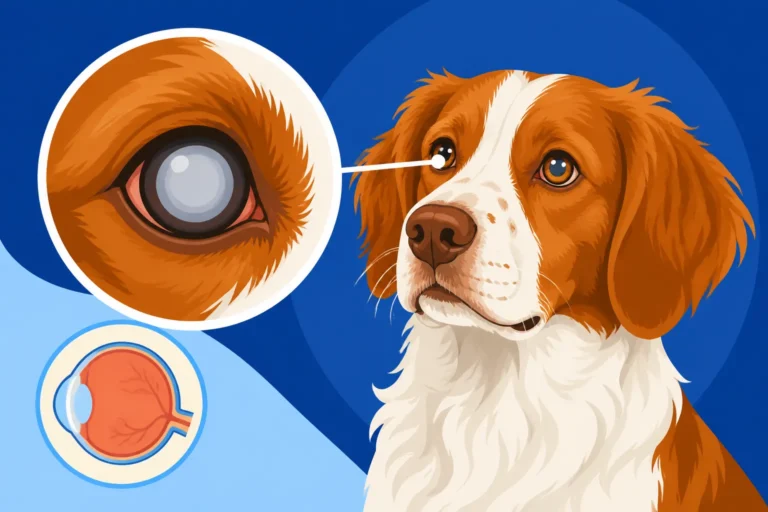
Quills are most commonly found on the muzzle, lips, and around the eyes, which are the first points of contact when a curious dog sniffs or mouths a porcupine. The tongue and inside of the cheeks are also frequent spots, leading to excessive drooling and difficulty eating. More concerning locations include quills near the eyes, which can cause blindness, or deeply embedded quills in the throat that could compromise breathing or migrate into the chest cavity.
Beyond the initial pain, there are several serious complications that can arise from quills. If even a small fragment of a quill is left behind, it can lead to localized infection, forming painful abscesses. These abscesses can sometimes develop weeks or months after the initial encounter, making diagnosis difficult if the quill incident isn't recalled. More insidious is the risk of quill migration. The barbs allow quills to "walk" through muscle tissue, sometimes traveling significant distances within the body. I’ve heard stories of quills migrating from a dog's leg all the way to its chest cavity, causing inflammation, pain, and potentially organ damage. These migrating quills often require surgical intervention to locate and remove, adding significant cost and stress. A comprehensive pet insurance policy can be invaluable here; many Brittany owners rely on providers like Healthy Paws to cover such unforeseen and costly treatments.
Post-Removal Care and Monitoring
After all visible and palpable quills have been removed, your Brittany will typically be given pain medication and a course of antibiotics to prevent infection. You'll receive instructions for at-home care, which usually includes monitoring the extraction sites for swelling, redness, discharge, or any signs of discomfort. It's incredibly important to continue observing your dog closely for days or even weeks after the procedure. Because some quills can be missed, or small fragments may be left behind despite the vet's best efforts, new lumps or signs of pain can emerge later. If you notice any new swelling, lameness, or your Brittany seems unwell, contact your vet immediately. This ongoing vigilance is part of the recovery process and critical for ensuring a full recovery. Your vet might also recommend a follow-up visit, especially if there were many quills or they were in tricky locations.
Prevention and Preparedness for Future Encounters
While we can't completely shield our Brittanys from every potential danger, we can take proactive steps to minimize the risk of porcupine encounters and be better prepared if one does occur. After all, the cost of dealing with these injuries can add up, as discussed in "What a Brittany Costs Over Its Lifetime".
Training and Management Strategies
One of the most powerful tools in your arsenal is good training. A rock-solid "leave it" command can be a literal lifesaver, teaching your Brittany to disengage from tempting distractions like a porcupine. Practicing a reliable recall, especially from a distance and in distracting environments, is equally vital. If your Brittany is ranging wide, as many American Brittanys are prone to do, a strong recall allows you to bring them back before they get into trouble. Consistency in training is key; it’s not enough to practice once a week. Incorporate these commands into your daily routine and certainly before every hunt or long walk. Remember, an internal link like "How Reliable a Brittany's Recall Is" highlights just how critical this training is for your dog's safety in the field.
In areas known for porcupines, especially during dawn and dusk when these animals are most active, keeping your Brittany on a leash or a long check cord is a wise precaution. If you're out hunting, a GPS collar can help you monitor your dog's position, allowing you to intervene quickly if they head into dense brush that might harbor porcupines.
Field Awareness and Habitat Avoidance
Being aware of your surroundings can significantly reduce the risk. Learn to recognize the signs of porcupine activity: gnawed trees (they love to strip bark), tracks, and their distinct, pellet-like droppings. If you see these signs in an area, consider it a porcupine hot spot and either avoid it or keep your Brittany on a very short leash. When out in the field, especially with a high-energy dog like a Brittany, it's easy to get focused on the hunt. But taking a moment to scan the environment, particularly around rocky areas, fallen logs, or dense undergrowth, can prevent a painful encounter. Teach yourself to look out for these indicators, just as you'd look for hidden obstacles that could cause "The Injuries a Brittany Picks Up in the Field."
Financial Preparedness for Emergencies
Let’s be realistic: vet bills for quill removal are not cheap. A simple removal might run a few hundred dollars, but if quills have migrated, caused an infection, or require specialty surgery, the costs can quickly escalate into thousands. Many Brittany owners, myself included, have found peace of mind with pet insurance. Companies like Healthy Paws offer various plans that can cover a significant portion of unexpected veterinary expenses, including emergency procedures like quill removal. It’s a small monthly investment that can save you from a major financial headache during an already stressful time. Think about it: an incident like this is precisely why you might ask "Whether Insurance Covers a Brittany's Hunting Injuries." Don’t let financial concerns dictate the quality or speed of care your Brittany receives.
| Action | Do's | Don'ts |
|---|---|---|
| Immediate Reaction | Keep calm, assess the situation, leash your dog. | Panic, shout at your dog, attempt to pull quills yourself. |
| Handling Your Brittany | Approach gently, use a soothing voice, contain them if possible. | Allow them to paw at their face, rub against objects, or chew on quills. |
| Seeking Vet Care | Call your vet or emergency clinic immediately while en route. | Delay going to the vet, assume you can handle it at home. |
| Post-Removal Care | Administer prescribed pain meds and antibiotics, monitor for swelling/redness. | Neglect follow-up care, ignore new lumps or signs of discomfort. |
| Prevention | Train strong recall and "leave it," supervise in known porcupine areas. | Let your Brittany range unsupervised in high-risk habitats. |
| Preparedness | Have a pet emergency fund or insurance (e.g., Healthy Paws). | Be caught off guard by the financial implications of emergency vet care. |
Disclaimer
The information provided in this article is for general informational purposes only and is not a substitute for professional veterinary advice. Always consult with a qualified veterinarian for any health concerns or before making any decisions related to your Brittany's health and treatment.