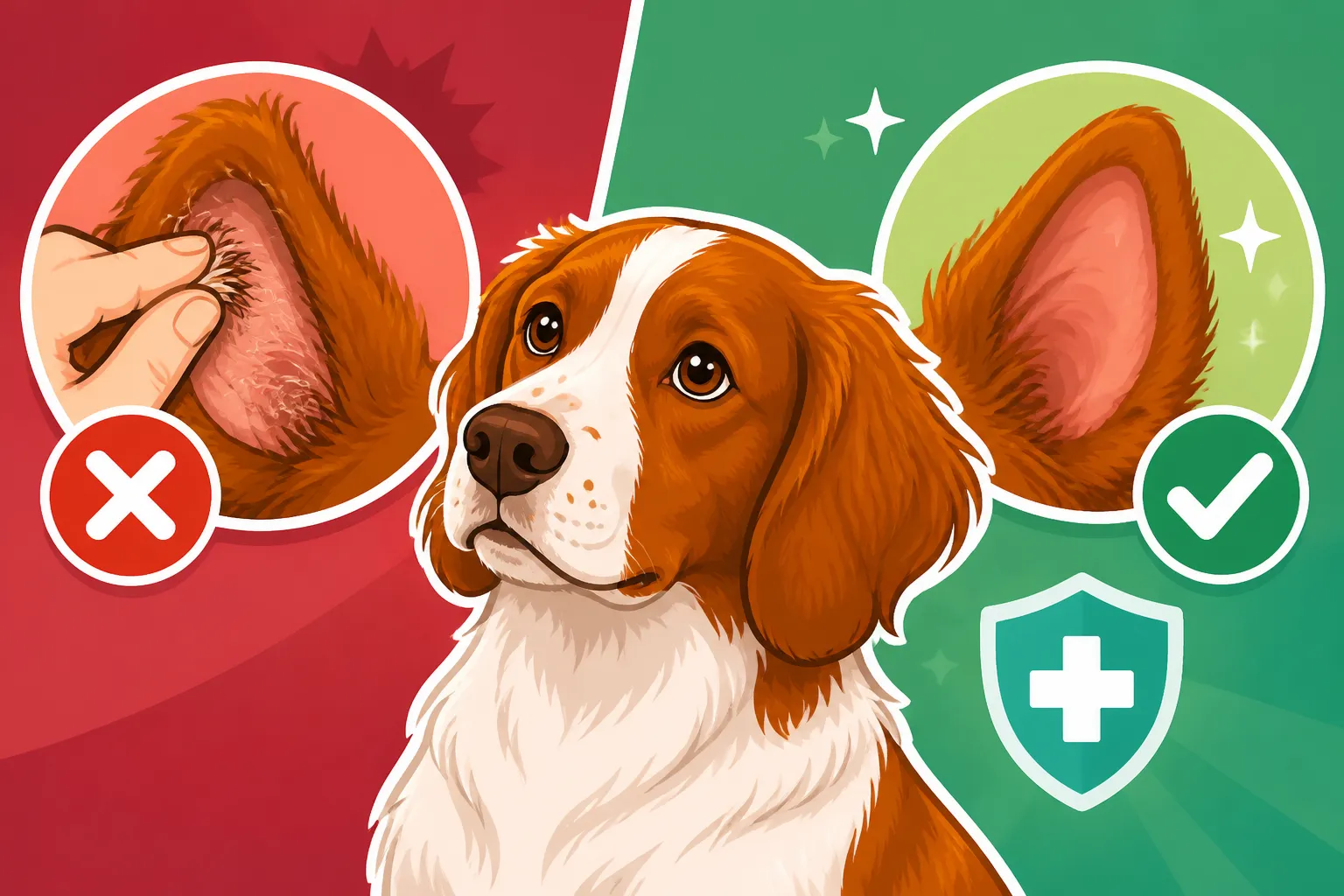
Whether Plucking a Brittany’s Ear Hair Stops Infections
If you're a Brittany owner, you're likely familiar with the relentless struggle against ear infections. It feels like a never-ending battle to keep those floppy ears healthy and free from the redness, itching, and discomfort that plague our beloved companions. One piece of advice that often surfaces in discussions about prevention is the idea of plucking hair from inside your Brittany's ear canals. But is this common practice actually a surefire solution, or could it be contributing to the very problems we're trying to avoid? This comprehensive guide will delve into the nuances of Brittany ear health, examining the pros and cons of ear hair plucking and offering effective, veterinarian-backed strategies to keep your dog's ears happy and infection-free.
The Persistent Challenge of Brittany Ear Infections
Brittanys, with their spirited nature and keen desire to explore, often find themselves wading through tall grass, splashing in ponds, and navigating dense cover. While these activities are part of what makes them such incredible hunting partners and family dogs, they also expose their ears to a constant barrage of environmental factors that contribute to infections. It's truly frustrating to see your energetic Brittany suddenly shaking its head, scratching at an ear, and then dealing with another trip to the vet.
Why Brittanys Are Prone to Ear Troubles
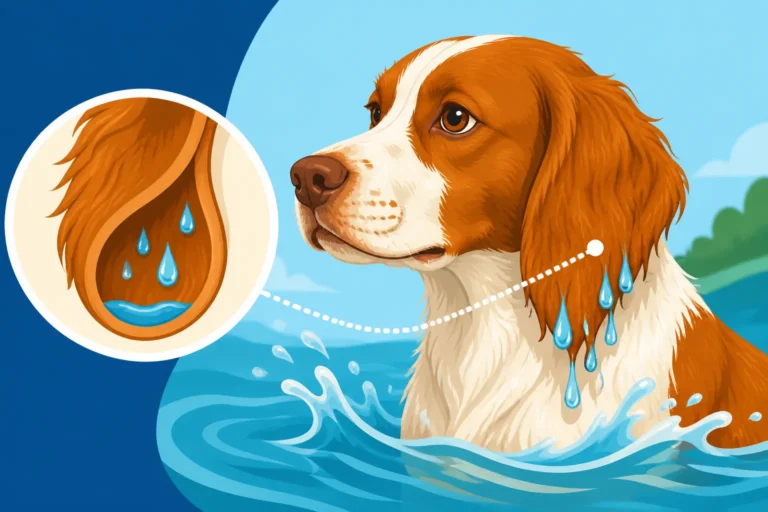
The unique anatomy of a Brittany's ear is a primary culprit in their susceptibility to infections. Their floppy, pendulous ears, while undeniably charming, create a warm, dark, and often moist environment that is a perfect breeding ground for bacteria and yeast. Unlike dogs with upright ears, the Brittany's ear flap covers the ear canal, significantly reducing airflow. This trapped moisture, especially after a swim or a rainy hunt, allows microorganisms to flourish.
Beyond the shape, the ear canal itself can be quite narrow in some Brittanys, which further restricts ventilation and makes it difficult for debris or excess wax to escape naturally. When you combine this with their active, outdoor lifestyle, it’s a recipe for recurrent problems. Whether it's pollen from spring fields or muddy water from a duck retrieve, foreign material can easily get lodged in their ears, leading to irritation and subsequent infection. It’s no wonder so many owners find themselves asking, "Why a Brittany's Ears Get Infected Every Season?"
Understanding the Cycle of Infection
An ear infection in a Brittany isn't usually a sudden event; it often follows a predictable pattern. First, something irritates the delicate lining of the ear canal. This could be trapped moisture, a foreign body like a grass seed, or even an allergic reaction that causes inflammation. Once the lining is irritated, it begins to swell, and the normal protective mechanisms of the ear are compromised. The ear naturally produces wax to protect the canal, but in an inflamed ear, this production can go into overdrive, leading to a build-up.
This warm, moist, and now debris-filled environment becomes an ideal breeding ground. Normally harmless bacteria and yeast, which live commensally in the ear, can multiply rapidly, overwhelming the ear's defenses. This overgrowth leads to the classic signs of infection: redness, swelling, discharge (which can be waxy, pus-like, or dark and crusty), and a distinctive odor. Your dog will likely show discomfort, perhaps pawing at the ear or constantly shaking their head. If left untreated, these infections can become severe, moving deeper into the ear canal and potentially causing more serious issues. It’s crucial to know the Signs a Brittany's Ear Is Infected so you can act quickly.
The Theory Behind Ear Hair Plucking for Brittanys
The idea of plucking ear hair isn't unique to Brittanys; it's a practice you might hear recommended for many breeds with hair growth inside the ear canal, particularly those with drop ears. The reasoning, at face value, seems logical. After all, if the problem is poor airflow and trapped moisture, shouldn't removing the hair solve it?
How Plucking Aims to Improve Airflow
The primary argument for plucking ear hair centers on improving air circulation within the ear canal. Proponents believe that a dense mat of hair inside the ear acts like a stopper, preventing air from reaching the deeper parts of the canal. This lack of airflow, as we discussed, contributes to a warm, humid environment where yeast and bacteria thrive. By removing this hair, the theory goes, the ear canal can "breathe" better, reducing moisture buildup and making the environment less hospitable to pathogens.
For dogs with exceptionally thick hair that completely occludes the ear canal opening, it might seem like a straightforward solution to physically open up that space. The vision is a clear, open canal that dries more quickly after exposure to water, whether that's from a bath, a swim in the lake, or just humidity in the air. This, in turn, is thought to dramatically reduce the incidence of painful and recurring ear infections.
The Argument for Reducing Trapped Debris
Another point often made in favor of ear hair plucking is its supposed role in preventing the accumulation of debris. Hair, especially fine, curly hair, can act like a net, trapping ear wax, dirt, dust, and even tiny foreign objects like grass seeds or burrs. These trapped materials can then irritate the ear canal, forming plugs that impede natural drainage and create a perfect niche for microbial growth.
By removing the hair, the canal would theoretically be smoother and less prone to accumulating these irritants. This would also make routine ear cleaning much easier, allowing ear cleaning solutions to penetrate more effectively and helping to flush out any wax or debris before it becomes a problem. The thought is that a "cleaner" canal, free from internal hair and debris, is less likely to become inflamed and subsequently infected.
The Reality: Does Plucking Really Help or Harm?
While the theories behind ear hair plucking seem logical, the reality of its effectiveness and safety is much more complex and, frankly, often contradictory to what many owners are told. Veterinary science has evolved, and with it, our understanding of ear health has become far more nuanced. What was once a common recommendation is now often viewed with caution.
Veterinary Perspectives on Routine Plucking
For a long time, routine ear hair plucking was standard practice, especially for breeds like Brittanys, Poodles, and Cocker Spaniels, under the assumption that it would prevent infections. However, modern veterinary consensus has largely shifted, and many veterinarians now advise against routine pl plucking for healthy ears. The primary reason? The act of plucking itself can cause micro-trauma to the delicate skin lining the ear canal. Each hair follicle that is pulled out leaves a tiny, open wound. These microscopic lesions can then become inflamed and are prime entry points for bacteria, actually increasing the risk of infection rather than preventing it.
Instead of creating a healthy, breathable environment, plucking can lead to:
- Inflammation: The pulling action irritates the sensitive skin, causing redness and swelling.
- Pain: It's often an uncomfortable, if not painful, experience for the dog.
- Folliculitis: Inflammation of the hair follicles can occur, leading to small pustules or pimples within the ear canal.
- Scarring: Repeated trauma can lead to scarring and thickening of the ear canal lining, which ironically can further narrow the canal and impede airflow and drainage in the long run.
The general advice from most veterinary dermatologists today is that if a dog has a healthy ear with minimal hair and no history of recurrent infections, there's no need to pluck. In fact, doing so could trigger problems. There are very specific, limited scenarios where a vet might recommend plucking, such as if a dog has an extremely dense mat of hair that is completely blocking the ear canal and preventing effective cleaning or medication delivery for an existing severe infection. Even then, it’s usually done very carefully, under sedation, and with a plan to manage the post-plucking inflammation.
Risks and Downsides of Ear Hair Plucking
The downsides of ear hair plucking are significant and often outweigh any perceived benefits for the average Brittany. The immediate pain and discomfort for your dog are certainly a concern. Many dogs develop a strong aversion to ear handling after a painful plucking experience, making future ear cleanings and examinations incredibly difficult.
Beyond the pain, the physical trauma caused by plucking sets the stage for new problems. Imagine constantly picking at a small wound on your skin – it's unlikely to heal well, and it's much more likely to become infected. The same principle applies to your Brittany's ear canal.
Consider these potential issues:
- Increased bacterial entry: Open follicles provide a direct pathway for bacteria and yeast, which are always present in the ear, to invade deeper tissues and cause infection.
- Inflammation and irritation: The ear canal reacts to the trauma by becoming inflamed, which creates swelling and further constricts the canal, defeating the purpose of increasing airflow.
- Pain and stress: Your Brittany associates ear handling with pain, leading to resistance, growling, or even biting during future attempts to clean or medicate their ears.
- Damaged ear canal lining: Chronic irritation and scarring can alter the natural protective barriers of the ear, making it more vulnerable to future infections.
Instead of a solution, for many Brittanys, plucking becomes a perpetuator of the very problem it aims to prevent. This is especially true if it’s done aggressively or without proper technique.
When to Consider Plucking and When to Avoid It
Given the risks, the decision to pluck ear hair should rarely be a routine, do-it-yourself practice. It's a nuanced discussion that needs to happen with your veterinarian, not just a grooming trend.
When to Avoid Plucking:
- Healthy Ears: If your Brittany's ears are generally healthy, free from odor, redness, discharge, and your dog isn't scratching, leave the hair alone. The natural hair growth often helps protect the ear canal from debris and foreign objects.
- Mild Hair Growth: Many Brittanys have some hair in their ear canals, but it's not dense enough to block airflow or cleaning. In these cases, plucking is unnecessary and potentially harmful.
- Active Infections: Never pluck an ear that is already inflamed or infected. This will cause immense pain, exacerbate the inflammation, and push bacteria deeper into the traumatized tissue.
- Sensitive Dogs: If your Brittany is very sensitive to ear handling or has had previous negative experiences, plucking will only worsen their anxiety and aversion.
When to Consider Plucking (Always with Veterinary Guidance):
- Extreme Hair Occlusion: In rare cases, a Brittany might have such a dense, matted wad of hair deep in the ear canal that it genuinely creates a solid plug, making it impossible to clean the ear or administer medication for a recurrent, severe infection. Even then, a veterinarian would likely perform this under sedation to minimize pain and trauma, and only after ruling out other causes of infection.
- Specific Medical Necessity: If your vet specifically diagnoses a condition where hair is demonstrably contributing to intractable ear disease and other treatments have failed, they might suggest it as a last resort. This is very uncommon.
Here's a quick comparison to help visualize the alternatives:
| Feature | Ear Hair Plucking (Routine) | Regular Ear Cleaning & Drying (Recommended) |
|---|---|---|
| Primary Goal | Increase airflow, reduce debris (often ineffective/harmful) | Remove excess wax/debris, maintain dry, healthy environment |
| Method | Pulling individual hairs from the ear canal | Gentle wiping, use of veterinary-approved ear cleaner |
| Pain/Discomfort | Often painful, can cause trauma and aversion | Minimal to none if done correctly and regularly |
| Infection Risk | Can increase risk due to micro-trauma, inflammation | Reduces risk by removing breeding grounds for bacteria/yeast |
| Vet Endorsement | Generally not recommended for healthy ears, may be harmful | Strongly recommended for all Brittanys, especially active ones |
| Maintenance | Ongoing, potentially stressful plucking sessions | Regular, gentle cleaning at home, quick to do |
Ultimately, for the vast majority of Brittanys, the answer to "Whether Plucking a Brittany's Ear Hair Stops Infections" is a resounding no, and often, it makes things worse.
Effective Strategies for Preventing Brittany Ear Infections
So, if plucking isn't the answer, what can you do to keep your Brittany's ears healthy? The good news is there are several highly effective and veterinarian-approved strategies that focus on proactive care and addressing underlying issues. It's all about consistent, gentle management.
Routine Cleaning and Drying is Key
The single most impactful thing you can do for your Brittany's ears is to establish a consistent routine of cleaning and drying. This tackles the root causes of moisture and debris buildup without resorting to invasive methods. After all, How Often a Brittany's Ears Should Be Checked is more important than aggressive intervention.
- Post-Adventure Care: If your Brittany has been swimming, hunting in wet cover, or even just gotten a bath, thoroughly dry their ears. Use a soft towel to gently blot the inner flap and the entrance to the ear canal. You might also use a cotton ball to carefully absorb moisture further down, but never insert anything deeply into the ear canal. You can even use an ear-drying solution specifically designed for dogs to help evaporate residual moisture. Learning How to Dry a Brittany's Ears After Water is a game changer.
- Regular Cleaning: Depending on your dog's individual needs, aim to clean their ears every 1-4 weeks with a veterinary-approved ear cleaner. Your vet can recommend Which Ear Cleaner Suits a Brittany. Apply the cleaner as directed, gently massage the base of the ear to help break up wax and debris, and then let your dog shake their head. Finally, wipe away any loosened material with a cotton ball or soft cloth. Remember, you're only cleaning what you can easily see and reach.
- Visual Inspection: Make it a habit to lift your Brittany's ear flaps daily, or at least several times a week, especially during hunting season. Look for any redness, swelling, unusual discharge, or odor. Early detection of Signs a Brittany's Ear Is Infected can prevent a minor irritation from escalating into a full-blown infection. This proactive approach saves your dog discomfort and you potential vet bills.
Regular Vet Checks and Early Intervention
Even with the best at-home care, Brittanys can still experience ear issues. That's why regular veterinary check-ups are non-negotiable. Your vet has the tools and expertise to examine the ear canal thoroughly, identify problems, and provide appropriate treatment.
- Wellness Exams: During your Brittany's annual wellness exam, your veterinarian will always check their ears. They can spot subtle changes you might miss and ensure the ear canals are clear and healthy. These routine visits are also a good time to discuss any concerns you have about How Often Ears Need Cleaning in the Middle of a Season or specific products. Having a reliable pet insurance plan, such as one from Healthy Paws, can provide immense peace of mind, knowing that routine check-ups and any unexpected treatments for ear infections or other health issues are covered.
- Prompt Treatment: If you notice any signs of an ear infection, don't wait. Schedule a vet appointment right away. Delaying treatment only allows the infection to worsen, potentially leading to more severe pain, more complex treatments, and even chronic issues. Your vet can identify the specific type of infection (bacterial, yeast, or both) and prescribe the correct medication.
- Covering Costs: Ear infections, especially recurrent ones, can add up. This is where investing in pet insurance comes in handy. A company like Healthy Paws offers plans that can help cover eligible costs for diagnostic tests, medications, and even specialist visits if your Brittany develops a chronic ear condition. It truly helps make sure your dog gets the best care without financial stress.
Identifying and Managing Underlying Issues
Sometimes, ear infections aren't just about trapped moisture; they're symptoms of a larger underlying problem. Addressing these deeper causes is crucial for breaking the cycle of recurrent infections.
- Allergies: One of the most common culprits for chronic ear infections in dogs is allergies – either environmental (pollen, dust mites) or food-related. Just like people, dogs can get itchy ears as a manifestation of their allergic reactions. If your Brittany frequently suffers from ear infections, and you also notice skin itching, paw licking, or digestive upset, it’s worth discussing allergy testing and management with your vet. Learning Whether a Brittany Gets Skin Allergies can be key to unlocking chronic ear relief.
- Dietary Changes: If food allergies are suspected, your vet might recommend a limited ingredient diet or a hydrolyzed protein diet trial. This involves feeding a novel protein source that your Brittany hasn't been exposed to before to see if symptoms improve. Quality nutrition supports overall immune health, which can indirectly help in fighting off infections.
- Thyroid Conditions: Less commonly, conditions like hypothyroidism can sometimes manifest with skin and ear problems. Your vet might suggest What a Brittany's Yearly Bloodwork Should Cover, including thyroid panels, if they suspect an underlying systemic issue.
- Foreign Bodies: Even with careful grooming, a tiny foxtail or other plant material can sometimes work its way deep into the ear canal, causing severe irritation and infection. This is particularly a risk for Brittanys who spend a lot of time in the field. If your dog suddenly develops severe ear pain or a head tilt after an outdoor excursion, it's an emergency vet visit, and having something like Healthy Paws can help manage the cost of diagnostics and removal.
By focusing on these comprehensive care strategies—diligent cleaning, regular vet visits, and addressing underlying health conditions—you're providing your Brittany with the best defense against painful ear infections, far more effectively than any attempt at plucking can offer. It’s also important to have a What a Brittany's First Aid Kit Should Hold for any minor scrapes or issues that might arise during outdoor adventures.
Disclaimer
This article is for general informational purposes only and does not constitute professional advice. Laws, prices and regulations vary by location and change over time. Consult a qualified professional for guidance on your specific situation.