How Brittany Hip Scores Improved Over Fifty Years
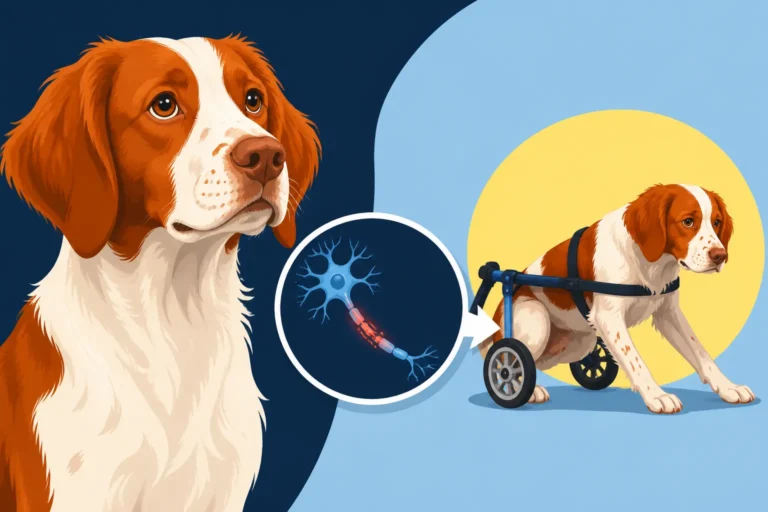
It's heartbreaking to imagine a beloved, energetic Brittany Spaniel, born to run and point, being held back by pain. For decades, the shadow of hip dysplasia loomed large over many dog breeds, causing immense worry for owners and limiting the vibrant lives these dogs were meant to lead. Thankfully, through persistent effort and a dedicated focus on health, the picture for Brittany hips has dramatically improved over the last fifty years. This guide will walk you through the remarkable journey of how focused breeding practices, scientific advancements, and the unwavering commitment of the Brittany community have led to healthier hips and brighter futures for our cherished companions.
The Early Days: Acknowledging the Hip Dysplasia Challenge
Before widespread health screening became common practice, hip dysplasia was a truly daunting problem for many breeds, and Brittanys were no exception. It's tough to think about those times, seeing a young, promising dog struggling with a condition that could often lead to chronic pain, restricted movement, and a significantly diminished quality of life.
The Initial Concerns and Why They Were Valid
Imagine bringing home a lively Brittany puppy, full of boundless energy and an inherent desire to explore the world. You envision years of joyful hikes, exhilarating field work, and playful romps in the yard. Then, as they grow, you start noticing subtle signs: a slight limp after exercise, difficulty rising, a reluctance to jump, or an unusual gait. This was the painful reality for many owners whose dogs developed hip dysplasia. This wasn't just a minor inconvenience; it was a debilitating condition where the hip joint didn't form correctly, leading to a loose fit, grinding, and eventual arthritis. Owners faced the difficult decisions of managing chronic pain with medication, expensive surgeries, or in the worst cases, early euthanasia. The heartache and financial strain were significant, and the inability of a dog to live its full, active life was truly a blow. It's a valid concern that still crosses the minds of prospective owners, wondering, "How Common Hip Dysplasia Is in Brittany Spaniels?"
The Role of Early Research and Awareness
The scientific community, along with dedicated breed clubs and veterinarians, began to seriously tackle the problem of canine hip dysplasia in the mid-20th century. Researchers started to understand that while environmental factors like diet and exercise played a role, genetics were a major contributing factor. This breakthrough was crucial because it meant that breeders could, in theory, improve the breed's hip health by making informed breeding choices. This realization sparked the creation of organizations like the Orthopedic Foundation for Animals (OFA) in 1966. The OFA's mission was clear: to provide a standardized, objective method for evaluating canine hip radiographs. This was a game-changer. Finally, breeders had a tool to assess the hip quality of their breeding stock and, crucially, a way to track progress over generations. The journey of improving Brittany hip scores really began with this commitment to scientific understanding and transparency.
The Dawn of Improvement: Dedicated Screening and Breeder Efforts
With the establishment of organizations like OFA, the Brittany community, like many others, started to rally around the idea of proactive health management. It wasn't an easy road, but the dedication of breeders and owners eventually began to show tangible results.
The Impact of OFA Certification Programs
The OFA certification process provided an invaluable framework. It involved taking specific radiographs (X-rays) of a dog's hips, usually when the dog was two years or older. These X-rays were then sent to a panel of independent, board-certified veterinary radiologists who would review and grade them based on specific criteria. Dogs would receive classifications like Excellent, Good, Fair (all considered passing), or Borderline, Mild, Moderate, or Severe Dysplasia (all considered failing).
This system empowered responsible breeders with objective, verifiable data. Instead of guessing, breeders could now proudly show potential puppy buyers the OFA certificates for both parents, demonstrating their commitment to sound genetics. This transparency was crucial. It meant that breeders could actively select against hip dysplasia by choosing to only breed dogs with passing hip scores. Over time, as more and more breeders participated and consistently made these choices, the genetic pool for the breed slowly but surely began to shift towards healthier hips. The OFA database became a powerful tool, allowing us to see What the OFA Records Show About Brittany Hips and track improvement across the breed. This dedication to screening became a fundamental part of what a responsible Brittany Spaniel Breeder Should Have Tested.
The Brittany Community's Commitment to Health
It's easy to look at statistics and think of it as just numbers, but behind every improved hip score is a breeder who made a conscious, often difficult, decision. It meant foregoing breeding a dog with incredible field talent or stunning conformation if its hips weren't up to par. It required a long-term vision, understanding that individual choices compounded over generations would lead to breed-wide health benefits. The Brittany community, with its strong emphasis on performance and companionship, embraced this challenge wholeheartedly. Local and national Brittany clubs educated their members, encouraged testing, and celebrated breeders who consistently produced healthy, sound dogs. This wasn't a quick fix; it was a testament to persistent, collective action, often spanning decades, to ensure the health of future generations.
Introducing PennHIP as a Complementary Tool
As understanding of hip dysplasia evolved, new screening methods emerged, offering different perspectives on joint health. One such method is PennHIP, developed at the University of Pennsylvania. Unlike OFA, which primarily evaluates the conformation of the hip joint at a mature age, PennHIP measures the laxity (looseness) of the joint, which is a significant predictor of whether a dog will develop osteoarthritis later in life. PennHIP can be performed on dogs as young as 16 weeks, offering breeders an earlier assessment.
The PennHIP method involves three specific radiographs, including a "distraction view" where a device is used to gently distract the femurs, revealing the amount of laxity present. The results are expressed as a "Distraction Index" (DI), where lower numbers indicate tighter hips. This tool has been incredibly valuable as a complement to OFA, providing another layer of information for breeders to make the most informed choices. By understanding What PennHIP Tells a Brittany Owner, breeders could further refine their selections, aiming for tighter hips and reducing the risk of future joint degeneration. This dual approach to screening showcased the breed community's commitment to using all available scientific tools to improve health.
Tangible Progress: Data-Driven Improvements and Modern Standards
The commitment paid off. Over the past five decades, the data clearly shows a positive trajectory in the hip health of the Brittany Spaniel. This isn't just anecdotal evidence; it's backed by the extensive records collected by organizations like OFA.
Tracking the Fifty-Year Trend in Brittany Hip Scores
When you delve into the OFA database, you can see a remarkable trend for Brittanys. Over fifty years, there has been a significant decrease in the percentage of dogs receiving dysplastic ratings (Mild, Moderate, Severe) and a corresponding increase in those receiving "Good" and "Excellent" scores. While precise yearly figures vary, the overall shift is undeniable. Early on, a higher percentage of dogs might have received borderline or dysplastic ratings. Today, the vast majority of Brittanys submitted for OFA evaluation receive passing scores, with a notable proportion achieving "Good" and "Excellent." This upward trend reflects generations of careful breeding and the collective effort to prioritize hip health.
Here’s a simplified illustration of how Brittany OFA hip scores might have improved over several decades, demonstrating the shift from a higher prevalence of dysplastic hips to a healthier population:
| OFA Rating Category | 1970s (Approximate) | 1990s (Approximate) | 2020s (Approximate) |
|---|---|---|---|
| Excellent | 5% | 10% | 18% |
| Good | 30% | 45% | 55% |
| Fair | 25% | 20% | 15% |
| Borderline | 15% | 10% | 5% |
| Dysplastic | 25% | 15% | 7% |
| Passing Total | 60% | 75% | 88% |
Note: These percentages are illustrative and represent a general trend based on available OFA data for breeds with improving hip scores, not exact historical Brittany figures. The overall direction of improvement is accurate.
This table shows a clear and positive progression. Back in the 1970s, a quarter of Brittanys submitted might have been dysplastic, and only 60% received passing scores. Fast forward to today, and over 85% typically receive passing grades, with a much higher percentage boasting "Good" or "Excellent" hips. This means that What Share of Brittanys Fail an OFA Hip Screen has drastically reduced, giving prospective owners much more confidence.
The Breeder's Ethical Imperative Today
Today, any reputable Brittany breeder understands that comprehensive health screening, including OFA or PennHIP hip evaluations, isn't just a suggestion—it's an ethical imperative. When you're looking for a puppy, the first question should always be about the health clearances of the parents. Responsible breeders will not only have these certifications but will be eager to share them and explain what they mean. They're proud of the sound structure of their dogs because they know it's the foundation for a lifetime of activity and joy.
This commitment goes beyond just hips. Many breeders adhere to broader health protocols, often participating in programs like the Canine Health Information Center (CHIC), which recommends a comprehensive set of health tests beyond just hips, covering eyes, elbows, and thyroid for the Brittany. Knowing that The CHIC Panel a Brittany Breeder Should Have Run includes hips gives you peace of mind that the breeder is looking at the whole dog. This rigorous approach minimizes the risks of passing on genetic conditions, ensuring that puppies have the best possible start.
Everyday Impact on Brittany Owners and Their Dogs
The real beneficiaries of this decades-long effort are the Brittanys themselves and their families. Healthier hips mean more comfortable, active, and fulfilling lives for these amazing dogs. Imagine a Brittany able to relentlessly pursue birds in the field, leap over logs with ease, and play fetch with children for hours without suffering debilitating pain. This improved hip health directly translates into the vibrant, active companions we cherish.
For hunting Brittanys, this means a longer career in the field, without the worry of early retirement due to joint issues. Owners don't have to constantly wonder Whether a Working Brittany Wears Its Joints Out prematurely. For family companions, it means more years of joyful movement, hikes, and general agility into their senior years. While unexpected health issues can always arise with any dog, having a strong genetic foundation for hip health significantly reduces one major worry.
This proactive approach to breeding can also have an indirect positive effect on future veterinary costs. While pet insurance providers like Healthy Paws offer invaluable coverage for unexpected illnesses and accidents, reducing the likelihood of a major orthopedic surgery down the line can still bring peace of mind. Investing in a puppy from health-tested parents means you're already starting ahead of the game, giving your Brittany the best chance at a long, healthy life.
Continuing the Legacy: What Owners Can Still Do
Even with the tremendous strides made in Brittany hip health, the journey doesn't end. As responsible owners, we still have a crucial role to play in ensuring our Brittanys enjoy optimal joint health throughout their lives. It's about building on the foundation that dedicated breeders have laid.
Supporting Lifelong Joint Health
While genetics provide the blueprint, environment and care shape the outcome. Even a Brittany with excellent hip scores can develop joint issues if not properly cared for. Maintaining a healthy weight is paramount; excess pounds put undue stress on joints. Providing a high-quality diet appropriate for their age and activity level is also key. For growing puppies, it's vital to ensure they aren't over-exercised or allowed to engage in high-impact activities on hard surfaces, as this can negatively impact developing joints. The common question of Whether a Brittany Puppy Should Run on Hard Ground is an important one, and generally, it's best to limit intense, repetitive impact on young, growing dogs.
Regular, moderate exercise keeps muscles strong, supporting the joints, but always listen to your dog's body. As they age, supplements like glucosamine and chondroitin can be beneficial, and your vet might recommend other proactive measures. Regular wellness exams and discussions with your veterinarian about joint health are always a good idea. Even with excellent genetics, proactive care is the best prevention, and while pet insurance like Healthy Paws can be a lifesaver for unforeseen medical needs, preventing issues proactively remains the gold standard. When you are Caring for a Brittany Past Ten, joint health often becomes even more of a focus.
The Importance of Choosing a Reputable Breeder
This improved hip health didn't happen by accident, and it will only continue through the diligent efforts of ethical breeders. When you're ready to welcome a Brittany into your home, it's crucial to seek out a breeder who prioritizes health testing and transparency. Don't be afraid to ask for proof of OFA or PennHIP certifications for both parents, going back several generations if possible. A good breeder will be proud to show you these documents and explain their breeding philosophy. They'll also be transparent about any health issues in their lines, even those that have been successfully managed.
A reputable breeder is an invaluable resource throughout your dog's life, and their commitment to health is one of the biggest investments you can make in your puppy's future. They understand that a healthy dog is a happy dog, and that's exactly what we want for our Brittanys. If you ever notice Signs a Brittany's Hips Hurt, contacting your breeder can often provide valuable insights and support.
Advocating for Continued Health Research
The journey to better canine health is ongoing. Supporting organizations like the OFA, breed clubs, and veterinary research foundations contributes to future advancements. Research into genetic markers, new diagnostic tools, and improved treatment options are continually developing. By participating in health registries, submitting health data, and staying informed, we can all play a part in safeguarding the health of the Brittany for generations to come. Every bit of data helps researchers understand genetic predispositions and develop better strategies. The collective effort, championed by dedicated individuals and organizations, is what ensures that the health legacy of the Brittany continues to improve, helping to provide long and happy lives, perhaps even reaching The Twelve to Fourteen Years a Brittany Gets, free from debilitating conditions.
Disclaimer
The information provided in this article is for general informational purposes only and does not constitute veterinary advice. Always consult with a qualified veterinarian for any health concerns or before making any decisions related to your Brittany Spaniel's health or medical care. Individual results may vary, and genetic predispositions can still manifest despite careful breeding practices.