How to Feel a Brittany’s Ribs
It's an age-old worry for us dog parents, isn't it? One minute your Brittany is romping like a puppy, the next you're wondering if they're eating enough, or perhaps a little too much. Trying to gauge your dog's weight just by looking can be deceptively tricky, especially with their lovely feathering, which makes a perfectly healthy dog look a little more filled out than they actually are. This guide is all about giving you the practical, hands-on skills to confidently assess your Brittany's body condition by learning how to properly feel their ribs, helping you keep them in prime shape for those long days in the field or happy hours at home.
Understanding Your Brittany's Ideal Body Condition
When you have an active, high-energy breed like a Brittany, maintaining the right weight isn't just about aesthetics; it's absolutely crucial for their overall health, longevity, and performance. We want our Brittanys to be lean, muscular athletes, not couch potatoes, and knowing how to consistently check their condition is a vital part of their care.
Why Regular Body Condition Checks Matter
Think of your Brittany as a finely tuned athlete, which they truly are. Just like any athlete, their body needs to be in optimal condition to perform at its best and avoid injury. Being overweight puts extra strain on their joints, something we want to avoid, especially as they age, to keep them comfortable for as long as possible. Issues like How Common Hip Dysplasia Is in Brittany Spaniels or Elbow Dysplasia in a Brittany can be exacerbated by carrying excess weight. Conversely, being too thin might indicate insufficient nutrition or an underlying health issue, potentially impacting their stamina and recovery after a long day chasing birds. Regular checks help you catch these subtle changes early, allowing you to adjust their diet or seek veterinary advice before a minor issue becomes a major problem.
The Brittany's Athletic Build: What to Expect
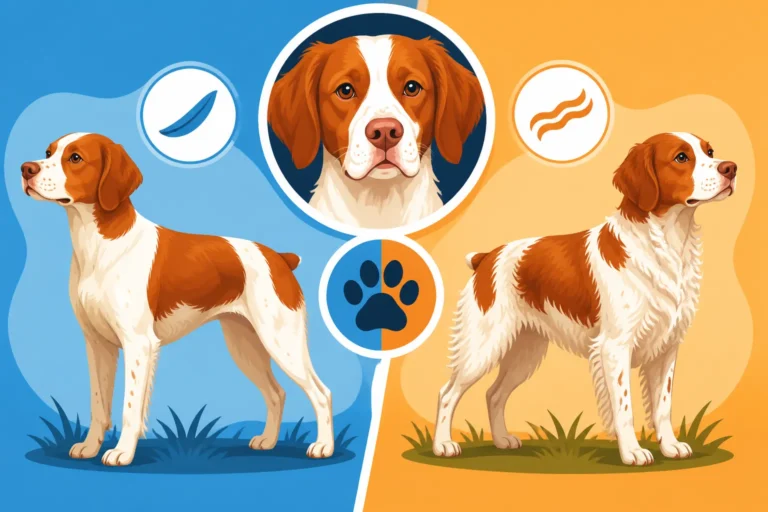
A healthy Brittany should look and feel trim, with a defined waist and a tucked-up abdomen. They are built for agility, endurance, and quick bursts of speed. Their muscles should feel firm and well-developed, particularly across their back and hindquarters. They're not meant to be heavily muscled like some bully breeds, nor delicate and slender like a sighthound. Instead, they strike a balance, embodying the versatile gun dog they are. When you compare an American Brittany to a French Brittany, there can be subtle differences in their overall build and leg length, but the underlying principle of a lean, athletic body condition remains the same for both. This lean build helps them navigate dense cover and retrieve birds with ease, season after season.
The Hands-On Approach: How to Feel for Ribs
This is where you become the expert on your own dog! It's a simple technique, but it takes a little practice and familiarity with what you're feeling for. Don't worry if it feels awkward at first; you'll get the hang of it quickly.
Getting Your Brittany Comfortable with the Touch
Before you even start "checking" for ribs, make sure your Brittany is relaxed and enjoys being handled. Brittanys are generally affectionate dogs, but some might be sensitive about their flanks or belly. Start by petting them all over, especially along their sides. Use a gentle, reassuring voice. Offer praise and perhaps a small, high-value treat during these sessions. Make it a positive experience, a routine part of your cuddle time. This isn't just for checking ribs; it's a great habit to get into for overall health monitoring, allowing you to easily check for lumps, bumps, or injuries that might occur in the field. When your dog sees your hands moving over their body as a source of gentle affection and rewards, they'll be far more cooperative.
Step-by-Step: The Rib Palpation Technique
Alright, let's get down to business. Here’s how to do the "rib check":
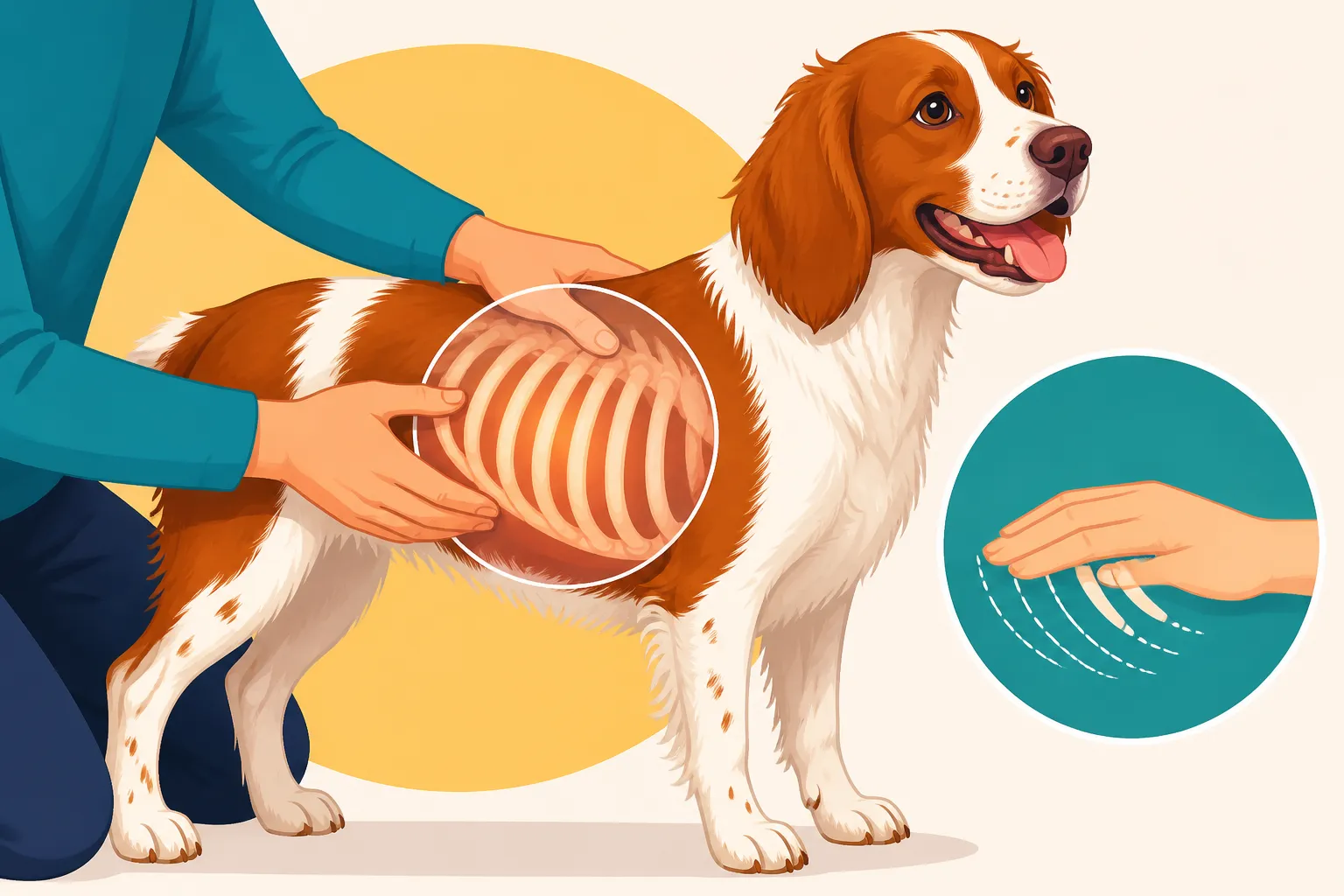
- Position Yourself: Have your Brittany standing comfortably. You can kneel beside them or have them stand on a grooming table if they're used to it.
- Light Touch First: Place both palms flat on either side of your Brittany's chest, just behind their front legs. Your fingers should be pointing towards their tail.
- Gentle Glide: Apply a very light pressure, just enough to feel through their coat. Now, slowly run your hands backward along their ribcage.
- What You're Feeling For: You should be able to feel each individual rib, distinct under your fingertips, almost like feeling the knuckles on your own hand. There should be a thin layer of muscle and skin over them, but no thick padding of fat.
- Adjust Pressure: If you can't feel the ribs with light pressure, increase it slightly. If you still can't feel them, or you have to press quite hard, that's a sign your dog might be carrying too much weight. If the ribs feel sharp and prominent with almost no covering, they might be too thin.
- Practice Makes Perfect: Do this regularly. The more you do it, the more familiar you'll become with what "normal" feels like for your Brittany. Remember, you're not trying to dig for bones; it's a gentle assessment.
What You're Looking For (And What You're Not)
When you're running your hands over your Brittany's ribs, you're aiming for that sweet spot. You should easily feel the individual ribs, but they shouldn't protrude or feel sharp. Imagine feeling the back of your hand – you can feel your knuckles, but they aren't painfully sticking out, right? That's the ideal. You're not looking for a completely smooth, padded surface where the ribs disappear under a cushion of fat, nor are you looking for ribs that feel like bare bones with no muscle or flesh covering them at all. The goal is a subtle definition, a hint of structure beneath a healthy, firm layer of muscle and skin. It’s a very specific tactile sensation that tells you a lot about your dog’s energy stores and overall well-being.
Decoding What Your Fingers Tell You
Once you've done the rib check a few times, you'll start to interpret what your fingers are communicating. This is where you can make informed decisions about your Brittany's diet and exercise regimen.
The "Just Right" Brittany: Lean and Muscular
When your Brittany is in ideal body condition, you'll find that their ribs are easily palpable without much pressure, but they won't be visibly noticeable through their coat. There's a minimal amount of fat covering them, and a distinct waist should be visible when viewed from above, tapering nicely from the ribcage to the hips. From the side, their abdomen should be tucked up, not hanging low. Their muscles will feel firm and well-developed. This is the physique of a dog ready for anything, whether it's a vigorous training session or a day in the upland field. This condition typically means they have the stamina, agility, and joint health to perform their best. If your Brittany is in this sweet spot, you're doing a fantastic job managing their How Much an Adult Brittany Eats and activity levels.
When Your Brittany is Carrying Too Much Weight
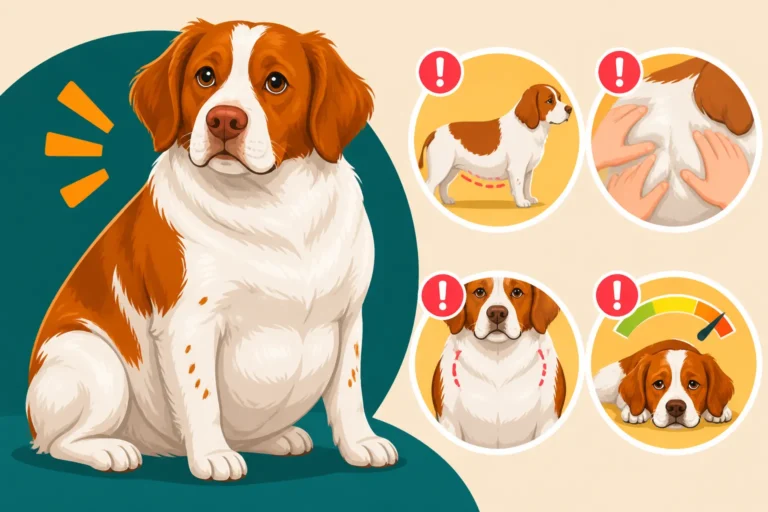
If you have to press firmly to feel your Brittany's ribs, or if they feel like they're hidden under a soft, padded layer, then your dog is likely carrying too much weight. You might also notice that their waistline from above isn't as defined, perhaps even looking more like a straight line from chest to hips. From the side, their belly might not be tucked up, appearing more rounded or sagging. This extra weight puts unnecessary stress on their joints, heart, and other organs, increasing their risk for various health issues and potentially shortening their lifespan. It can also make them less energetic and enthusiastic during their favorite activities. If you suspect your Brittany is overweight, it's time to re-evaluate their food portions and increase their exercise, perhaps with a high-quality performance food like those found on Chewy or Ollie, carefully measured. For more detailed information, consider reading Signs a Brittany Is Overweight.
When Your Brittany is a Little Too Lean
On the other end of the spectrum, if your Brittany's ribs are very prominent and easily visible, or feel sharp to the touch with little to no muscle or fat covering them, they might be too lean. This is often more apparent in dogs with shorter coats, but even with a Brittany's feathering, you might notice an angular appearance. Their hip bones and vertebrae might also be easily felt or even visible. A dog that is too thin may lack the energy reserves needed for sustained activity and could be more susceptible to illness. This could be due to not enough food for their activity level, a fussy appetite, or an underlying medical condition. If your Brittany is underweight, increasing their caloric intake with appropriate, high-quality food is important, and a vet check is always a good idea to rule out any health concerns. You might want to consider How to Put Weight Back on a Brittany for practical tips.
Maintaining That Ideal Weight and Condition
Achieving and maintaining your Brittany's ideal body condition is an ongoing process that involves a balance of proper nutrition, adequate exercise, and regular monitoring. It's a testament to your dedication as a responsible dog owner.
Nutrition: Fueling Your Active Brittany
A Brittany's diet is paramount to their health and physical condition. Given their high energy levels, especially if they are actively hunted or participate in dog sports, they require a diet rich in quality protein and appropriate fats. Look for high-quality dog foods specifically formulated for active breeds. The feeding guidelines on the bag are just a starting point; your individual dog's metabolism, age, and activity level will dictate their exact needs.
Measuring food is crucial. Don't just eyeball it. A kitchen scale or accurate measuring cups are your best friends here. Treats are also calories, so factor them into their daily intake. If your Brittany is an avid bird dog, their dietary needs will change during hunting season versus the off-season. You might find yourself exploring options on Amazon for specific joint supplements or higher-calorie performance foods to keep them fueled. For more on this, check out Whether a Working Brittany Needs a Performance Food. Remember to adjust portions based on their current condition: slightly reduce if they're gaining too much, increase if they're losing.
| Body Condition Score | Ribs Felt | Waist/Tuck | Visual Assessment | Action Needed |
|---|---|---|---|---|
| Emaciated | Easily felt, prominent, no fat | Extreme abdominal tuck, severe waist | Bones visible from distance | Vet check, significant caloric increase |
| Very Thin | Easily felt, sharp, minimal fat | Obvious abdominal tuck, pronounced waist | Ribs, spine, hips easily seen | Increase food, monitor |
| Ideal | Easily felt with light pressure, minimal fat | Well-defined waist, good abdominal tuck | Proportional, muscular, energetic | Maintain current diet & exercise |
| Overweight | Felt with firm pressure, slight fat cover | Little or no waist, minimal tuck | Rounded appearance, some fat | Reduce food, increase exercise |
| Obese | Difficult/impossible to feel, thick fat | No waist, abdomen rounded/sagging | Large fat deposits, heavy | Vet check, strict diet & exercise plan |
Exercise: Keeping Them Fit and Trim
No surprise here: Brittanys need a lot of exercise. They're bred to run, and they thrive on physical activity. Daily walks around the block simply aren't enough for these energetic dogs. They need opportunities to truly stretch their legs, whether it's off-leash running in a safe, fenced area, long hikes, swimming, or vigorous games of fetch. If your Brittany isn't regularly exercised, they'll not only gain weight but also develop behavioral issues from pent-up energy, as discussed in What an Under Exercised Brittany Does at Home.
Consistent exercise helps build and maintain muscle mass, burns calories, and keeps their metabolism humming. A well-conditioned Brittany, whose activity is appropriate for their age, is generally a happier and healthier dog. Even as they become seniors, while their intensity might decrease, regular movement remains vital for their joint health and mental well-being; you can read more about caring for an older dog in What Changes in an Aging Brittany. Think about how you can integrate various types of activities into your routine, from intense field work to casual walks, always keeping their fitness level in mind. How to Condition a Brittany Before Opening Day offers great advice for preparing them for the demands of the hunting season.
When to Consult Your Veterinarian
Even with the best intentions and diligent care, sometimes a Brittany's weight can become a concern that needs professional input. If you're consistently struggling to get your dog to an ideal weight – either too thin or too heavy – despite adjusting their diet and exercise, it's time for a visit to your veterinarian. Significant or sudden changes in weight, either gain or loss, can be an indicator of an underlying health problem, such as thyroid issues, dental pain, or even conditions like diabetes.
Your vet can perform a thorough physical exam, recommend blood tests like What a Brittany's Yearly Bloodwork Should Cover or a thyroid panel, and help you develop a tailored nutrition and exercise plan. They can also rule out any medical conditions that might be affecting your Brittany's metabolism or appetite. Remember, early intervention is key to managing many health issues, and your vet is your best partner in ensuring your Brittany lives a long, healthy, and active life.
Disclaimer
This article is for general informational purposes only and does not constitute professional advice. Laws, prices and regulations vary by location and change over time. Consult a qualified professional for guidance on your specific situation.