Whether Coconut Oil Helps Burrs Slide Off a Brittany
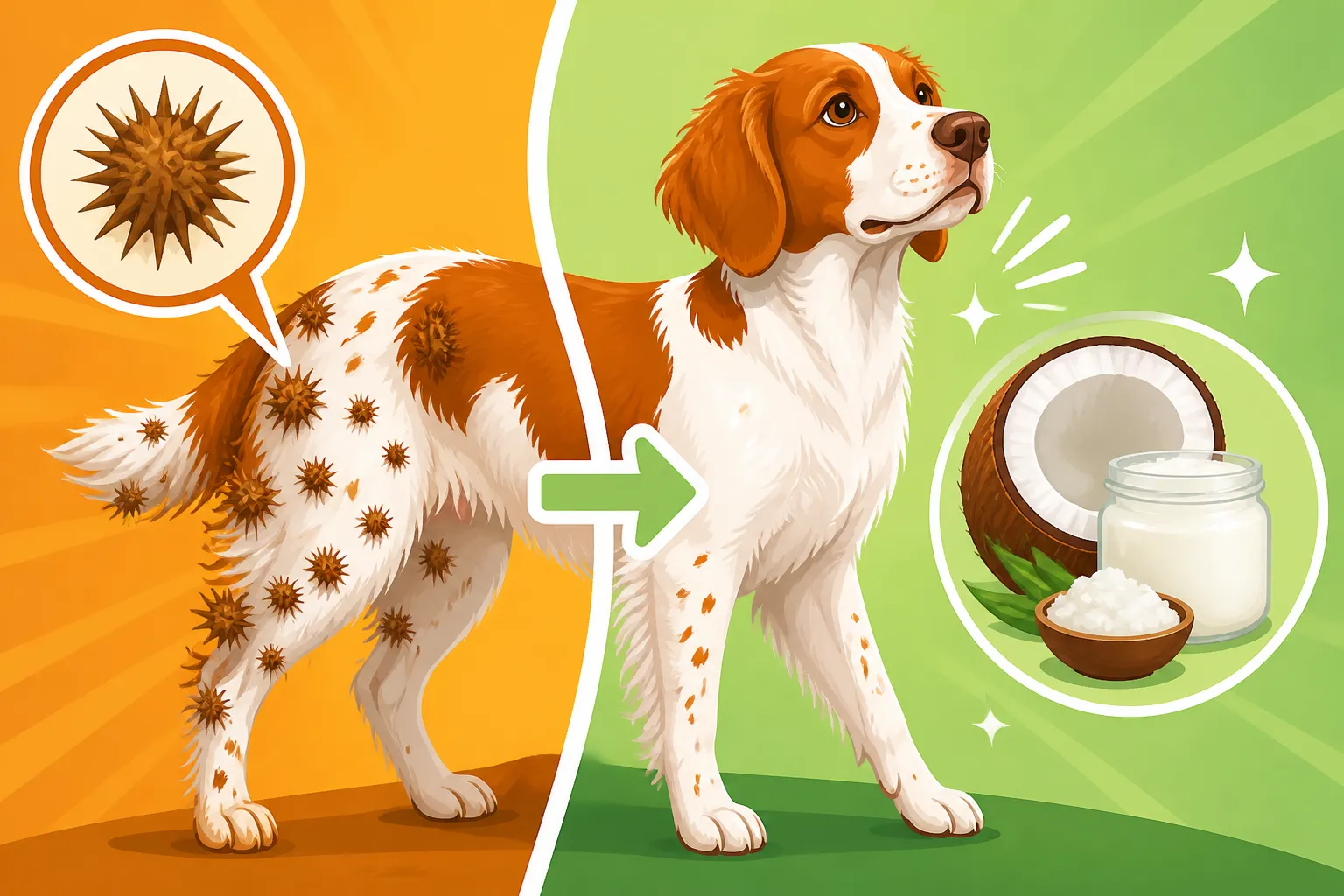
Oh, the dreaded burr season! If you own a Brittany Spaniel, you know the absolute horror of coming home from a fantastic hunt or even just a brisk walk through a slightly overgrown field, only to discover your beautiful dog has become a walking, wagging burr magnet. It’s a frustrating, often painful, and incredibly time-consuming ordeal for both you and your furry companion. This guide is all about tackling that common nightmare, specifically diving into whether a humble household staple, coconut oil, can actually be a secret weapon in getting those tenacious little hitchhikers to slide right off your Brittany's glorious coat.
The Inevitable Burr Infestation: A Brittany Owner's Bane
Let's be honest, few things deflate the post-hunt high faster than realizing your Brittany's stunning feathering is now a matted, prickly mess of burrs. It’s not just a minor inconvenience; it can be a genuine battle. Our Brittanys, with their energetic drive and fearless plunging into cover, are practically custom-designed to collect every seed pod, cocklebur, and sticker that nature throws their way. Their beautiful, moderately long coats and abundant feathering, while gorgeous, are also highly efficient burr traps, particularly after a long day in the field where they might be A Brittany's Coat Is Low Maintenance Until It Hits Cover.
The Anatomy of a Brittany's Burr Problem
When we talk about burrs on a Brittany, we're not just talking about a few stragglers. We're talking about entire patches, often so dense they form a solid, impenetrable armor around your dog's legs, belly, and especially those magnificent ears. The feathering on their legs and ears is particularly vulnerable because it's long, fine, and tends to sweep through tall grasses and brush with every bounding step. These areas are also where burrs can become most tightly woven into the fur, creating painful snags and mats that pull at the skin.
Consider a typical scenario: you're out pheasant hunting, and your Brittany is quartering perfectly, nose to the ground, then suddenly locks up on point in a patch of thick cattails. They push through the dense vegetation, retrieve the bird, and come trotting back, proud as can be. But when they shake themselves, instead of a pristine coat, you see a flurry of burrs flying off, and a whole lot more still stubbornly clinging. It's a testament to their dedication to the hunt, but a headache for you. Even short walks in areas with burdock or stick-tights can result in a surprising amount of plant debris, highlighting the constant vigilance required for What to Do With a Brittany After Every Hunt.
Beyond the Annoyance: Potential Dangers of Untreated Burrs
It's tempting to just sigh and put off the grooming session, but leaving burrs in a Brittany's coat can lead to more serious issues than just a tangled mess. Burrs, especially the spiny ones, can irritate the skin, causing redness, itching, and even open sores if the dog tries to chew or scratch them out. If left long enough, they will inevitably pull the surrounding fur into tight, painful mats that restrict movement and can hide skin infections. Think about how those little stickers feel to you when they get on your clothes; now imagine them constantly pulling at your skin with every movement.
Beyond the skin, burrs can migrate. They can work their way into ears, causing irritation or infection. They can get stuck between paw pads, making walking uncomfortable or even painful, leading to limping. In rare cases, they can even get inhaled or ingested if the dog is frantically trying to groom them out, potentially causing internal problems. So, what starts as a mild nuisance can quickly escalate into a veterinary visit if not addressed promptly and effectively.
Understanding Coconut Oil and Its Properties for Canine Use
So, here's where coconut oil enters the conversation. Many dog owners swear by it for everything from digestive health to shiny coats, but can it really help with burrs? Let's break down what makes coconut oil a potential contender for this specific grooming challenge.
Coconut oil is a natural product derived from the meat of mature coconuts. It's rich in medium-chain triglycerides (MCTs), particularly lauric acid, which are known for their moisturizing and emollient properties. These fatty acids give it a unique texture and make it solid at room temperature but melt easily with body heat.
How Coconut Oil Works (Theoretically) on Hair
The theory behind using coconut oil for burrs revolves around its lubricating and conditioning capabilities. Imagine a burr with its tiny hooks firmly embedded in the individual strands of your Brittany's hair. When coconut oil is applied, it coats those hair shafts, making them incredibly slippery. This slipperiness reduces the friction between the hair and the burr, allowing the burr's hooks to release their grip more easily.
Furthermore, coconut oil can help to soften and moisturize the hair, which can make it more pliable and less prone to breakage during the removal process. This is particularly beneficial for the delicate The Feathering on a Brittany's Legs and Ears, where aggressive pulling can cause damage. It essentially creates a smoother, less resistant surface for the burr to slide off of, rather than being stubbornly tangled within.
Different Forms of Coconut Oil for Canine Use
When choosing coconut oil, you'll find a few varieties, and it's good to know the difference:
- Virgin (or Unrefined) Coconut Oil: This is minimally processed and retains its natural coconut scent and flavor. It's generally considered higher quality and often preferred for internal consumption due to its nutrient content. For topical use, it's also a great choice. You can find excellent quality virgin coconut oil on sites like Amazon or Chewy.
- Refined Coconut Oil: This version has been processed to remove the coconut scent and flavor, making it more neutral. It often has a higher smoke point, which isn't relevant for burr removal, but it's still effective as a lubricant.
- Fractionated Coconut Oil: This is a liquid form where long-chain fatty acids have been removed. It stays liquid at room temperature and is often used as a carrier oil in essential oil blends. While it’s less greasy than solid coconut oil, its lubricating properties might be slightly different. For burr removal, the solid, more viscous virgin or refined oil often provides better coating.
For burr removal, any food-grade coconut oil will likely work, but many owners gravitate towards virgin coconut oil for its natural properties and peace of mind should their dog lick some off during the process.
Applying Coconut Oil for Burr Removal: A Step-by-Step Guide
Alright, you've got your Brittany, you've got your burrs, and you've got your coconut oil. Now what? Let's walk through the process to make it as smooth and stress-free as possible. Remember, patience is key here, for both you and your dog.
Preparation: What You Need Before You Start
Before you even think about slathering on the oil, gather your tools. This isn't a job you want to start and then realize you're missing something crucial.
- Coconut Oil: Your chosen virgin or refined coconut oil.
- Comb/Brush: A good quality metal comb with varying tooth spacing is ideal. A slicker brush can help for general detangling before and after, but a comb will be your primary weapon against the burrs.
- Towel: Essential for protecting your floor, your clothes, and wiping excess oil from your hands and your dog.
- Tweezers/Forceps (Optional): For very stubborn or small, deeply embedded burrs.
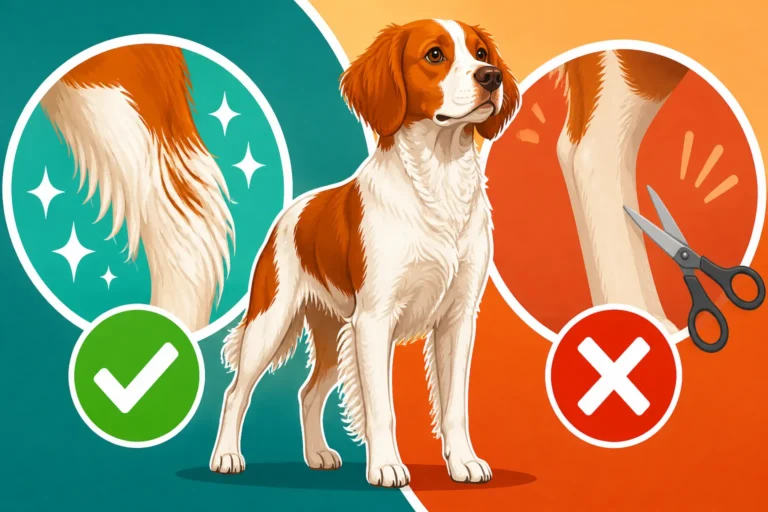
- Scissors (Blunt-nosed): ONLY for last-resort, tightly matted situations, and used with extreme caution to avoid nicking the skin. Sometimes trimming Whether Trimming a Brittany's Feathering Helps in Burrs can prevent burrs, but for existing ones, cutting is a last resort.
- Treats: Lots of them! This is a bonding experience (even if it doesn't feel like it), and positive reinforcement goes a long way.
- Good Lighting: You need to see what you're doing.
- Gloves (Optional): If you don't like getting oily hands.
Set up in a comfortable, well-lit area where your Brittany can be relaxed. For smaller infestations, simply having them lie down might work. For larger jobs, you might need them on a grooming table or elevated surface.
The Application Process: How to Apply, How Much, Where
The goal is to coat the burrs and the surrounding hair thoroughly without drowning your dog in oil.
- Start Small: Take a small amount of solid coconut oil in your hands and let your body heat melt it slightly. It doesn't need to be fully liquid.
- Target the Burrs: Gently work the melted oil directly onto the burrs and the fur immediately surrounding them. Don't just dab it; try to saturate the burr itself and the hair strands it's clinging to.
- Massage In: Use your fingers to gently massage the oil into the matted area. The idea is to get the oil to penetrate and coat as many individual hairs as possible, making them slippery.
- Be Generous, But Not Excessive: You need enough oil to do the job, but too much will just make a greasy mess that's harder to clean up later. Focus on the burr and the hair directly affected. For particularly dense patches, you might need to apply a bit more.
- Work in Sections: If your Brittany is heavily burred, tackle one section at a time. This makes the task less overwhelming for both of you. Pay special attention to areas like their "armpits," groin, and behind the ears where burrs love to hide and cause discomfort. You can also consult guides on How to Get Burrs Out of a Brittany's Coat for additional tips.
The Removal Technique: Gentle Methods, Tools, and Patience
Once the oil is applied, give it a few minutes to really work its magic and penetrate the fur. This isn't an instant fix, but the lubrication will significantly help.
- Fingers First: Start by gently trying to pull apart the burr from the hair with your fingers. Often, with enough oil, you can start to loosen the larger burrs and break them into smaller pieces.
- Use Your Comb: Take your metal comb, starting from the outer edge of the burr cluster, and try to comb the burr away from the skin, working outward. Use very short, gentle strokes, applying slight pressure just past the burr. If you hit resistance, don't yank! Reapply more oil and try to loosen the burr with your fingers first. It might be helpful to hold the fur at the base of the skin to prevent pulling too hard.
- Small Burrs and Stickers: For tiny burrs or stick-tights that are more spread out, a liberal application of coconut oil and then a thorough brushing with a slicker brush can often dislodge them effectively.
- Extremely Matted Areas: If a burr has created a solid, impenetrable mat, and you've tried everything else, you might need to carefully cut it out. Use blunt-nosed scissors, always pointing the tips away from the skin. Get a finger or comb between the mat and the skin as a guard. This should be a last resort, as it can leave bald spots and an uneven coat.
- Patience and Breaks: This process can take a while, especially after a long day in heavy cover. Your Brittany might get restless. Take breaks, offer treats, and praise them for their cooperation. Remember, this is about comfort and care.
Post-Removal Care: Cleaning Up and Checking for Irritation
Once all the visible burrs are gone, your job isn't quite finished.
- Wipe Down: Use a clean towel to gently wipe off any excess coconut oil from your Brittany's coat. While coconut oil is good for skin and coat, you don't want them to be overly greasy.
- Brush Through: Give your dog a good, thorough brushing to ensure no tiny fragments of burrs remain and to help distribute the remaining oil for a nice shine. This also helps you check for any missed spots.
- Inspect the Skin: Carefully examine the skin under where the burrs were. Look for any redness, scratches, or irritation. If you find any, a gentle wash with a mild, dog-safe shampoo might be helpful, followed by a soothing balm if needed. Many owners find themselves checking their dog's coat and skin after every outing, which is why topics like How Often a Brittany Needs Brushing and How to Check a Brittany Between the Toes are so vital.
- Consider a Bath: If your dog is particularly greasy or has been through really muddy, burr-laden cover, a full bath with a good quality dog shampoo might be in order. Which Shampoo Suits a Brittany After a Hunt is a great resource for this.
Realistic Expectations and Potential Drawbacks
While coconut oil can be a fantastic aid, it's not a magic bullet that makes all burrs instantly vanish. It's important to approach its use with realistic expectations.
When Coconut Oil Shines (and When It Doesn't)
Coconut oil is most effective on burrs that are freshly acquired and not yet deeply matted into the coat. It excels at:
- Loosening surface burrs: Those sticky seeds that cling to the outer layer of the coat.
- Aiding in the removal of smaller, less aggressive burrs: Think stick-tights or smaller thistle heads.
- Preventing breakage: By lubricating the hair, it minimizes damage during the combing process.
- Adding shine and conditioning: As a bonus, your Brittany's coat will likely feel softer and look shinier afterwards!
However, coconut oil might be less effective or require more effort for:
- Deeply embedded cockleburs: These have very strong hooks and often require more brute force or careful cutting, even with lubrication.
- Massive, tight mats: If the burrs have formed a solid, dense mat, the oil might struggle to penetrate the entire mass, and you might still need to resort to careful cutting. This is where you might truly appreciate advice on How Long Burr Removal Takes on a Brittany.
- Certain types of burrs: Some burrs are simply more tenacious than others due to their shape and hook structure.
Here's a quick comparison of various burr removal aids:
| Removal Aid | Pros | Cons | Best For |
|---|---|---|---|
| Coconut Oil | Natural, lubricating, conditioning, safe if ingested | Can be greasy, might not fully remove dense mats | Fresh, superficial burrs; gentle detangling |
| Detangling Spray | Quick application, less greasy, often scented | May contain chemicals, less conditioning | Mild burrs, everyday tangles |
| Pet Conditioner | Designed for hair, good for mat prevention | Requires rinsing, more involved process | Prevention of tangles; post-burr bathing |
| Blunt-Nosed Scissors | Effective for cutting out dense mats | Risks nicking skin, leaves bald spots | Last resort for severe, matted burrs |
| Fingers & Comb | Most direct, precise, no chemicals | Time-consuming, requires patience | All burr types, with patience and technique |
Considerations and Cautions
While generally safe, there are a few things to keep in mind when using coconut oil on your Brittany:
- Greasy Mess: It's oil, so it will be greasy. Protect your furniture and floor with towels. Be prepared for your dog to be a bit slippery and shiny for a while, especially if they are not bathed immediately afterward.
- Ingestion: If your dog licks a lot of it off, it can potentially cause an upset stomach or diarrhea, especially in large quantities. While coconut oil has some purported health benefits when ingested in moderation, excessive amounts can be too rich. Supervise your dog and wipe off excess oil.
- Skin Sensitivity: While rare, some dogs might have a mild sensitivity to coconut oil. If you notice any redness, itching, or hives after application, discontinue use.
- Slippery Paws: If you apply it heavily to their paws, they might be a bit slippery on hard floors.
Alternative and Complementary Strategies for Burr Management
While coconut oil is a useful tool, it's part of a larger strategy for managing burrs and keeping your Brittany's coat in top condition.
Proactive Measures: Grooming and Protective Gear
The best offense is a good defense when it comes to burrs.
- Regular Brushing: A well-maintained coat with regular brushing is less likely to trap burrs as tightly. How Often a Brittany Needs Brushing is a good guideline. Brushing helps remove loose undercoat and keeps the guard hairs smooth, making it harder for burrs to latch on.
- Pre-Hunt Conditioning Spray: Some owners use a light coat of silicone-based detangling spray (available at pet stores or online, often through retailers like Chewy or Amazon) before heading into the field. These sprays can create a slick surface on the hair, making it harder for burrs to adhere.
- Protective Vests/Sleeves: For Brittanys that spend a lot of time in dense cover, protective vests or leg sleeves can save a lot of grief. These cover the most vulnerable areas like the chest, belly, and legs, physically blocking burrs from reaching the fur. While they don't cover everything, they can significantly reduce the burr load.
- Trimming Feathering: While a Brittany's feathering is part of their charm, some owners choose to trim the long hair on their legs, belly, and ears, especially during hunting season. Shorter hair provides fewer attachment points for burrs. This is a personal choice, and you can explore Whether Trimming a Brittany's Feathering Helps in Burrs for more insights.
Other Removal Aids
Beyond coconut oil, there are other products that can assist in burr removal:
- Detangling Sprays: Specifically formulated for dog coats, these sprays often contain silicone or other slippery agents that help loosen tangles and burrs. They can be a less greasy alternative to coconut oil.
- Leave-in Conditioners: A good quality leave-in conditioner designed for dogs can also help to lubricate the coat and make burrs easier to comb out.
- Cornstarch: For very small, dusty burrs or general tangles, a sprinkle of cornstarch can sometimes help to dry out the burr and make it easier to brush out. It's less about lubrication and more about creating slip through dryness.
Ultimately, while the image of your Brittany covered in burrs is enough to make any owner cringe, a combination of proactive care and effective, gentle removal techniques – with coconut oil potentially playing a starring role – can make the experience far less daunting. Your Brittany trusts you to take care of them, and with a little patience and the right tools, you can ensure they stay comfortable and ready for their next adventure, burr-free!
Disclaimer
This article is for general informational purposes only and does not constitute professional advice. Laws, prices and regulations vary by location and change over time. Consult a qualified professional for guidance on your specific situation.