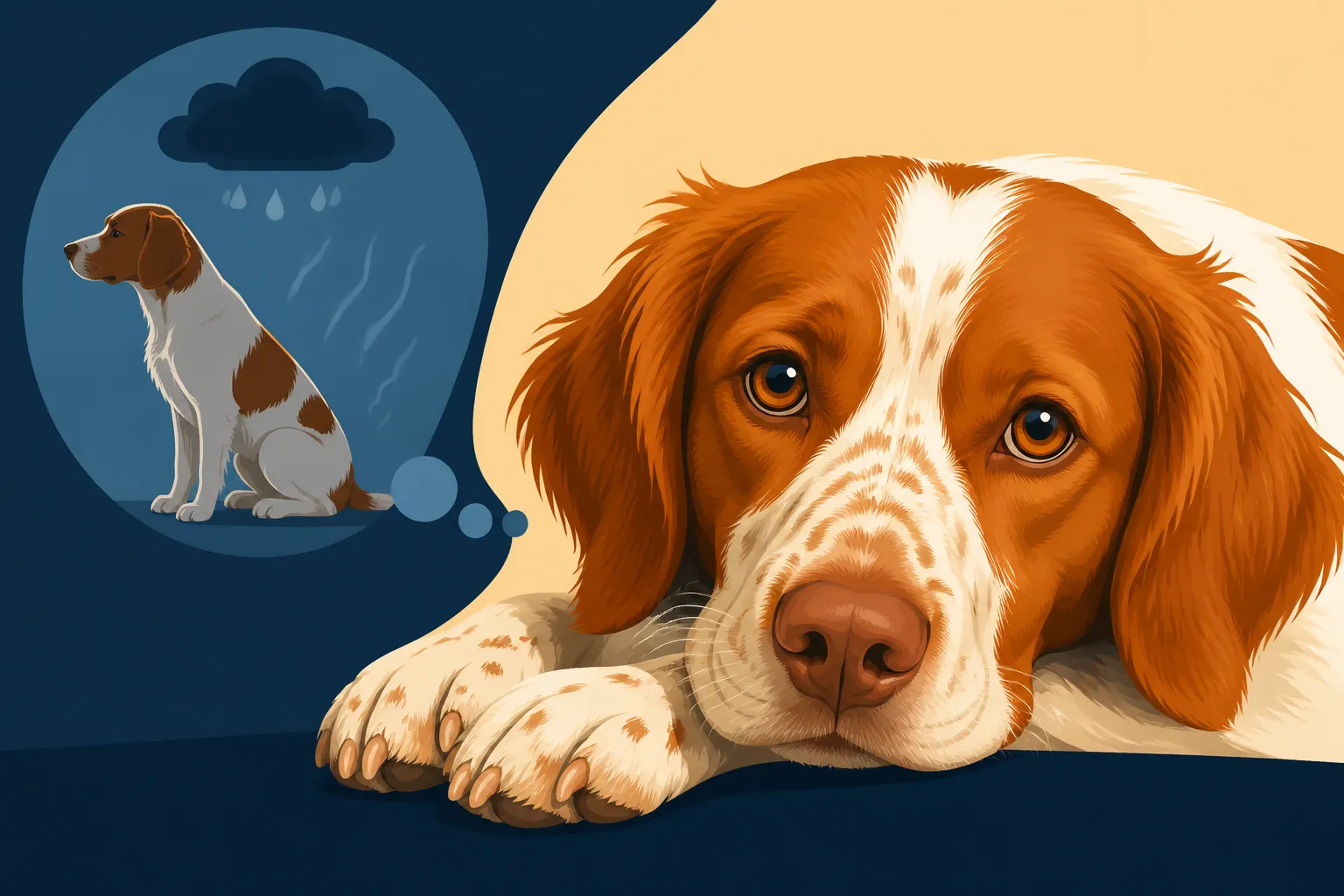
How a Brittany Hides Pain
It’s a heartbreaking reality for many of us who share our lives with a Brittany Spaniel: they are incredibly stoic dogs, often hiding their pain until an issue becomes severe. This natural instinct, honed over generations of working in the field, makes it incredibly challenging for even the most observant owner to spot discomfort early. This guide will delve deep into why Brittanys are so adept at concealing pain and, more importantly, equip you with the knowledge and tools to recognize the subtle, often overlooked signs that your beloved companion might be suffering in silence.
Why Brittanys Are Masters of Hiding Discomfort
Brittanys, as proud members of the sporting group, were bred for incredible endurance, unwavering focus, and a relentless drive to hunt. These very traits, while invaluable in the field, unfortunately contribute to their impressive ability to mask pain. Their instinct tells them to push through, to not show weakness, and to continue their job, regardless of how they truly feel.
The Hunter's Stoicism and High Pain Threshold
Imagine a Brittany quartering a field, nose to the ground, entirely consumed by the scent of a pheasant. In that moment, a small thorn in their paw, a stiff joint, or even a minor muscle strain might register, but their genetic programming overrides the sensation. They’re driven by purpose, and showing vulnerability could be seen as a disadvantage in a wild environment. This isn't to say they don't feel pain, but rather that their threshold for exhibiting it is remarkably high.
This stoicism is a double-edged sword for owners. On one hand, it means your Brittany is less likely to complain about minor aches and pains, which can be convenient for a dog that’s always on the go. On the other hand, it means you often don't get the obvious signals – a yelp, a limp, or a refusal to move – until a problem has progressed significantly. Many owners describe their Brittanys as being "tough" or "hard," but it's more accurate to say they are incredibly resilient and internally driven. It’s vital to remember that just because they aren’t yelping doesn't mean they aren't hurting. They learn to adapt their movements and behavior subtly, making keen observation an owner's most crucial tool.
Genetic Predisposition to Keep Moving
The Brittany breed’s history is steeped in continuous movement. They are active dogs, bred to cover vast amounts of ground. Whether they are an American Brittany ranging wide or a French Brittany hunting closer, their bodies are designed for sustained activity. This inherent need to be on the move means they will often try to "work through" discomfort. A slight limp might quickly disappear as they warm up, only to return when they cool down, or they might adjust their gait in such a way that it's barely perceptible to an untrained eye.
This sustained activity also means they are prone to certain types of injuries and wear and tear. It's not uncommon for a working Brittany to wear its joints out over time, and they'll likely try to keep going even as age and activity start to take their toll. This relentless drive makes it incredibly important for owners to monitor their Brittanys for subtle changes. Knowing your dog's normal patterns and movements is key. A Brittany that normally explodes out of its crate might just step out a little slower, or a dog that usually leaps onto the couch might hesitate for a split second. These are the nuances we need to pay attention to.
Unmasking the Silent Sufferer: Subtle Signs of Pain
Because Brittanys are so good at hiding pain, we, as their human companions, need to become detectives, looking for clues that might seem insignificant at first glance. These signs are rarely dramatic and often involve changes in routine or subtle shifts in their usual demeanor.
Behavioral Shifts and Changes in Routine
One of the most telling indicators of pain in a Brittany isn't a physical sign at all, but a change in their personality or daily habits. If your normally effervescent Brittany suddenly seems a little more reserved, less enthusiastic about playtime, or skips a favorite activity, it's a red flag. Perhaps they're usually the first one at the door when you grab the leash, but now they lag a bit. Or maybe they used to greet you with a full-body wiggle, and now it's a more subdued tail wag.
Look for a decrease in their overall energy or enthusiasm. A Brittany that is usually game for anything might start to say "no" more often, not necessarily by barking, but by simply choosing to lie down instead of fetching the ball. Some Brittanys might become more irritable, snapping or growling when touched in certain areas, even if they've never done so before. Conversely, some might become clingier, seeking more comfort or reassurance. A change in appetite, even a slight one, can also signal discomfort, as can changes in sleeping patterns, like restlessness or difficulty finding a comfortable position. If your Brittany suddenly seems like a different dog, pain should be high on your list of suspects.
Physical Indicators and Movement Anomalies
While Brittanys can hide obvious limping, there are often very subtle physical signs or changes in their movement that can hint at pain. These require careful observation, often when your dog is relaxed or performing everyday actions. Look at their posture: are they hunched, or carrying their weight differently? Is one leg slightly turned out or in compared to the other? Are they hesitant to jump into the car or onto the bed, or do they struggle to get up from a lying position? These small adjustments can indicate joint pain or muscle stiffness.
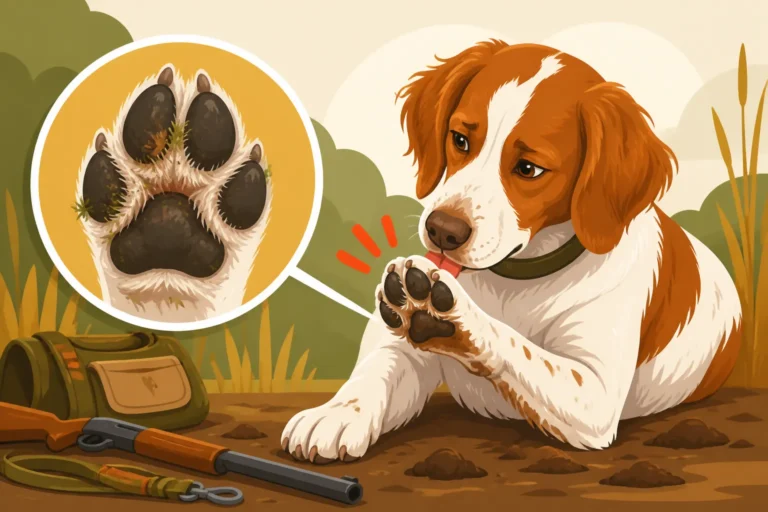
Pay close attention to grooming habits. Excessive licking, chewing, or gnawing at a particular spot on their body, even if there's no visible injury, can point to localized pain, discomfort, or an itch that needs attention. It might be a joint, a paw pad that’s developing a crack, or an area of skin irritation. I remember one of my Brittanys started licking his paw obsessively, and it turned out to be a tiny foxtail lodged deep between his toes, something that would have been excruciating to walk on. You might also notice stiffness, especially after resting. They might stand up slowly, stretch excessively, or seem to "warm up" out of a stiff gait. Changes in stride, a shorter stride on one leg, or a general reluctance to put full weight on a limb are all important clues. Signs a Brittany's Hips Hurt or The Age a Brittany Gets Arthritis are common issues that can manifest in these subtle ways.
Vocalizations and Facial Expressions
While Brittanys aren't typically "complainers," some subtle vocalizations can indicate pain. A soft whimper during certain movements, a sigh when settling down, or even increased panting when not exerting themselves could be a sign. Some dogs might groan when they lie down or get up. It's often the context of the vocalization that matters – if it only happens during specific actions, it's worth investigating.
Their facial expressions can also give away clues if you know what to look for. Squinting, avoiding eye contact, dilated pupils, or a tense jaw can all be indicators of discomfort. Some dogs might have "sad eyes" or a generally worried expression. Their ears might be held differently – perhaps flattened more often, especially if the pain is in their head or neck area, or even if they have an ear infection. A dog in pain often carries tension in its face and body that, once you learn to recognize it, becomes quite clear.
How to Observe and Assess Your Brittany for Pain
Becoming proficient at detecting pain in your Brittany requires a methodical approach and a deep understanding of your dog's normal baseline. It's about proactive observation rather than waiting for obvious signs.
The Importance of a Daily "Health Check"
Think of this as your personal detective routine for your Brittany. Every day, especially after exercise or a hunt, take a few moments to thoroughly examine your dog. This isn't just a quick pat; it's a deliberate, hands-on check-up. Start at their head and work your way down. Gently feel their ears for heat, swelling, or tenderness. Are they clean? Is there any discharge? Remember, Why a Brittany Gets Ear Infections is a common concern. Open their mouth and check their teeth and gums. Are there any broken teeth, redness, or unusual odors? What a Brittany's Dental Costs can be substantial if issues are ignored.
Run your hands over their entire body, feeling for lumps, bumps, hot spots, or areas of tenderness. Pay special attention to their joints – shoulders, elbows, hips, and knees. Flex and extend each leg gently, noting any stiffness, reluctance, or discomfort. Check between their toes and paw pads for thorns, cuts, cracks, or excessive wear. How to Treat a Brittany's Torn Pad is crucial knowledge for any active owner. Don't forget their tail – sometimes pain in the lower back or hips can manifest as tail stiffness or a reluctance to wag. By doing this daily, you’ll quickly learn what’s "normal" for your dog, making any deviation stand out immediately.
Observing Movement and Gait
Watching your Brittany move is another critical component of pain detection. Don't just watch them run when they're excited; observe them walking, trotting, getting up from rest, and navigating stairs. Can they move easily in all directions? Do they favor one side? A great way to do this is to film them with your phone from different angles – a slow-motion video can reveal subtle shifts in gait that are invisible to the naked eye.
Look for symmetry in their movement. Are their hips and shoulders moving evenly? Does one leg swing wider or take a shorter stride? Are they reaching as far forward with one leg as the other? Watch them from behind: does their tail sway evenly, or is it held to one side? Do their paw prints track in a straight line? Even a slight stiffness, a hesitation before jumping, or a preference for taking a wider turn can be a sign. It’s a good idea to know How Often a Brittany's Pads Should Be Checked as these hard-working feet can take a beating.
When to Seek Veterinary Advice
If you notice any persistent changes in behavior, movement, or physical condition, don't hesitate to contact your veterinarian. It’s always better to be safe than sorry, especially with a breed so good at masking their pain. Be prepared to describe exactly what you've observed, when it started, and any factors that seem to make it better or worse. Your vet may recommend a thorough physical examination, radiographs (X-rays) to check joints, or blood tests to look for inflammation or other underlying issues.
Sometimes, a diagnostic procedure like an MRI might be needed if the pain source isn't obvious. This can be costly, but resources like pet insurance, such as Healthy Paws, can be incredibly helpful in managing unexpected veterinary expenses, ensuring you can provide your Brittany with the best possible care without undue financial stress. Early diagnosis and intervention are key to managing pain effectively and improving your Brittany's quality of life.
Common Conditions Where Brittanys Conceal Pain
Brittanys are prone to certain health issues that can cause chronic or acute pain, and their inherent toughness means they will often try to endure these conditions without complaint. Knowing what to look for in relation to these specific problems can give you a significant advantage.
Joint Issues: Arthritis, Hip, and Elbow Dysplasia
Joint problems are unfortunately quite common in active breeds like the Brittany, especially as they age. Conditions like arthritis can develop slowly, leading to chronic pain that your dog will adapt to rather than overtly show. You might see a Brittany with arthritis becoming less willing to retrieve, slowing down on walks, or having more difficulty with stairs. They might hesitate before jumping into the truck or onto the couch. Whether a Working Brittany Wears Its Joints Out is a real concern, and it often leads to these kinds of age-related joint changes.
Hip and elbow dysplasia, while often screened for by responsible breeders, can still occur and cause significant discomfort. A dog with hip dysplasia might bunny hop when running, have difficulty standing up, or show muscle loss in their hindquarters. Elbow dysplasia can cause a subtle lameness in the front legs. Often, the signs are minimal at first – perhaps just a slight stiffness in the morning that "works out" during the day. This is where your daily observations become invaluable, helping you catch these issues before they severely impact your Brittany's mobility and quality of life. Regular check-ups with your vet can help identify these conditions, and discussions about pain management, including supplements or medications, can begin early. Insurance providers like Healthy Paws can often cover a portion of these long-term treatment costs.
Ear Infections and Dental Pain
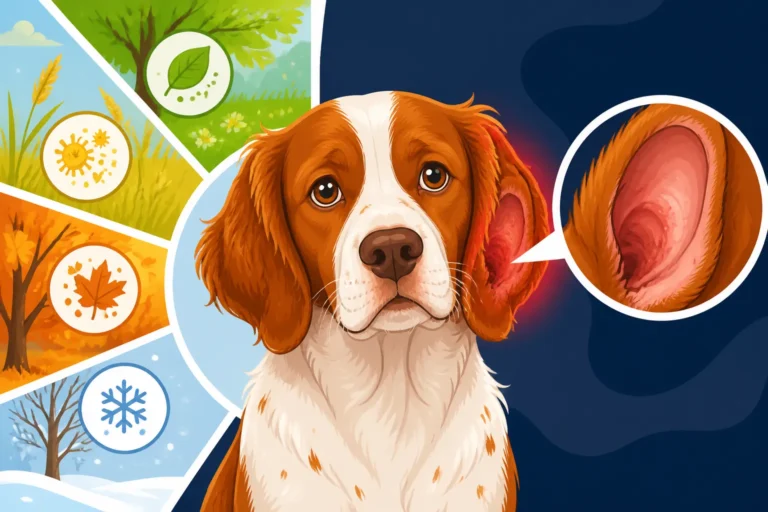
It might seem less severe than joint pain, but chronic ear infections or dental pain can be incredibly uncomfortable for a Brittany. Their characteristic drop ears can trap moisture and debris, creating a perfect breeding ground for bacteria and yeast. A Brittany with an ear infection might shake its head more often, scratch at its ear, or rub its ear on furniture. However, some dogs will just become a little withdrawn, or you might notice a subtle odor or discharge if you're checking their ears regularly. Signs a Brittany's Ear Is Infected can be subtle.
Similarly, dental pain from fractured teeth, gum disease, or abscesses can be excruciating, but many dogs will continue to eat, simply chewing on the less painful side of their mouth. You might notice them favoring softer foods, dropping kibble, or having bad breath. Periodontal disease is rampant in dogs, and often the pain builds slowly. Regular dental care, including brushing at home and professional cleanings, can prevent these painful conditions. If you suspect an issue, a vet visit is essential, as ignoring dental pain can lead to more serious health problems.
Field Injuries and Internal Ailments
Brittanys are prone to various injuries in the field, from torn paw pads and lacerations to muscle strains and sprains. While an obvious gash might be clear, a deeper muscle strain or ligament sprain might only manifest as a slight change in gait or a reluctance to put full weight on a limb. They might try to "walk it off" rather than show pain. The Injuries a Brittany Picks Up in the Field are diverse, and many can be silently endured.
Beyond external injuries, internal pain from conditions like pancreatitis, bloat (though less common in Brittanys than deep-chested breeds, it's always a concern for active dogs), or even early-stage organ disease can be incredibly hard to detect. Signs might be as vague as a loss of appetite, lethargy, or a change in bowel habits. Since Brittanys are so attuned to their human partners, sometimes the earliest sign is simply that "something feels off" about them. Trust your gut instinct. If you have a nagging feeling that your Brittany isn't quite right, even without obvious symptoms, it's worth a call to your vet. Having a plan, and potentially pet insurance like Healthy Paws, for such emergencies can provide peace of mind.
Here's a table summarizing common subtle pain indicators:
| Category | Subtle Signs | Potential Underlying Issue |
|---|---|---|
| Behavioral | Reduced enthusiasm for favorite activities (walks, fetch), increased irritability/snapping, clinginess, restlessness at night, changes in appetite or thirst, hiding, reluctance to play with other dogs. | Joint pain (arthritis), dental pain, internal discomfort, ear infection, spinal issues, anxiety. |
| Movement | Hesitation to jump or use stairs, slower to rise after rest, bunny hopping, shifting weight when standing, shorter stride on one leg, altered gait (e.g., favoring front or hind), difficulty holding point for long periods, less fluid movement after initial warm-up. | Hip dysplasia, elbow dysplasia, arthritis, muscle strains, ligament tears, back pain, Cruciate Tears in a Brittany. |
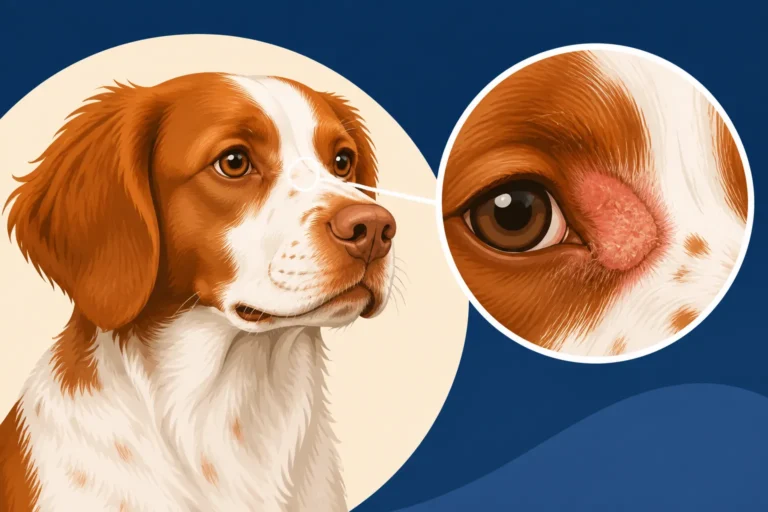
| Physical | Excessive licking/chewing a specific area (paws, joints, flank), change in posture (hunched, stiff back), dilated pupils, panting when not hot or exercising, tremors, muscle twitching, unusual vocalizations (soft whimpers, groans when moving), holding ears differently, facial tension, dull eyes. | Localized pain (thorn, cut), joint pain, internal discomfort, ear infection, dental pain, skin irritation, neurological issues, What Discoid Lupus Does to a Brittany's Nose. |
| Grooming/Care | Resistance to being touched or groomed in certain areas, flinching when brushed, unwillingness to have nails trimmed (due to paw sensitivity), decreased self-grooming. | Joint pain, skin sensitivity, external injuries (cuts, scrapes), ear pain. |
Ultimately, being an attentive Brittany owner means constantly learning their unique language of subtle cues. Their incredible drive and stoicism are part of what makes them such wonderful companions and hunting partners, but it also places a greater responsibility on us to be vigilant. By understanding why they hide pain and knowing what signs to look for, you can ensure your loyal Brittany lives as comfortably and happily as possible for all The Twelve to Fourteen Years a Brittany Gets.
Disclaimer
This article is for general informational purposes only and does not constitute professional advice. Laws, prices and regulations vary by location and change over time. Consult a qualified professional for guidance on your specific situation.