Whether a Brittany Needs a Yearly Eye Exam
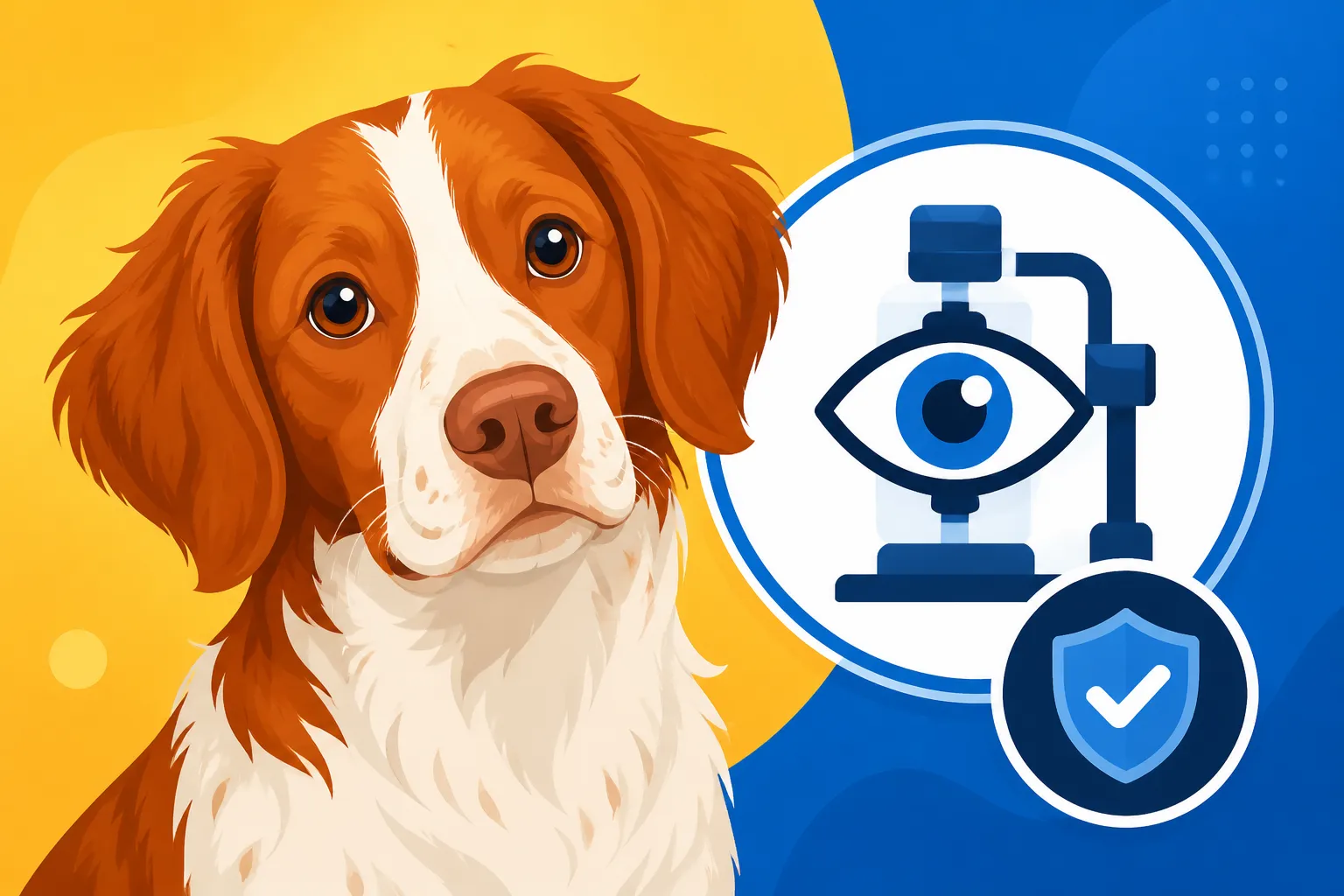
That anxious feeling when you're flipping through your calendar, seeing another vet appointment looming, is all too familiar for Brittany owners. You might be wondering, "Do we really need another check-up, especially if my energetic, bird-crazy Brittany seems perfectly fine?" It’s easy to dismiss a yearly eye exam when your dog is still retrieving like a champ, but ignoring these routine checks can mean missing subtle signs of serious issues. This comprehensive guide will walk you through why a yearly eye exam isn't just a suggestion but a critical part of maintaining your Brittany’s health and happiness, helping you understand what's involved and what to look out for.
Why Routine Eye Exams Are Crucial for Brittanys
As loving Brittany owners, we often focus on their boundless energy, their keen noses, and their expressive personalities. But their eyes, those beautiful, intelligent windows to their soul and, more importantly, to the birds they so expertly point, are often overlooked until a problem becomes glaringly obvious. Regular eye exams aren't about finding something wrong; they're about preventing future heartbreak and ensuring your loyal companion maintains their excellent vision throughout their active life.
Catching Issues Early Can Prevent Blindness
It's a common misconception that if a dog isn't bumping into furniture, their vision must be perfect. However, many significant eye conditions, especially those with a genetic component, progress slowly and painlessly in their early stages. Your Brittany, being the stoic and eager-to-please companion they are, might instinctively hide discomfort or adapt to diminishing vision, making it incredibly hard for you to notice anything is amiss. A professional eye exam can detect these subtle changes long before they impact your dog's quality of life or lead to irreversible damage. Think about Retinal Dysplasia in a Brittany Spaniel, a condition that can be present from a young age but might not cause obvious visual impairment until it's quite advanced. Early detection allows for management strategies, even if it's just monitoring, to ensure you're prepared and can make informed decisions with your veterinarian.
Establishing a Baseline for Lifelong Eye Health
Every dog is unique, and so are their eyes. What's considered normal for one Brittany might be an early warning sign for another. Establishing a baseline with regular yearly eye exams, starting from puppyhood, gives your veterinarian a comprehensive history of your dog's ocular health. This record becomes invaluable as your Brittany ages. If you notice a sudden change – maybe they're squinting more than usual, or one eye looks a little cloudier – your vet can compare current findings to previous years' healthy baselines. This historical data helps them quickly identify deviations, determine if a condition is progressing, and recommend the most effective course of action. It's like having a detailed health report card for their eyes, helping to track their wellness over The Twelve to Fourteen Years a Brittany Gets.
Common Eye Conditions Brittanys Face
Brittanys, like many purebred dogs, can be predisposed to certain inherited eye conditions. While breeders work tirelessly to reduce the prevalence of these issues through careful screening, they can still appear. Beyond genetics, their active, outdoor lifestyle also puts them at risk for various acquired eye problems. Knowing what to look for can help you be a more proactive owner.
Inherited Eye Conditions: Retinal Dysplasia and Glaucoma
One of the more concerning genetic conditions is retinal dysplasia, which can range from minor folds in the retina to more severe, widespread detachment that significantly impairs vision. While not always progressive, knowing if your Brittany has it is crucial. Another serious concern is Glaucoma in a Brittany Spaniel, an often painful condition caused by increased pressure within the eye. It can be inherited or secondary to other eye diseases. Glaucoma is an emergency, and rapid diagnosis and treatment are essential to try and preserve vision. Early detection during routine exams, even before outward signs appear, can literally be a sight-saver. This is why a breeder should have a clear understanding of What a Brittany Spaniel Breeder Should Have Tested in their breeding stock to minimize these risks.
Age-Related Eye Changes: Cataracts and Nuclear Sclerosis
As our beloved Brittanys age, their eyes, much like ours, undergo natural changes. Cataracts in a Brittany Spaniel are a common age-related condition where the lens of the eye becomes cloudy, obstructing light and impairing vision. While not all cataracts lead to blindness, they can significantly impact an older Brittany's ability to navigate, especially in low light. Nuclear sclerosis, a bluish-gray haze in the center of the lens, is also common in senior dogs. Unlike cataracts, nuclear sclerosis doesn't typically affect vision much, but it can be mistaken for cataracts. A yearly eye exam is vital to differentiate between these conditions and determine if intervention, like cataract surgery, might be beneficial for your aging dog. Discussing these changes is part of Caring for a Brittany Past Ten.
Environmental and Injury-Related Issues: Corneal Ulcers and Foreign Bodies
Given their adventurous spirit and love for busting through dense cover, Brittanys are susceptible to eye injuries from their environment. A thorn, a stick, or even a piece of tenacious grass can cause a corneal ulcer – a scratch or abrasion on the surface of the eye. These are incredibly painful and can quickly become infected if not treated promptly. Similarly, tiny foreign bodies like dust, seeds, or even burrs can lodge in the eye, causing irritation, tearing, and potential damage. After a long day in the field, it's always wise to give your Brittany's eyes a quick once-over yourself, but a veterinary exam can reveal microscopic injuries you'd never spot, especially if your dog is pawing at their face or squinting.
| Eye Condition | Common Signs | Typical Onset Age | Treatment Options | Prognosis |
|---|---|---|---|---|
| Retinal Dysplasia | Variable, often asymptomatic; mild vision loss | Puppyhood | None (for folds), monitoring, vision support | Varies; can be stable or progress to blindness |
| Glaucoma | Pain, red eye, cloudy cornea, dilated pupil | Any age, often adult | Eye drops (to reduce pressure), surgery | Guarded; requires urgent care, can lead to blindness |
| Cataracts | Cloudy lens, difficulty seeing in low light | Senior | Surgical removal, vision aids | Good with surgery, otherwise progressive vision loss |
| Nuclear Sclerosis | Bluish-gray haze in pupil | Senior | None (normal aging change) | Excellent; usually minimal impact on vision |
| Corneal Ulcer | Squinting, tearing, pawing at eye, red eye | Any age | Antibiotic drops, pain medication, protective collar | Good with prompt treatment, can scar or rupture if severe |
| Eyelid Anomalies | Chronic irritation, tearing (entropion/ectropion) | Puppyhood/Young Adult | Surgical correction | Good with surgery |
What Happens During a Comprehensive Eye Exam
So, what exactly goes on during one of these yearly eye exams? It's much more than just a quick peek. Your veterinarian will perform a series of specialized tests designed to thoroughly evaluate every part of your Brittany's eyes, from their general appearance to the intricate structures within. Don't worry, most of these procedures are gentle and your dog won't even realize they're being "examined."
Initial Observations and Ocular History
The exam starts long before any instruments come out. Your vet will first observe your Brittany's general demeanor and eye symmetry. Are both eyes open equally? Is there any squinting, discharge, or redness? They'll ask you about any changes you've noticed at home – perhaps your dog seems to be bumping into things more, or their eyes appear cloudier. This is your chance to voice any concerns, however small they may seem. This initial information is crucial for guiding the rest of the exam, helping the vet to focus on specific areas of concern. This is also where discussions about general health, like What a Brittany's Yearly Bloodwork Should Cover, might come up, as systemic health can impact ocular health.
Specialized Diagnostic Tests
After the initial assessment, your vet will proceed with a battery of specific eye tests:
- Schirmer Tear Test: This measures tear production using small paper strips placed in the lower eyelid. It's essential for diagnosing "dry eye" (keratoconjunctivitis sicca), a common condition that causes chronic irritation and can lead to serious damage.
- Fluorescein Stain: A special orange dye is applied to the eye. If there's any abrasion or ulcer on the cornea, the dye will stick to it, glowing under a blue light, making even tiny scratches visible.
- Tonometry: This is where the internal pressure of the eye is measured, a critical step for detecting or monitoring glaucoma. A small, gentle probe briefly touches the surface of the eye, a process most dogs tolerate well.
- Ophthalmoscopy: Using a specialized light, your vet will examine the interior structures of the eye, including the retina, optic nerve, and lens, to look for cataracts, retinal damage, or other abnormalities. They might use dilating drops to get a better view, making the pupil larger temporarily.
These tests, while routine, provide an incredibly detailed picture of your Brittany's eye health, often catching problems long before they manifest as obvious symptoms. The typical cost of these specific tests can be part of What a Brittany's Yearly Eye Certification Costs if done as part of a breed-specific screening.
When a Specialist Referral Might Be Needed
Sometimes, during a routine exam, your general practice veterinarian might identify a complex condition that requires further investigation or specialized treatment. In these cases, they'll likely recommend a referral to a veterinary ophthalmologist – a vet who has completed extensive additional training specifically in eye diseases. These specialists have advanced diagnostic equipment and expertise to handle intricate surgeries or manage chronic conditions. Don't be alarmed if this happens; it simply means your vet is ensuring your Brittany receives the highest level of care for their specific needs. It's a testament to good veterinary practice.
Beyond the Vet's Office: Daily Eye Care for Your Brittany
While yearly professional exams are non-negotiable, your role in maintaining your Brittany's eye health extends to their daily life. Simple observations and routine care at home can make a significant difference, preventing minor irritations from escalating and keeping their eyes bright and clear.
Daily Visual Checks and Gentle Cleaning
Make it a habit to give your Brittany's eyes a quick once-over every day, especially after they've been romping outside or exploring new terrain. Look for signs like excessive tearing, redness in the whites of the eyes, cloudiness, discharge (clear is usually fine, but yellow, green, or thick discharge is a red flag), or any squinting or pawing at the face. If you notice any of these, it's time to call your vet.
For routine cleaning, if your Brittany tends to get a little gunk in the corners of their eyes, use a soft, damp cloth or a vet-approved eye wipe. Gently wipe away any debris, always moving away from the eye itself. Never use harsh soaps or human eye drops without veterinary guidance. The key is gentle, consistent care. This also ties into overall grooming and inspection after outdoor activities, much like How to Check a Brittany Between the Toes after a hunt.
Protecting Your Brittany's Eyes in the Field
Brittanys are working dogs, often plunging headfirst into dense brush and tall grasses. This puts their eyes at a higher risk of injury. While you can't completely eliminate the risk, you can certainly minimize it. Consider investing in protective eyewear for your Brittany if they regularly hunt in thick cover. Products like Rex Specs or Doggles are designed to shield their eyes from thorns, branches, and even UV rays. While some dogs take a while to adjust, many learn to tolerate them, understanding that they allow them to do what they love without discomfort. Also, be mindful of things like dust and strong winds, which can cause irritation. Carrying a small bottle of sterile saline solution (the kind for human contact lenses) can be useful for flushing out minor irritants immediately after a field session.
When to Seek Emergency Veterinary Attention for Your Brittany's Eyes
Knowing when an eye issue is a minor irritation versus a genuine emergency is critical. Delaying care for a serious eye problem can lead to permanent damage, vision loss, or even the loss of the eye itself. Always err on the side of caution when it comes to your Brittany's eyes.
Recognizing Urgent Symptoms
Several signs indicate that your Brittany's eye problem warrants immediate veterinary attention. These include:
- Sudden onset of pain: Squinting aggressively, holding the eye shut, rubbing or pawing at the eye constantly.
- Significant redness: The white part of the eye (sclera) appears intensely red, rather than a mild pink.
- Ocular discharge: Any thick, pus-like, yellow, or green discharge.
- Cloudiness or change in color: A sudden blue haze over the cornea, a cloudy or opaque appearance to the lens (sudden cataract), or a change in iris color.
- Bulging or sunken eye: One eye appears to protrude more or sink further into the socket than the other.
- Vision loss: Your dog is bumping into objects, seems disoriented, or struggles to find toys they usually retrieve easily.
- Unequal pupil sizes: If one pupil is much larger or smaller than the other.
- Injury: Any obvious wound, foreign object embedded in the eye, or bleeding.
If you observe any of these symptoms, call your vet or an emergency veterinary clinic right away. They can advise you on immediate steps and often tell you if you need to come in right away.
Preparing for an Emergency Visit
In a moment of panic, it's easy to forget crucial details. If you suspect an eye emergency, try to gather the following information before you call or head to the clinic:
- When did you first notice the symptoms? Be specific about the timeline.
- What exactly did you observe? Describe the discharge, redness, pain level, etc.
- Has your dog experienced any recent trauma or been exposed to anything unusual? (e.g., a thorny bush, a fight with another animal, chemicals).
- Is your dog on any medications, or do they have any underlying health conditions?
- Have you tried any home remedies? (Be honest, even if it was just flushing with water).
Having these details ready will help the veterinary staff quickly understand the situation and prepare for your arrival, potentially saving valuable time. Remember, with conditions like glaucoma, time is of the essence, and rapid treatment can make all the difference for your Brittany's vision.
Understanding the Cost and Value of Eye Care
The financial aspect of veterinary care is something all pet owners grapple with. While a yearly eye exam might seem like "just another vet bill," understanding its true value, especially for a breed like the Brittany, can help put the cost into perspective.
Breaking Down the Costs
The cost of a yearly eye exam can vary significantly based on your geographic location, the specific clinic, and whether specialized tests beyond a basic visual inspection are performed. A routine wellness exam, which typically includes a basic eye check, might range from $50 to $150. However, if your vet recommends specific diagnostic tests like a Schirmer tear test, fluorescein stain, or tonometry, each of these can add an additional $20 to $75 per test. If a referral to a veterinary ophthalmologist is needed, that initial consultation alone can range from $150 to $300, with further diagnostics and potential treatments adding substantially to the bill.
It's tempting to cut corners, but consider the alternative. An untreated corneal ulcer could lead to a complicated, expensive surgery, or even enucleation (eye removal). Undiagnosed glaucoma could lead to irreparable blindness and chronic pain, requiring ongoing medication for the rest of your dog's life, or again, surgery. Proactive, preventative care, including the yearly eye exam, is often far less costly in the long run than emergency interventions for advanced conditions.
The Lifesaving Role of Pet Insurance
For many owners, pet insurance can be a game-changer when it comes to managing veterinary costs, especially for unexpected illnesses or accidents. Companies like Healthy Paws offer comprehensive plans that can cover a significant portion of diagnostic tests, treatments, and even emergency visits, including those related to eye conditions. While routine wellness exams are often not covered by standard insurance plans, the detection and treatment of conditions like glaucoma, cataracts, or severe corneal ulcers would typically fall under a pet insurance policy.
Having a good insurance plan, such as one from Healthy Paws, can provide immense peace of mind, allowing you to make medical decisions based on what's best for your Brittany, rather than being solely dictated by your wallet. It's an investment in their health and your financial security. For unexpected eye injuries picked up in the field, knowing that your Healthy Paws policy could cover the emergency treatment can be a huge relief. When budgeting for your furry friend, understanding What a Brittany Costs Over Its Lifetime should include considering pet insurance.
Long-Term Benefits Outweigh Short-Term Costs
Ultimately, the small, consistent investment in yearly eye exams for your Brittany pays dividends in their quality of life. Maintaining their sharp vision allows them to continue doing all the things Brittanys love: spotting birds, chasing squirrels, retrieving toys, and navigating the world with confidence and joy. When you consider how much our Brittanys rely on their sight for hunting, playing, and simply being part of our families, a yearly eye exam is a small price to pay for ensuring they live a full, happy, and visually unimpaired life. It's a fundamental part of the overall wellness strategy, similar to scheduling How Often a Brittany Needs a Wellness Exam for their general health.
Disclaimer
The information provided in this article is for educational purposes only and is not a substitute for professional veterinary advice. Always consult with a qualified veterinarian regarding your Brittany's health and any specific medical conditions or concerns.