Where Discoid Lupus Starts on a Brittany
It’s truly disheartening to see changes on your beloved Brittany's nose, especially when you're not sure what's causing it. That once vibrant, wet black nose, a hallmark of their energetic spirit, can start to look dry, discolored, or even cracked, leaving you worried and searching for answers. This comprehensive guide will walk you through understanding discoid lupus erythematosus (DLE) in Brittanys, specifically focusing on where this frustrating condition typically makes its first appearance and what those early signs mean for your furry companion.
Understanding Discoid Lupus Erythematosus in Brittanys
Discoid lupus erythematosus, often shortened to DLE, is an autoimmune skin condition that, while not typically life-threatening, can be incredibly uncomfortable and disfiguring for our dogs. It's essentially an attack by the dog's own immune system on its skin cells, mistakenly identifying them as foreign invaders. Unlike systemic lupus erythematosus, which affects multiple organ systems, DLE is usually confined to the skin, though it can still be a persistent challenge to manage.
What Makes Brittanys Susceptible
Brittanys, like many breeds with a genetic predisposition to certain autoimmune issues, seem to have a higher incidence of DLE compared to the general canine population. While the exact genetic markers aren't fully understood, it's clear that some dogs are simply more prone to developing this condition. It's not something you did or didn't do; it's a roll of the genetic dice that makes their immune system a little too eager to react. This can be especially frustrating for owners who pride themselves on providing top-notch care, only to encounter an issue that feels beyond their control. This predisposition can sometimes lead owners to wonder whether a Brittany Gets Autoimmune Disease in general, and the answer is yes, unfortunately, they can.
The Autoimmune Component Explained
Imagine your dog's immune system as a highly trained security force. In a healthy dog, this force identifies and neutralizes genuine threats like bacteria, viruses, or parasites. With DLE, this security force gets confused. It starts seeing the normal, healthy cells in your Brittany's skin, particularly those around the nose, as dangerous and begins to attack them. This attack leads to inflammation, cell damage, and the visible symptoms we associate with DLE. It's a fundamental breakdown in the immune system's ability to differentiate friend from foe within the body itself. This internal struggle is what makes autoimmune diseases so challenging – you're essentially fighting your dog's own body.
The Brittany's Nose: A Prime Target for DLE
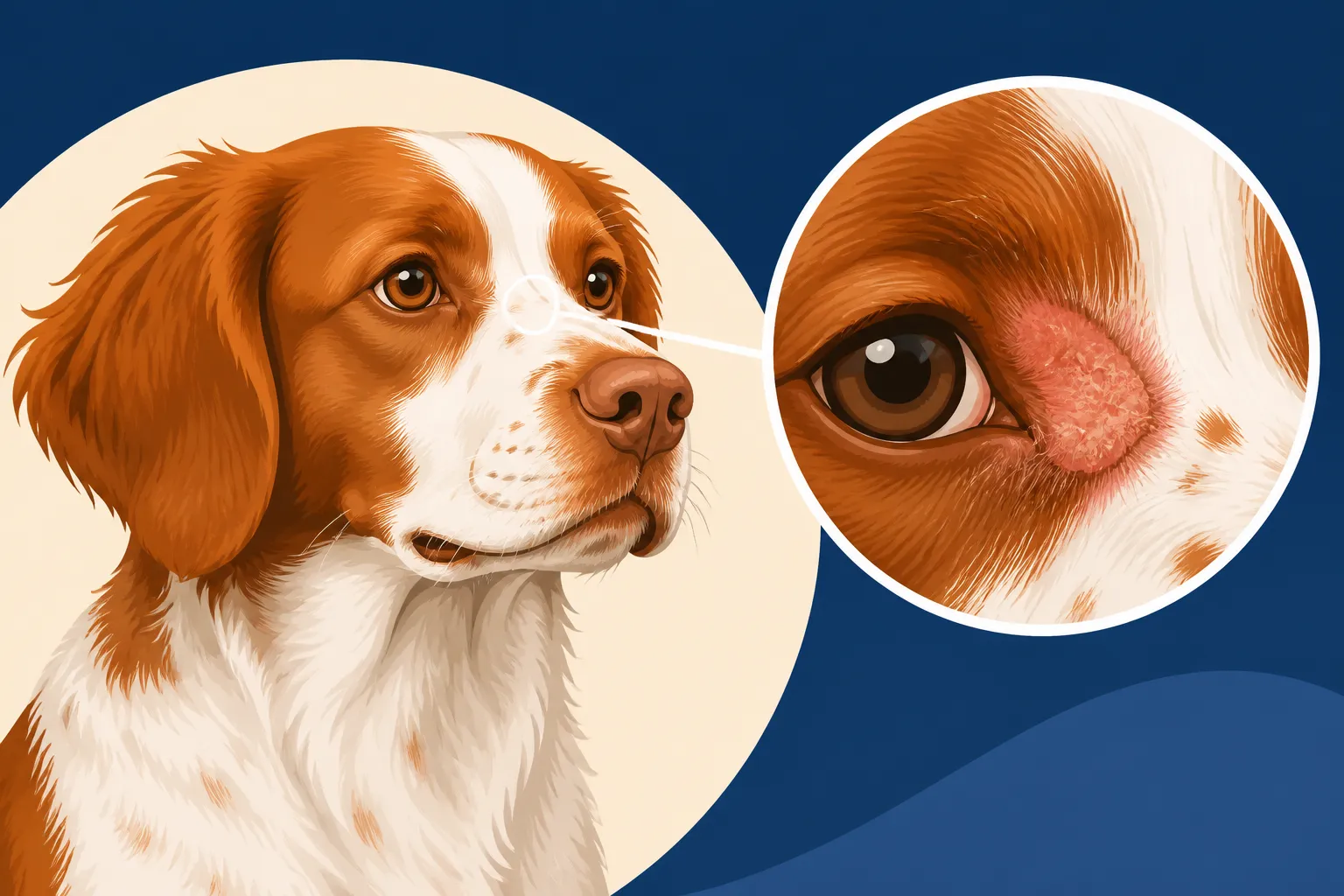
For most Brittanys affected by discoid lupus, the very first place you’ll notice changes is right on their adorable, usually jet-black nose, specifically the nasal planum – that smooth, hairless part. This area is particularly vulnerable, and the symptoms here can be quite distinct.
Initial Signs of Depigmentation and Redness
The absolute earliest sign many Brittany owners notice is a subtle fading or loss of the deep black pigment on their dog’s nose. You might start seeing patches of pink or grey appearing, often starting around the edges or along the top ridge of the nose. It's almost as if the color is being bleached away. This depigmentation, where a Brittany's Nose Loses Its Black, is frequently accompanied by a mild redness (erythema). This isn't just a dry nose; it’s a distinct change in color and texture. Owners might initially dismiss it as a scrape or a reaction to something the dog sniffed, but it persists and often gradually worsens. This can be especially concerning for owners who cherish the breed's distinct features.
Progression to Scaling, Crusting, and Ulceration
If left unchecked, or as the condition progresses, those initial subtle changes on the nasal planum become much more pronounced. The skin starts to look dry, scaly, and even crusty. You might notice flakes of skin coming off, similar to severe dandruff. These crusts can become thick and adherent, making the nose feel rough to the touch. Eventually, these crusts can crack, leading to painful erosions and even open sores or ulcers. At this point, the discomfort for your Brittany is significant, and the nose may bleed easily. The texture changes are often more alarming than the initial depigmentation, as they signal active tissue damage. If you're seeing signs a Brittany's Nose Cracks and Bleeds, it's a clear indicator that the condition is advancing.
The Role of Sun Exposure
One of the most significant factors in the worsening of DLE symptoms on the nose is sun exposure. Think of it like a sunburn, but for an already compromised immune system. UV rays can trigger or exacerbate the autoimmune reaction in the skin, making the inflammation, redness, and crusting much worse. This is why you often see flare-ups during warmer months or after extended time outdoors, particularly if your Brittany loves to sunbathe or spend hours searching for birds in open fields. Just like with people, sun protection becomes paramount for dogs with DLE. Understanding how Sun Worsens a Brittany's Lupus is crucial for managing the condition and protecting your dog.
Here's a quick look at the typical progression of DLE on a Brittany's nose:
| Stage | Appearance of Nasal Planum (Nose) | Common Symptoms | Severity |
|---|---|---|---|
| Early Stage | Subtle loss of black pigment, turning pinkish/gray, often patchy | Mild redness, slightly dry or smooth texture changes, no obvious discomfort | Mild, easily overlooked |
| Moderate Stage | More widespread depigmentation, increased redness | Visible scaling, crusting, rough texture, mild discomfort or itching | Moderate, visible changes, some discomfort |
| Advanced Stage | Significant depigmentation (pink/white), dark red/inflamed | Thick crusts, open sores (erosions/ulcers), bleeding, pain, increased risk of infection | Severe, painful, potential for secondary infections |
Beyond the Nose: Other Areas Affected by DLE
While the nose is the most common initial and primary site for DLE in Brittanys, it's important to understand that the condition can, in some cases, extend to other areas of the body. These additional locations are less frequent but can indicate a more widespread or severe form of the disease.
Around the Eyes and Lips
Just like the nasal planum, the skin around the eyes and on the lips, particularly the mucocutaneous junctions (where skin meets mucous membrane), can also be affected by DLE. You might notice similar signs of depigmentation, redness, and scaling. The edges of the eyelids could become inflamed, leading to crusting or even hair loss around the eyes. Similarly, the lips might appear swollen, red, and scaly, making eating or drinking uncomfortable for your Brittany. These areas are also susceptible to sun exposure, so protecting them becomes another aspect of management. When you're looking for signs a Brittany Has Discoid Lupus, don't just focus on the nose; check these other areas as well.
Ear Flaps and Paw Pads
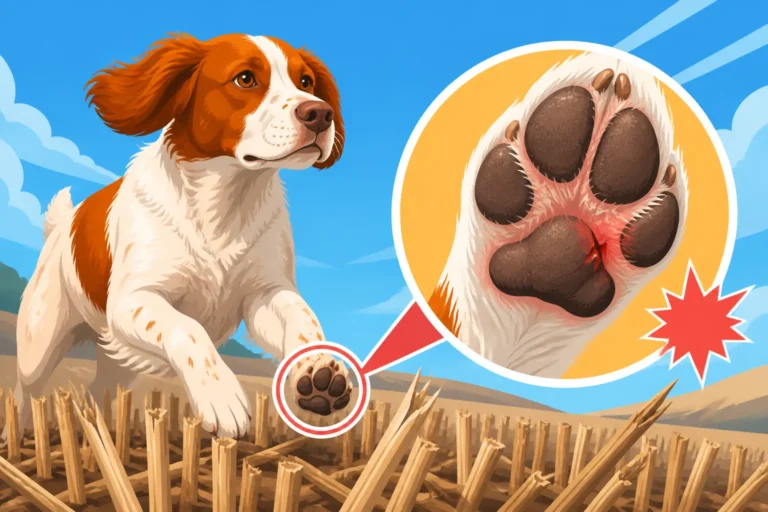
In more generalized or severe cases of DLE, the condition can manifest on the ear flaps (pinnae) and the paw pads. On the ears, you might observe redness, scaling, and crusting, sometimes leading to a thickened appearance of the skin. This can be itchy and uncomfortable for your dog. For the paw pads, DLE can cause hyperkeratosis (thickening of the pads), cracking, and even ulceration, making walking painful. Given the active nature of Brittanys, issues with their paw pads can significantly impact their quality of life and their ability to enjoy their regular activities, whether it's a vigorous hunt or a casual stroll in the park.
Distinguishing DLE from Other Skin Conditions
It's easy to confuse DLE with other common skin issues, especially in its early stages. Allergies, fungal infections, or even simple abrasions can present with redness, itching, or crusting. However, DLE typically has a very specific pattern of depigmentation and is usually non-itchy initially, though secondary infections from scratching can introduce itching. This is why a proper diagnosis from a veterinarian is absolutely crucial. They will often recommend a skin biopsy, which is the most definitive way to confirm How Discoid Lupus Is Diagnosed in a Brittany. Don't try to self-diagnose based on symptoms alone, as treatments for different skin conditions vary greatly, and misdiagnosis could lead to unnecessary discomfort or prolonged suffering for your dog.
What to Do When You Spot Signs of DLE
Discovering any unusual changes on your Brittany, especially around sensitive areas like the nose, can be alarming. The most important step is to act promptly and consult with a veterinary professional.
Immediate Veterinary Consultation
If you notice any of the signs we’ve discussed – depigmentation, redness, scaling, or crusting on your Brittany’s nose or other areas – your first call should be to your veterinarian. They can conduct a thorough examination and discuss the possibility of DLE. While the initial appointment might involve a general check-up, further diagnostics, such as a skin biopsy, are usually necessary to confirm a DLE diagnosis. A small tissue sample is taken, often under local anesthetic or light sedation, and sent to a lab for pathological analysis. This definitive diagnosis is critical because other conditions can mimic DLE, and accurate identification ensures the right treatment path.
Treatment Options and Management Strategies
Once DLE is confirmed, your vet will work with you to develop a tailored treatment plan. The goal of treatment for DLE is typically to reduce the immune response in the skin, alleviate symptoms, and prevent further progression. Common approaches include:
- Topical Medications: These are often the first line of defense, especially for localized lesions. Steroid creams, ointments, or immunosuppressive medications like tacrolimus ointment can be applied directly to the affected areas. These help to calm the immune system's attack on the skin.
- Systemic Medications: For more severe or widespread cases, oral medications might be prescribed. These can include corticosteroids (like prednisone), which have broad anti-inflammatory and immunosuppressive effects, or other immunomodulating drugs. These medications need careful monitoring due to potential side effects. Knowing Which Medication a Brittany With Lupus Takes is vital for effective management.
- Sun Protection: This is a non-negotiable part of DLE management, especially given how sensitive the nose is to UV rays. Keeping your Brittany out of direct sunlight during peak hours (10 AM to 4 PM), providing shaded areas, and even applying dog-safe sunscreen to the nose (talk to your vet about appropriate products) are essential steps. You might even consider a sun-protective vest or hat for extended outdoor adventures. It’s always good to consider Whether a Brittany Needs Sunscreen on Its Nose.
- Dietary Supplements: Omega-3 fatty acids, often found in fish oil supplements, have natural anti-inflammatory properties and can be a beneficial addition to your Brittany’s diet. Always discuss any supplements with your vet before introducing them.
Managing DLE is often a lifelong commitment, and you might be wondering Whether a Brittany's Lupus Is Lifelong. For many dogs, it is a chronic condition that requires ongoing attention, though flare-ups can be managed. Regular vet check-ups are essential to monitor the condition's progression, adjust medications as needed, and address any secondary infections that might arise.
Long-Term Care and Quality of Life
Living with a Brittany who has DLE means being vigilant and proactive. While it's a chronic condition, with proper management, most dogs can lead comfortable, happy lives. This involves not only medication and sun protection but also attentive observation of their skin, immediate action at the first sign of a flare-up, and consistent communication with your veterinarian.
Financial considerations are also a real concern for chronic conditions. Regular vet visits, medications, and specialized sun protection can add up. This is where having a reliable pet insurance plan, such as one from Healthy Paws, can be incredibly beneficial. Pet insurance can help offset the costs of diagnostic tests, prescriptions, and ongoing treatments, allowing you to focus on your Brittany's health without the added financial strain. It can provide peace of mind knowing that you have support for managing a long-term condition like DLE.
Ultimately, while DLE presents challenges, it doesn’t have to define your Brittany’s life. With dedication and good veterinary care, your furry friend can continue to enjoy their favorite activities, even with a nose that needs a little extra love and protection.
Disclaimer
The information provided in this article is for general informational purposes only and is not a substitute for professional veterinary advice. Always consult with a qualified veterinarian for any health concerns or before making any decisions related to your pet's health or treatment.