Which Ear Cleaner Suits a Brittany
Oh, the Brittany ear dilemma! Those gorgeous, feathered drop ears are certainly a hallmark of the breed, giving our beloved companions such an endearing expression. But any Brittany owner will tell you that those lovely ears are also a constant source of worry, often feeling like a magnet for dirt, moisture, and all sorts of trouble. Finding the right ear cleaner isn't just about grabbing a bottle off the shelf; it's about understanding why their ears are so prone to issues and what ingredients genuinely help keep them healthy and comfortable. This guide is here to walk you through everything you need to know about choosing and using the best ear cleaner for your Brittany.
Why Brittany Ears Are So Susceptible to Trouble
Before we even dive into specific cleaners, it’s crucial to understand why Brittany ears demand so much attention. It’s not just bad luck; it’s a combination of their unique anatomy and their active, adventurous spirit. Knowing these factors helps you appreciate why a good cleaning routine is non-negotiable for these dogs.
The Anatomy of a Brittany's Ear
Unlike dogs with upright ears, the Brittany's ears hang down, creating a warm, dark, and often moist environment. This enclosed space is the perfect breeding ground for bacteria and yeast, which thrive in such conditions. Imagine wearing earmuffs all the time – that's essentially what your Brittany's ears are doing, and it means airflow is severely restricted.
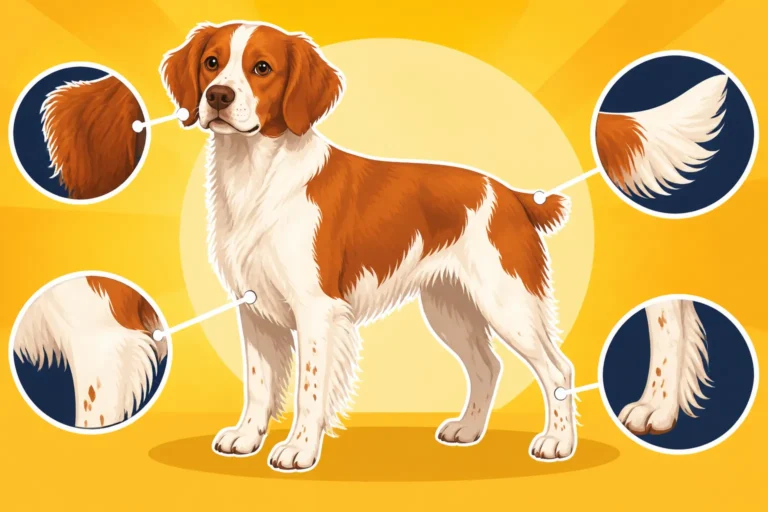
Adding to this, the ear canal itself is quite long and L-shaped, making it difficult for natural drainage and debris expulsion. Things can get trapped down there, out of sight and out of mind until they start causing a problem. Then there’s the feathering, that beautiful long hair that cascades around their ears. While it looks lovely, it can also mat, further blocking airflow, trapping even more moisture, and catching every bit of leaf, burr, or grass seed they encounter in the field. This unique combination makes them inherently prone to problems, a fact every Brittany owner quickly learns. You can read more about this in Why a Brittany's Drop Ear Traps Water.
Lifestyle Factors That Increase Risk
Beyond anatomy, our Brittanys' zest for life and their purpose as bird dogs significantly increases their ear-related woes. They are not couch potatoes; they are athletes who love to explore and, often, get wet and dirty.
Brittanys are often drawn to water like magnets, whether it’s a puddle, a pond, or a stream. While this makes them excellent retrievers, it also means their ears are frequently getting soaked. Water trapped in the ear canal can lead to serious issues, quickly turning a healthy ear into a hotbed for infection. Think about how long it takes human ears to dry after swimming; now imagine that compounded by a floppy ear and thick feathering.
Then there’s their passion for hunting. Running through tall grasses, dense brush, and stubble fields exposes their ears to a constant barrage of foreign objects. Grass awns, foxtails, burrs, and plain old dirt can easily find their way into the ear canal. These aren’t just annoying; grass seeds, for instance, can migrate deep into the ear, causing immense pain and requiring veterinary removal. We all know the frustration of picking burrs out of their coat, but imagine one making its way into the ear!
Finally, many Brittanys, like other breeds, can suffer from allergies – environmental or food-related. These allergies often manifest as itchy skin, and the ears are a prime target. Constant scratching and irritation can lead to inflammation, breaking the delicate skin barrier, and paving the way for secondary bacterial or yeast infections. So, it's not always just dirt or water; sometimes, the problem starts from within. These combined factors mean that preventative care is truly the best defense, which often begins with regular cleaning. Why a Brittany Gets Ear Infections delves deeper into the various causes.
What Makes a Great Ear Cleaner for Your Brittany?
Choosing an ear cleaner for your Brittany isn't a "one size fits all" situation. You need to consider what issues you're trying to address and what ingredients will be most effective and gentle for their sensitive ears. A good cleaner isn't just about smelling nice; it's about the science behind its formulation.
Key Ingredients to Look For
Different ingredients serve different purposes in an ear cleaner, and understanding them helps you make an informed choice.
- Drying Agents: These are crucial for Brittanys who love water or are prone to excess moisture in their ears. Ingredients like salicylic acid, boric acid, and acetic acid (often in the form of vinegar, though commercial products use more refined versions) help to dry out the ear canal. This makes the environment less hospitable for yeast and bacteria. If your Brittany swims regularly, a cleaner with a strong drying component after water exposure is a game-changer.
- Antiseptics/Antifungals: For ears that tend to get a bit yeasty (you'll recognize that distinct smell!) or have minor bacterial overgrowth, ingredients like chlorhexidine and ketoconazole are beneficial. These help to kill off unwelcome microorganisms. It's important to note that while these can help with minor issues and prevention, they aren't a substitute for prescription medication if a full-blown infection is present.
- Ceruminolytics (Wax Dissolvers): Some Brittanys produce a lot of ear wax, which can build up and trap debris, creating a blockage. Ingredients such as dioctyl sodium sulfosuccinate (DSS) or squalene work to break down and loosen this waxy buildup, making it easier to flush out. If your dog's ears feel "gummy" or have a lot of dark, sticky wax, a cleaner with these properties can be very helpful.
- Soothing Agents: Even with the best intentions, cleaning can sometimes irritate sensitive ears, especially if there’s already some inflammation. Ingredients like aloe vera or witch hazel (in appropriate concentrations) can help soothe the skin and reduce redness.
- What to Avoid: Generally, avoid cleaners with high concentrations of alcohol as they can be very drying and irritating to the delicate skin of the ear canal. Also, strongly fragranced products can sometimes cause allergic reactions or further irritation. Simpler, veterinary-formulated options are often best.
Understanding pH Balance and Formulation
The pH level of an ear cleaner is more important than many owners realize. A dog's ear canal has a slightly different pH than human skin, and using a product that's too acidic or too alkaline can disrupt the natural balance, potentially leading to irritation or even promoting microbial growth. Most veterinary-formulated ear cleaners are designed to be slightly acidic, which is often the ideal environment for healthy dog ears and helps inhibit the growth of bacteria and yeast.
Beyond pH, consider the overall gentleness of the formulation. A good cleaner should be effective at breaking down wax and debris without causing undue dryness or irritation. It should be liquid enough to flow easily into the ear canal, but not so thin that it evaporates immediately. Some cleaners also contain agents that help the solution cling to the ear canal walls longer, increasing contact time with debris.
You might find various options available on popular pet supply sites like Chewy or Amazon, each touting different benefits. Always read the ingredient list carefully and, when in doubt, consult your veterinarian for a recommendation tailored to your Brittany’s specific needs. They can guide you toward products that align with their ear health history.
Choosing the Right Cleaner: Different Types and When to Use Them
With so many products out there, it can feel overwhelming to pick the "best" one. The truth is, the best ear cleaner for your Brittany might change depending on their current ear health and activity level.
Daily/Routine Cleansers vs. Treatment Cleansers
Think of ear cleaners in two broad categories: those for routine maintenance and those for specific issues.
- Routine Cleansers: These are your everyday heroes, designed for regular maintenance to prevent problems before they start. They are typically mild, gently remove wax and debris, and often contain mild drying agents. If your Brittany has healthy ears but is active, swims frequently, or is simply prone to wax buildup, a good routine cleanser is essential. You might use these once a week, or after every swim or particularly dirty adventure, to simply keep things fresh and dry. Many general-purpose ear cleansers found at your local pet store or online on Amazon fit this description. They are excellent for proactive care and keeping those floppy ears comfortable.
- Treatment Cleansers (Medicated or Targeted Formulas): These cleaners are more specialized. They often contain stronger antiseptic, antifungal, or ceruminolytic agents. You'd typically use these under veterinary guidance if your Brittany is showing early signs of a minor issue, like a slight yeasty smell or a bit more discharge than usual, but not a full-blown infection. For instance, if your vet suspects a mild yeast overgrowth, they might recommend a cleaner with ketoconazole. These are not a replacement for antibiotics or strong antifungals for established infections but can be a helpful adjunct or for managing recurring, mild issues.
It's vital to know the difference because overusing a strong, medicated cleaner on healthy ears can sometimes lead to irritation or resistance over time. Conversely, relying on a mild routine cleaner when a full-blown infection is brewing will only delay proper treatment and prolong your Brittany's discomfort. The general rule is: routine for prevention, targeted for minor issues under vet advice, and vet visit for anything that looks or smells truly problematic.
DIY Options and Their Limitations
Many well-meaning owners wonder about homemade ear cleaning solutions. While some common household items have properties that could be beneficial, they come with significant caveats.
- Apple Cider Vinegar (ACV) and Water: A diluted solution (e.g., 1 part ACV to 2 parts water) has been suggested due to ACV's mild acidity, which can help create an environment less favorable for yeast. However, the concentration needs to be just right, and it can be irritating if the ear canal is already inflamed or has open sores. Plus, ACV doesn't have the sophisticated cleaning and soothing agents of commercial products.
- Witch Hazel: Can be used sparingly as a mild astringent on the outer ear, but it’s generally not recommended for flushing deep into the ear canal.
- What to Absolutely Avoid: Never use rubbing alcohol or hydrogen peroxide in your Brittany's ears. Alcohol is far too harsh and drying, causing pain and irritation. Hydrogen peroxide, while it bubbles and seems to "clean," can actually damage delicate ear tissues and push debris further into the ear canal, potentially making things worse.
The biggest limitation of DIY solutions is consistency and effectiveness. Commercial ear cleaners are formulated with specific pH levels, active ingredients, and carriers to ensure they are safe, effective, and non-irritating. Unless specifically advised by your vet, it's generally safer and more effective to stick with reputable, vet-approved commercial products. Remember, your Brittany's ears are delicate, and what might work for a quick clean on intact skin is not suitable for a sensitive or potentially inflamed ear canal.
Here's a quick comparison of common ear cleaner ingredients:
| Ingredient Type | Common Examples | Primary Purpose | When It's Useful |
|---|---|---|---|
| Drying Agents | Salicylic Acid, Boric Acid, Acetic Acid | Reduces moisture, creates unfavorable environment for microbes | After swimming, in humid climates, for ears prone to moisture buildup |
| Antiseptics/Antifungals | Chlorhexidine, Ketoconazole | Kills bacteria and yeast | For minor overgrowth, maintaining ear health after infection |
| Ceruminolytics | Dioctyl Sodium Sulfosuccinate (DSS), Squalene | Breaks down and emulsifies ear wax | For dogs with excessive wax buildup, prior to other treatments |
| Soothing Agents | Aloe Vera, Witch Hazel | Calms irritation, reduces redness | For sensitive ears, to prevent discomfort during cleaning |
| pH Balancers | Various buffers | Maintains healthy ear canal pH | Essential in all good quality cleaners, prevents imbalance |
Best Practices for Cleaning Your Brittany's Ears
Once you've chosen a suitable ear cleaner, knowing how to use it correctly is just as important as the product itself. Doing it right ensures effectiveness and keeps the experience as stress-free as possible for your Brittany.
Step-by-Step Cleaning Guide
Let's break down the process into simple, manageable steps:
- Gather Your Supplies: You'll need your chosen ear cleaner, plenty of cotton balls or gauze pads (avoid cotton swabs for inside the canal!), a towel, and perhaps some treats to make it a positive experience. Having everything ready before you start prevents unnecessary fumbling.
- Warm the Cleaner (Optional but Recommended): If the cleaner has been sitting in a cold room, it might feel a bit shocking when it hits your Brittany's ear. You can gently warm the bottle in a bowl of warm water for a few minutes. Just make sure it's not hot!
- Position Your Brittany: Choose a calm environment. You might need someone to help hold your Brittany gently, especially if they're new to ear cleaning. Facing away from you or sitting calmly on your lap (for smaller Brittanys) can help.
- Administer the Cleaner: Hold the ear flap up to expose the ear canal. Place the tip of the cleaner bottle just inside the opening of the ear canal – don't force it deep down. Squeeze a generous amount of solution into the ear until the canal is full. You want to hear a squelching sound when you massage it.
- Massage the Base of the Ear: This is a crucial step! Gently but firmly massage the base of your Brittany's ear for about 20-30 seconds. You should hear the solution working inside. This helps to break up wax and debris and distribute the cleaner throughout the L-shaped canal.
- Let Them Shake (and Stand Back!): Your Brittany will likely want to shake their head vigorously after you've massaged the ear. Let them! This helps to dislodge and bring up more of the debris and excess solution. Make sure you're standing clear, or shield yourself with a towel!
- Wipe Away Debris: After the head shake, use a clean cotton ball or gauze pad to gently wipe away any visible solution and debris from the outer ear flap and the entrance of the ear canal. Fold the cotton ball and use a fresh surface for each wipe until no more dirt or wax is coming out.
- Repeat for the Other Ear: Follow the same steps for the second ear.
- Reward and Praise: Always end on a positive note with praise, cuddles, and treats! This makes future cleaning sessions much easier.
Important Note: Never use cotton swabs (Q-tips) inside your Brittany's ear canal. These can push debris further down, potentially damage the eardrum, or compact wax, making problems worse. Stick to cotton balls or gauze for wiping the outer, visible parts of the ear.
Beyond the Bottle: Prevention is Key
Ear cleaning is just one piece of the puzzle. A holistic approach to ear health means integrating other preventative measures into your routine.
- Thorough Drying After Water Exposure: This cannot be stressed enough for a water-loving Brittany. After every swim, bath, or rainy outing, take the time to thoroughly dry their ears. Use a soft towel to gently blot and wipe the outer ear, then use a cotton ball to carefully absorb moisture from the entrance of the ear canal. A commercial ear drying solution (often containing boric acid or alcohol-free witch hazel) can also be used as directed after water exposure. Whether a Brittany's Ears Should Be Dried After Water offers more insights into this critical step.
- Regular Inspection: Make it a habit to check your Brittany's ears regularly. Lift the ear flap, take a sniff, and look for any redness, swelling, discharge, or unusual odors. Early detection of a problem can save you a lot of headache (and vet bills!). How Often a Brittany's Ears Should Be Checked provides a good guide for frequency.
- Judicious Trimming of Feathering: While that ear feathering is beautiful, sometimes it can become problematic. Trimming the hair around the entrance of the ear canal (not inside it!) can improve airflow and reduce the amount of debris that gets trapped. Be very careful if you choose to do this, using blunt-nosed scissors or a small trimmer. If in doubt, ask your groomer or vet to do it. You don't want to over-trim and expose the sensitive skin unnecessarily. Whether a Brittany's Ear Hair Should Be Trimmed discusses this in more detail.
- Watch for Environmental Hazards: Be mindful of where your Brittany is running. Tall grass, especially late in the season, can harbor nasty hitchhikers like foxtails. After a hunt, always do a thorough check of their ears (and the rest of their body) for foreign objects. How Grass Seeds Get Into a Brittany's Ear explains why these are such a big concern.
- Consider Allergies: If your Brittany suffers from chronic ear infections, especially accompanied by itchy skin elsewhere, allergies might be at play. Addressing underlying allergies with your vet can significantly improve ear health. Whether a Brittany Gets Skin Allergies could be a helpful read here.
By combining regular, appropriate cleaning with these preventative measures, you’ll be giving your Brittany the best chance at healthy, happy ears. Even with the best care, sometimes issues still arise, which brings us to our next point.
When to Call the Vet: Recognizing Signs of Infection
No matter how diligent you are with cleaning and prevention, Brittanys can still get ear infections. It’s crucial to know the difference between minor irritation that your routine cleaning can handle and a full-blown infection that requires professional veterinary attention. Ignoring these signs can lead to chronic issues and significant discomfort for your dog.
Obvious Symptoms Not to Ignore
Your Brittany often tries to tell you something is wrong, even if they can’t speak. Learn to recognize these common red flags:
- Excessive Scratching or Pawing at Ears: This is usually the first and most obvious sign. If your Brittany is constantly scratching at one or both ears, or rubbing them against furniture, it’s a clear indication of discomfort.
- Head Shaking: Vigorous, frequent head shaking, especially if only one ear seems affected, suggests irritation or pain.
- Foul Odor: A healthy ear should have minimal to no smell. A strong, yeasty, or otherwise unpleasant odor emanating from the ear is a major warning sign of infection. Trust your nose on this one!
- Redness and Swelling: Gently lift your Brittany's ear flap and inspect the visible part of the ear canal. If it looks red, inflamed, or swollen compared to normal, an infection is likely present.
- Discharge: Any discharge that is yellow, green, brown, or black, especially if it’s thick or looks like coffee grounds (a common sign of ear mites), needs veterinary attention. A little bit of brownish wax is normal, but excessive or unusual discharge is not.
- Pain or Sensitivity: If your Brittany cries out, flinches, or becomes aggressive when you touch their ears, they are in pain. This indicates a significant problem that needs prompt treatment.
- Changes in Behavior: Beyond direct ear-related symptoms, your Brittany might become more withdrawn, lethargic, lose their appetite, or generally seem unwell. Any noticeable change in their normal demeanor could be linked to discomfort from an ear infection.
If you observe any of these symptoms, especially a combination of them, put down the ear cleaner and pick up the phone to call your vet. Signs a Brittany's Ear Is Infected goes into more detail about what to look for.
Understanding Different Types of Infections
Ear infections aren't all the same, and what works for one type might be ineffective or even detrimental for another. Your vet will determine the specific culprit through an examination and often by taking a sample for microscopic evaluation.
- Yeast Infections: These are very common in Brittanys due to their warm, moist ear canals. The yeast Malassezia pachydermatis is a frequent offender. You might notice a strong, sweetish or rancid odor, brownish-red waxy discharge, and intense itching.
- Bacterial Infections: These can also be primary or secondary to other issues like allergies. They often result in yellow or green pus-like discharge, redness, and significant pain. Different types of bacteria require different antibiotics.
- Ear Mites: While more common in puppies and outdoor cats, ear mites (Otodectes cynotis) can affect adult dogs too. They cause intense itching and a characteristic dark, crumbly discharge that resembles coffee grounds.
The reason you need a vet for these established infections is that over-the-counter cleaners, even those with mild antiseptic properties, are simply not strong enough to clear up a full-blown bacterial or yeast infection, nor will they kill ear mites effectively. Your vet will prescribe specific topical or oral medications (antibiotics, antifungals, or anti-parasitics) that are targeted to the pathogen causing the problem. They might also provide a stronger medicated ear cleaner to use as part of the treatment protocol. Attempting to treat an established infection yourself can prolong suffering, lead to chronic issues, and potentially cause antibiotic resistance if inappropriate medications are used. Your Brittany relies on you to make the right call for their health and comfort.
Disclaimer
This article is for general informational purposes only and does not constitute professional advice. Laws, prices and regulations vary by location and change over time. Consult a qualified professional for guidance on your specific situation.