How Affectionate a Brittany Is
It's a completely natural desire to want a dog that loves you back, deeply and obviously. When you bring a new furry family member into your home, you're hoping for that connection, that bond that makes all the effort worthwhile. For those of us who adore Brittany Spaniels, there’s a wonderful curiosity about just how much affection these energetic, intelligent dogs truly offer. You might worry if they'll be too independent, or perhaps too clingy. This guide is here to shed light on the beautiful, sometimes nuanced, ways a Brittany shows its love and how that affection integrates into family life.
The Brittany's Heart: A Deep Well of Affection
Brittanys are renowned for their bird-hunting prowess and boundless energy, but beneath that keen drive lies a surprisingly warm and affectionate heart. They aren't just intelligent working dogs; they form profound bonds with their families, often expressing their love in ways that are both endearing and distinctly "Brittany." It's not always the overt, slobbery kisses some breeds offer, but a deeper, more constant presence.
More Than Just a Lap Dog – Their Deep Bonds
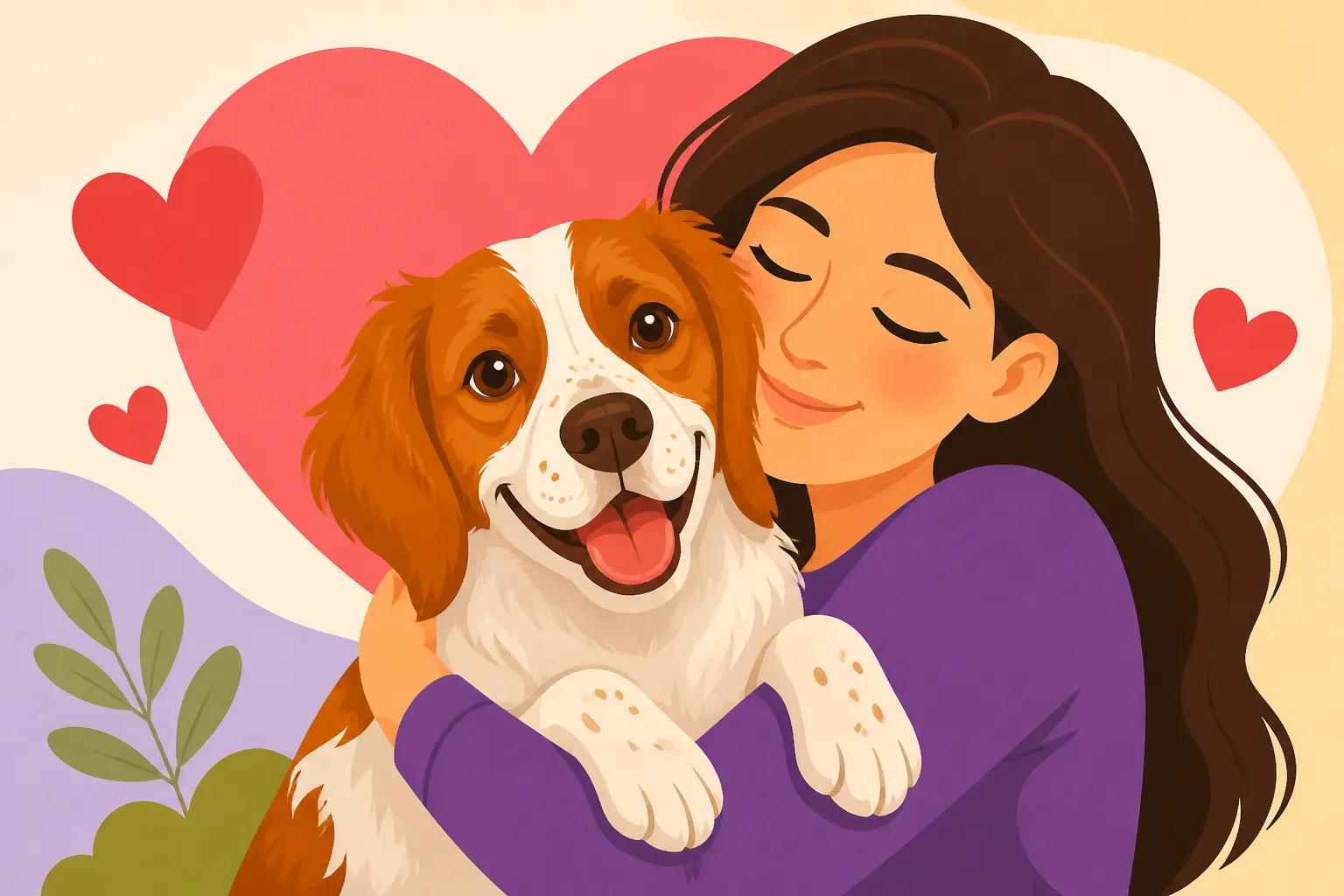
While a Brittany might not always be curled up directly on your lap (especially if there’s a squirrel to bark at or a toy to retrieve), their affection runs deep. They tend to be "Velcro dogs" in a more subtle sense; they often want to be in the same room as you, just observing, ready to engage the moment you offer an invitation. Think of it as a quiet companionship, a constant awareness of your presence. This stems from their history as close working partners with hunters. They thrive on collaboration and being part of a team, and that translates directly into their home life. They build a profound sense of loyalty, considering their human family their pack, and this trust forms the bedrock of their affection. You might find them resting their head on your foot, or simply gazing at you with those intelligent, amber eyes – a silent declaration of their devotion.
Family-Oriented, But With Boundaries
One of the lovely traits of a Brittany is their general affection for the entire family. While they might develop a particular favorite human, they don't typically become a one-person dog, excluding others. They distribute their love widely, especially if everyone participates in their care, training, and play. Whether a Brittany Is a One Person Dog is a common concern, but generally, they are inclusive. They tend to be excellent with children, often showing a patient and playful side, though proper supervision is always key, especially with very young kids. How a Brittany Behaves With Children is usually a joy to witness, as they enjoy being part of the family's activities. They can also get along famously with other pets, including cats, if properly introduced and socialized. Their natural prey drive needs to be managed, of course, but many Brittanys learn to coexist peacefully. Whether a Brittany Can Live With a Cat depends a lot on early exposure and training, but it's certainly possible. Their affection is inclusive, making them a wonderful family companion.
The Many Ways a Brittany Shows Its Love
Brittanys have a repertoire of affectionate gestures, some subtle, others more pronounced. Understanding these signals can deepen your bond and appreciation for their unique personality. They communicate their feelings clearly, even without a single bark.
The "Lean" and the "Shadow"
If you own a Brittany, you're likely familiar with "the lean." When you're standing or sitting, your Brittany might come over and press their entire body weight against your legs. It’s a wonderfully comforting gesture, a physical manifestation of their desire for closeness and reassurance. It’s their way of saying, "I'm here, and I love being near you." Another common behavior is their tendency to "shadow" you. You might notice them following you from room to room, even if they're not demanding attention. Whether you're making coffee, doing laundry, or just moving from the living room to the kitchen, your Brittany will often be a quiet, fluffy shadow trailing behind. This isn't necessarily a sign of separation anxiety (though that can develop if left unchecked), but rather a desire to be part of your world. Whether a Brittany Follows You Room to Room is a question many new owners have, and the answer is usually a resounding yes! They simply want to be where you are.
Checks and Cuddles – Their Balancing Act
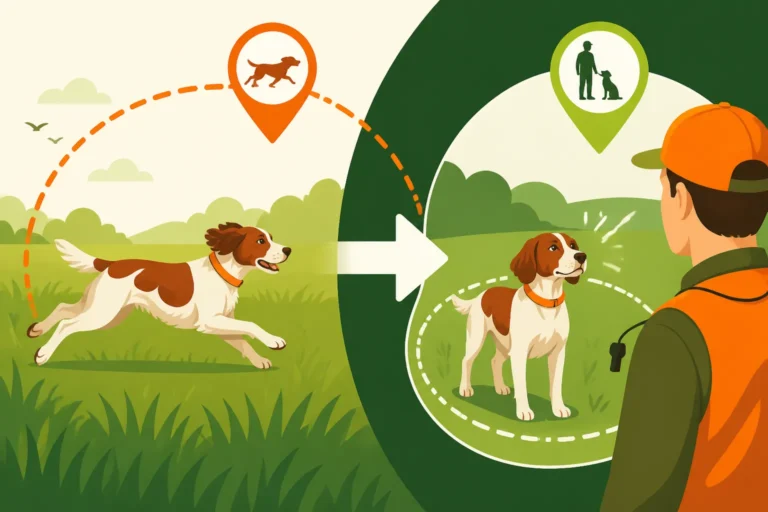
While Brittanys are affectionate, they also have a strong sense of independence, particularly when they're "on the job" or exploring. This means their cuddling might be on their terms. They might enjoy a good snuggle on the couch, but then quickly jump up to investigate a sound or find a toy. They balance their need for closeness with their inherent curiosity and drive. However, when they do settle in for a cuddle, they can be wonderfully soft and comforting, often resting their head in your lap or pressing close to you on the bed (if they're allowed up there!). They also perform what I like to call "affectionate check-ins." During a walk or when you're busy in the yard, they'll often come back to you for a quick pat or a reassuring glance before resuming their explorations. It's their way of confirming the bond, even when their instincts call them to roam.
Emotional Barometers
Brittanys are incredibly perceptive dogs. They often read their human's moods with uncanny accuracy, adjusting their behavior accordingly. If you're feeling down, your Brittany might offer a gentle nudge or simply lie quietly beside you, providing silent comfort. If you're excited, they'll often match your energy with wagging tails and playful nips. This emotional intelligence is part of what makes their affection so special; it feels deeply personal and responsive. Whether a Brittany Reads Your Mood is not just a fantasy; many owners report their Brittanys seeming to intuit their feelings. This sensitivity also means they respond best to gentle, positive reinforcement in training. How Sensitive a Brittany Is to Correction is a critical aspect to understand, as harsh words or actions can deeply affect their trust and willingness to offer affection.
| Affectionate Behavior | Description | Common Context |
|---|---|---|
| The Lean | Pressing their full body weight against your legs or side. | Standing or sitting nearby, seeking reassurance or physical contact. |
| The Shadow | Following you quietly from room to room, often settling near where you are. | Throughout the day at home, especially when you're moving around. |
| Head Nuzzle/Lap Rest | Gently pushing their head into your hand for pets, or resting their head on your lap while you're seated. | During quiet moments on the couch or floor, seeking direct attention. |
| Soft Licks/Nips | Gentle licks to the hand or face, or soft mouthing (not biting) during play, signaling happiness or submission. | Playtime, greetings, or when very excited to see you. |
| Vocalizations | Soft whines, sighs, or contented grunts when being petted or when settling down nearby. | Relaxation, seeking attention, or when expressing contentment. |
| Checking In | Returning to your side for a quick pet or glance during walks or playtime in a large area, before resuming exploration. | During outdoor activities, ensuring you're still part of their world. |
Nurturing Your Brittany's Affectionate Nature
A Brittany's affectionate side is largely innate, but like all good things, it can be nurtured and strengthened through consistent care, training, and a deep understanding of their needs. A happy, well-adjusted Brittany is a loving Brittany.
The Role of Socialization and Training
Early and positive socialization is paramount for fostering a well-rounded and affectionate Brittany. Exposing your Brittany puppy to a variety of sights, sounds, people, and other friendly dogs during their critical developmental period helps them grow into confident, comfortable adults. A shy or fearful Brittany might struggle to express affection freely. Whether a Brittany Puppy Should Be Socialized Heavily is definitely a yes; it builds their confidence and reduces timidness. Consider puppy classes or structured online programs, like those offered by BAXTER & Bella, which emphasize positive reinforcement and build good manners in a fun, supportive way. Consistent, gentle training also strengthens your bond. When a Brittany understands what's expected of them and trusts your guidance, they feel secure, which allows their loving nature to shine. Remember, Brittanys are known as "soft" dogs, meaning they can be easily discouraged by harsh methods. Positive reinforcement builds that strong, trusting relationship essential for deep affection.
Meeting Their Needs to Foster Closeness
A Brittany with unmet needs for exercise or mental stimulation might express its frustration in ways that can be mistaken for a lack of affection or an inability to settle. An under-exercised Brittany might be restless, destructive, or hyperactive, making it hard for them to simply relax and cuddle. What an Under Exercised Brittany Does at Home often includes chewing, digging, and general mischief, not because they don't love you, but because they have an abundance of energy and intellect they need to use. Ensuring they get ample physical activity, whether it's long walks, runs, or retrieving games, is crucial. How Much Exercise a Brittany Needs Off Season is still significant; they aren't dogs that can sit idly by for long. Mental stimulation through puzzle toys (many great options found on Amazon), training sessions, or scent work can also help them feel fulfilled and content. A tired Brittany is a happy, well-behaved, and often more affectionate Brittany. When their physical and mental needs are met, they are much more likely to settle down for a loving moment on the couch.
Dealing with Over-Attachment (Separation Anxiety)
While a Brittany's affection is generally a wonderful trait, sometimes their desire to be with their people can develop into separation anxiety. This isn't just "loving you too much"; it's a genuine distress that can manifest as destructive behavior, excessive barking, or even self-harm when left alone. Whether a Brittany Gets Separation Anxiety is a valid concern for such a people-oriented breed. It's important to foster a healthy balance of attachment and independence from puppyhood. Teach them that alone time is okay by starting with short periods and gradually increasing the duration. Provide engaging enrichment, like KONG toys stuffed with treats, to keep them occupied when you're gone. If you suspect true separation anxiety, consult with a veterinarian or a certified professional dog trainer to develop a tailored plan. It’s about teaching them to be confident and secure, even when you’re not right there, so their affection remains a joy rather than a source of distress.
Common Misconceptions About Brittany Affection
Sometimes, new Brittany owners might have preconceived notions about dog affection based on other breeds or general expectations. It's helpful to clarify what Brittany affection often isn't, so you can fully appreciate what it is.
Are They "Clingy Like a Vizsla"?
Vizslas are famously known as "Velcro dogs," often wanting to be literally attached to their owners at all times. While Brittanys are definitely people-oriented and enjoy being close, they typically aren't quite as intensely "clingy" as a Vizsla. Whether a Brittany Is Clingy Like a Vizsla comes up often, and the distinction lies in their balance of independence. Brittanys possess a strong hunting drive and an adventurous spirit, which means they are perfectly capable of entertaining themselves or exploring their environment, even if you are present. They thrive on being part of your life but usually allow for a bit more personal space than some of the famously "needy" breeds. They'll follow you, yes, and they'll lean on you, but they often have an "off switch" for constant physical contact, especially if there's something interesting to investigate. It's a comfortable, steady affection rather than an overwhelming, constant demand for attention.
Not a One-Person Dog, But They Have Favorites
While some breeds are known for bonding intensely with a single individual to the exclusion of others, the Brittany is generally not a one-person dog. They typically extend their affection and loyalty to all members of their human family. However, it's very common for a Brittany to have a favorite person – usually the one who spends the most time training, playing, or feeding them. This "favorite" might get the most enthusiastic greetings, the longest leans, or the most dedicated shadowing. Whether a Brittany Is a One Person Dog is an important question for families, and it's reassuring to know they are inclusive. Even with a favorite, they will still be loving and responsive to everyone else. Their inclusive nature makes them an ideal companion for active families who want a dog that bonds with everyone and integrates seamlessly into the household dynamic, rather than reserving its deepest affections for just one person.
Disclaimer
This article is for general informational purposes only and does not constitute professional advice. Laws, prices and regulations vary by location and change over time. Consult a qualified professional for guidance on your specific situation.