How a Brittany Behaves With Children
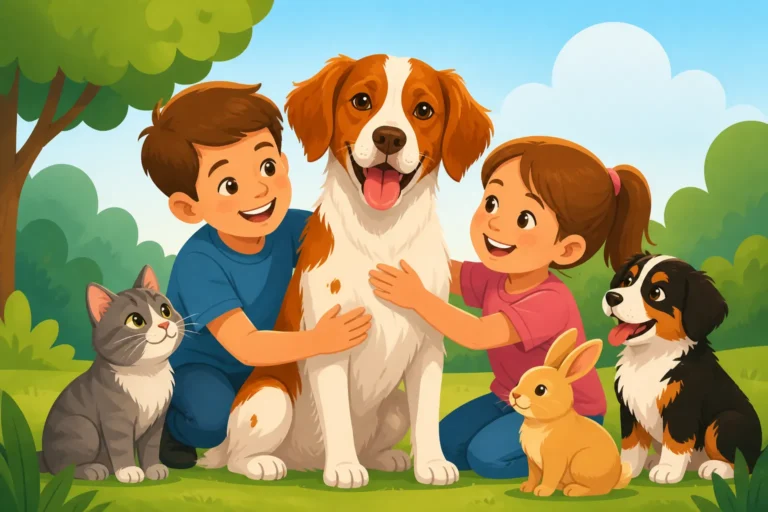
Bringing a high-energy, intelligent sporting dog like a Brittany Spaniel into a home with children can be a truly wonderful experience, but it’s natural to feel a little apprehensive about how they’ll all mesh. You want a harmonious household where everyone, two-legged and four-legged alike, feels safe and happy. This guide will walk you through what to expect from a Brittany's behavior with children, offering insights and practical advice to foster a positive relationship right from the start.
Understanding the Brittany Temperament Around Children
Brittanys are renowned for their enthusiastic personalities, their deep affection for their families, and their boundless energy. These traits often make them excellent companions for active families, but understanding how these characteristics translate when interacting with children is crucial for a successful relationship. It's not just about liking kids; it's about navigating their natural instincts and exuberance.
The Brittany's Innate Nature: Affectionate, Energetic, and Sensitive
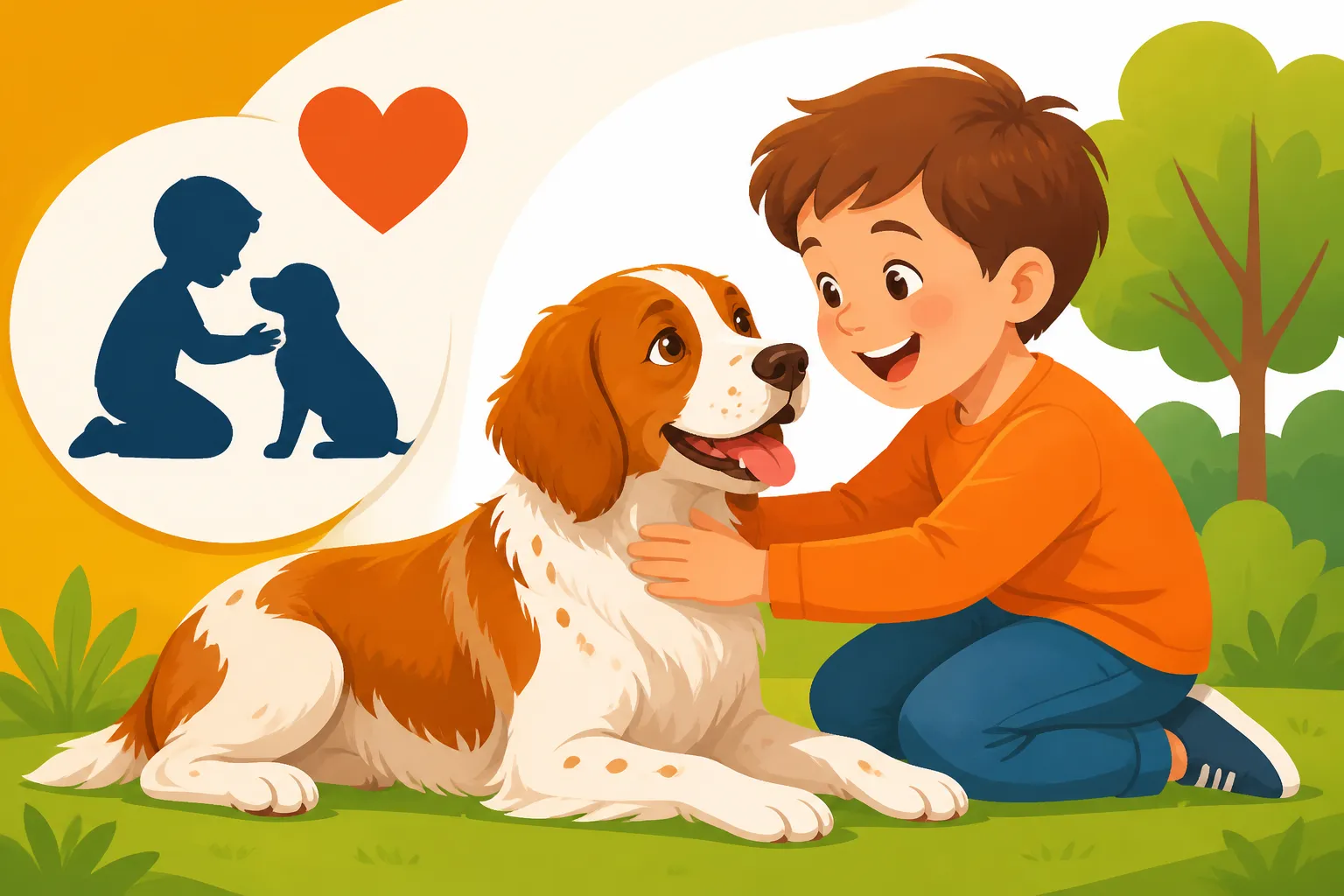
Brittanys are, at their core, people-pleasers and incredibly affectionate dogs. They thrive on companionship and want to be a part of everything their family does. This means they'll likely adore being close to children, joining in on games, and cuddling up for quiet moments. However, their high energy means that their expressions of affection can sometimes be a bit much for smaller children. A Brittany's wagging tail can feel like a whip, and a full-body lean or enthusiastic jump can easily knock over a toddler.
Beyond their energy, Brittanys are also quite sensitive. They respond best to positive reinforcement and gentle handling. Loud voices, harsh corrections, or rough play, especially from children who don't yet understand dog body language, can easily make a Brittany anxious or withdrawn. It's a delicate balance of encouraging their joyful nature while teaching them appropriate boundaries, and teaching children to respect a dog's space and cues. Think about it from the dog's perspective: a sudden shriek from a child, even one of delight, can be jarring to their sensitive ears.
Prey Drive and Play Behavior
Like all sporting breeds, Brittanys possess a natural prey drive. While this is primarily directed towards birds in the field, it can sometimes manifest in play behavior with fast-moving children, especially toddlers or those running and squealing. They might nip playfully at clothes, herd children, or jump up to "mouth" hands in excitement. This is rarely aggressive, but it can certainly be frightening for a child and lead to accidental scratches or bumps. It's important to differentiate between genuine aggression (which is rare in a well-bred, well-socialized Brittany) and over-aroused play behavior rooted in instinct.
Their play style can also be quite boisterous. They love to chase, retrieve, and engage in high-octane games. While this is fantastic for older, sturdy children who understand how to interact, it might be overwhelming for younger kids. Imagine a game of fetch where a Brittany, focused intensely on the ball, might accidentally bowl over a child in its path. Understanding What an Under Exercised Brittany Does at Home also gives insight into how this energy can become problematic if not properly channeled.
Individual Variation and Early Experiences
While generalizations about the breed are helpful, it's vital to remember that every Brittany is an individual. Just like people, they have unique personalities, and past experiences play a huge role in their behavior. A Brittany from a line known for calm temperaments and extensive early socialization might be naturally more tolerant and gentle with children than one from a purely field-driven line with limited exposure to kids.
The experiences a Brittany has as a puppy, especially between 3 and 16 weeks, are absolutely critical. Positive, controlled introductions to children during this sensitive period can shape a dog's attitude for life. Conversely, negative experiences, such as being poked, pulled, or constantly chased by children, can lead to fear or defensive behaviors. This is why breeders who raise puppies in family environments, exposing them to appropriate child interactions, are so valuable. Consider asking your breeder about Whether a Brittany Puppy Should Be Socialized Heavily and what their practices are.
Early Socialization and Training: The Foundation for Good Behavior
A well-adjusted Brittany that coexists peacefully and happily with children doesn't just happen by chance. It's the result of intentional, consistent effort in socialization and training, beginning from the moment you bring your puppy home. This foundation isn't just about teaching commands; it's about shaping a dog's understanding of the world and its place within the family structure.
Crucial Puppy Socialization
Socialization isn't just about meeting other dogs; it's about positive exposure to a wide variety of sights, sounds, people, and experiences, including children of all ages. Ideally, a Brittany puppy should have controlled, positive interactions with well-behaved children from a young age. This means allowing the puppy to approach children on its own terms, offering treats and praise for calm behavior, and ensuring children understand how to interact gently.
Avoid situations where the puppy is overwhelmed or harassed by children. A bad experience can be difficult to undo. Puppy classes that include exposure to children (or even just adult volunteers acting like children, with squeaky voices and erratic movements) can be incredibly beneficial. If you're looking for guidance, online puppy programs like BAXTER & Bella often have modules dedicated to family integration and socialization, providing structured steps to ensure these early interactions are positive and confidence-building for your pup.
Obedience Training and Impulse Control
Basic obedience is non-negotiable for any dog living with children, and especially for an energetic Brittany. Commands like "sit," "stay," "down," "come," and "leave it" are not just party tricks; they are vital safety tools. "Sit" before greeting, "stay" when a child runs by, "leave it" for dropped toys or food—these are all critical for preventing accidents and managing the Brittany's natural exuberance.
Focus heavily on impulse control exercises. This means teaching your Brittany to wait patiently for food, toys, or attention, rather than demand it. Games like "It's Yer Choice" or having them "stay" while a toy is thrown, only releasing them on command, can build incredible self-control. A dog that can control its impulses is far less likely to accidentally knock over a child or snatch something out of their hand. Remember, The Brittany Is the Softest of the Pointing Breeds, so consistent, positive reinforcement methods will yield the best results.
Teaching "Gentle" and Appropriate Play
Beyond basic commands, specifically teach your Brittany how to be gentle. This can involve rewarding calm greetings, discouraging jumping, and redirecting mouthing onto appropriate chew toys. When a Brittany puppy mouths your hand, instead of yelping or pulling away forcefully (which can encourage rougher play), redirect its mouth to a chew toy and praise it for chewing on that instead.
Establish clear boundaries for play. High-energy chase games might be reserved for outside with adults or older children, while calmer, structured games like hide-and-seek with treats can be played indoors with younger kids. If your Brittany tends to get over-aroused, it's your job to intervene and calm the situation before it escalates. This might mean leashing your dog for a "time-out" until it settles or redirecting its energy to a solo chew toy.
Managing Interactions: Supervision and Boundaries
Even with the best socialization and training, active supervision and clear boundaries are the cornerstones of safe and positive interactions between Brittanys and children. This isn't about distrusting your dog or your child; it's about being a responsible owner and parent, setting everyone up for success.
Always Supervise Interactions
This cannot be stressed enough: never leave a Brittany unsupervised with young children, especially toddlers. Even the most well-behaved dog can react unpredictably if startled, hurt, or pushed past its tolerance threshold. An adult should always be present, actively watching, and ready to intervene if necessary. This isn't just for the child's safety, but for the dog's well-being too. It ensures the Brittany isn't subjected to inappropriate handling, which could lead to fear or defensive snapping.
Active supervision means being engaged, not just in the same room. It means understanding dog body language—a stiff tail, a yawn, a lip lick, or turning away can all be subtle signs that your Brittany is uncomfortable and needs a break. Teaching children these signs is also incredibly important. Resources available on platforms like Amazon, from books to educational videos, can help both adults and children learn about dog communication.
Creating Safe Spaces for Both Dog and Child
Just like children need their own quiet space, so does your Brittany. A dog crate, a special bed in a low-traffic area, or even a designated room where the dog can retreat without being bothered is essential. This is their safe haven, and children must be taught to respect it. When the Brittany is in its crate or on its bed, children should not approach, disturb, or try to pet it. This teaches the dog that it has a place to escape when it feels overwhelmed.
Similarly, children need their own safe spaces where the dog cannot reach their toys or interfere with their play. Baby gates are fantastic for creating these boundaries, allowing separation when needed without fully isolating either party. For example, a baby gate can keep a curious Brittany out of a toddler's play area, preventing them from snatching toys or getting underfoot.
Teaching Children How to Interact
Educating children on appropriate dog etiquette is just as important as training the dog. This includes:
- Gentle hands: No hitting, pulling ears, or tugging tails. Teach them to pet gently on the shoulders or chest, not the top of the head.
- Respecting space: Do not disturb the dog when it's eating, sleeping, or in its designated safe space.
- No running or screaming around the dog: This can trigger the Brittany's prey drive or over-excite it.
- Asking permission: Always ask an adult before approaching or petting any dog, including their own.
- Dog body language: Teach them simple signs of a happy dog (relaxed posture, soft eyes) versus a stressed dog (lip licking, yawning, tail tucked, stiff body). This is crucial for their safety and for fostering empathy.
This ongoing education should be age-appropriate and reinforced consistently. Many children's books and online resources exist to help teach these vital lessons.
| Interaction Type | Desired Outcome | What to Avoid / Common Mistakes |
|---|---|---|
| Greeting | Calm "sit" for a pet, gentle sniff, polite head turn. | Jumping, barking, enthusiastic full-body greetings that bowl kids over. |
| Play | Fetch, tug with rules, scent games, controlled chase. | Roughhousing, nipping, chasing and herding children, snatching toys. |
| Sharing Space | Relaxed proximity, ignoring children's movements. | Guarding toys, snapping over food, invading child's personal space. |
| Handling | Tolerates gentle petting, brushing, vet checks. | Retreating, growling, snapping when touched unexpectedly or roughly. |
| Child Behavior | Gentle hands, quiet voices, respecting dog's boundaries. | Pulling fur, screaming, invading dog's bed, treating dog like a toy. |
Life with Children: Addressing Common Scenarios
Living with a Brittany and children is a dynamic experience, and there will inevitably be moments that require careful management. From meal times to playtime, understanding how a Brittany's instincts might play out and how to guide those interactions can make all the difference.
Mealtime Mayhem and Food Guarding
Food is a high-value resource for many dogs, and Brittanys are no exception. Children, especially toddlers, are notorious for dropping food, leaving snacks within reach, or trying to share their meals with the dog. This can be a recipe for disaster if not managed proactively. Food guarding can be a serious issue, and even if your Brittany has never shown signs of it, a sudden grab for a dropped treat by a child could trigger a defensive reaction.
To prevent this, establish strict rules: no feeding the dog from the table, no leaving dog food bowls accessible to children, and teach your children never to touch the dog's food or treats. When children are eating, the Brittany should be in its crate, behind a baby gate, or on a "place" command, completely separated from the dining area. If your dog exhibits any signs of resource guarding (growling, stiffening, staring intently at food), seek professional help immediately. Programs like the ones offered by BAXTER & Bella can often guide you through managing such behaviors with positive reinforcement.
Playtime and Preventing Over-Arousal
Brittanys are natural playmates, but their energy levels can quickly escalate. A game of tag with a child can easily turn into nipping at clothes, body slams, or an uncontrollable chase. To prevent this, adult supervision is paramount during all play sessions. Teach children how to engage in appropriate games, such as throwing a ball or frisbee, rather than inciting rough physical play.
If the Brittany starts to get too excited, with frantic barking, jumping, or nipping, it's time for a "calm down" break. This might involve calling the dog to a sit/stay, leashing it for a few minutes until it settles, or redirecting its energy to a puzzle toy or a long-lasting chew. The key is to interrupt the over-arousal before it gets out of hand. Whether a Brittany Knocks Small Children Over is a real concern, so managing energy during play is critical.
Visitors, Other Dogs, and General Household Chaos
Life with children often involves friends coming over, playdates, and general household chaos. A well-socialized Brittany should ideally be tolerant of these events, but it's important to manage them. Some Brittanys might become overly excited by new people, jumping up or barking. Others might be more reserved or even timid, especially if they haven't been properly exposed to a wide range of strangers. Consider Whether a Brittany Is Timid With Strangers as part of their overall temperament.
When guests arrive, especially children, consider putting your Brittany on a leash initially or in its crate until the initial excitement dies down. This prevents door dashing, jumping on guests, or overwhelming nervous children. Introduce new dogs slowly and carefully, always under supervision, to ensure no conflicts arise. A good management plan reduces stress for both your dog and your human visitors.
When Challenges Arise: Troubleshooting and Support
Despite your best efforts, challenges can sometimes arise in a multi-species household. It's important to address these issues proactively and seek appropriate help, rather than letting them fester and potentially worsen. Early intervention is always best.
Identifying Signs of Stress or Discomfort in Your Brittany
Learning to read your Brittany's body language is arguably the most important skill you can develop as an owner, especially in a home with children. Dogs communicate constantly, and often their early warning signs are subtle.
Signs of stress or discomfort can include:
- Lip licking: Often a quick, subtle flick of the tongue.
- Yawning: Not necessarily because they're tired, but as a calming signal.
- Turning head or body away: An attempt to disengage from a situation.
- Whites of eyes showing (whale eye): When the dog looks away but keeps its head turned, showing the "whites" of its eyes.
- Stiff body posture: No longer relaxed and fluid.
- Tail tucked or held low and stiff: Indicates fear or anxiety.
- Ears flattened or pinned back: A sign of appeasement or fear.
- Growling or snapping: These are last-resort warnings. If your dog is growling, it means it's extremely uncomfortable and needs space immediately.
Understanding these signals allows you to intervene before your dog feels the need to escalate its warning. For instance, if you notice your Brittany licking its lips repeatedly when a child approaches, you know it's time to create distance and give your dog a break.
Addressing Specific Behavioral Issues
If your Brittany consistently exhibits problematic behavior around children, such as excessive jumping, nipping, chasing, or any form of resource guarding, it's crucial to address it head-on. Don't assume the dog will "grow out of it" or that it's "just playing." These behaviors, if left unchecked, can become ingrained and potentially dangerous.
- Excessive Jumping: This often stems from over-excitement and a desire for attention. Consistently ignore jumping (turn your back, don't make eye contact) and reward all four paws on the floor. Teach "off" or "four on the floor" commands.
- Nipping/Mouthing: Redirect this onto appropriate chew toys. If nipping persists, disengage from play immediately when it happens, then re-engage when the dog is calm. This teaches them that rough play ends the fun.
- Chasing/Herding: This taps into their natural prey drive. Use a leash indoors initially to prevent chasing, and teach a strong "leave it" or "come" command. Redirect their energy to fetch or tug.
- Resource Guarding: This is a serious issue that warrants professional help. A certified professional dog trainer or veterinary behaviorist can help you implement a safe and effective modification plan. Never punish a dog for growling, as this can suppress the warning signal, leading to a bite without warning.
Online resources from reputable training organizations or professional trainers often have detailed guides and video tutorials for these common issues. Many trainers even offer virtual consultations, which can be a lifeline if you don't have local experts.
Seeking Professional Guidance
Sometimes, even with all your efforts, you might feel overwhelmed or unsure how to proceed. This is perfectly normal, and it's a sign of a responsible owner to seek professional help. Don't hesitate to consult with a certified professional dog trainer (CPDT-KA) or a veterinary behaviorist (DACVB).
A good professional can assess your specific situation, observe interactions, and develop a tailored training plan. They can help you understand your Brittany's motivations, provide practical techniques, and ensure that both your dog and children are learning to interact safely and respectfully. They can be particularly helpful if your Brittany has a history of fear, anxiety, or aggression, or if you're dealing with an adult rescue Brittany whose history with children is unknown. The Oldest a Brittany Can Start Bird Work is a different topic, but it highlights that Brittanys are trainable at any age, and behavioral issues can often be mitigated with the right approach.
Remember, raising a well-adjusted Brittany in a family with children is an ongoing journey of training, management, and understanding. With patience, consistency, and a commitment to positive methods, your Brittany can be a cherished and loving member of your family for years to come.
Disclaimer
This article is for general informational purposes only and does not constitute professional advice. Laws, prices and regulations vary by location and change over time. Consult a qualified professional for guidance on your specific situation.