Whether a Brittany Is a One Person Dog
It’s a common worry for Brittany owners, or those considering bringing one into their home: will my new companion bond exclusively with me, leaving everyone else in the family feeling a bit left out? The truth is, while Brittanys are incredibly affectionate dogs that form deep, lasting connections, whether they become a "one-person dog" often has more to do with environment and training than an inherent breed trait. This guide will explore the Brittany's natural disposition, delve into the reasons why some dogs might seem to favor one person, and offer practical advice on how to foster a well-rounded, family-loving companion.
What a "One-Person Dog" Really Means for a Brittany
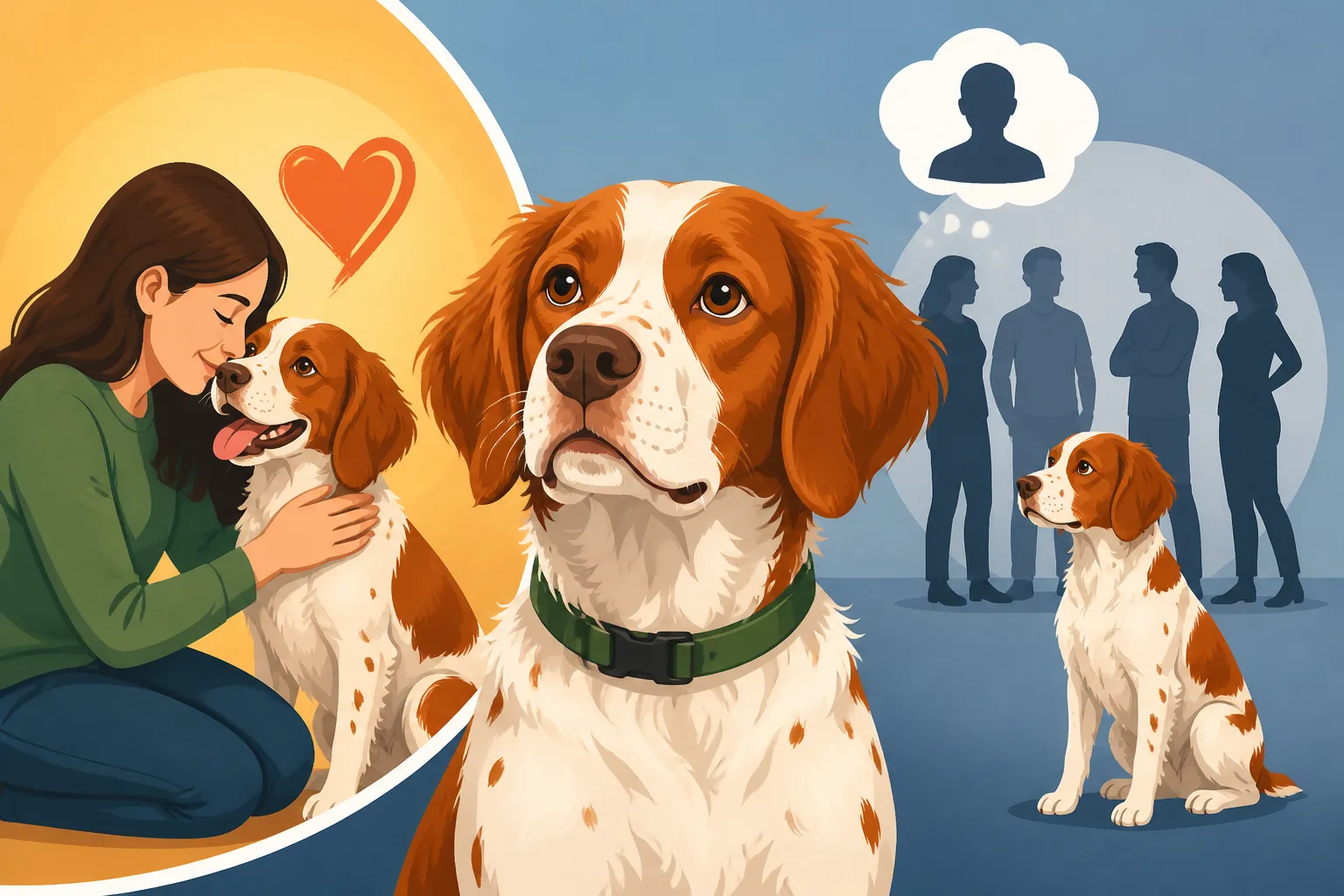
When we talk about a "one-person dog," it’s often conjuring images of a dog that tolerates others but reserves its true affection, loyalty, and attention solely for one individual. This isn't necessarily a negative trait in all breeds; some, like certain working dogs, are bred for intense focus on a single handler. However, for a family dog, especially one as social as a Brittany, an overly exclusive bond can sometimes lead to challenges, such as anxiety when that person is absent, or reluctance to interact with other family members.
Understanding the Spectrum of Attachment
It's important to differentiate between a strong primary bond and an exclusive "one-person" dependency. Most dogs, Brittanys included, will naturally gravitate toward one or two individuals who consistently meet their needs, provide comfort, and engage in their favorite activities. This primary attachment is normal and healthy. It’s when this preference becomes so extreme that the dog shows fear, aggression, or significant distress when separated from that one person, or actively shuns others, that it starts to lean into the "one-person dog" territory in a way that can be problematic for a bustling family home.
A Brittany's affectionate nature means they are generally keen to please and interact. If a Brittany appears to be a one-person dog, it’s often a symptom of specific dynamics within the household rather than a fixed genetic programming. We really need to look at how interactions are structured and who is providing what to the dog throughout its day. How Affectionate a Brittany Is might surprise you; they are generally very loving creatures.
The Impact of Early Experiences and Socialization
A dog's early life experiences play a huge role in shaping its adult personality and how it forms bonds. Puppies that are extensively socialized to many different people, environments, and positive interactions tend to grow into more confident and adaptable adults. If a Brittany puppy, during its critical socialization period, primarily interacts with only one person, it's far more likely to develop a strong, almost singular attachment to that individual. This isn't because it's meant to be a one-person dog, but because its world was narrowly defined.
Think of it this way: if a child only ever speaks one language, they'll naturally become fluent in that language and might struggle with others later. Similarly, if a puppy only interacts with one person, that person becomes their entire social dictionary. This is why breeders often emphasize early, diverse socialization. Whether a Brittany Puppy Should Be Socialized Heavily is a topic that can't be stressed enough for this sensitive breed.
The Brittany's Innate Affection and Social Nature
Brittanys are known for their lively intelligence, eager-to-please attitude, and, yes, their profound affection for their human families. They thrive on companionship and participation in family activities, which makes the idea of them being strictly "one-person dogs" a bit counter to their general temperament.
Bred for Partnership, Not Exclusivity
Historically, Brittanys were developed as versatile hunting dogs, often working closely with foot hunters rather than ranging far out of sight. This close partnership required them to be biddable, responsive, and connected to their handler. However, they weren't necessarily "one-man" hunting dogs in the way some guard or protection breeds might be. A good Brittany handler often worked their dog with other hunters, or in a family setting where multiple people might interact with the dog daily. This background predisposes them to being adaptable and forming bonds with multiple individuals, provided they are given the opportunity.
Their desire to please and their intelligence mean they are typically open to learning from and bonding with anyone who offers consistent, positive interaction. What a Brittany's Temperament Is Really Like reveals a generally outgoing and friendly disposition. They crave interaction and stimulation, making them excellent family pets when properly engaged.
The Brittany's "Velcro Dog" Tendencies
Many Brittany owners will affectionately describe their dogs as "Velcro dogs" – meaning they love to be close to their people, often following them from room to room. This isn't usually an indication of being a one-person dog, but rather a strong desire for companionship and involvement. They simply enjoy being where the action is, or just near their beloved humans. My own Brittany, Rusty, will often follow me from the kitchen to the living room, even if I'm just getting a glass of water. He's not guarding me from others, he just wants to be part of my orbit!
This trait can sometimes be mistaken for an exclusive bond, but it's usually just a manifestation of their general sociability and need for connection. Whether a Brittany Follows You Room to Room explores this endearing habit in more detail. They are truly dogs that want to be with you, not necessarily just you to the exclusion of all others.
How Sensitivity Shapes Their Bonds
Brittanys are often described as a "soft" breed, meaning they are quite sensitive to correction and respond best to positive reinforcement and gentle handling. This sensitivity can influence how they form bonds. If one person in the household consistently provides all the positive interactions – the treats, the praise, the fun training sessions, the walks – and another person is perceived as more aloof or provides less positive attention, the Brittany will naturally gravitate towards the former.
It's not that they don't like the second person, but they'll naturally seek out the source of consistent good things. This is why it's so important for everyone in the family to be involved in feeding, playing, and training. A dog will generally respond more eagerly to the person who makes them feel safe and happy.
Factors That Influence a Brittany's Bonds and How to Broaden Them
If your Brittany seems to be leaning towards being a one-person dog, don't despair! There are many factors that contribute to this, and even more strategies you can employ to encourage them to bond with everyone in the household.
Consistent Care and Positive Reinforcement from Everyone
This is perhaps the most critical factor. Dogs bond with those who consistently provide for their needs and offer positive experiences. If only one person feeds the dog, takes it for walks, plays with it, and handles its training, that dog will naturally see that person as the primary source of all good things.
To encourage bonding with multiple people:
- Share the Chores: Ensure everyone in the family takes turns feeding, walking, and playing with the Brittany. Even little things like giving treats or a quick belly rub can build positive associations.
- Training Together: Basic obedience commands are a fantastic way to build a bond. Have different family members work on "sit," "stay," or "come." Even using simple positive reinforcement with treats or verbal praise can go a long way. You might look for specific training guides or online courses, perhaps through platforms like BAXTER & Bella, that focus on positive reinforcement and consistent family involvement.
- Designated Playtime: Encourage each family member to have dedicated play sessions with the dog, whether it's fetching, tug-of-war, or just a good old-fashioned cuddle session.
- Affection and Attention: Make sure everyone in the household is offering gentle petting and affection. Some Brittanys can be a little Whether a Brittany Is Timid With Strangers, but consistent, calm, and positive interactions from family members will help them open up.
Socialization Beyond the Primary Caregiver
While puppyhood is the most crucial time for socialization, it's an ongoing process. Even an adult Brittany benefits from meeting new people and having positive experiences in different environments. If your Brittany is overly focused on one person, consider:
- Family Outings: Take the dog on walks, hikes, or car rides with multiple family members present. This helps the dog associate positive, fun experiences with the whole group.
- Controlled Introductions: If your dog is wary of specific family members, orchestrate calm, controlled interactions. Have that person offer high-value treats, engage in gentle play, or simply sit quietly near the dog without demanding interaction.
- Visitor Protocol: Teach your Brittany polite manners with guests. Encourage visitors to offer treats or engage in gentle petting. This further reinforces that positive interactions come from a wide range of people.
Addressing Underlying Issues
Sometimes, a "one-person dog" dynamic can stem from underlying behavioral issues like separation anxiety (when the primary person leaves) or resource guarding (where the dog guards its favored person from others). If you suspect these issues, seeking professional guidance is crucial. A certified professional dog trainer or a veterinary behaviorist can help identify the root cause and develop a tailored plan. If it's pure anxiety, it's a completely different approach than simple preference.
It's also worth noting that a Brittany's personality can be quite sensitive. How Long a Brittany Remembers a Bad Session speaks to their lasting impressions, so always strive for positive experiences with all family members.
Nurturing a Well-Adjusted, Family-Oriented Brittany
Ultimately, a Brittany wants to be a cherished member of the family. By being mindful of their needs and actively involving everyone, you can ensure your Brittany forms healthy bonds with all members of your household.
Building Trust and Respect with All Family Members
Trust isn't just given; it's earned through consistent, fair, and positive interactions. Every family member should aim to be a source of good things and reliable leadership for the Brittany. This doesn't mean being harsh; it means being clear, consistent, and kind.
| Trait | One-Person Dog Tendency | Family-Oriented Brittany |
|---|---|---|
| Greeting | Ignores others, rushes only to favored person | Greets all family members warmly, seeks attention from multiple people |
| Play | Only plays with favored person; less enthusiastic with others | Engages in play with multiple family members; enjoys various activities |
| Comfort/Affection | Seeks comfort exclusively from one person | Seeks comfort and affection from different family members |
| Training Responsiveness | Highly responsive to favored person; ignores others | Responsive to commands from all family members who train them |
| Absence of Favored Person | Exhibits high anxiety, destructive behavior | May show mild sadness, but recovers quickly and engages with others |
| Resource Guarding | May guard favored person, toys, or space from others | Shares resources and is comfortable with all family members around |
Encouraging Independent Play and Engagement with Others
While Brittanys love companionship, it’s also healthy for them to have independent activities and to engage with family members who aren't their primary "favorite."
- Enrichment Toys: Provide puzzle toys or long-lasting chews that can be given by various family members. Stock up on these types of enrichment items from a place like Amazon, ensuring a good variety keeps them interested. These can keep a Brittany happily occupied, even when the "favorite" person is busy.
- Designated Spots: Encourage your Brittany to settle in different areas of the house, not just right next to one person. A comfortable dog bed in the living room or a crate in a quiet corner can provide a sense of security and allow them to relax independently. Whether a Brittany Settles Indoors depends a lot on their training and exercise.
- Rotating Activities: Don't let one person always be the "fun" person. One day, person A takes the Brittany for a stimulating walk; the next, person B does a training session; person C might initiate a game of fetch. This broadens their positive associations.
Consistency is Key
Brittanys thrive on routine and consistency. If one person trains them one way and another uses a different approach, it can be confusing and undermine their confidence. Ensure all family members are on the same page regarding rules, commands, and expectations. This consistency reinforces a stable and predictable environment, which helps a Brittany feel secure with everyone.
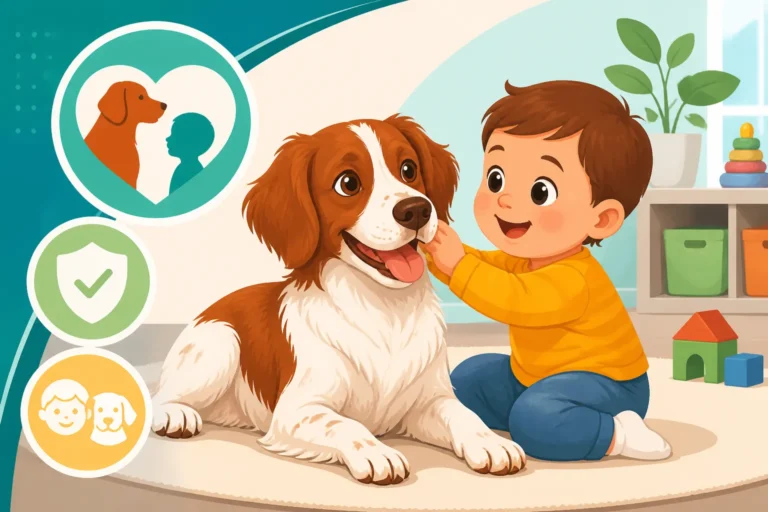
Remember, a Brittany's desire to bond deeply is one of its most wonderful traits. By consciously involving everyone in their care, training, and affection, you can cultivate a dog that is truly a beloved and well-adjusted member of the entire family, not just one person's shadow. They truly have the capacity for deep bonds with many, and with the right approach, your Brittany can be a joy to every member of your household. A Brittany With Children and Other Animals generally thrives in a multi-member home.
Disclaimer
This article is for general informational purposes only and does not constitute professional advice. Laws, prices and regulations vary by location and change over time. Consult a qualified professional for guidance on your specific situation.