Why a Brittany’s Feet Itch After a Hunt
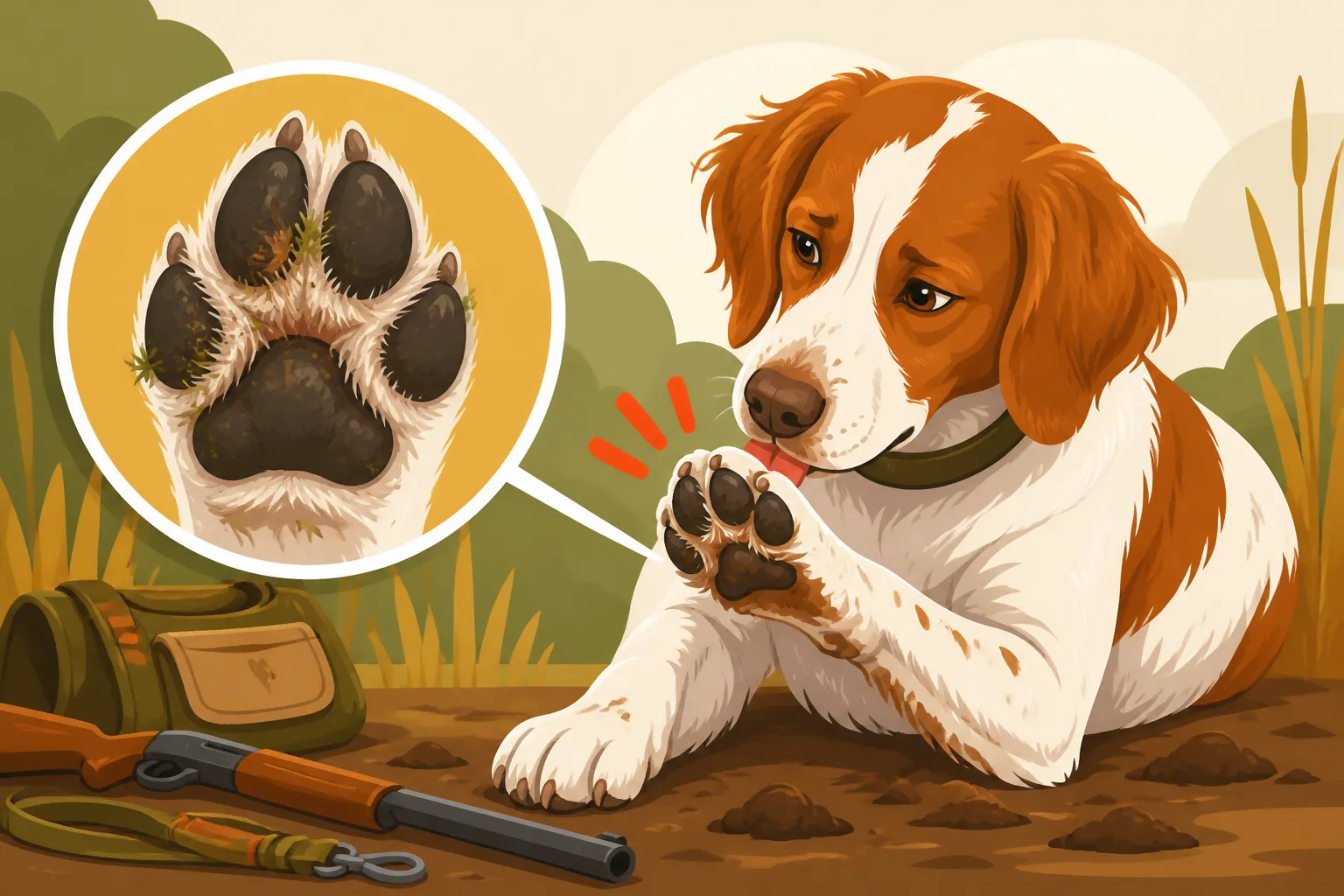
It’s heartbreaking to see your dedicated hunting partner, your beloved Brittany, come home from a day in the field only to obsessively lick, chew, and scratch at their paws. You put in all that effort, they put in all that drive, and then their discomfort immediately overshadows the joy of the hunt. This guide is here to unravel the mystery of why your Brittany's feet get so itchy after a hunt and, more importantly, what you can do about it, from immediate care to long-term prevention.
Understanding the Common Culprits Behind Itchy Brittany Paws
Brittanys are built for the field, but that very environment, with its varied terrain, dense cover, and changing seasons, can be a minefield for their sensitive paws. Their incredible drive means they push through anything, sometimes to their detriment. When those paws start itching, it's a clear sign something from their adventure didn't agree with them.
Irritants and Allergens from the Environment
Think about all the things your Brittany’s paws encounter in a single hunt. It’s a literal smorgasbord of potential irritants! We're talking about everything from sharp stubble and thorny bushes to chemically treated fields and irritating plant pollens.
- Plant-based irritants: Certain plants are notorious for causing skin reactions. Poison ivy, oak, sumac, and even some common grasses or weeds can release oils or tiny barbs that embed in the paw pads and between the toes. Your Brittany, with their lower stature and enthusiastic sniffing, is often pushing right through these, unknowingly picking up trouble. Imagine walking barefoot through a field of nettles – that’s often what your dog is experiencing.
- Chemical residues: Farm fields, golf courses, or even roadside ditches can be treated with pesticides, herbicides, or fertilizers. These chemicals, designed to kill plants or pests, are certainly not kind to canine skin. They can cause contact dermatitis, leading to intense itching, redness, and even blistering on the paw pads.
- Seasonal allergies: Just like people, Brittanys can suffer from environmental allergies, often called atopy. If you notice your dog’s paw licking is worse during certain times of the year, especially spring or fall when pollen counts are high, it might be an allergic reaction. These allergens aren't just inhaled; they can also be absorbed through the skin, particularly the paws, which are constantly in contact with the ground. This can tie into the broader issue of whether a Brittany gets skin allergies, which many do.
Foreign Objects and Minor Injuries
Beyond chemical and plant irritants, the sheer physical assault on a Brittany's paws during a hunt can lead to irritation and itching. These aren't always big, obvious wounds, but rather small, insidious invaders.
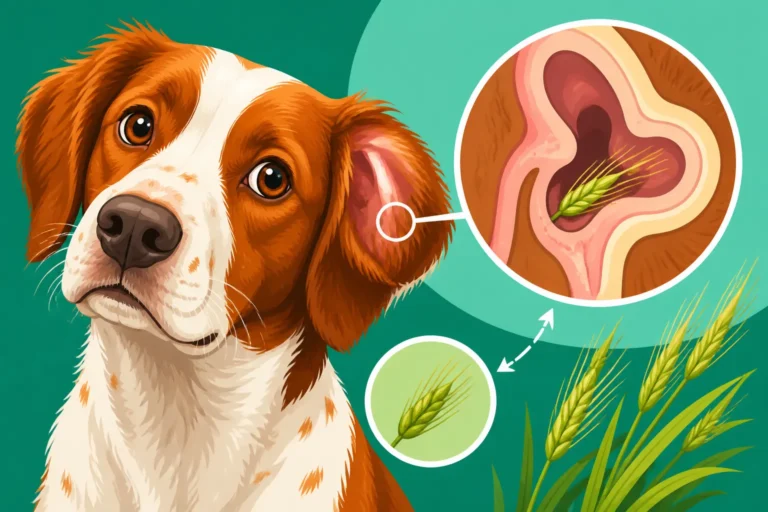
- Foxtails and grass awns: These sneaky little plant seeds are a nightmare for any hunting dog. Their barbed, arrow-like structure allows them to burrow into the skin, often between the toes or into the paw pads, and only move forward. Once embedded, they cause intense irritation, inflammation, and can even migrate deeper, leading to serious infections and abscesses. Finding a foxtail on a Brittany can be like finding a needle in a haystack if you don't know where to look.
- Thorns, burrs, and splinters: Rough cover is a Brittany’s playground, but it’s also full of hazards. Small thorns from blackberry bushes, sharp burrs from cockleburs, or tiny splinters from downed branches can get lodged deep in the paw, causing acute discomfort and itching as the dog tries to dislodge them. These can be tiny and almost invisible, making them frustratingly hard to find.
- Small cuts and abrasions: Even if a pad isn’t completely torn, a long day over rocky ground, stubble, or frozen terrain can cause minor cuts, scrapes, or severe abrasions. These tiny breaks in the skin are entry points for bacteria and irritants, leading to inflammation and itching as the body tries to heal. You might find yourself wondering how to treat a Brittany's torn pad, but often the issue is much smaller, yet still incredibly irritating.
Fungal and Bacterial Infections
Warm, moist environments are breeding grounds for yeast and bacteria, and a Brittany’s paws can become just that after a day of sweating, wading through damp grass, or retrieving from water.
- Yeast infections: The most common culprit is Malassezia pachydermatis, a yeast that naturally lives on a dog’s skin. When conditions are ripe – like persistent moisture between the toes or underlying allergies that disrupt the skin barrier – this yeast can overgrow. It results in a distinct "yeasty" smell (often described as corn chips or Fritos), redness, itchiness, and sometimes a brownish discharge between the pads.
- Bacterial infections (Pyoderma): Minor cuts, constant licking, or underlying allergies can break down the skin's natural defenses, allowing bacteria (often Staphylococcus) to proliferate. This can lead to hot spots, redness, pustules, and a whole lot of itching and pain. These infections are often secondary to another issue but can quickly spiral into a major problem if left untreated. If you suspect a hot spot, addressing it immediately is key, as a Brittany can easily develop them.
Diagnosing the Itch: What to Look For
When your Brittany starts gnawing at their paws, it’s not just a bad habit; it’s a symptom. Becoming a detective after every hunt is crucial to catching problems early and providing effective relief.
The Post-Hunt Paw Check Protocol
This isn't just a quick glance; it's a methodical examination that should be part of your routine after every outing. Think of it as a vital debriefing for your four-legged partner.
- Visual inspection: Start by looking at the top of their paws, then move to the bottom, meticulously checking each pad. Spread the toes wide open and examine the skin between them. Look for any redness, swelling, bumps, blisters, or discharge. Are the nails intact, or do any look chipped or torn? Pay close attention to any areas that appear moist or discolored.
- Feeling for foreign objects: Gently run your fingers over and between each pad and toe. You're feeling for anything that doesn't belong – a sharp point, a firm lump, or anything that causes your Brittany to flinch. Don't be afraid to use a fine-tooth comb or even tweezers if you spot something suspicious. This is where knowing how to check a Brittany between the toes really pays off. Small, nearly invisible thorns or burrs can be deeply embedded and cause intense discomfort.
- Smell test: Yes, really! Get your nose down there. A healthy paw should smell relatively neutral. A distinctly yeasty odor, often described as like corn chips or old bread, can signal a yeast infection. A foul, pungent, or pus-like smell almost always indicates a bacterial infection.
Differentiating Between Common Issues
Understanding the subtle differences in symptoms can help you narrow down the cause and decide on the best course of action.
- Irritation vs. Allergy: If the itching is primarily on the paws and occurs immediately after exposure to a specific field or plant, it's likely contact irritation. If the itching is more generalized (ears, belly, flanks) and seasonal, it points more towards environmental allergies. With allergies, the skin between the pads might look chronically red and thickened, or even hyperpigmented (darker).
- Parasites vs. Other Causes: While ticks are visible and can cause localized irritation where they attach, other microscopic parasites like mites (e.g., harvest mites, sometimes called "chiggers") can cause intense itching between the toes, often appearing as tiny orange specs. If you see widespread tiny red bumps, consider fleas or mites, although these usually affect more than just the feet. For most Brittany owners, knowing how many ticks a Brittany picks up in a season is a huge concern, but sometimes it's these smaller, less visible critters.
- Infection indicators: Redness, swelling, heat to the touch, and discharge (pus or thick mucus) are clear signs of infection. If the paw is painful to touch, or your dog is limping, infection or a deeper foreign object is a strong possibility. A hot spot will be a quickly growing red, weeping lesion.
Table: Common Paw Itch Causes and Key Indicators
| Cause | Key Indicators | Immediate Action |
|---|---|---|
| Environmental Irritants | Redness, mild swelling, itching confined to paws after exposure to specific plants/chemicals. | Rinse thoroughly, clean with mild soap, apply soothing balm. |
| Foreign Objects (Foxtails, Thorns) | Localized swelling, pain, intense licking at one spot, possible limping, visible object or small puncture wound. | Carefully remove if visible; vet visit if deep or uncertain. |
| Seasonal Allergies | Red, inflamed skin between toes, chronic licking, often accompanied by generalized itching (ears, belly), usually seasonal. | Paw soaks, hypoallergenic wipes, vet for medication/diagnosis. |
| Yeast Infection | "Yeasty" (Fritos) smell, reddish-brown discoloration between toes, greasy feel. | Antifungal paw wash/wipes, vet for medication if persistent. |
| Bacterial Infection | Redness, swelling, pus/discharge, hot spots, pain, strong foul odor, sometimes limping. | Antiseptic wash, keep dry, vet for antibiotics. |
| Minor Cuts/Abrasions | Visible small cuts, scrapes, raw patches on pads, licking. | Clean wound, apply antiseptic, protect with bandage if necessary. |
Providing Immediate Relief and Long-Term Prevention
Once you’ve identified the likely cause, taking swift action can prevent further discomfort and stop minor issues from becoming major ones. The goal is to both soothe the current itch and implement strategies to prevent its recurrence.
First Aid and Soothing Treatments
Your Brittany trusts you to take care of them, especially when they’re uncomfortable. Having a few go-to remedies and a solid routine makes all the difference.
- Thorough cleaning and rinsing: This is your first line of defense. After every hunt, especially if your Brittany has been in wet or muddy conditions, a good rinse is essential. Use lukewarm water and a mild, pet-safe shampoo to wash their paws thoroughly. Pay special attention to between the toes and around the pads. This helps remove dirt, allergens, and any chemical residues. Make sure to rinse all the soap away, as residue can be an irritant itself.
- Paw soaks: For irritated or yeasty paws, a soothing paw soak can work wonders. A dilute solution of Epsom salts (1 tablespoon per gallon of warm water) can help draw out toxins and reduce swelling. Alternatively, a dilute apple cider vinegar solution (1 part vinegar to 4 parts water) can help rebalance pH and discourage yeast growth. Soak each paw for 5-10 minutes, then thoroughly dry.
- Topical applications: After cleaning and drying, apply a dog-safe balm or ointment to soothe irritated skin. Products containing ingredients like oatmeal, aloe vera, or calendula can provide relief. For identified hot spots or inflamed areas, a topical antiseptic spray or cream (like chlorhexidine or vetericyn) can help prevent infection and promote healing. Remember, your Brittany will likely try to lick it off, so consider using a cone or distracting them until it absorbs.
Preventative Measures for Future Hunts
An ounce of prevention is worth a pound of cure, especially when it comes to keeping your Brittany's paws healthy and itch-free.
- Protective gear: While some hunters resist them, dog boots can be incredibly effective in protecting paws from harsh terrain, stubble, foxtails, and chemical irritants. It might take some training to get your Brittany used to them, but the benefits for a dog that hunts hard are undeniable. Consider whether a Brittany needs boots in the field, especially in challenging environments.
- Pre-hunt paw prep: Before heading out, consider applying a paw wax or balm, such as Musher's Secret. These products create a protective barrier on the pads, helping to prevent cracking, reduce friction, and shield against irritants. This is especially useful in extreme weather conditions, whether hot pavement or icy ground, as knowing whether a Brittany needs paw wax can make a big difference.
- Post-hunt inspection and cleaning routine: Make a habit of a meticulous post-hunt check. This includes examining their entire body for injuries, burrs, and ticks, but especially their paws. Take the time to diligently check how often a Brittany's pads should be checked, as it's often overlooked. A quick rinse and dry is a minimum, but a full inspection should be non-negotiable. Don't forget to dry thoroughly, as moisture trapped between the toes promotes yeast and bacterial growth.
- Allergy management: If your Brittany suffers from environmental allergies, consult your vet about long-term management strategies. This might include allergy medications, specialized shampoos, or even allergy shots or drops. Identifying what a Brittany is most often allergic to can lead to a more targeted treatment plan. For persistent issues, managing allergies effectively is critical to breaking the itch-scratch cycle.
When to Consult Your Veterinarian
While many paw irritations can be managed at home, there are times when professional veterinary intervention is absolutely necessary. Don't delay seeking help if you notice any of these red flags.
Signs That Warrant a Vet Visit
It's easy to want to handle everything yourself, especially for minor scrapes, but knowing when to call in the pros can save your Brittany from unnecessary pain and potential long-term issues.
- Persistent or worsening symptoms: If the itching doesn't subside within a day or two of home treatment, or if the condition of the paws appears to be getting worse (more redness, swelling, increased discharge, or new lesions), it's time for a vet visit. Chronic inflammation can quickly lead to secondary infections.
- Severe pain or limping: Any sign of severe pain, reluctance to bear weight, or persistent limping indicates a more serious underlying issue. This could be a deeply embedded foreign object, a fracture, a severe cut, or a deep-seated infection. Such injuries, part of the broader category of the injuries a Brittany picks up in the field, need immediate professional attention.
- Fever or lethargy: If your Brittany is acting generally unwell, has a fever, is lethargic, or has lost their appetite in addition to paw issues, it suggests a systemic infection or a more serious health problem. These symptoms are alarm bells that should never be ignored.
- Deep wounds or abscesses: Puncture wounds, deep lacerations, or any signs of an abscess (a painful, fluid-filled swelling) require veterinary care. Abscesses often need to be drained and flushed, and deep wounds may require stitches and antibiotics to prevent complications.
The Vet's Role in Diagnosis and Treatment
Your veterinarian has the tools and expertise to properly diagnose and treat complex paw issues. They can offer solutions far beyond what you can do at home.
- Thorough examination and diagnostics: Your vet will perform a comprehensive physical exam, including a detailed inspection of the paws. They might use magnification to look for tiny foreign objects or skin changes. Diagnostic tests could include skin scrapes (to check for mites), cytology (examining cells from the skin or discharge under a microscope to identify yeast or bacteria), fungal cultures, or even biopsies for persistent or unusual lesions.
- Prescription medications: Depending on the diagnosis, your vet might prescribe oral antibiotics or antifungals for infections, anti-inflammatory medications to reduce swelling and pain, or antihistamines and steroids for severe allergic reactions. They may also recommend prescription-strength topical treatments that are more potent than over-the-counter options.
- Surgical removal of foreign bodies: If a foxtail or other foreign object is deeply embedded, it might require a minor surgical procedure to remove it safely and completely. Attempting to dig these out yourself can often push them deeper or leave fragments behind, leading to ongoing problems.
- Addressing underlying conditions: For chronic paw problems, your vet will work to identify and manage any underlying conditions, such as severe allergies or autoimmune diseases, that predispose your Brittany to paw irritation. This might involve dietary changes, specialized dermatological treatments, or long-term medication plans. If recurrent issues become a financial strain, it might be worth investigating pet insurance options, as many dog owners find that providers like Healthy Paws can help manage the costs of ongoing veterinary care for chronic conditions.
Remember, your Brittany's well-being is paramount. A little vigilance and proactive care can keep those hard-working paws happy, allowing your hunting partner to enjoy every outing to the fullest.
Disclaimer
The information provided in this article is for general informational purposes only and is not a substitute for professional veterinary advice, diagnosis, or treatment. Always seek the advice of your veterinarian or other qualified health provider with any questions you may have regarding a medical condition or the health and welfare of your pet.