What Discoid Lupus Does to a Brittany’s Nose
It's incredibly distressing to see changes on your beloved Brittany's nose, especially when it starts to lose its vibrant black pigment or even crack and bleed. This change can be alarming, making you worry about their health and comfort. If your Brittany is showing these kinds of symptoms, it's possible they might be dealing with Discoid Lupus Erythematosus (DLE), an autoimmune condition that primarily affects the sensitive skin of their nose. This guide will walk you through what DLE is, how to spot its signs, understand its progression, and what steps you can take to manage it, ensuring your furry companion stays as comfortable and healthy as possible.
Understanding Discoid Lupus Erythematosus in Brittanys
When you first notice something amiss with your Brittany's nose, it's natural to jump to all sorts of conclusions. Is it an injury? An allergy? But for many Brittany owners, the culprit can sometimes be Discoid Lupus Erythematosus (DLE), a mouthful of a name for a condition that specifically targets their precious sniffer. It's a frustrating situation because it's not always obvious, and it requires a deeper understanding of what's happening internally.
What is DLE and Why Does It Affect the Nose?
Discoid Lupus Erythematosus, often just called DLE, is a fascinating and sometimes infuriating condition because it's an autoimmune disease. What that means, in plain terms, is that your dog's own immune system, which is supposed to protect them from invaders like viruses and bacteria, gets a little confused. Instead of attacking foreign threats, it starts attacking healthy cells within their own body. In the case of DLE, it specifically targets the skin, and most commonly, the skin on the top of the nose, known as the nasal planum.
This isn't just a surface-level issue; it’s a deep, cellular miscommunication. The immune system cells go after the cells at the dermal-epidermal junction – essentially where the top layer of skin meets the layer beneath it. This attack causes inflammation, cell damage, and the characteristic changes we see. It’s why the nose is so frequently affected; it’s a highly exposed, specialized area of skin that seems particularly vulnerable to this specific autoimmune misfire. It's important to understand that this isn't contagious, nor is it something you've done wrong as an owner. It's an internal battle your dog is fighting.
The Autoimmune Connection: When the Body Attacks Itself
The core of DLE lies in its autoimmune nature. Imagine your Brittany's immune system as a highly trained security force for a castle. Most of the time, they're excellent at identifying outsiders and keeping the castle safe. But with an autoimmune disease like DLE, something happens, and a segment of that security force suddenly believes that one of the castle's own walls (in this case, the skin cells on the nose) is actually an enemy. So, they launch an attack.
This internal attack leads to chronic inflammation and damage. Over time, this constant assault on the nasal tissue can lead to the loss of pigment, erosions, ulcers, and crusting. It’s a bit like having tiny, invisible skirmishes constantly happening on their nose. While it sounds scary, understanding "Whether a Brittany Gets Autoimmune Disease" more broadly can help you grasp the mechanism at play here, which is essentially the body's protective system turning against itself. This phenomenon isn't unique to DLE; it’s a characteristic of many autoimmune conditions that can affect dogs, but DLE keeps its focus primarily on the skin.
Is My Brittany Prone to Discoid Lupus? Breed Predisposition
It’s a tough truth that some breeds are just more predisposed to certain conditions, and Brittanys are, unfortunately, among those that can be more susceptible to DLE. While it can occur in any dog, breeds like German Shorthaired Pointers, Collies, Shetland Sheepdogs, Siberian Huskies, and indeed, Brittanys, seem to have a higher incidence. This doesn't mean every Brittany will get it, or even that your Brittany will definitely get it if it runs in their lines, but it does mean it's something worth being aware of.
If you have a Brittany, especially if you're concerned about nose changes, understanding this predisposition helps you stay vigilant. It's not about blaming the breed, but rather equipping yourself with knowledge. Knowing that your dog might be genetically inclined means you'll be quicker to notice subtle changes and seek veterinary advice. This early detection can make a real difference in managing the condition effectively.
Recognizing the Early Warning Signs on Your Brittany's Nose
One of the most frustrating aspects of DLE is that its initial signs can be subtle, sometimes easily mistaken for a scrape or dry skin. You might shrug it off at first, thinking it's nothing serious. But knowing what to look for, even the smallest changes, can help you get a head start on treatment and prevent the condition from escalating. It truly starts with paying close attention to that sweet, wet nose.
Initial Changes: Pigment Loss and Texture Shifts
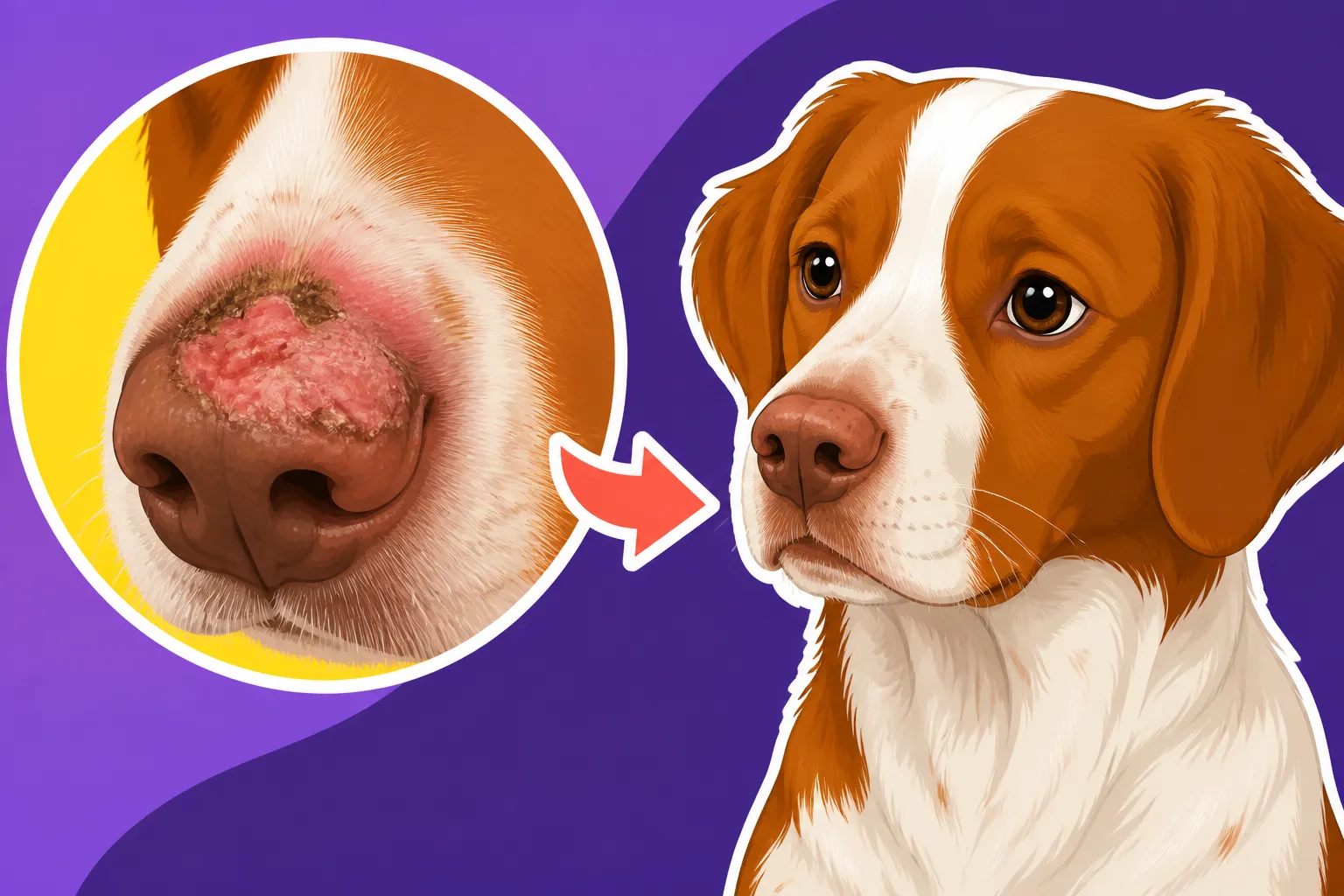
The very first sign many Brittany owners notice is a change in the rich, dark pigment of their dog's nose. That deep black or liver color, which is usually so uniform, might start to lighten, turn gray, or even a pale pinkish color. This is called depigmentation. It often begins around the edges of the nasal planum, sometimes spreading inwards. It’s a tell-tale sign of "Why a Brittany's Nose Loses Its Black", as the immune attack damages the pigment-producing cells.
Beyond color changes, you might feel a shift in texture. A healthy Brittany nose is typically smooth and slightly moist, with a unique cobblestone-like texture. With DLE, this texture can become smoother, flatter, or even develop a rough, scaly feel. The tiny ridges and valleys might disappear. It can feel dry, almost crusty, even if your dog isn't actively licking it. These subtle shifts can be easy to miss, especially if your dog is otherwise acting completely normal, but they're critical clues that something internal is starting to happen.
The Development of Crusting, Sores, and Bleeding
As DLE progresses, those subtle changes unfortunately can give way to more pronounced and uncomfortable symptoms. What starts as depigmentation or a change in texture can develop into significant crusting. Imagine a thick, dry scab forming over parts of the nose that might flake off, only to reform again. Beneath these crusts, the skin can become eroded, forming shallow sores or ulcers. These aren't just cosmetic issues; they can be quite painful.
The skin on the nasal planum is delicate, and when it's under attack from DLE, it loses its integrity. This weakened skin, combined with the normal bumps and scrapes a dog gets in their daily life, makes it highly susceptible to cracking and bleeding. You might see small specks of blood on their bedding, or notice their nose is tender to the touch. This stage is particularly concerning because it opens the door to secondary bacterial infections, which can complicate the picture even further and increase discomfort. This is often the point where owners truly realize something is seriously wrong, and it’s why understanding the "Signs a Brittany Has Discoid Lupus" is so crucial for early intervention.
Beyond the Nose: Other Areas DLE Might Affect
While DLE predominantly affects the nose, it's important to remember that it's an autoimmune skin condition, and sometimes it can manifest in other areas, though less commonly and usually less severely. You might observe similar depigmentation or skin lesions on the lips, especially where the skin meets the mucous membranes. The skin around the eyes, the ear flaps (pinnae), or even the paw pads can also be affected in some cases.
These additional affected areas often present with similar symptoms: redness, scaling, crusting, and sometimes even ulceration. If you notice any of these signs appearing simultaneously with or shortly after nose changes, it strengthens the suspicion of DLE or a broader autoimmune skin issue. While the nose is the primary target, keeping an eye on other sensitive skin areas ensures you're catching the full scope of the problem. This holistic observation is part of being a diligent pet parent and helps your vet get a complete picture.
How Discoid Lupus Progresses and Causes Discomfort
It’s not just about the visible changes; DLE can bring a cascade of discomfort for your Brittany. The progression of the disease isn't always linear, but understanding its typical trajectory helps you anticipate potential issues and support your dog through them. From affecting their keen sense of smell to opening the door for other infections, DLE is more than skin deep.
The Impact on Your Brittany's Sense of Smell and Overall Well-being
For a Brittany, their nose isn't just a facial feature; it's their super-power, their world. They hunt with it, explore with it, and gather information about everything. When DLE attacks the nasal planum, it can severely impact this vital sensory organ. The crusting, cracking, and pain on their nose can make it uncomfortable, or even painful, for them to sniff around vigorously. Imagine trying to use your hands for a delicate task when they're covered in painful sores. It's similar for their nose.
While DLE typically affects the external skin of the nose and usually doesn't directly damage the olfactory receptors deep inside, the discomfort and physical obstruction can definitely hinder their ability to fully engage their sense of smell. They might hesitate to put their nose to the ground, sniff new scents, or even enjoy their meals as much if it hurts to get close to the food bowl. This can lead to a noticeable decrease in their overall enthusiasm for activities they once loved, such as "Whether an Aging Brittany Still Wants to Hunt," or simply enjoying a walk. Their general well-being can take a hit when their most powerful sense is compromised by pain.
Secondary Infections: A Common Complication
One of the most concerning aspects of progressing DLE is the heightened risk of secondary infections. The skin acts as a protective barrier, keeping out all sorts of environmental nasties. When DLE causes erosions, ulcers, and cracks on the nasal skin, that barrier is compromised. It’s like leaving a door wide open to a fortress. Bacteria and yeast, which normally live harmlessly on the skin, can seize this opportunity and invade the damaged tissue.
These secondary infections can significantly worsen the discomfort and appearance of DLE. You might notice increased redness, swelling, pus, a foul odor, or even more intense itching. These infections can be quite stubborn and require additional treatment, often antibiotics or antifungals, alongside the DLE management. It’s a vicious cycle: DLE weakens the skin, infection sets in, causing more irritation, which can make the DLE symptoms seem worse. This is a common reason "Why a Brittany's Nose Cracks and Bleeds" becomes a real problem, beyond the primary DLE itself. Regular cleaning and vigilance are key to minimizing this risk.
Sun Exposure: A Major Aggravating Factor
If your Brittany loves to bask in the sun, or if they spend a lot of time outdoors for walks or training, you need to be acutely aware of sun exposure with DLE. Sunlight, specifically ultraviolet (UV) radiation, is a known aggravator for DLE. Just like with humans and certain autoimmune conditions, UV rays can trigger flare-ups and worsen the lesions on a dog’s nose. The already damaged skin of a DLE-affected nose is even more vulnerable to sun damage than healthy skin.
Owners often report that their Brittany's DLE symptoms are worse in the summer months or after extended periods outdoors. The sun can intensify the redness, increase crusting, and make the skin more prone to cracking and bleeding. This is a crucial piece of information for managing the condition. Understanding "How Sun Worsens a Brittany's Lupus" is vital, as proactive sun protection becomes a cornerstone of their care, potentially preventing severe flare-ups and keeping your dog more comfortable.
The Diagnostic Journey: Confirming DLE in Your Brittany
When you see persistent changes in your Brittany's nose, getting a diagnosis is the next logical, albeit sometimes anxiety-inducing, step. It’s not always a straightforward path, as several conditions can mimic DLE. However, a systematic approach with your veterinarian will lead to clarity and the correct treatment plan.
Initial Vet Visit and Differential Diagnoses
Your first stop will be your veterinarian. They’ll perform a thorough physical exam, paying close attention to your Brittany's nose and any other affected skin areas. They'll ask you about the history of the symptoms: when did you first notice them? Have they gotten worse? Does anything make them better or worse? This initial conversation is incredibly important for your vet to start building a picture.
During this stage, your vet will consider several "differential diagnoses" – basically, other conditions that could look similar to DLE. These might include:
- Pemphigus Foliaceus: Another autoimmune skin disease that can cause crusting and blistering, but often affects wider areas.
- Bacterial or Fungal Infections: Simple infections can cause crusting and redness, but usually respond well to antibiotics or antifungals.
- Nasal Pyoderma: A bacterial skin infection primarily affecting the nose.
- Contact Dermatitis: An allergic reaction to something the nose has touched.
- Zinc-Responsive Dermatosis: A rare condition where the body doesn't absorb enough zinc, leading to skin lesions.
- Squamous Cell Carcinoma: A type of skin cancer that can affect the nose, particularly in sun-exposed areas. This is a serious one, which is why a definitive diagnosis is so important.
Your vet might take samples for cytology (looking at cells under a microscope) or bacterial/fungal cultures to rule out infections first, as these are often simpler to treat.
The Importance of a Biopsy for a Definitive Diagnosis
While your vet can often have a strong suspicion of DLE based on the clinical signs and by ruling out other common issues, a definitive diagnosis almost always requires a skin biopsy. This is a crucial step because treating DLE is different from treating a bacterial infection or a tumor. A biopsy ensures you're not wasting time and money on treatments that won't work, and critically, that you're not missing something more serious.
During a biopsy, your Brittany will typically be sedated or given a local anesthetic. The vet will use a small punch tool to take one or more tiny samples of skin from the affected area of the nose. These samples are then sent to a specialized veterinary dermatopathologist – a vet who specializes in looking at skin tissues under a microscope. This procedure is generally safe and well-tolerated. It might sound intimidating, but it's truly the gold standard for getting a clear answer on "How Discoid Lupus Is Diagnosed in a Brittany."
What the Biopsy Results Reveal
When the dermatopathologist examines the biopsy samples, they are looking for specific microscopic changes that are characteristic of DLE. These changes include:
- Interface Dermatitis: Inflammation at the junction of the epidermis and dermis, precisely where the immune system is attacking.
- Basal Cell Vacuolar Degeneration: Damage to the cells in the deepest layer of the epidermis.
- Apoptosis: Programmed cell death of keratinocytes (skin cells).
- Infiltrate of Lymphocytes and Plasma Cells: The presence of specific immune cells gathering in the affected area.
- Loss of Basal Layer Pigmentation: This directly correlates with the depigmentation you see clinically.
The pathologist will compare these findings with what's known about DLE versus other similar conditions. Sometimes, the initial biopsy might not be entirely conclusive, especially if the disease is very early or a secondary infection has complicated the picture. In such cases, your vet might recommend a second biopsy or further diagnostics. But for most cases, the biopsy provides the definitive answer, allowing you and your vet to move forward with a targeted and effective treatment plan.
Managing Discoid Lupus: Treatment Strategies and Support
Receiving a DLE diagnosis can feel daunting, but the good news is that it's often a manageable condition. While "Whether a Brittany's Lupus Is Lifelong" is a question with a common answer of 'yes' (meaning it rarely fully disappears), many Brittanys can live very comfortable lives with the right approach. Treatment typically involves a combination of topical and systemic medications, along with crucial lifestyle adjustments.
Topical Treatments for Localized Relief
For many Brittanys with DLE, especially in mild or early stages, topical treatments applied directly to the nose can be incredibly effective. These medications work by reducing inflammation and suppressing the local immune response right where it's needed.
Common topical treatments include:
- Corticosteroid Ointments or Creams: These are potent anti-inflammatory agents that can quickly bring down redness and swelling. Your vet will usually prescribe a prescription-strength corticosteroid. It's crucial to use these exactly as directed, as overuse can thin the skin.
- Tacrolimus Ointment (Protopic): This is a calcineurin inhibitor, a non-steroidal immunosuppressant. It works by targeting specific immune cells responsible for the attack, but without the potential side effects of long-term steroid use. Many dermatologists prefer tacrolimus for DLE due to its effectiveness and safety profile for delicate nasal skin.
- Topical Antioxidants: Some vets might suggest creams with antioxidants like Vitamin E or C to support skin healing and reduce oxidative stress.
Applying these treatments requires a bit of patience. You might need to distract your Brittany with a treat or a favorite toy to prevent them from immediately licking off the medication. Consistency is key; applying them regularly as prescribed will yield the best results.
Systemic Medications for More Widespread or Severe Cases
If topical treatments aren't enough, or if your Brittany's DLE is particularly severe, widespread, or rapidly progressing, your vet might recommend systemic medications. These are drugs given orally and work throughout the body to modulate the immune system.
The most common systemic treatments include:
- Prednisone or other Oral Corticosteroids: These are powerful anti-inflammatory and immunosuppressant drugs. They can bring rapid relief, but come with potential side effects like increased thirst, urination, appetite, and long-term concerns like muscle wasting or adrenal suppression. They are often used to get the disease under control quickly, then tapered to the lowest effective dose or replaced with other medications.
- Tetracycline and Niacinamide (Vitamin B3): This combination is often a go-to for many vets. While not fully understood, this duo has immunomodulatory and anti-inflammatory effects that can be very helpful for DLE, often with fewer side effects than corticosteroids. It can take several weeks to see the full effect, so patience is required.
- Other Immunosuppressants: In very severe or refractory cases, your vet might consider other medications like Azathioprine or Cyclosporine, though these are typically reserved for cases that don't respond to more conservative approaches due to their potential side effects.
Your vet will carefully assess "Which Medication a Brittany With Lupus Takes" based on the severity of the condition, your dog's overall health, and potential side effects. The goal is always to achieve remission with the fewest possible medications and the lowest effective doses.
Lifestyle Adjustments: Sun Protection and Routine Care
Medication is only one part of the puzzle; crucial lifestyle adjustments are paramount for managing DLE in a Brittany. These changes are often simple but make a huge difference in preventing flare-ups and keeping your dog comfortable.
- Sun Protection: This is non-negotiable. As mentioned, sun exposure significantly worsens DLE.
- Limit Outdoor Time: Avoid walks or extended playtime during peak sun hours (typically 10 AM to 4 PM). Early morning or late evening are best.
- Canine Sunscreen: Yes, it's a thing! There are specific pet-safe sunscreens available. Look for products that are non-toxic, unscented, and free of zinc oxide (which is toxic to dogs if ingested). Apply it liberally to the nose and any other exposed, affected areas before going outside. "Whether a Brittany Needs Sunscreen on Its Nose" is a resounding yes with DLE. Brands like Epi-Pet or My Dog Nose It are often recommended.
- Protective Gear: For longer outdoor excursions, consider dog hats or visors that provide shade for the nose. While it might sound silly, their comfort and health are worth it!
- Gentle Cleaning: Keep the nose clean, but be gentle. Use a soft, damp cloth to remove any crusts or debris. Avoid harsh scrubbing. Your vet might recommend a specific antiseptic wipe if secondary infections are a concern.
- Moisturizers: After cleaning, a pet-safe moisturizer (like those containing Vitamin E or shea butter) can help prevent cracking and keep the skin supple. Vaseline or Bag Balm can also be useful barrier creams, but always check with your vet first to ensure it won't interfere with other medications.
- Regular Monitoring: Get into the habit of checking your Brittany's nose daily. Notice any changes in color, texture, crusting, or tenderness. Early detection of a flare-up means you can often intervene quickly and prevent it from becoming severe.
Here's a quick comparison of DLE treatments:
| Treatment Type | Examples | How it Works | Key Considerations |
|---|---|---|---|
| Topical Corticosteroids | Prednisone Ointment, Hydrocortisone Cream | Reduces local inflammation and immune response | Fast-acting, but careful with long-term use (skin thinning) |
| Tacrolimus Ointment | Protopic | Non-steroidal immunosuppressant, targets immune cells | Excellent for long-term use, slower onset than steroids |
| Tetracycline & Niacinamide | Oral combination | Immunomodulatory, anti-inflammatory effects | Slower onset (weeks), generally well-tolerated |
| Oral Corticosteroids | Prednisone, Prednisolone | Systemic anti-inflammatory and immunosuppressant | Fast, effective for severe cases, but side effects are common |
| Sun Protection | Sunscreen, shade, limited outdoor time | Prevents flare-ups and worsening lesions | Crucial lifestyle change, essential for management |
While managing DLE can sometimes feel like a daily commitment, consistent care can significantly improve your Brittany's quality of life. For instance, having a reliable pet insurance plan like Healthy Paws could provide peace of mind by helping with the costs of ongoing medications, vet visits, and specialized consultations should your Brittany require long-term systemic treatment.
Long-Term Outlook and Living with a Brittany That Has DLE
Having a Brittany with DLE means committing to ongoing care, but it’s far from a death sentence. Many dogs with DLE live full, happy lives. The key is consistent management, working closely with your vet, and understanding that this is typically a lifelong condition requiring continuous vigilance.
Prognosis and Quality of Life Expectations
The prognosis for Brittanys with DLE is generally quite good, especially with proper diagnosis and consistent treatment. Most dogs respond well to a combination of topical and systemic medications, along with strict sun protection. While DLE can't usually be "cured" in the sense that it completely disappears forever, it can almost always be managed effectively, leading to complete remission of clinical signs or significant improvement.
The goal isn't necessarily to eliminate every single symptom, but to achieve a state where your Brittany is comfortable, their nose is healthy, and their quality of life is excellent. This often means finding a maintenance protocol that keeps flare-ups at bay. Some dogs might need daily treatment initially, then transition to intermittent treatment during flare-ups or during periods of high sun exposure. With diligent care, your Brittany can continue to enjoy their favorite activities, sniff out adventures, and be the loving companion you know. The overall impact on "The Twelve to Fourteen Years a Brittany Gets" for their lifespan is minimal, as DLE is rarely life-threatening.
Ongoing Monitoring and Adjustments to Care
Living with DLE means you become an expert in your Brittany’s nose. Regular monitoring is absolutely critical. This isn't just about applying medication; it's about paying attention to any subtle changes that might indicate a budding flare-up.
- Daily Visual Checks: Make it a habit to look at your Brittany’s nose every day. Note the color, texture, presence of crusts, erosions, or any signs of discomfort.
- Tactile Examination: Gently touch the nose. Is it tender? Is the texture different?
- Symptom Diary: Consider keeping a small log of any changes, medications given, and environmental factors (like sun exposure). This information is invaluable for your vet to see patterns and make informed adjustments.
- Regular Vet Check-ups: Even if your Brittany is doing well, regular follow-up appointments with your veterinarian or a veterinary dermatologist are important. They can assess the effectiveness of the current treatment, screen for secondary infections, and adjust medications as needed.
- Adapting to Seasons: Be prepared to potentially adjust treatment protocols with the seasons. Your Brittany might need more intensive care during sunny summer months, while treatment might be reduced in winter.
It's a dynamic process, and what works today might need slight tweaking tomorrow. Don't be afraid to communicate openly with your vet about your observations and concerns.
Supporting Your Brittany's Comfort and Happiness
Beyond the medical management, your role as a dedicated owner is to ensure your Brittany remains happy and comfortable. A chronic condition like DLE can be frustrating for both dog and owner, but your positive attitude and consistent support make all the difference.
- Positive Reinforcement: Make nose checks and medication application a positive experience. Use treats, praise, and gentle handling to make these routines pleasant, not scary.
- Enrichment: Even if their nose is a bit sensitive, find ways to keep your Brittany mentally stimulated. Scent games can still be played, perhaps with easier-to-access treats or in shaded areas. Puzzle toys are great for mental exercise indoors.
- Protection for Field Dogs: If your Brittany is a working dog, extra care is needed. Consider protective gear specifically designed for dog noses in the field, if suitable, and definitely ensure ample shade and breaks. Post-hunt checks for "The Injuries a Brittany Picks Up in the Field" should always include a thorough examination of the nose.
- Financial Planning: Managing a chronic condition can incur ongoing costs. Pet insurance providers, such as Healthy Paws, can be a valuable resource to help offset these expenses. This allows you to focus on getting the best care for your Brittany without undue financial stress, ensuring "What a Brittany Costs Over Its Lifetime" is a manageable expense.
- Patience and Empathy: Remember that your Brittany isn't trying to be difficult if they resist a treatment or seem down. They might be in pain or simply uncomfortable. Approach them with patience, understanding, and empathy.
By embracing these strategies, you're not just treating a condition; you're nurturing your Brittany, allowing them to thrive despite the challenges DLE might present.
Disclaimer
This article is intended for informational purposes only and does not constitute medical advice. Always consult with a qualified veterinarian for any health concerns or before making any decisions about your Brittany Spaniel's medical care.