Why an Aging Brittany Slows Down Suddenly
It's incredibly alarming, isn't it, when your once tireless Brittany, who used to blast through fields with boundless energy, suddenly seems to hit a wall? One day they're still keen to chase a ball, the next they're lagging behind on walks or reluctant to jump on the couch. This isn't just a sign of "getting old"; a sudden slowdown in an aging Brittany almost always signals an underlying issue that needs attention. This guide will help you understand the common reasons behind this unexpected change and what steps you can take to help your beloved companion.
The Alarming Shift: Why a Sudden Slowdown is More Than Just "Getting Old"
When your Brittany, a breed renowned for its energy and drive, suddenly starts slowing down, it's natural to feel a pang of worry. We often chalk it up to age, thinking, "Well, they're not a puppy anymore." But a sudden change in activity level, rather than a gradual decline, is a big red flag that something more specific might be going on under the surface. It’s not just about them getting older; it’s about a potential health issue impacting their quality of life.
Brittanys Are Masters of Disguise When It Comes to Pain
One of the toughest things about living with a Brittany, especially a stoic hunting dog, is how incredibly good they are at hiding discomfort. They’ve been bred for generations to push through pain, to ignore minor aches and keep working in the field. This instinct serves them well in their prime, but it makes diagnosing issues in their senior years a real challenge for us. You might not see obvious limping or yelping; instead, you’ll notice subtle changes in their behavior or routine. They might hesitate before jumping, be slower to rise after a nap, or just seem generally "off." These seemingly minor observations are crucial clues that can point to a deeper problem. We explore how well these dogs hide their discomfort in our article, How a Brittany Hides Pain.
It’s easy for us to rationalize these subtle signs away, telling ourselves it's just a bad day or a bit of stiffness. But for a dog that lives for movement, a sustained reluctance to engage in their usual activities is a significant indicator. They might stop meeting you at the door with the same enthusiasm, or choose to nap rather than follow you from room to room. Sometimes, it’s not just physical pain but a cumulative effect of several minor discomforts that finally reaches a tipping point, causing that "sudden" slowdown we observe. This is why paying close attention to these small shifts is so important, as it’s often the only warning sign we get.
When "Tiredness" Is Actually a Symptom
Beyond physical pain, a general feeling of tiredness or lethargy can be a symptom of various internal health problems that aren't immediately obvious. It's not just about muscle fatigue; it could be their heart struggling to pump blood efficiently, their kidneys failing to filter toxins, or even an underactive thyroid causing a metabolic slowdown. These conditions can develop gradually, but their effects can appear quite suddenly to an owner, especially when they cross a threshold where the dog can no longer compensate.
Think of it this way: your Brittany might have been compensating for a slowly worsening condition for months, or even years, putting in extra effort to maintain their usual pace. But eventually, the body reaches its limit. That's when the "sudden" fatigue sets in. What seems sudden to us is often the culmination of a progressive issue. This is why a thorough veterinary check-up is absolutely non-negotiable when you observe such a change. Simply attributing it to "old age" could mean missing a treatable condition that could significantly improve their comfort and extend their healthy lifespan.
Common Culprits Behind a Brittany's Unexpected Decline
When your aging Brittany suddenly loses their spark, the list of potential culprits can feel overwhelming. Many issues can contribute to a rapid decrease in activity, from the wear and tear of active years to insidious internal diseases. Pinpointing the exact cause requires careful observation and a professional diagnosis.
Joint Issues and the Onset of Arthritis
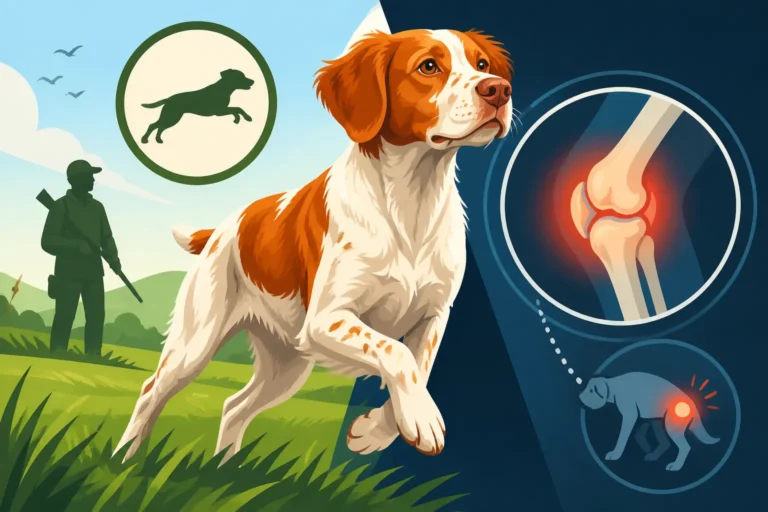
Arthritis is perhaps the most common reason an active, aging dog suddenly slows down. Brittanys are notoriously energetic, and years of running, jumping, and hard braking in the field can take a toll on their joints. While arthritis develops gradually, the pain it causes can seem to appear suddenly. One day, they might be managing the discomfort, the next, a specific movement or a particularly strenuous day tips them over the edge, and they become overtly reluctant to move.
Hip and elbow dysplasia, even if mild in their younger years, can progress significantly with age, leading to severe arthritis. The cartilage in their joints wears thin, leading to bone-on-bone friction, inflammation, and chronic pain. Other joints, like the knees, shoulders, and even the spine, can also be affected. A dog might compensate by shifting weight or altering their gait, but eventually, this compensation becomes unsustainable. Suddenly, they avoid stairs, struggle to get up from a lying position, or refuse to jump into the car. If you're wondering about the typical timeline for this condition, you might find our article The Age a Brittany Gets Arthritis helpful.
It's not just the big, obvious joints either. Smaller joints can also develop issues, and sometimes, the pain isn't localized to a specific limb but manifests as general stiffness and reluctance to move the entire body. The key here is that while the underlying condition has been brewing, its overt symptoms can feel like an overnight change to us. X-rays are often needed to confirm arthritis and determine its severity, helping your vet formulate a pain management plan.
Internal Organ Dysfunction: The Silent Slowdown
Many internal diseases can cause a generalized feeling of malaise, weakness, and decreased energy that you perceive as a sudden slowdown. These conditions often progress silently, with dogs showing few signs until the disease is quite advanced.
- Heart Disease: An aging Brittany may develop heart conditions, such as valvular disease or an enlarged heart. A struggling heart can't pump enough oxygenated blood to the muscles and organs, leading to fatigue, shortness of breath (which might manifest as panting more after mild exertion), and a reduced ability to exercise. What might look like simple tiredness could be a sign of a cardiovascular issue.
- Kidney Disease: The kidneys play a crucial role in filtering waste from the blood. As kidney function declines, toxins build up in the body, making a dog feel nauseous, lethargic, and generally unwell. Increased thirst and urination are common signs, but sometimes a generalized weakness is the first thing an owner notices.
- Liver Disease: The liver is vital for metabolism and detoxification. When it's not functioning correctly, it can lead to a host of symptoms, including lethargy, loss of appetite, and weakness.
- Cancer: Unfortunately, cancer is a significant concern for aging dogs. Many types of cancer, especially internal tumors, can cause vague symptoms like generalized weakness, weight loss, decreased appetite, and profound lethargy long before a mass is palpable or other specific symptoms appear. This is a particularly common cause of sudden decline. Our article What Most Brittany Spaniels Die Of delves deeper into this unfortunate reality.
Diagnosing these internal issues usually requires blood tests, urine analysis, and sometimes imaging like X-rays or ultrasound. Early detection can make a significant difference in managing these conditions and improving your Brittany's quality of life.
Hormonal Imbalances and Other Systemic Conditions
Beyond the more common joint and organ issues, hormonal imbalances and other systemic conditions can also contribute to a sudden or pronounced slowdown in an aging Brittany. These are often overlooked but can have a profound impact on their energy levels and overall well-being.
- Hypothyroidism: This condition, where the thyroid gland doesn't produce enough hormones, can lead to a significant drop in metabolism. Affected dogs often become lethargic, gain weight despite no change in diet, show changes in their coat quality, and generally slow down. The change might seem gradual over time, but the cumulative effect can present as a sudden loss of stamina and enthusiasm. A simple blood test can diagnose hypothyroidism, and it's highly treatable with daily medication. If you've observed these signs, you might want to look into Signs a Brittany's Thyroid Is Low.
- Anemia: A sudden or chronic blood loss, or a problem with red blood cell production, can lead to anemia. An anemic dog lacks sufficient oxygen-carrying capacity in their blood, resulting in weakness, extreme fatigue, pale gums, and a general lack of energy. Anemia itself is often a symptom of another underlying condition, such as internal bleeding, chronic disease, or certain cancers.
- Infections: While a sudden, severe infection usually presents with more acute symptoms like fever, vomiting, or diarrhea, a chronic or simmering infection (like a urinary tract infection or dental abscess) can cause a persistent feeling of being unwell, leading to a general slowdown. Even an ear infection can cause enough discomfort to reduce a dog's desire to move. We address ear infections specifically in Why a Brittany's Ears Get Infected Every Season.
These conditions highlight the importance of not just looking at outward signs, but considering what might be happening internally. A comprehensive vet visit that includes blood work is often the first step to uncovering these hidden issues.
Unseen Factors and What to Observe
Sometimes, the reasons behind an aging Brittany's sudden slowdown aren't immediately obvious, requiring a closer look at their daily life and a detailed discussion with your veterinarian. Subtle changes in their environment, diet, or even their mental state can manifest as a significant decrease in physical activity.
Nutritional Needs and Weight Management in Senior Brittanys
As Brittanys age, their metabolism often slows down, and their activity levels naturally decrease, even without a specific health issue. This means their nutritional needs change. If their diet isn't adjusted, they can easily gain weight, which then puts extra strain on their joints and cardiovascular system. An overweight senior Brittany will naturally slow down because carrying extra pounds is simply harder on their body. They might struggle more on walks, pant more easily, and be reluctant to jump or play. For a more detailed look into how diet changes with age, consider reading Whether an Aging Brittany Needs Fewer Calories.
Conversely, some aging Brittanys might start losing weight, especially if they have underlying health issues or a decreased appetite. Muscle mass naturally declines with age, a condition known as sarcopenia, making them weaker and less able to support themselves. This muscle loss can make movement difficult and contribute significantly to a perceived slowdown. It’s a vicious cycle: pain leads to less movement, which leads to muscle atrophy, further exacerbating weakness and reluctance to move. Regularly weighing your aging Brittany and assessing their body condition is crucial, and discussing their diet with your vet can help ensure they're getting the right nutrients for their age and activity level. You can learn more in How Often an Aging Brittany Should Be Weighed.
Cognitive Changes Mimicking Physical Slowness
While a sudden slowdown is most often physical, cognitive decline can sometimes manifest in ways that look like a lack of physical energy or interest. Canine Cognitive Dysfunction (CCD), similar to Alzheimer's in humans, can affect an aging Brittany's perception, memory, and spatial awareness. While it typically involves more than just physical slowness, a dog with CCD might become disoriented, anxious, or less confident in navigating their environment. This can lead to a reluctance to move, explore, or engage in activities they once loved.
For example, a dog with CCD might hesitate at doorways, get "stuck" in corners, or become less interested in going outside because the world feels more confusing or overwhelming. They might sleep more during the day and be restless at night. While these aren't purely physical symptoms, the resulting decrease in activity can certainly look like a physical slowdown to an owner. It’s important to distinguish between genuine physical pain or weakness and a loss of cognitive function that impacts their desire or ability to move confidently. Observing other signs of CCD, such as changes in sleep-wake cycles, house-soiling, or altered interactions, can help differentiate.
The Importance of a Thorough Veterinary Workup
When your aging Brittany suddenly slows down, the most crucial step you can take is to schedule a comprehensive veterinary examination. This isn't just a routine check-up; it's an investigative process to uncover the root cause of the change. Your vet will start with a thorough physical exam, checking their joints, feeling for lumps, listening to their heart and lungs, and assessing their overall body condition.
Beyond the physical exam, a diagnostic workup is almost always necessary. This typically includes:
- Bloodwork: A complete blood count (CBC) can reveal anemia, infection, or inflammation. A chemistry panel assesses organ function (kidneys, liver, pancreas) and screens for conditions like diabetes and hypothyroidism. This is a cornerstone for understanding your dog's internal health.
- Urinalysis: This can detect kidney disease, urinary tract infections, and diabetes.
- X-rays: Radiographs of the hips, spine, and other joints can identify arthritis, disc disease, and other orthopedic issues. Chest X-rays can check for heart enlargement, lung disease, or tumors.
- Other Imaging: Depending on initial findings, your vet might recommend ultrasound for abdominal organs or even an MRI for neurological issues.
This comprehensive approach allows your vet to either pinpoint a specific diagnosis or rule out serious conditions. Even if no single "cause" is found, the information gathered helps create a tailored management plan to support your Brittany's comfort and well-being. Don't hesitate to discuss what a comprehensive vet check-up for an older dog should entail; our article What a Brittany's Yearly Bloodwork Should Cover offers more insights.
Supporting Your Aging Brittany Through This New Phase
Once you have a better understanding of why your aging Brittany is slowing down, the next step is to implement a plan to support them. This phase is about managing their comfort, adapting their lifestyle, and ensuring they continue to enjoy their golden years as much as possible. It might mean changes to your routine, but seeing your dog more comfortable and engaged makes it all worthwhile.
Managing Pain and Improving Mobility
For many aging Brittanys, pain management becomes a central part of their care, especially if arthritis or other orthopedic issues are the primary cause of their slowdown. There's a wide range of options available, and a multi-modal approach often yields the best results.
- Medication: Non-steroidal anti-inflammatory drugs (NSAIDs) are commonly prescribed to reduce pain and inflammation. Other pain medications, nerve pain suppressants, or joint-specific treatments might also be used. It's crucial to work closely with your vet to find the right combination and dosage, as well as to monitor for any side effects. Remember, a dog’s pain is complex, and it's not always a case of one pill solving everything. Finding the right balance for your dog might take some adjustment. To get a sense of what this might entail, read What an Aging Brittany's Medication Costs.
- Joint Supplements: Glucosamine, chondroitin, MSM, and Omega-3 fatty acids can support joint health and reduce inflammation. While not typically a standalone solution for significant pain, they can be a valuable addition to a pain management regimen.
- Physical Therapy & Rehabilitation: Just like in humans, physical therapy can do wonders for an aging dog's mobility. This might include therapeutic exercises, hydrotherapy (swimming in a controlled environment), massage, acupuncture, or even laser therapy. These treatments can strengthen supporting muscles, improve range of motion, and reduce pain without relying solely on medication.
- Environmental Adjustments: Simple changes at home can make a huge difference. Ramps for beds and cars, non-slip rugs on slick floors, and orthopedic beds can significantly improve your Brittany's comfort and reduce the effort required for daily movements.
Remember that supporting an aging dog's mobility is an ongoing process. Regular check-ups with your vet are essential to adjust treatment plans as their needs change.
Adapting Routine and Environment
Even with excellent pain management, an aging Brittany's capabilities will naturally evolve. Adapting their daily routine and home environment can help them stay comfortable, safe, and engaged, even if they can't bound through fields quite like they used to.
- Adjust Exercise: While your Brittany still needs exercise, the intensity and duration might need to change. Shorter, more frequent walks are often better than one long, strenuous outing. Gentle strolls in soft grass, swimming in warm water, or even mental stimulation games can replace high-impact activities. Pay attention to their signals; if they're lagging or stiff afterward, you've likely overdone it. The goal is to keep them moving without causing pain. Even an aging Brittany still wants to hunt, but the demands might need to be modified. You can read more in Whether an Aging Brittany Still Wants to Hunt.
- Comfort in the Home: Ensure they have a warm, comfortable, easily accessible sleeping spot away from drafts. Elevated food and water bowls can make eating and drinking more comfortable for dogs with neck or back pain. If they struggle on slippery floors, consider runners or anti-slip socks.
- Mental Stimulation: Just because their body is slowing down doesn't mean their mind is. Continue to engage them with puzzle toys, short training sessions, or scent work. This keeps their brain active and prevents boredom, which can sometimes manifest as restlessness or anxiety.
- Handling and Assistance: Be mindful when lifting or helping your Brittany. Support their weight evenly, especially if they have back or joint issues. A supportive harness can be incredibly helpful for assisting them up stairs or into a vehicle.
These adaptations don't mean your Brittany's life is over; it simply means their needs have shifted. By adjusting to these new requirements, you're ensuring they can continue to be a cherished part of your family.
Considering Pet Insurance for Ongoing Care
The reality of caring for an aging Brittany who suddenly slows down is that it often involves significant veterinary costs. Diagnosing the issue with comprehensive bloodwork, X-rays, and potentially other imaging can be expensive, and ongoing treatments for chronic conditions like arthritis, heart disease, or hypothyroidism can add up over time. This is where pet insurance, like plans offered by Healthy Paws, can provide immense peace of mind and financial support.
Having a pet insurance policy in place, especially one that covers accidents and illnesses, can help you make care decisions based on what's best for your Brittany, rather than being solely driven by cost. It can cover a percentage of unexpected vet bills for diagnostics, medications, specialist visits, and even some rehabilitation therapies. While pre-existing conditions typically aren't covered, if your Brittany is still relatively healthy, or if their slowdown is the first manifestation of a new condition, a policy could offer substantial relief for the expenses that follow. Consider researching options from providers like Healthy Paws to understand how a policy might alleviate the financial stress associated with long-term care for an aging companion. Even if you don't have it now, understanding what it covers can help you plan for future potential needs.
Disclaimer
This article is for general informational purposes only and does not constitute professional advice. Laws, prices and regulations vary by location and change over time. Consult a qualified professional for guidance on your specific situation.