What to Check on a Brittany After Every Outing
After a fantastic day of hunting, a vigorous training session, or even just an extra-long walk through dense brush, it’s easy to want to just collapse on the couch with your Brittany. But resisting that urge, even for a few minutes, is critical. Our active, enthusiastic Brittanys are magnets for all sorts of field hazards, from insidious burrs to hidden ticks, and a quick post-outing check can literally save them from pain, infection, or a costly vet visit. This guide will walk you through a thorough head-to-tail inspection to ensure your loyal hunting partner stays healthy and ready for the next adventure.
The Importance of Post-Outing Checks
When your Brittany comes bounding back to the truck or trots through the backdoor after a long day, they might look perfectly fine. But don't let their boundless energy fool you. Their dense coat, feathered legs, and inquisitive nature mean they're often bringing home more than just good memories. A diligent post-outing check is your first line of defense against minor irritations escalating into serious health concerns.
Why Every Outing Demands Attention
Think about it: your Brittany is diving through thick cover, splashing through muddy water, sniffing every inch of the ground, and generally putting their body through a rigorous workout. Every single outing, no matter how short or seemingly benign, exposes them to potential issues. A tiny burr overlooked could migrate into an armpit and cause painful matting or a skin irritation. A tick, no bigger than a poppy seed when it first latches on, could transmit disease if not removed promptly. A small cut on a paw pad could become infected if left unnoticed. It’s not about being paranoid; it’s about being proactive and recognizing the reality of what our hunting dogs encounter in their element. They’re too focused on the task at hand to worry about these things, so it’s up to us to be their guardians.
Preventative Care for Longevity
These routine checks are more than just damage control; they are fundamental to your Brittany's long-term health and comfort. By consistently inspecting them, you're catching problems when they are small and manageable. This habit can prevent nagging chronic conditions, reduce the likelihood of severe infections, and ultimately, extend the quality of your dog's active life. Imagine the difference between removing a simple grass awn from an ear canal versus dealing with a deep, painful infection that has set in because that awn was allowed to fester. Or finding a small cut on a pad that needs a quick cleaning and wrap, versus discovering a severely infected wound days later that requires antibiotics and weeks of rest. Investing a few minutes after each outing is an investment in your Brittany's well-being and can save you a significant amount of stress and vet expenses down the road.
Brittany Specific Vulnerabilities
Our beloved Brittanys, with their medium build, energetic personalities, and distinctive coats, have particular areas that are more prone to issues after time in the field. Their long, pendulous ears are prime candidates for trapping moisture, dirt, and foreign objects, leading to infections. Why a Brittany's Ears Get Infected Every Season is a common lament among owners. Their abundant feathering on legs, chest, and belly acts like a natural magnet for burrs, stickers, and debris, which can quickly matt and pull at the skin. Their high prey drive means they're often pushing through the thickest cover, making them susceptible to scratches, punctures, and the insidious creep of foxtails. Understanding these breed-specific predispositions helps you focus your post-outing checks where they're most needed, ensuring you don't miss a critical area.
Head-to-Tail Inspection: The Basics
Establishing a consistent routine for your post-outing check makes it more efficient and less likely that you'll miss something important. It's not just about looking; it's about feeling, sniffing, and actively searching for anything out of the ordinary.
Starting Point and Routine
The best approach is to have a consistent starting point and work methodically. Many owners find it easiest to start at the head and work their way down to the tail, or vice versa. The important thing is consistency. Always start in the same place and follow the same path so it becomes second nature. A good spot for this routine is often right outside the truck after the hunt, or on a grooming table or comfortable mat at home. Make it a positive experience with praise and perhaps a small treat. This helps your Brittany associate the inspection with something good, making them more cooperative.
A simple routine could be:
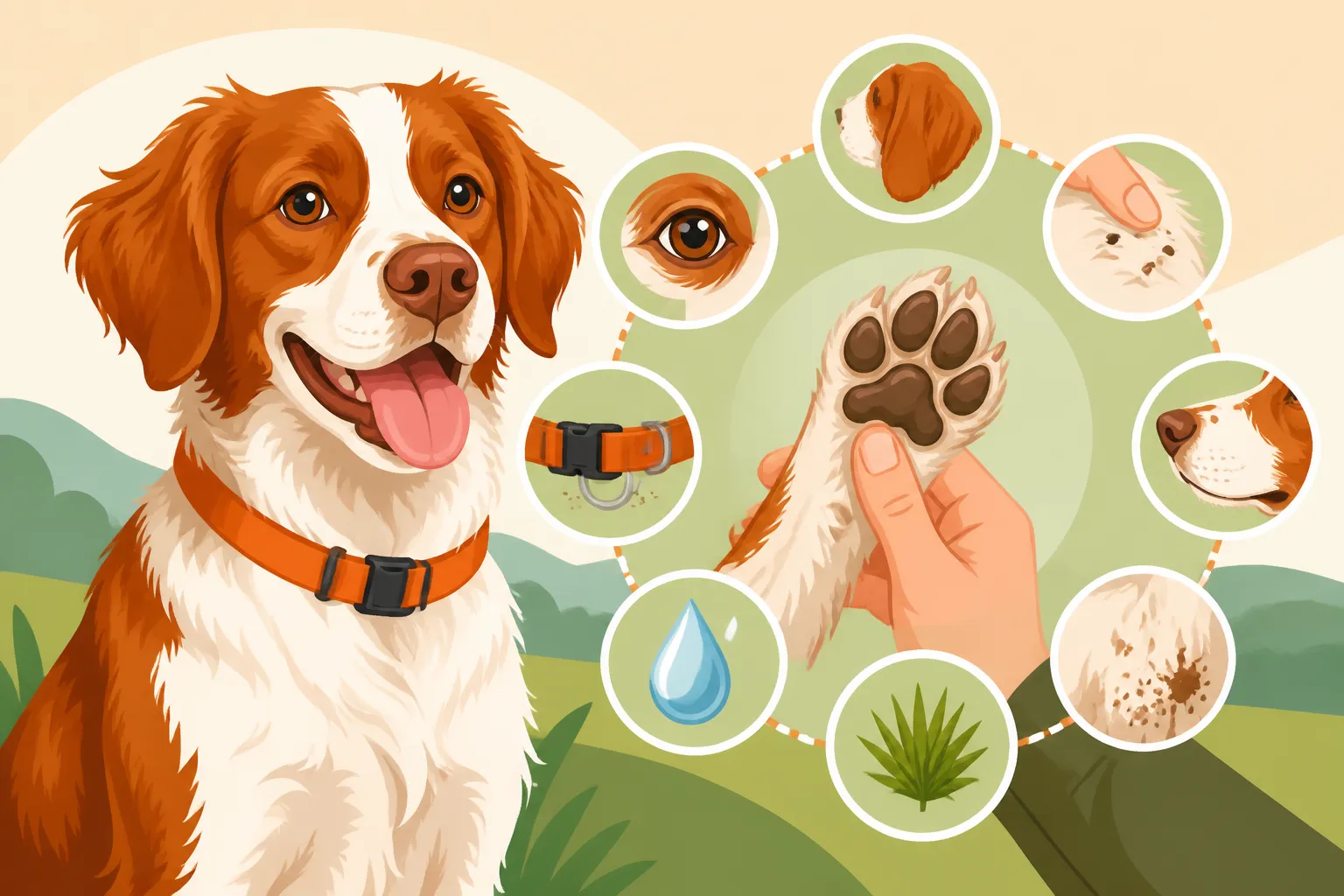
- Head and Face: Eyes, ears, nose, mouth.
- Neck and Chest: Collar area, front legs, armpits.
- Back and Sides: Running your hands over their ribs, spine, and flanks.
- Belly and Groin: Soft underside, checking for debris.
- Rear Legs and Tail: Hocks, paw pads, and the tail base.
This systematic approach ensures no area is overlooked, even on a tired dog.
General Body Scan
Once you've established your routine, the general body scan involves a thorough tactile examination. Run your hands slowly and firmly over every inch of your Brittany's body, paying close attention to what you feel beneath their coat. You're looking for:
- Lumps, Bumps, or Swelling: These could indicate bites, stings, injuries, or even something more serious. Pay attention to any new formations or changes in existing ones.
- Tenderness or Pain: Notice if your Brittany flinches, pulls away, or vocalizes when you touch a specific area. This is a clear sign of discomfort or injury.
- Heat: Any localized warmth could point to inflammation, infection, or a hot spot developing.
- Moisture or Stickiness: This might indicate a wound that is weeping, or even sap or other environmental goo caught in the coat.
Don't just skim the surface; really get your fingers down to the skin, parting the hair as needed. This hands-on approach is often the best way to detect problems that aren't immediately visible, especially with a Brittany's dense coat.
Checking for External Parasites
Ticks are perhaps the most common and concerning external parasite our Brittanys pick up in the field. They can carry diseases like Lyme disease, Ehrlichiosis, and Anaplasmosis, making prompt removal essential. After every outing, especially if you've been in tall grasses or wooded areas, a thorough tick check is non-negotiable.
Here's how to tackle it:
- Systematic Search: Use your established head-to-tail routine. Ticks love warm, dark places, so pay extra attention to ears (inside and out), between toes, in armpits, in the groin area, under the tail, and around the face and neck, particularly under the collar.
- Feel, Don't Just Look: Ticks can be tiny, especially deer ticks, and might feel like a small bump or scab. Run your fingertips slowly over their skin, feeling for any irregularities.
- Part the Fur: Brittanys have a beautiful, dense coat, but it can hide a lot. Use your fingers or a fine-toothed comb to part the fur and get a clear view of the skin.
- Removal: If you find a tick, remove it carefully with fine-tipped tweezers or a specialized tick removal tool. Grasp the tick as close to the skin as possible and pull straight up with steady pressure. Avoid twisting or squeezing the tick's body, as this can leave mouthparts embedded or inject more disease-causing agents.
Beyond ticks, also keep an eye out for fleas, though they are less common in the field and more likely to be found if your dog isn't on a preventative. Regular use of a quality flea and tick preventative, readily available from retailers like Chewy or Amazon, is key, but these checks add an extra layer of protection.
Special Attention Areas: Ears, Eyes, and Nose
These sensory organs are on the front lines when your Brittany is exploring and working, making them highly susceptible to injury and irritation. A little extra focus here can save a lot of discomfort.
Ears: The Dangling Danger Zone
A Brittany's long, dropped ears are iconic, but they also create a warm, moist environment that's perfect for bacterial and yeast infections. They also act like natural funnels for all sorts of debris.
- Check Inside the Ear Flap: Look for redness, swelling, discharge (waxy, dark, or pus-like), or any unusual odor. A healthy ear should be clean and light pink.
- Inspect the Ear Canal: Gently lift the ear flap and look down into the canal. You're searching for foreign bodies like grass awns (those insidious foxtails are notorious for burrowing into ear canals!), seeds, or excessive wax buildup. If you see anything lodged deep, do not try to remove it yourself – this is a job for your veterinarian, as you could push it further in or damage the eardrum.
- Check for Swelling or Hematomas: Sometimes, vigorous head shaking due to irritation can lead to an aural hematoma, a blood blister that forms between the skin and cartilage of the ear flap. It will feel like a soft, fluid-filled lump on the ear.
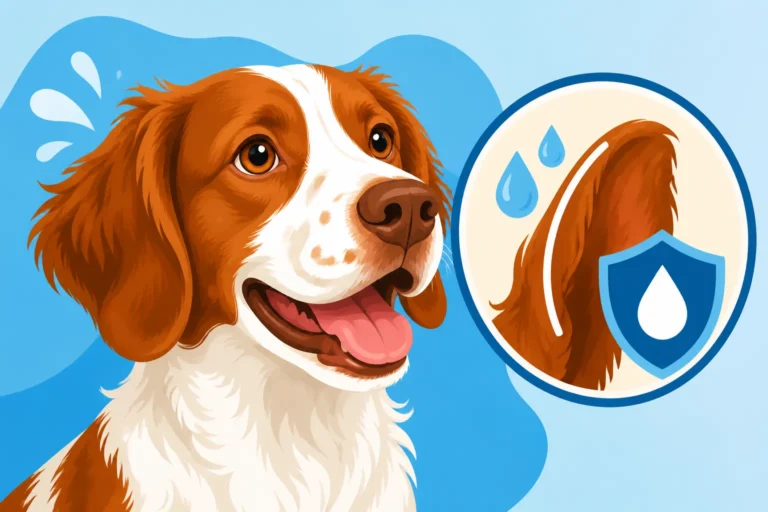
- Moisture Management: After a retrieve from water or a run through wet grass, ensure your Brittany's ears are thoroughly dried. Use a soft towel to gently blot the inside of the ear flap. Some owners use a veterinarian-recommended ear drying solution to help prevent moisture-related issues. For more details on preventing issues, refer to How Often a Brittany's Ears Should Be Checked.
Eyes: Debris and Injury
Your Brittany's eyes are constantly exposed to dust, pollen, branches, and other irritants in the field.
- Look for Redness or Irritation: The whites of the eyes should be clear. Redness, swelling, or excessive tearing are signs of a problem.
- Check for Discharge: Any green, yellow, or thick discharge warrants concern. Clear tearing might just be irritation, but persistent tearing or colored discharge indicates infection or injury.
- Inspect for Foreign Bodies: Carefully pull down the lower eyelid and look for any lodged debris like grass seeds, burrs, or dust. If you see something small and loose, you can try to gently flush it out with a sterile saline eyewash (specifically formulated for animals). If it's embedded, or you can't easily remove it, head to the vet.
- Signs of Pain: Squinting, rubbing the eyes, or keeping an eye closed are all strong indicators of pain and potential injury.
Even a tiny scratch on the cornea can be very painful and lead to serious infection if not treated promptly.
Nose: Scrapes and Sun Exposure
A Brittany's nose is their most powerful tool, constantly working, sniffing, and pushing through cover.
- Check for Scrapes or Cuts: Their nose can get scraped on rough terrain or brush. Look for any abrasions, especially on the top or sides of the muzzle.
- Inspect for Dryness or Cracking: While not directly related to an outing, severe dryness or cracking, particularly if combined with a loss of pigment (the nose turning from black to pinkish), could be a sign of a condition like discoid lupus. Learn more about this in Why a Brittany's Nose Cracks and Bleeds. If your Brittany has a light-colored nose, remember that it can be susceptible to sunburn, especially on bright, sunny days in the field.
Paw and Leg Care: The Hunter's Foundation
A Brittany's legs and paws are their engine and their shock absorbers. They take a beating during every outing, making them high-priority areas for inspection.
Pads and Toes: The Frontline
The paw pads are incredibly tough, but they're not invincible. Rough terrain, ice, sharp stubble, and even prolonged moisture can take their toll.
- Check Each Pad: Feel and visually inspect every single paw pad for cuts, tears, abrasions, cracks, or punctures. Even small stones or thorns can become embedded and cause significant pain.
- Between the Toes: This is a notorious hiding spot for burrs, grass seeds, small sticks, and ticks. Carefully spread each toe and inspect the webbing for any foreign objects or signs of irritation, redness, or swelling. These areas can get quite matted with debris.
- Nails: Check for any broken or cracked nails, which can be extremely painful. If your Brittany is active, consider keeping their nails trimmed short to reduce the risk of snagging and tearing.
- Addressing Injuries: For minor cuts and scrapes, clean the area with an antiseptic solution (like dilute Betadine or chlorhexidine) and apply a small amount of antibiotic ointment. If the cut is deep, bleeding excessively, or wide open, it's time for a vet visit. For more detailed advice, see How to Treat a Brittany's Torn Pad. For particularly harsh terrain, or to prevent issues, you might consider protective paw boots. Read Whether a Brittany Needs Boots in the Field for more insights.
Legs and Joints: Overuse and Injury
Brittanys are agile and athletic, but even the fittest dogs can experience sprains, strains, or general soreness, especially after a demanding day.
- Feel Along the Legs: Run your hands down each leg, feeling for any swelling, heat, or tenderness in the muscles or around the joints (knees, hocks, elbows, shoulders).
- Check Range of Motion (Gently): If you suspect a problem, gently flex and extend the leg joints. Watch for any signs of pain or resistance from your dog. Don't force anything if they resist.
- Look for Lacerations: Brush, thorns, and barbed wire can cause cuts or scrapes on the legs, especially on the feathering. Part the hair to check the skin underneath. The Injuries a Brittany Picks Up in the Field can be varied and often require prompt attention.
Dewclaws: Often Overlooked
The dewclaws, located on the inside of the front legs (some Brittanys may also have them on the rear), are often overlooked but can be a source of trouble.
- Check for Snags or Tears: Because they don't typically bear weight, dewclaws can easily get caught on brush or other obstacles, leading to painful tears or even avulsions (being ripped off).
- Keep Them Trimmed: If your Brittany still has dewclaws, make sure they are trimmed regularly, just like their other nails, to prevent them from growing too long and curling into the paw pad.
Coat and Skin: Beyond the Obvious
A Brittany's distinctive coat, while beautiful and functional in the field, is also an expert at hiding all manner of unwelcome guests and irritations. A thorough visual and tactile inspection is crucial.
Feathering: A Burr Magnet
The lovely feathering on your Brittany's ears, chest, belly, and legs is like Velcro for burrs, seeds, and other plant material. If not removed promptly, these can mat, pull, and cause significant discomfort and skin irritation.
- Systematic Debris Removal: After every outing, especially in burr-prone areas, you must go through the feathering section by section. Gently separate the hair with your fingers, working out any burrs, sticks, or tangled debris. A metal comb or a slicker brush can be helpful, but start with your fingers to break up the worst tangles. For stubborn burrs, a little cornstarch or even a small dab of conditioner or detangling spray can help them slide out more easily. Learn detailed techniques in How to Get Burrs Out of a Brittany's Coat.
- Matting Hotspots: Pay particular attention to areas where friction occurs or where hair is thickest: behind the ears, in the armpits, under the belly, and on the backs of the legs. These are prime spots for matting. Neglected mats can pull on the skin, causing pain and creating an ideal breeding ground for skin infections. Where a Brittany's Feathering Mats First can help you pinpoint these areas.
Skin Underneath: Hot Spots and Irritations
Beneath that beautiful coat, your Brittany's skin can tell a story. Persistent dampness, insect bites, or hidden scrapes can lead to significant problems.
- Look for Redness or Rashes: Part the fur in various places, especially on the belly, chest, and inner thighs, to check for any red patches, rashes, or insect bites.
- Feel for Hot Spots: Hot spots (acute moist dermatitis) are rapidly developing, red, oozing, and intensely itchy skin lesions. They often start from a small irritation like an insect bite or allergic reaction, then the dog licks or chews the area incessantly, making it worse. Feel for any warm, damp, sticky patches on the skin. If you find one, gently trim the hair around it, clean with an antiseptic, and consult your vet as they often require medication to heal.
- Check for Hidden Cuts: Small nicks and cuts from branches or thorns might not be immediately obvious, especially if they're not actively bleeding. Run your hands over your dog's body, feeling for any breaks in the skin. If you find a cut, assess its depth. A minor scrape can be cleaned and monitored, but a deeper laceration might need veterinary attention, especially if it's wide open or located over a joint.
Checking for Foxtails
Foxtails are a hunter's bane, and they deserve their own special mention. These barbed seed heads can penetrate skin, ears, nostrils, and even eyes, migrating under the skin and causing severe infections, abscesses, and pain.
- Where They Hide: Foxtails are most commonly found between toes, in ear canals, in armpits, in the groin, and around the eyes and nose. However, they can embed anywhere on the body, especially in areas with dense fur. Where Foxtails Hide on a Brittany provides a more detailed look.
- Diligent Search: After every outing in foxtail-prone areas, conduct a meticulous search. Spread the toes, part the fur, and check all crevices. Feel for any small, hard, sharp objects.
- Signs of Trouble: If your Brittany is persistently licking a paw, shaking their head, pawing at their face, or has unexplained lameness or swelling, a foxtail should be high on your list of suspects. If you suspect a foxtail has embedded, especially in an ear or nostril, a vet visit is essential for safe removal. Learn more about identifying them in How to Find a Foxtail on a Brittany.
Hydration and Nutrition After Exertion
A successful outing means your Brittany has expended a tremendous amount of energy. Replenishing fluids and nutrients is just as important as checking for scrapes and burrs.
Replenishing Fluids: Crucial for Recovery
Dehydration is a serious concern for active dogs, especially after prolonged exercise, in warm weather, or if they've been running hard.
- Offer Water Immediately: The first thing your Brittany should get after an outing is fresh, clean water. Offer it in a sturdy bowl as soon as you stop. Many hunters keep a water jug and a collapsible bowl in their truck specifically for this purpose.
- Monitor Intake: Observe how much they drink. A dog that only takes a few sips and then ignores the water may still be dehydrated or might be feeling unwell.
- Signs of Dehydration: Look for tacky gums, sunken eyes, and reduced skin elasticity (when you gently pinch a fold of skin on their shoulder, it should snap back quickly; if it stays tented, they may be dehydrated). For extensive details on this, refer to How Much Water a Brittany Needs on a Hunt. Severely dehydrated dogs need immediate veterinary attention.
Post-Hunt Fuel: The Right Kind of Energy
Feeding your Brittany correctly after an intense session helps with muscle repair and energy replenishment.
- When to Feed: Don't feed a large meal immediately after heavy exercise. Give your dog some time to cool down and rehydrate, usually 30-60 minutes, before offering food. Feeding too soon can increase the risk of bloat (gastric dilatation-volvulus), a life-threatening condition.
- What to Feed: For working dogs, a high-quality performance dog food is often recommended, as it provides the necessary calories and nutrients to support their active lifestyle. Consider brands like those found on Chewy or Ollie that offer performance formulations. How Much More a Brittany Eats in Hunting Season will give you an idea of their increased caloric needs. A small, easily digestible snack right after cooling down can also be beneficial before their main meal.
- Monitor Appetite: A Brittany that is normally food-motivated but refuses to eat after an outing might be feeling unwell or excessively fatigued, which could warrant concern.
Temperature Regulation: Cooling Down Safely
Overheating is a real danger, especially during early season hunts or in warmer climates. Even on cooler days, intense exertion can raise a dog's core temperature.
- Active Cooling: After a hunt, particularly if your Brittany is panting heavily and feels warm, help them cool down. This might involve walking them slowly in the shade, hosing them down with cool (not icy) water, or allowing them to rest in an air-conditioned vehicle or room.
- Check Their Gums: Healthy gums should be pink and moist. Brick red or pale gums can indicate overheating or shock, respectively.
- Watch for Signs of Heatstroke: Excessive panting, drooling, weakness, staggering, vomiting, or diarrhea are all emergency signs. If you suspect heatstroke, get your dog to a vet immediately while initiating cooling measures. For comprehensive guidance on managing their temperature, see How to Cool a Brittany Down After a Run.
Recognizing When Professional Help is Needed
Knowing when to manage a minor issue at home and when to seek professional veterinary care is paramount. It’s better to be safe than sorry when it comes to your Brittany’s health.
Signs That Warrant a Vet Visit
While many minor scrapes and burr tangles can be handled with some basic first aid, certain signs should always prompt a call to your veterinarian. Ignoring these can lead to complications or allow a serious condition to worsen.
| Symptom / Concern | Severity | Action |
|---|---|---|
| Deep or gaping cuts | High | Immediate vet visit for cleaning, possible stitches, and antibiotics. |
| Persistent bleeding | High | Vet visit, especially if bleeding doesn't stop with direct pressure within 5-10 minutes. |
| Severe lameness/limping | High | Vet visit. Could indicate sprain, fracture, embedded foreign body, or joint injury. |
| Excessive swelling | High | Vet visit. Could be severe injury, allergic reaction, or infection. |
| Continuous head shaking | High | Vet visit. Strong indication of ear infection or foreign object deep in the ear canal. |
| Eye injury/pain | High | Vet visit. Any deep scratch, puncture, or embedded object in the eye. |
| Disorientation/Staggering | High | Immediate vet visit. Could be heatstroke, neurological issue, or severe injury. |
| Vomiting/Diarrhea | Moderate-High | Vet visit if persistent, severe, contains blood, or accompanied by other signs of illness. |
| Lethargy/Weakness | Moderate-High | Vet visit if profound or doesn't resolve with rest. Could signal illness, severe dehydration, or injury. |
| Fever (Temp > 103°F) | High | Vet visit. Sign of infection or inflammation. |
| Embedded Foxtail | High | Vet visit. Foxtails can migrate and cause serious internal damage. |
Always trust your gut feeling. If something just doesn't seem right with your Brittany, a quick phone call to your vet to describe the symptoms is always a good idea. They can help you determine if an office visit is necessary.
First Aid vs. Vet Care
Understanding the distinction between what you can reasonably manage at home and what requires professional intervention is key.
- Home First Aid: Minor surface cuts (that aren't deep or wide open), small abrasions, simple burr removal, tick removal, and general cleaning of dirty paws or ears often fall into the realm of home care. A well-stocked canine first-aid kit is invaluable for these situations, containing items like antiseptic wipes, sterile saline solution, gauze, adhesive tape, antibiotic ointment, and tweezers.
- Veterinary Care: Any injury that involves significant bleeding, deep tissue damage, suspected fractures, eye trauma, signs of severe pain, or suspected internal issues (like bloat or heatstroke) absolutely requires a veterinarian. Also, if you’re unsure about the nature of an injury or if your home treatment isn't improving the situation, always err on the side of caution and consult your vet. They have the diagnostic tools and expertise to properly assess and treat more complex problems.
Documenting and Monitoring
When you do notice something concerning, whether you manage it at home or take your Brittany to the vet, it’s helpful to document what you find.
- Take Notes: Jot down when you noticed the issue, its location, how it looks (size, color, discharge), and any changes you observe over time. Note when and how much you cleaned it or what first aid you applied.
- Take Pictures: A picture can be incredibly helpful for your vet to see the injury as it appeared initially, especially if it changes by the time you get to the clinic.
- Monitor: If you're managing a minor issue at home, check it regularly (several times a day) for any signs of worsening – increased redness, swelling, pain, or pus. If it's not improving or seems to be getting worse, that's your cue to seek veterinary help. Consistent monitoring allows you to catch any downward turn quickly, potentially preventing more severe complications.
By being observant, proactive, and knowing when to call in the professionals, you can keep your Brittany in top condition, ready for many more years of joyful companionship and field adventures.
Disclaimer
This article is for general informational purposes only and does not constitute professional advice. Laws, prices and regulations vary by location and change over time. Consult a qualified professional for guidance on your specific situation.