What to Do With a Brittany After Every Hunt
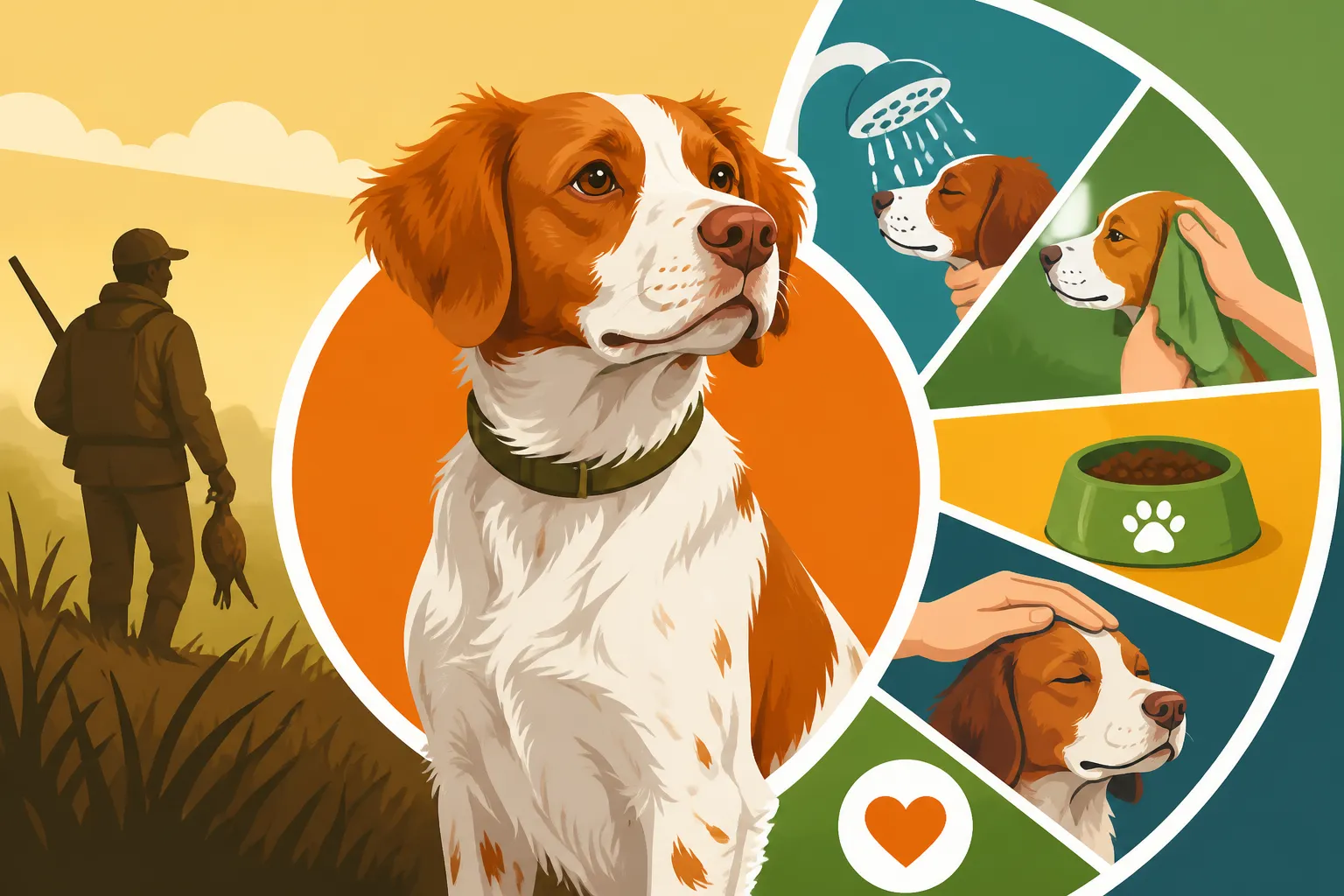
There’s a unique feeling that settles over you after a long, successful day in the field with your Brittany. The crisp air, the satisfaction of a well-executed point, and the sheer joy of watching your dog do what it was born to do. But as you head back to the truck, tired but content, the work isn't quite over. In fact, what you do in those crucial moments and hours after the hunt is just as vital as the training and conditioning that went into preparing your Brittany for the field. Neglecting post-hunt care can lead to painful injuries, nasty infections, and a general decline in your hunting partner's well-being. This guide is all about giving your Brittany the meticulous care it deserves after a demanding day, ensuring they stay healthy, happy, and ready for the next adventure.
Immediate Post-Hunt Assessment: The First Few Minutes Back at the Truck
That initial minute or two when your Brittany jumps back into the truck after a hard hunt might seem like a time for celebration and head scratches, but it’s actually a critical window for a quick, yet thorough, assessment. This isn’t the time for a deep dive, but rather a preliminary check for anything glaringly wrong. Think of it as triage in the field – addressing the most urgent needs before you even hit the road for home.
Checking for Obvious Injuries and Debris
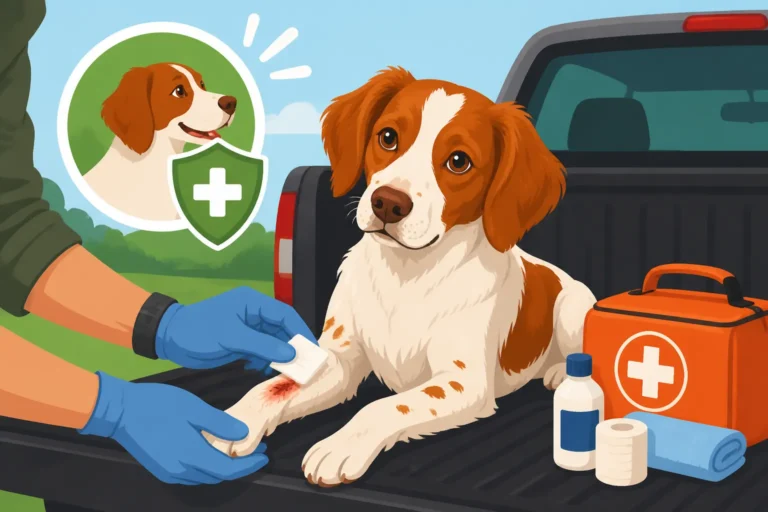
The moment your Brittany is safely loaded, take a quick glance over their entire body. Are they limping? Is there any obvious blood? Are they favoring a paw? Sometimes, a nasty thorn or a piece of sharp stubble can lodge itself deep, causing immediate discomfort. I've been there, pulling burrs out of a thick coat or noticing a small cut on a pad right as my dog hopped in the truck. You might not see everything, but you're looking for the big stuff first. Their demeanor can tell you a lot too; a dog that's usually bouncing might be unusually subdued, or perhaps overly licking a certain spot. Pay attention to how they get in and out of the vehicle, as this can reveal stiffness or pain in their joints. It’s about more than just checking their physical state; it’s about reading their body language for any subtle cues that something isn't quite right. Early detection here can prevent a minor issue from becoming a major one, potentially saving you a trip to the emergency vet later. You might be surprised at The Injuries a Brittany Picks Up in the Field even on what seemed like an easy day.
Initial Hydration and Cooling Down
Brittanys are high-energy dogs, and a hunt, especially in warmer early season or milder late-season weather, can lead to overheating and dehydration. Even if it feels cool to you, your dog is working harder, covered in a fur coat. Their internal temperature can soar. The very first thing I do, even before I start looking for burrs, is offer water. Don't just dump a bowl of water in front of them; offer it slowly, in reasonable quantities. They’ll likely gulp it down, but you don't want them to drink too fast or too much at once, which can sometimes lead to an upset stomach or worse, especially if they are already gassed. Have a designated water bottle and collapsible bowl ready in your truck. Some hunters even carry a small cooler with ice water to help cool down their dogs faster. How Much Water a Brittany Needs on a Hunt is often more than you think. While they drink, you can start your cool-down process. Take off their vest, if they wear one, and let them get some air. If it's a hot day, you can gently wet their belly and armpits with cool (not ice-cold) water to help bring their core temperature down. Getting them into the shade, if available, is also crucial. It's about easing them back into a resting state, not a sudden shock. Keep an eye out for Signs a Brittany Is Overheating in the Field, like excessive panting, bright red gums, or staggering.
Quick Visual Scan for Ticks and Other Pests
As much as we love the outdoors, it comes with unwelcome hitchhikers. Ticks are a constant menace, and catching them early is paramount for preventing disease. While you're offering water and doing your quick injury check, run your hands over your Brittany's head, neck, and chest. These are common spots where ticks first latch on. You're not doing a full-body search yet, just a preliminary sweep for anything obvious. It’s astonishing How Many Ticks a Brittany Picks Up in a Season in some areas, so this quick scan is just the first line of defense. Similarly, quickly check for any large grass seeds or burrs that are easily visible or felt, especially around the ears and between the toes. This initial check reduces the number of pests you'll have to deal with later and makes the deeper grooming session less daunting. A quick swipe with a tick removal tool or even just pulling off a few easy-to-spot burrs now saves you time and your dog discomfort down the road.
Comprehensive Coat and Skin Examination: Beyond the Surface
Once you're back home, or at least in a more comfortable and well-lit environment than the tailgate of your truck, it's time for a truly thorough examination of your Brittany's coat and skin. Their beautiful feathering, while striking, can be a magnet for debris and a hiding spot for pests, requiring meticulous attention.
Dealing with Burrs, Thorns, and Tangled Feathering
A Brittany’s feathering, especially on its legs, belly, and ears, is magnificent, but it's also a magnet for burrs, thorns, and all sorts of vegetation from the field. Trying to ignore these until the next day is a recipe for disaster; they will only tighten, mat, and become more painful. Begin by gently working through the coat with your fingers, feeling for anything embedded. For stubborn burrs, don't just yank them out. That's painful and can break the hair. Instead, use a slicker brush or a metal comb, working small sections at a time. Sometimes a detangling spray or even a little cornstarch can help loosen them up. A dab of olive oil or coconut oil rubbed into the burr can sometimes make it slide out easier without pulling on the hair too much. Pay extra attention to the areas where the feathering is longest and thickest – behind the ears, on the chest, and the "pants" on the back legs. These areas can become a tangled mess if not addressed promptly. It can be a tedious process, but your Brittany will thank you. Getting Burrs, Foxtails and Ticks on a Brittany sorted out quickly prevents skin irritation, hot spots, and painful matting that can necessitate shaving.
Deep Dive into Tick and Foxtail Inspection
This is where you need to be methodical. After a full day in prime bird cover, your Brittany is likely hosting more than just a few ticks. Starting from the head, work your way down their body, section by section. Part their fur, looking closely at the skin. Ticks love warm, dark places: inside and around the ears, between the toes, in the armpits, groin, and under the tail. Feel for small bumps, which could be engorged ticks. Remove any ticks you find with a tick removal tool, twisting gently rather than pulling straight up to ensure you get the head out. Foxtails are another insidious threat. These barbed seed heads can migrate under the skin, causing abscesses and serious infections. Check everywhere – ears (inside and out), nostrils, eyes, gums, and between the toes are common entry points. They are notoriously hard to spot until they cause problems. If you suspect a foxtail has entered a sensitive area or disappeared under the skin, a vet visit is imperative. Using a bright flashlight can help you spot these unwelcome guests, especially on lighter-colored skin or in sparse areas of fur. This is also a good opportunity to check for any minor scrapes or punctures that might have been hidden by dirt or fur.
Cleaning Mud, Grime, and Contaminants
Depending on the terrain, your Brittany might come home caked in mud, splashed with marsh water, or covered in dust. While their coats are somewhat water-repellent, a good cleaning session is often necessary, especially if they’ve been in stagnant water or areas with unknown contaminants. For light dust or dry dirt, a thorough brushing with a stiff bristle brush can often do the trick. For mud or wet grime, a rinse with plain water is usually sufficient. Avoid over-bathing with shampoo, as this can strip natural oils from their skin, leading to dryness and irritation. However, if they've rolled in something truly foul or been exposed to chemicals (like pesticides in a field), a gentle dog shampoo is warranted. Make sure to rinse thoroughly to remove all soap residue, which can also irritate the skin. Pay special attention to their belly, legs, and feathering, where dirt tends to accumulate most. A good rinse or bath after a hunt also helps to wash away pollen and other allergens that might trigger skin issues later on. Remember to towel dry them thoroughly afterward, particularly if the weather is cool.
Dedicated Ear Care: Protecting Against the Brittany's Weak Spot
Brittanys, with their beautiful, floppy drop ears, are prone to ear infections. The design of their ears creates a warm, moist, and poorly ventilated canal – a perfect breeding ground for bacteria and yeast. After a day in the field, where they might have been through tall grasses, brush, or even water, their ears need extra attention. Neglecting this crucial step almost guarantees a trip to the vet down the line.
Thorough Drying After Water Work
If your Brittany has been retrieving from water, running through dew-soaked grass, or just got caught in a sudden downpour, their ears are likely damp inside. This moisture, trapped by their floppy ear leather, is the primary culprit in ear infections. As soon as you can, gently lift their ear flaps and use a soft, absorbent towel or even a cotton ball to dry the visible parts of the ear canal. Don't probe too deeply, as you could push debris further in or damage delicate structures. Focus on the pinna (the ear flap) and the opening of the ear canal. Many hunters carry a small bottle of ear-drying solution specifically designed for dogs, which can be used after water exposure to help evaporate any lingering moisture. Just a few drops into each ear, followed by a gentle massage at the base of the ear, can make a huge difference. Regular and diligent drying will significantly reduce the chances of your Brittany developing an uncomfortable and painful ear infection. It's a simple step that pays huge dividends in their comfort and health.
Cleaning the Ear Canal and Pinna
Beyond just drying, a routine cleaning helps remove accumulated wax, dirt, and any foreign material that might have found its way in. Again, don't go poking around with Q-tips deep inside the ear canal. Your vet can show you the proper technique, which usually involves applying a veterinarian-approved ear cleaner into the ear canal, gently massaging the base of the ear to break up debris, and then allowing your dog to shake their head. After they've shaken out the excess, use a cotton ball or soft cloth to wipe away any discharge from the visible outer ear and the inside of the ear flap. You'll be amazed at how much gunk can accumulate. Make sure the cleaning solution is specifically for dogs; human products can be too harsh or have an incorrect pH. This isn't something you need to do daily, but after every hunt, especially if they’ve been in thick cover or water, it's a wise precaution. Regular cleaning helps you stay familiar with what a healthy Brittany ear looks and smells like, making it easier to spot issues. Remember, Why a Brittany's Ears Get Infected Every Season is often about this trapped moisture and debris.
Monitoring for Signs of Infection
Even with the best preventative care, ear infections can sometimes strike. That's why consistent monitoring is key. After cleaning and drying, take a moment to look and smell your Brittany's ears. A healthy ear should be relatively clean, pale pink, and have a very faint, neutral odor. Signs of an impending or active infection include redness, swelling, excessive wax production (often dark brown or black), a foul odor (yeasty or pus-like), head shaking, pawing at the ears, or holding one ear at an odd angle. Your Brittany might also become sensitive to touch around the ears. If you notice any of these symptoms, don’t try to treat it yourself with home remedies. It’s time for a vet visit. Early treatment is crucial to prevent the infection from becoming chronic or spreading deeper into the ear. Your vet can diagnose the specific type of infection (bacterial, yeast, mites) and prescribe the appropriate medication. Ignoring these signs will only lead to more pain for your dog and more complicated, expensive treatment down the line. Learning How Often a Brittany's Ears Should Be Checked helps maintain their health.
Foot and Pad Maintenance: The Foundation of Their Performance
Your Brittany’s feet are their livelihood in the field. They are constantly pounding, gripping, and pushing through all sorts of terrain – rocky, thorny, wet, dry, hot, and cold. Without proper care, their pads can crack, tear, or become incredibly sore, putting an abrupt end to their hunting season and causing significant pain. Foot care is non-negotiable for a working Brittany.
Inspecting for Cuts, Cracks, and Abrasions
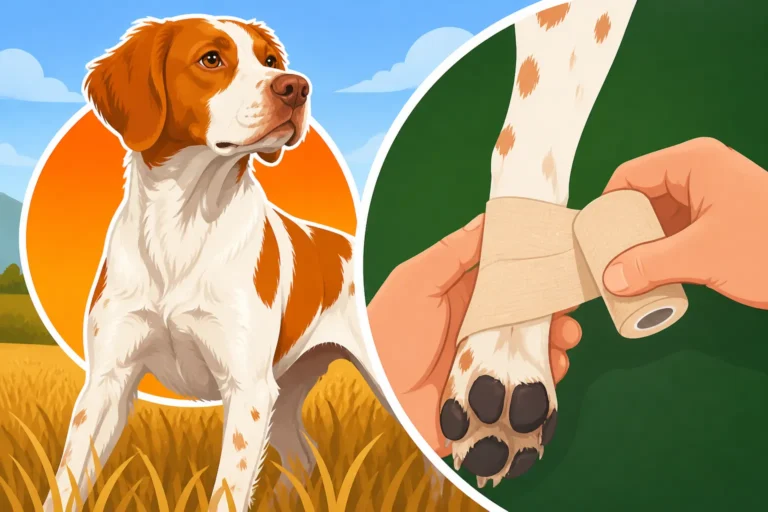
As soon as you can, sit your Brittany down and meticulously examine each paw. Start by checking between the toes for foreign objects like thorns, small stones, or embedded grass seeds. These tiny invaders can cause intense irritation and infection if left unchecked. Spread their toes wide and look closely at the webbing. Then, examine the pads themselves. Are there any cuts, punctures, or abrasions? Are the pads rough, cracked, or unusually tender? Even small nicks can become infected. Feel the pads for any unusual lumps or swelling. Field conditions are tough, and it's common to find minor scrapes. For small cuts, clean the area gently with an antiseptic wipe or a diluted povidone-iodine solution and apply a thin layer of antibiotic ointment. If the cut is deep, bleeding heavily, or looks infected, it’s time to call the vet. Sometimes, if a pad is torn, a temporary bandage might be necessary to protect it until you can get proper veterinary care. Understanding How to Treat a Brittany's Torn Pad can save you a lot of worry in the moment.
Conditioning and Protecting Pads for the Next Outing
While immediate post-hunt care focuses on treating existing issues, a good long-term strategy involves conditioning and protecting their pads proactively. Over a long hunting season, pads can become dry, brittle, and more susceptible to cracking. Regular application of a paw balm or wax can help keep them supple and tough. Products designed for canine paw protection create a barrier against harsh elements and moisturize the skin. Brands like Musher's Secret or generic paw balms available on platforms like Amazon are popular choices. During the off-season, activities like walking on varied terrains – gravel, dirt, grass – can naturally toughen their pads, but avoid excessive running on hot asphalt or abrasive surfaces. After a hunt, once you've cleaned and inspected their paws, consider applying a thin layer of balm to help soothe and restore moisture, especially if the pads feel dry or rough. This helps them recover and prepares them for the next demanding outing.
Addressing Nail and Dewclaw Concerns
Don't forget the nails! Long nails can interfere with your Brittany's gait, making them uncomfortable and increasing the risk of painful tears or breaks, especially if they catch on brush. If your Brittany's nails click on hard floors, they are too long. After a hunt, while you’re already examining their feet, take a moment to check the length of their nails. If needed, a quick trim will make a big difference. Many hunters prefer to keep their working dog's nails very short to prevent snags. If your Brittany has dewclaws, these also need attention. They don't wear down naturally like other nails and can easily grow into the pad if not trimmed regularly. A torn dewclaw is incredibly painful and often requires veterinary attention. If you're not comfortable trimming nails or dewclaws yourself, your vet or a professional groomer can do it for you. This often overlooked aspect of paw care is just as important as pad health for preventing injuries and ensuring your Brittany's comfort in the field.
Refueling and Rehydrating: Restoring Energy Reserves
After hours of intense physical activity, your Brittany's body is depleted of vital nutrients and fluids. Just like a human athlete, they need proper replenishment to recover effectively, repair muscle tissue, and prepare for the next performance. This isn't just about throwing a bowl of kibble at them; it's about strategic nutrition and hydration.
The Importance of Post-Hunt Nutrition
A demanding hunt burns a tremendous amount of calories. Your Brittany needs quality fuel to recover. Don't immediately give them a huge meal right after they've come off the field and are still panting heavily. Just like with water, allow them to cool down and relax a bit first. Typically, waiting 30-60 minutes after significant exertion before offering food is a good practice. When you do feed them, a high-quality, protein-rich dog food is essential. During hunting season, many Brittany owners switch to a "performance" or "sporting dog" formula, which has a higher fat and protein content to meet the increased energy demands. Brands like Purina Pro Plan Sport or Eukanuba Sport are often chosen by active dog owners and are readily available from retailers like Chewy. These specialized formulas help replenish glycogen stores and support muscle repair. How Much More a Brittany Eats in Hunting Season can be substantial, so you might need to increase their portion sizes or add an extra small meal, depending on the intensity and duration of the hunt. Monitor their weight throughout the season; a working Brittany should be lean, but not skinny. If they're losing too much weight, you might need to adjust their caloric intake upwards. Some owners even supplement with a small amount of cooked lean meat or a whole egg for an extra protein boost, but always introduce new foods slowly to avoid stomach upset. For those who prefer fresh food, companies like Ollie provide tailored, human-grade meal plans that can be excellent for recovery, though they tend to be a higher price point.
Hydration Strategies for Optimal Recovery
We touched on immediate post-hunt hydration, but it continues to be important even after you've returned home. Your Brittany likely lost a lot of fluid through panting and urination during the hunt. Keep fresh water accessible at all times. Some dogs aren't big drinkers, or they might be too tired to seek out water immediately. You can encourage hydration by adding a little low-sodium chicken broth to their water or offering ice cubes (a fun way to rehydrate). Another trick is to mix some water into their food, especially if you feed kibble. This ensures they get extra fluids with their meal. Dehydration can lead to muscle cramps, fatigue, and other health issues, slowing down their recovery. It's not just about giving them water; it's about ensuring they consume enough to fully rehydrate their system. Observing their urine color can be a good indicator; very dark urine can signal dehydration, while pale yellow is ideal.
Monitoring Appetite and Digestion
After a strenuous day, it's normal for a Brittany to be incredibly hungry and tired. However, significant loss of appetite or refusal to drink could be a red flag. While a slight delay in eating is common due to excitement or fatigue, a complete refusal to eat or drink for several hours post-hunt warrants attention. Similarly, keep an eye on their digestion. Changes in stool consistency, vomiting, or excessive gas could indicate stress on their system, a reaction to something they ingested in the field, or even an underlying issue. A healthy gut is vital for nutrient absorption and overall well-being. If you notice persistent digestive upset, consult your veterinarian. Sometimes, adding a probiotic supplement can help support gut health, especially for dogs prone to stress-induced digestive issues. Observe their habits over the next 24 hours to ensure they return to their normal eating and drinking routines.
Post-Hunt Comfort and Recovery: Letting Them Recharge
Once the physical checks and nutritional needs are met, the most important thing you can provide your Brittany is comfort and undisturbed rest. Their bodies need to repair, muscles need to relax, and minds need to wind down after the intense focus and exertion of a hunt. This period of quiet recuperation is just as crucial as the high-energy work itself.
Providing a Comfortable and Safe Resting Environment
Think about where your Brittany usually rests at home. After a hunt, make sure this spot is extra inviting. A soft, clean dog bed in a quiet, warm (but not hot) area of the house is ideal. If they typically sleep in a crate, ensure it’s well-ventilated and has comfortable bedding. Avoid loud noises, excessive stimulation, or constant interruptions. Children should be taught to respect the dog's need for quiet time. If your Brittany is wet, make sure they are thoroughly dried before settling down to prevent chilling or skin irritation. A damp dog lying on a hard floor can quickly become stiff and uncomfortable. Many Brittanys love to snuggle, and while some closeness is great, ensure they have their own space to stretch out and truly relax. A good night's sleep is paramount for muscle repair and mental decompression. This downtime also allows their body to naturally reduce any inflammation or soreness from the day's exertions.
Gentle Massage and Muscle Relaxation
Just like human athletes, dogs can benefit from a gentle massage after strenuous activity. While you're doing your post-hunt checks, or once they've had a chance to eat and drink, you can incorporate a light massage into your routine. Focus on the large muscle groups in their shoulders, back, and hindquarters. Use slow, circular motions and pay attention to their reactions. If they flinch or show signs of pain in a particular spot, be gentle or avoid it altogether, as it could indicate an injury. A gentle massage helps improve circulation, reduce muscle soreness, and can be incredibly relaxing for your dog. It’s also a wonderful bonding experience. During this time, you might notice areas of stiffness or tenderness that you missed during your initial checks. This can give you clues about potential overexertion or minor strains that need to be watched. A warm towel applied to particularly stiff areas can also provide soothing relief.
Observing for Lingering Fatigue or Lameness
While some fatigue is normal after a hunt, excessive or prolonged lethargy, or any new lameness, needs careful observation. Your Brittany should gradually regain their usual energy levels over the next 12-24 hours. If they are still extremely tired, struggling to get up, or showing persistent limping the following day, it’s a sign that something more serious might be going on. Watch how they move around the house, how they get up from a lying position, and how they react when you touch different parts of their body. Sometimes, a minor sprain or muscle pull doesn’t show up until the initial adrenaline wears off. Don’t dismiss limping as "just being tired." If the lameness persists, worsens, or is accompanied by swelling, heat, or significant pain, it's time to contact your vet. Early intervention for musculoskeletal injuries can prevent them from becoming chronic issues that impact your Brittany's ability to hunt in the future.
When to Seek Veterinary Attention: Don't Hesitate
Knowing when to consult a veterinarian is a critical part of post-hunt care. While many minor issues can be handled at home, some signs and symptoms demand professional medical attention. Waiting too long can turn a manageable problem into an emergency or a chronic condition.
Recognizing Serious Injuries or Illnesses
There are some clear indicators that your Brittany needs immediate veterinary care after a hunt. These include:
- Excessive bleeding: Any wound that won't stop bleeding after a few minutes of direct pressure.
- Deep lacerations or puncture wounds: Especially if they are on joints, abdomen, or chest. These carry a high risk of infection and internal damage. How to Close a Brittany's Field Laceration often requires more than just field first aid.
- Fractures or dislocations: Obvious deformities, extreme pain, inability to bear weight, or bone protruding through the skin.
- Severe lameness or paralysis: Sudden inability to use a limb, or dragging a limb.
- Signs of internal injury: Swollen abdomen, difficulty breathing, coughing up blood, pale gums, weakness, or collapse.
- Heatstroke: Unrelenting panting, staggering, vomiting, diarrhea, bright red or purple gums, and collapse. How to Cool a Brittany Down After a Run needs to happen quickly, but if symptoms persist, get to a vet.
- Reactions to snake bites or insect stings: Severe swelling, difficulty breathing, collapse, or other signs of anaphylaxis.
- Unrelenting vomiting or diarrhea: Especially if accompanied by blood or extreme lethargy.
- Inability to urinate or defecate: Could indicate a blockage or internal injury.
If you observe any of these, don't delay. Call your emergency vet clinic immediately, describe the situation, and head there as quickly and safely as possible.
Persistent Lameness or Discomfort
It's common for a Brittany to be a little stiff or sore the day after a hard hunt. However, if lameness or discomfort persists for more than 24-48 hours, or if it worsens, it's time to get a professional opinion. What might seem like a simple muscle strain could be something more serious, like a ligament tear (such as a cruciate injury, which Brittanys can be prone to), a stress fracture, or joint inflammation. Cruciate Tears in a Brittany can be debilitating. Your vet can perform a thorough examination, possibly including X-rays or other diagnostics, to pinpoint the cause and recommend appropriate treatment. Early diagnosis and treatment of musculoskeletal issues are crucial for preventing chronic pain and ensuring a full recovery. Don't push a limping dog back into the field; it will only exacerbate the injury. Rest, proper diagnosis, and a rehabilitation plan are usually required.
Unusual Behavior or Changes in Disposition
Beyond physical symptoms, pay close attention to your Brittany’s behavior and disposition. Dogs are masters at hiding pain and discomfort, so subtle changes can be important clues. If your usually outgoing Brittany is withdrawn, unusually irritable, reluctant to play, or seems disoriented, it could be a sign of illness or pain. Changes in appetite or thirst that last more than a day, unusual aggression, or excessive whining can also indicate a problem. Sometimes, a hunting dog might ingest something toxic in the field without you knowing, leading to neurological symptoms or internal distress. Any significant deviation from your dog's normal personality or routine should prompt a call to your vet. You know your Brittany best, and your intuition as an owner is a powerful tool in recognizing when something is truly wrong. A proactive approach to these behavioral changes can catch serious health issues early, offering the best chance for a positive outcome.
Post-Hunt Care Checklist for Your Brittany
To help you keep track of all the essential steps after a hunt, here's a handy checklist you can use. Remember, every hunt and every dog is different, so adapt this as needed.
| Category | Action Item | Immediate (At Truck) | After 30-60 Min (Home) | Ongoing (Next 24 Hrs) | Notes |
|---|---|---|---|---|---|
| Initial Assessment | Quick visual injury check | ✅ | Look for obvious limping, bleeding, or discomfort. | ||
| Offer water slowly | ✅ | ✅ | ✅ | Prevent over-gulping; offer cool (not cold) water. Keep water available. | |
| Initial tick/burr sweep | ✅ | Focus on head, neck, chest for easy grabs. | |||
| Remove vest/gear | ✅ | Allow for air circulation and cooling. | |||
| Coat & Skin | Thorough burr/thorn removal | ✅ | Use slicker brush/comb, detangling spray. Pay attention to feathering. | ||
| Detailed tick/foxtail inspection | ✅ | ✅ | Check ears, armpits, groin, between toes, under tail. Use tick tool. | ||
| Clean mud/grime | ✅ | Brush dry dirt; rinse wet mud. Shampoo only if necessary. Towel dry thoroughly. | |||
| Ear Care | Dry ears thoroughly | ✅ | Especially after water work. Use ear drying solution. | ||
| Clean ear canals & pinna | ✅ | Use vet-approved cleaner; wipe outer ear. | |||
| Monitor for infection signs | ✅ | ✅ | Redness, odor, discharge, pawing. Seek vet if signs appear. | ||
| Paw & Pad Care | Inspect for cuts, cracks, debris | ✅ | ✅ | Spread toes, check webbing and pads. | |
| Apply paw balm/wax | ✅ | Keep pads supple and protected. | |||
| Check/trim nails & dewclaws | ✅ | Prevent snags and overgrowth. | |||
| Nutrition & Hydration | Offer post-hunt meal (after cool down) | ✅ | ✅ | High-quality, high-protein food. Adjust portions for exertion. Consider adding water to food. | |
| Ensure continuous fresh water access | ✅ | ✅ | Encourage drinking. | ||
| Monitor appetite and digestion | ✅ | ✅ | Look for refusal to eat/drink, vomiting, diarrhea. | ||
| Rest & Recovery | Provide comfortable resting spot | ✅ | ✅ | Quiet, warm, soft bedding. | |
| Gentle muscle massage | ✅ | Focus on large muscle groups. | |||
| Observe for lingering lameness/fatigue | ✅ | ✅ | Persistent issues warrant vet contact. | ||
| Vet Attention | Recognize serious injury/illness signs | ✅ | ✅ | ✅ | Severe bleeding, deep cuts, heatstroke, collapse, persistent vomiting. Call vet immediately. |
| Note unusual behavior/disposition | ✅ | ✅ | Withdrawal, irritability, lethargy. |
Disclaimer
This article is for general informational purposes only and does not constitute professional advice. Laws, prices and regulations vary by location and change over time. Consult a qualified professional for guidance on your specific situation.