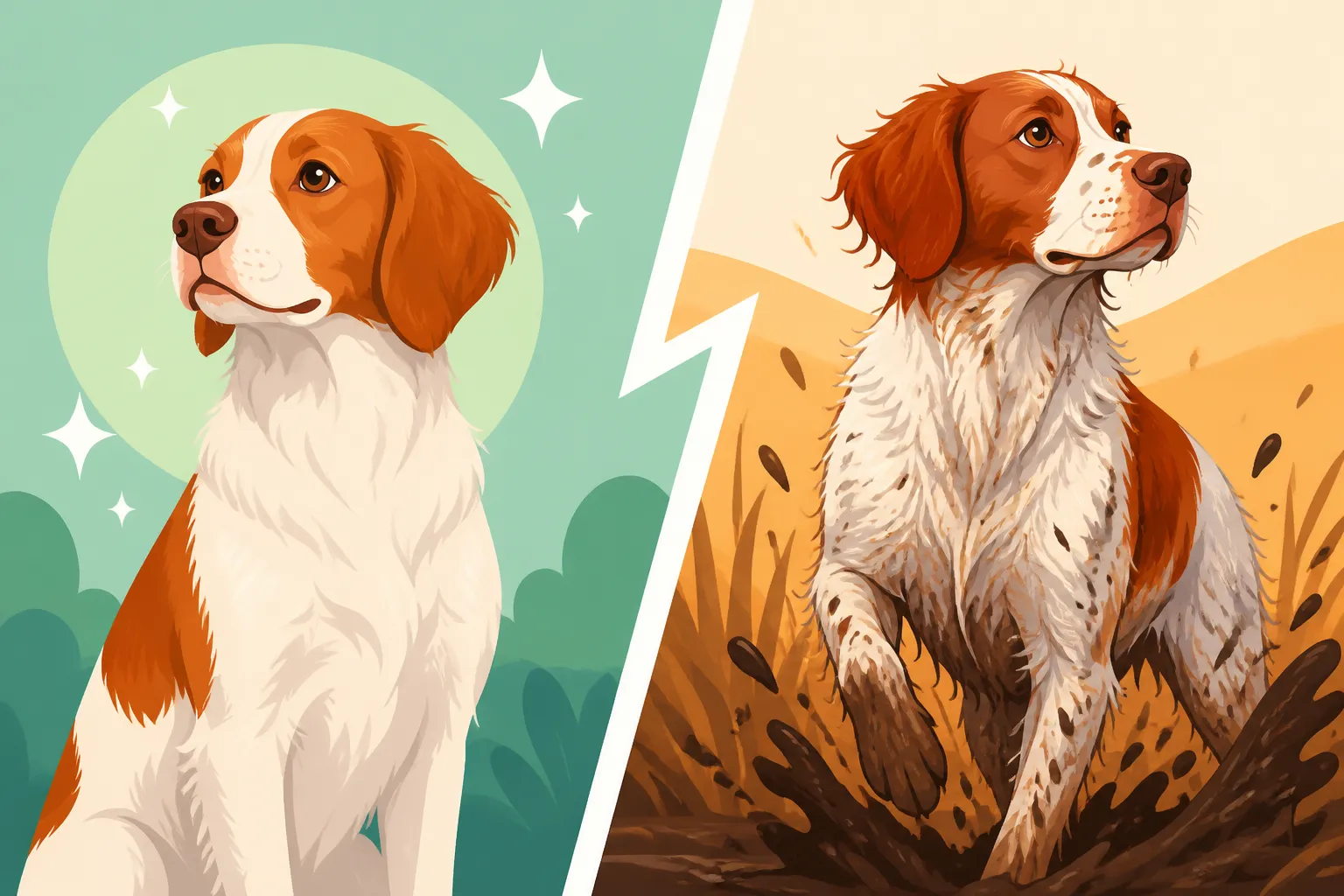
A Brittany’s Coat Is Low Maintenance Until It Hits Cover
It’s a common misconception that a Brittany spaniel's coat is effortlessly low-maintenance. While it’s true that during the quiet off-season, your Brittany might indeed appear to be a wash-and-wear kind of dog, the moment they step foot into dense cover, that perception dramatically shifts. This guide aims to prepare you for the reality of maintaining your Brittany's coat, ensuring their comfort, health, and continued ability to do what they love best—hunt.
The Deceptive Simplicity of the Brittany Coat
Many new Brittany owners are charmed by the breed's relatively short, fine coat and the promise of easy grooming compared to some of the heavily coated sporting breeds. And for a dog that primarily spends its time on suburban walks or in a well-maintained backyard, this reputation holds a good deal of truth. However, the Brittany's coat is perfectly designed for its original purpose: working dense cover in the fields of Brittany, France. That design, while efficient for hunting, presents unique challenges for the modern owner.
Understanding the Brittany's Double Coat
Your Brittany actually sports a double coat, though it might not be as obvious or dense as a retriever's. They have a relatively short, dense outer coat that's slightly wavy, never curly, and typically lies flat. This outer layer is remarkably effective at repelling water and protecting against minor abrasions from brush and briars. Underneath this, especially noticeable in colder weather or during shedding season, is a finer, softer undercoat that provides insulation. This combination offers crucial protection from the elements, whether it's damp undergrowth or a chilly morning breeze. It’s this structure that allows them to push through tough terrain without getting soaked to the skin or immediately scraped raw.
The "Wash and Wear" Myth for Pet Brittanys
For the Brittany who lives a life purely as a companion animal, without ever setting foot in a field, the "wash and wear" label might genuinely apply. These dogs can go weeks between brushes and baths without significant issues, aside from normal shedding. Their coats don't typically mat badly in the absence of stickers, burrs, and tangles from cover. You might give them a quick brush once a week to remove loose hair, and a bath every month or so, and they’d look perfectly presentable. The low shedding, relatively speaking, is a big plus for many families. But don't let this domestic bliss lull you into a false sense of security if your Brittany is destined for the field. The moment they plunge into a thicket of blackberry bushes or a swampy marsh, "low maintenance" flies out the window.
Essential Grooming for the Off-Season Brittany
Even if your Brittany isn't actively hunting year-round, maintaining a consistent grooming routine during the off-season is vital. It keeps their coat healthy, prevents minor issues from escalating, and makes the transition into hunting season much smoother. Think of it as preventative maintenance for their skin and fur, ensuring they're always ready for whatever adventure comes next.
Brushing Routines for a Healthy Coat
Regular brushing, even when your Brittany isn't pulling burrs out of their feathering, is crucial. Aim for at least 2-3 times a week, or daily during heavy shedding periods. A good quality slicker brush and a metal comb are your best friends. The slicker brush will help remove loose hair and stimulate blood flow to the skin, distributing natural oils that keep the coat healthy and shiny. Follow up with the metal comb to work through any tangles, particularly in the longer "feathering" on their legs, chest, and ears. This routine helps prevent mats from forming, which can be surprisingly uncomfortable and can hide skin issues. It also gets your dog used to being handled, which is invaluable when you need to perform more intensive checks later on. For tips on specific tools, you might want to look at Which Brush Suits a Brittany.
Regular brushing sessions are also an excellent opportunity to bond with your Brittany. They often enjoy the attention, and it allows you to thoroughly inspect their skin for any lumps, bumps, or irritations that might otherwise go unnoticed. Catching these problems early can save you a lot of worry and vet bills down the line. Plus, by keeping up with brushing, you're reducing the amount of hair that ends up on your furniture and floors – a win-win for everyone in the household.
Nail Trims and Paw Care Even When Not Hunting
It’s easy to overlook paw care when your dog isn’t actively working, but well-maintained paws are essential for overall comfort and health. Long nails can cause discomfort, alter your dog's gait, and even lead to orthopedic problems over time. They are also more prone to tearing, which can be incredibly painful and necessitate a trip to the vet. Aim to trim your Brittany’s nails every 3-4 weeks, or as needed, using either clippers or a grinder. If you can hear their nails clicking on the floor when they walk, they’re too long.
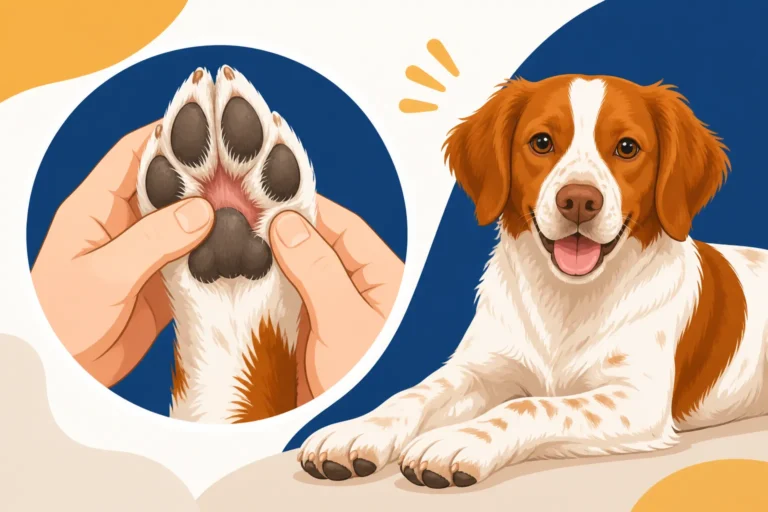
Beyond nail length, pay attention to the pads of their feet. While not as prone to cuts in the off-season, dryness and cracking can still occur. Consider using a paw balm or moisturizer to keep them supple. This habit of routine paw examination will serve you well when hunting season rolls around, as you’ll be much more accustomed to checking for foreign objects, cuts, or signs of wear and tear that are common in the field.
Ear Checks: A Non-Negotiable Part of Routine Care
Brittanys have those lovely, pendulous drop ears, which unfortunately create a warm, moist environment ripe for yeast and bacterial infections. Even outside of hunting season, when they aren't plunging through water, their ears need regular attention. Weekly ear checks should be a standard part of your grooming routine. Lift the ear flap and take a good look and sniff inside. Healthy ears should be clean, pale pink, and free of any odor or excessive wax.
If you notice redness, swelling, discharge, or a funky smell, it’s time to consult your vet. During your checks, you can gently wipe the visible part of the ear canal with a vet-approved ear cleaner on a cotton ball. Never insert anything deep into the ear canal. Regular cleaning helps prevent wax buildup and keeps the ear canal dry. For more in-depth information on preventing issues, see Why a Brittany's Ears Get Infected Every Season. Consistent ear care prevents discomfort and costly treatments, ensuring your Brittany stays happy and healthy.
The Reality Check: What Happens in Cover
Here's where the "low maintenance" illusion completely shatters. A Brittany in its element, working through fields and forests, is going to get dirty. Very dirty. And that beautiful, protective coat that seemed so simple to manage will become a magnet for everything nature has to offer. This isn't just about aesthetics; it's about comfort, health, and preventing serious issues.
The Magnetism of Feathering for Debris
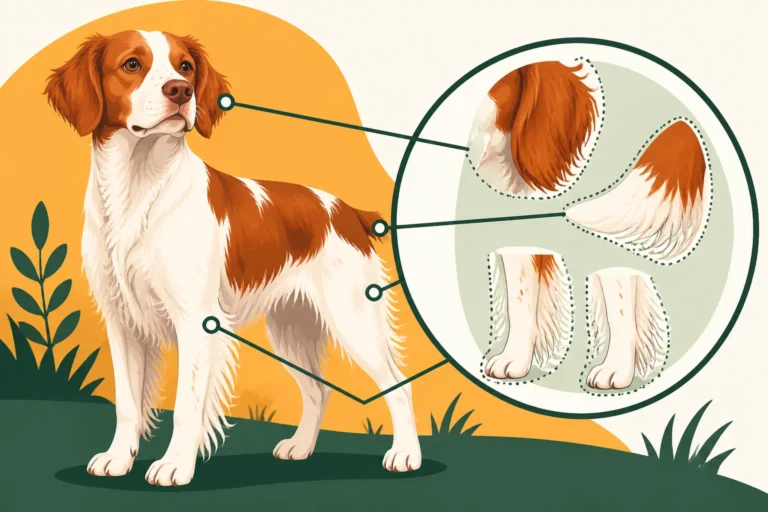
The longer hair, or "feathering," found on your Brittany's legs, chest, belly, and ears, is both a hallmark of the breed's beauty and its biggest vulnerability in the field. While it offers some protection from thorns and scrapes, it acts like a natural broom, sweeping up every bit of debris it encounters. Burrs, foxtails, twigs, sticky seeds, and mud cling to this feathering with an almost unbelievable tenacity. Within minutes of a run through tall grass or dense brush, your dog can go from sleek to a matted, tangled mess.
This isn't merely unsightly. These foreign objects can pull at the skin, creating painful mats, and if left unchecked, can lead to skin irritation, infections, or even embed themselves deep into the skin, causing abscesses. The feathering around the ears is particularly problematic, as debris can work its way down into the ear canal, causing severe irritation or infection. Understanding this magnetic quality is the first step in preparing for field work. You can also learn more about this by reading Where a Brittany's Feathering Grows.
Different Cover, Different Problems
The type of cover your Brittany works will dictate the specific grooming challenges you'll face.
- Tall Grass & Weeds: Often harbor tiny, sticky seeds, grass awns, and some of the nastier burrs. These can embed deep into the coat, especially the feathering, and are notorious for working their way into paws, ears, and even eyes.
- Briar Patches & Thickets: While the coat offers some protection, sharp thorns can still catch, tear the skin, and leave behind painful scratches. The dense nature of these areas also increases the likelihood of matting and deep burr penetration.
- Swamps & Marshland: Mud, stagnant water, and damp vegetation are a recipe for skin irritation and bacterial growth if not properly cleaned. The constant dampness can also make the coat more prone to matting and harbor ticks.
- Dry, Stubble Fields: Can be harsh on paw pads, leading to cracks and tears. They also often contain dried plant matter and sharp bits that can irritate the belly and chest feathering.
Each environment demands a slightly different approach to post-hunt care, but the common theme is a thorough inspection and diligent cleaning.
How a Brittany's Natural Instincts Contribute to Coat Issues
It's not just the coat type, but also the Brittany's inherent nature that makes field grooming a task. Brittanys are natural-born hunters, driven to find birds and cover ground. They don't pick and choose their path to avoid a sticky bush or a muddy patch; they plunge in headfirst, following their nose and instinct. This unwavering focus on the hunt means they'll push through dense, abrasive cover that other, less driven breeds might skirt around.
Their enthusiasm for flushing birds often sends them crashing through thickets and brambles, collecting every burr and twig along the way. Furthermore, their low-slung body and deep chest make them perfectly suited for pushing through undergrowth, but this also means their belly and chest feathering are constantly exposed to ground-level debris. This drive is what makes them such fantastic hunting partners, but it's also why you need to be so vigilant with their post-hunt care. Their dedication means you need to be equally dedicated to their well-being once the hunt is over.
Immediate Post-Hunt Coat Care: Your First Line of Defense
The moment you call it a day in the field, your job isn't over. In fact, it's just beginning. Immediate post-hunt care is critical for your Brittany's comfort and health. Neglecting these steps, even for a few hours, can turn minor nuisances into major problems, so make it a routine as ingrained as leashing them up.
The "Truck Stop" Check: What to Look For Right Away
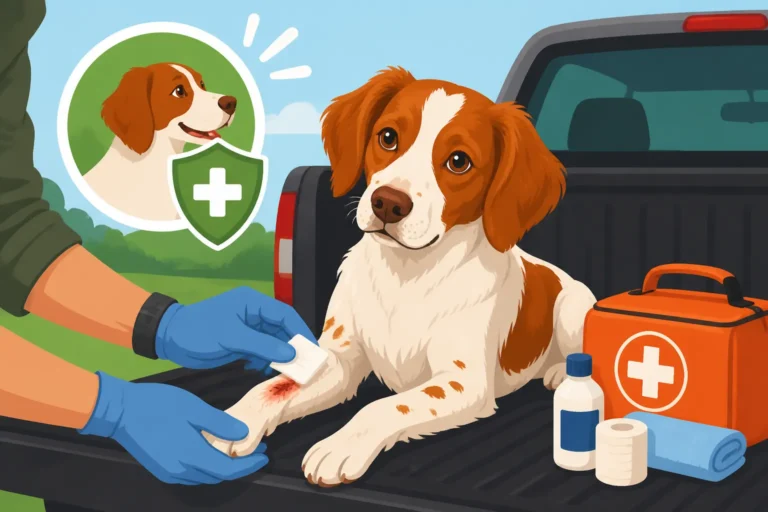
Before you even load your Brittany into the truck, perform a quick, yet thorough, once-over. This initial check can prevent many headaches down the road.
- Head & Ears: Pay close attention to the long ear feathering. Burrs and grass awns love to latch on here. Gently feel around the base of the ears and peek inside if possible, looking for any immediate signs of debris or irritation.
- Neck & Chest: These areas often gather a significant amount of debris, especially if your dog has been pushing through thick cover. Run your hands through the coat, feeling for large burrs or matted sections.
- Legs & Feathering: The feathering on the front and hind legs is a prime target for sticky seeds, burrs, and mud. Visually inspect and feel along the entire length of their legs.
- Paws & Between Toes: This is perhaps the most critical spot. Grass awns, small burrs, and sharp bits of stubble can easily lodge between the paw pads. Carefully spread their toes and check thoroughly. You're looking for foreign objects, cuts, cracks, or excessive redness.
- Belly & Groin: Because Brittanys work low to the ground, their undersides are exposed. Check for burrs, ticks, or cuts hidden in the soft hair of their belly and groin.
This initial sweep, though quick, helps you remove the worst offenders before they have a chance to work deeper into the coat or skin. For a comprehensive checklist, refer to What to Check on a Brittany After Every Outing.
Field Kit Essentials for Quick Fixes
Having a well-stocked grooming and first-aid kit readily accessible in your vehicle can be a game-changer. It allows you to address immediate issues efficiently, often preventing a trip to the vet or a more intensive grooming session later.
Here's what your field kit should ideally contain:
- Metal Comb/Dematter: Essential for working out burrs and tangles. A sturdy, wide-toothed metal comb is invaluable.
- Blunt-nosed Scissors: For carefully cutting out stubborn mats or burrs that cannot be combed free. Always use blunt tips to avoid accidental pokes or cuts.
- Hemostats/Tweezers: Perfect for gripping small burrs, thorns, or ticks close to the skin.
- Paw Balm/Wax: To soothe and protect paw pads, especially after a long day on rough terrain. Brands like Musher's Secret or similarly protective waxes are great for both prevention and immediate care.
- Wound Cleaner & Antiseptic Wipes: For cleaning minor scrapes or cuts you might find.
- Vet Wrap/Gauze: For temporary bandaging of paw injuries.
- Water & Bowl: Always have fresh water for your dog to rehydrate.
- Towels: Plenty of towels to dry off a wet or muddy dog.
- Tick Remover Tool: A specialized tool makes tick removal safer and more effective.
- Eye Wash: A saline solution can help rinse out any debris that might have gotten into their eyes. You can find many of these essentials, from combs to paw waxes, readily available on platforms like Chewy or Amazon.
Having these items on hand means you're prepared for the inevitable minor emergencies and grooming challenges that come with field work, minimizing discomfort for your Brittany and stress for you.
Tackling Common Field Intruders
Burrs, foxtails, and ticks are the bane of every Brittany owner's existence during hunting season. They are not just annoying; they can pose significant health risks if not removed promptly and correctly. Knowing how to deal with each one is crucial for your dog’s well-being.
The Battle Against Burrs
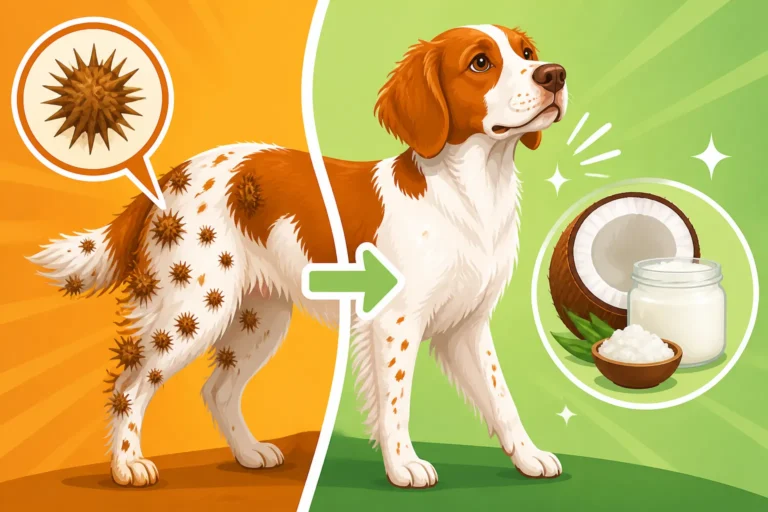
Burrs, those prickly seed pods from various plants, are perhaps the most common invaders of a Brittany's coat. They cling tenaciously, especially to the feathering, and can quickly form dense, painful mats.
How to remove them:
- Start with your fingers: For larger burrs, try to gently break them apart with your fingers first. Be patient; yanking can pull hair and hurt your dog.
- Use a metal comb: Work from the outside of the mat towards the skin, using the teeth of the comb to separate the burr from the hair. Hold the hair at the base near the skin to minimize pulling.
- Blunt-nosed scissors: For very stubborn burrs that are deeply embedded or matted, you may need to carefully cut them out. Always position the blunt tip of the scissors between the burr and the skin, cutting only the hair that is absolutely necessary. Be extremely cautious, as it's easy to accidentally snip skin, especially in active, squirming dogs.
- Conditioning spray/oil: A detangling spray, coat conditioner, or even a tiny bit of coconut oil can sometimes help burrs slide out of the hair more easily, especially in the fine feathering. Apply it to the burr and the surrounding hair, let it sit for a moment, then try combing again.
Patience is key here. Hurrying can cause pain and make your dog wary of future grooming sessions. You can find more detailed advice on this topic in How to Get Burrs Out of a Brittany's Coat.
Foxtails: The Silent, Dangerous Invaders
Foxtails are grassy seed heads that, once dried, have barbed awns designed to move forward, not backward. This makes them incredibly dangerous for dogs, especially those with feathering and drop ears like Brittanys. They can penetrate skin, work their way into ears, nostrils, eyes, and even internal organs, causing serious infections and abscesses.
Where they hide and what to do:
- Ears: Foxtails commonly enter the ear canal, causing head shaking, pawing at the ear, and pain. Inspect inside the ear canal carefully after every hunt. If you suspect a foxtail, or see one partly in the ear, do not try to pull it out with tweezers yourself unless you can clearly grasp the entire head. A piece left behind can cause more harm. This is often a vet emergency.
- Between Toes: They can embed themselves in the soft skin between paw pads, causing lameness, licking, and swelling. Check thoroughly and remove with tweezers if accessible. If it's deep, see a vet.
- Nostrils: If your Brittany sniffs a foxtail, it can be inhaled, causing violent sneezing, nasal discharge, and sometimes nosebleeds. Again, a vet visit is imperative.
- Coat/Skin: They can also embed themselves directly into the skin, often forming a small, red lump that might eventually abscess.
Always assume a foxtail requires professional removal if you can't easily and completely extract it. Early detection is vital. Further information can be found at Where Foxtails Hide on a Brittany.
Tick Patrol: More Than Just an Annoyance
Ticks are a significant concern for any dog that spends time outdoors, and Brittanys are no exception. They can transmit a variety of serious diseases, including Lyme disease, ehrlichiosis, and anaplasmosis. Your post-hunt routine must include a thorough tick check.
How to find and remove them:
- Systematic Search: Starting from the head, systematically run your hands over your Brittany's entire body, feeling for any bumps or attached ticks. Pay special attention to the ears, around the eyes, under the collar, in the armpits, groin area, and between the toes. The feathering can make them hard to spot, so feeling is often more effective than just looking.
- Removal: Use a tick remover tool or fine-tipped tweezers. Grasp the tick as close to the skin as possible, near its head. Pull straight up with steady, even pressure. Do not twist or jerk, as this can leave mouthparts embedded, increasing the risk of infection.
- Disposal: Dispose of the tick safely. Many people recommend flushing them down the toilet or placing them in alcohol to kill them.
- Prevention: The best defense is a good offense. Talk to your vet about year-round tick prevention, which might include topical treatments, oral medications, or collars. This proactive measure is incredibly important for active Brittanys.
Remember, a single tick can transmit disease, so thorough checks after every outdoor excursion, even a walk in a tall grassy park, are essential. For additional guidance, look at How Many Ticks a Brittany Picks Up in a Season.
Preserving and Managing the Brittany's Feathering
The elegant feathering on a Brittany is part of what makes them so attractive, but it’s also the most challenging aspect of their coat to maintain, particularly for a working dog. It requires a delicate balance between aesthetics and practicality.
Why Feathering is a Double-Edged Sword
As mentioned, feathering provides a degree of protection, shielding the underlying skin from scrapes and harsh elements. It also helps with insulation. However, this protective quality comes at a cost in the field. The long, fine hairs easily snag on everything from burrs and twigs to mud and ice. They can quickly become matted, pull painfully at the skin, and act as collection points for pests like ticks and foxtails.
Imagine your Brittany enthusiastically crashing through a thick blackberry patch. While the feathering might deflect some initial thorns, it will inevitably become a tangled mess, collecting every single burr and sticky seed in its path. This can lead to discomfort, skin irritation, and if neglected, can turn into a solid block of matted hair, requiring professional intervention. The beauty of the feathering in the show ring is directly contrasted by its practical challenges in the hunting field.
To Trim or Not to Trim? The Feathering Debate
This is a hot topic among Brittany owners. Show Brittanys are often left with full feathering, meticulously conditioned and groomed. For working Brittanys, however, trimming the feathering is a common practice, born out of necessity.
- Arguments for trimming: Many seasoned hunters choose to trim the feathering on their Brittanys' legs, chest, and belly shorter. This drastically reduces the amount of debris collected, makes post-hunt cleaning much faster and less painful, and lowers the risk of foxtails and burrs embedding deep into the skin. It also minimizes matting. While it might alter the dog's appearance, for many, the practical benefits far outweigh the aesthetic compromise.
- Arguments against trimming (or for minimal trimming): Some believe the feathering offers necessary protection against cuts and scrapes in rough cover. They prefer to manage it through diligent daily grooming and conditioning. For dogs that primarily hunt in less dense cover, minimal trimming might be sufficient.
Ultimately, the decision often comes down to the type of terrain your Brittany hunts in, your personal preference, and how much time you're willing to dedicate to post-hunt grooming. If you opt to trim, use professional grooming clippers (like those you might find on Amazon or Chewy) and be careful to avoid cutting too short, which can expose the skin. You can explore this further in Whether a Brittany's Feathering Should Be Trimmed.
Protecting Feathering in the Field
If you choose not to trim your Brittany's feathering, or if you only trim it minimally, there are still ways to offer additional protection when they're working hard.
- Protective Vests: Some hunters use specialized protective vests or shirts for their dogs. These can cover the chest and belly, areas where feathering is particularly vulnerable to brush and burrs. Look for lightweight, durable materials that won't impede movement or cause overheating.
- Paw/Leg Wraps: For dogs prone to collecting debris on their lower legs, temporary wraps or gaiters can be used. These are usually lightweight fabric or elastic bandages that cover the feathering on the lower legs, preventing burrs from clinging.
- Conditioning Sprays: Applying a leave-in conditioner or anti-static spray before a hunt can make the hair slicker, helping some debris slide off rather than sticking. It also makes burrs easier to remove post-hunt.
No method is foolproof, but these strategies can help mitigate the challenges that feathering presents in dense cover, making your dog's time in the field more comfortable and your post-hunt cleanup less arduous.
Bathing and Skin Health After the Hunt
After a day in the field, your Brittany is likely to be dirty, muddy, and potentially covered in various organic materials. While immediate spot cleaning is key, a full bath is often necessary, but it needs to be done correctly to maintain skin and coat health.
When to Bathe Your Brittany
It might seem intuitive to bathe your Brittany immediately after every hunt, especially if they’re caked in mud. However, frequent bathing, especially with harsh shampoos, can strip the coat of its natural oils, leading to dry skin, irritation, and a dull coat.
- The "Spot Clean" First Rule: For most outings, a thorough brush-out and targeted cleaning of muddy areas or localized debris is often sufficient. If your dog is merely dusty, a good wipe-down and brushing might be all that's needed.
- When a Full Bath is Necessary: A full bath is warranted when your Brittany is heavily soiled, has been exposed to stagnant water, or has an unpleasant odor that brushing alone can't fix. This usually means after particularly muddy hunts, swims in questionable water, or if they've rolled in something truly foul.
- Post-Burr Battle: If you've had a particularly difficult time removing burrs and needed to use conditioning oils, a bath will be necessary to rinse away the residue and prevent grease buildup.
Always ensure you've removed all burrs and debris before bathing. Water can actually tighten mats and make burr removal even harder. Check out Whether a Brittany Should Be Bathed After Every Hunt for more information.
Choosing the Right Shampoo and Conditioner
The products you use make a huge difference in maintaining your Brittany's coat and skin health.
- Mild, pH-Balanced Shampoos: Opt for a shampoo specifically formulated for dogs, ideally one that is gentle, moisturizing, and pH-balanced. Avoid human shampoos, which are too harsh for canine skin. Look for ingredients like oatmeal, aloe vera, or natural oils that soothe and hydrate. Many excellent options can be found at pet supply retailers like Chewy or your local pet store.
- Conditioner is Key: Don't skip the conditioner! A good dog-specific conditioner will replenish moisture, detangle the coat, and leave it soft and manageable. This is especially important for the feathering, as it helps prevent future mats and makes brushing easier.
- Specialty Shampoos: If your Brittany has sensitive skin, allergies, or an odor problem, your vet might recommend a medicated or hypoallergenic shampoo. Some brands, like Ollie, focus on natural, gentle ingredients that can be good for sensitive skin.
Always rinse thoroughly! Any shampoo residue left on the skin can cause irritation, itching, and dryness.
Addressing Skin Irritations and Hot Spots
Despite your best efforts, your Brittany's skin can still suffer from the rigors of field work.
- Identifying Irritations: Keep an eye out for redness, excessive licking or scratching, bumps, scabs, or hair loss. These can be signs of anything from a simple abrasion to a contact allergy or a developing hot spot.
- Hot Spots: Hot spots (acute moist dermatitis) are rapidly developing, painful skin infections that often start from an itch or irritation that the dog then licks or chews excessively. They can appear almost overnight and are common in dogs with dense coats or those who get wet frequently. Signs include a red, moist, often oozing lesion that may have matted hair around it.
- Treatment: For minor irritations, cleaning the area with a gentle antiseptic solution and keeping it dry may suffice. For hot spots, veterinary attention is usually required. The vet will likely clip the hair around the lesion, clean it, and prescribe topical or oral antibiotics/steroids. Preventing licking and chewing with an Elizabethan collar may also be necessary. Early detection and treatment are crucial to prevent them from spreading. Find out more about this common issue in Whether a Brittany Gets Hot Spots.
The Role of Nutrition in Coat Vitality
What you feed your Brittany has a direct and significant impact on the health and appearance of their coat, as well as their overall skin condition. A dull, dry, or flaky coat can often be a sign that something is amiss in their diet, especially for active working dogs.
High-Quality Food for a Healthy Coat
A premium dog food that is complete and balanced provides the foundational nutrients for a healthy coat. Look for foods where a named meat source (e.g., chicken, salmon, beef) is the first ingredient.
- Protein: High-quality protein is essential for hair growth and strength. Hair is primarily made of protein, so adequate intake is crucial. Working Brittanys, especially, benefit from higher protein levels to support muscle and coat health.
- Fats: Omega-3 and Omega-6 fatty acids are particularly important. These healthy fats contribute to a shiny coat and supple skin. Fish oils (like salmon oil) are excellent sources of Omega-3s.
- Vitamins and Minerals: Biotin, zinc, and Vitamin E are just a few of the micronutrients that play a role in skin and coat health. A well-formulated dog food will include these in appropriate amounts.
When choosing a food, consider reputable brands that conduct feeding trials and have strong quality control. For more on dietary needs, refer to Whether a Working Brittany Needs a Performance Food.
Supplements for Extra Shine and Resilience
Even with a good diet, some Brittanys, particularly those working hard in the field, may benefit from certain supplements to boost coat health.
- Fish Oil (Omega-3s): This is one of the most popular and effective supplements for coat health. Omega-3 fatty acids reduce inflammation, which can alleviate dry, itchy skin and promote a glossy coat. It's especially beneficial for dogs with allergies or skin sensitivities. You can find high-quality fish oil supplements in liquid or capsule form, often on platforms like Chewy or Amazon.
- Biotin and Zinc: These nutrients are often included in "skin and coat" supplement blends and can help strengthen hair and improve skin integrity.
- Probiotics: A healthy gut often translates to healthy skin and coat. Probiotics can improve digestion and nutrient absorption, indirectly supporting coat vitality.
Always consult with your veterinarian before adding any supplements to your Brittany's diet, especially if they have pre-existing health conditions. They can advise on appropriate dosages and ensure there are no interactions with other medications.
Seasonal Coat Care Adjustments
A Brittany's coat needs change with the seasons, reflecting the different environmental challenges they face. Adapting your grooming routine accordingly will help keep them comfortable and their coat in top condition year-round.
Winter Woes: Ice, Snow, and Dry Skin
Winter brings its own set of challenges, especially for a working Brittany.
- Ice Balls: In snowy conditions, ice balls can form in the feathering and between paw pads, causing discomfort and lameness. Trimming the hair between the pads very short can help prevent this. Applying paw wax before heading out can also create a barrier that discourages ice and snow from clinging.
- Dry Skin: Cold, dry air, coupled with indoor heating, can lead to dry, flaky, itchy skin. Using a humidifier indoors, bathing less frequently, and using moisturizing shampoos and conditioners can help. Omega-3 supplements are also very beneficial during this time.
- Protecting Pads: Hard, frozen ground, ice, and road salt can be extremely harsh on paw pads. Paw waxes or even dog boots for very harsh conditions can offer protection. Always rinse paws after walks in areas where salt is used to prevent irritation. You can learn more about winter paw care in Whether a Brittany's Feet Crack in Winter.
Summer Challenges: Heat, Water, and Allergens
Summer heat and increased activity bring different coat care considerations.
- Overheating: While a Brittany's coat isn't overly thick, they are still susceptible to overheating, especially during strenuous activity in warm weather. Regular grooming to remove shedding undercoat helps improve air circulation. Always ensure your dog has access to plenty of fresh water and shade.
- Water Exposure: Brittanys often enjoy swimming, which is great for exercise, but frequent exposure to water can lead to skin issues if not managed. Always dry your dog thoroughly after swimming, paying special attention to the ears to prevent infections. Consider using an ear-drying solution if your dog swims often.
- Allergens: Pollen, grasses, and other environmental allergens are rampant in summer and can cause skin irritation, itching, and hot spots. Regular bathing with a mild, hypoallergenic shampoo can help wash away allergens from the coat, reducing skin reactions. Consistent tick and flea prevention is also crucial, as bites can exacerbate allergies.
By being mindful of seasonal changes and adjusting your grooming and care routine, you can ensure your Brittany's coat remains healthy and functional, allowing them to enjoy every season to the fullest.
Brittany Coat Care Comparison Table
To summarize some of the key differences in coat care depending on your Brittany's lifestyle, here's a quick comparison:
| Feature/Task | Pet Brittany (Low Activity) | Working Brittany (High Activity/Field) |
|---|---|---|
| Brushing Frequency | 2-3 times/week (or less, off-season) | Daily, especially post-hunt |
| Primary Goal | Remove loose hair, prevent minor tangles, maintain shine | Remove debris, prevent mats, check for injuries/pests |
| Feathering Care | Occasional combing, minimal trimming for neatness | Frequent combing, often trimmed short for practicality |
| Bathing Frequency | Every 4-6 weeks, or as needed for odor/dirt | As needed for heavy soiling, mud, or persistent odors (post-debris removal) |
| Paw Care | Monthly nail trims, occasional pad moisturizer | Weekly nail trims, daily pad checks, paw wax/boots for protection |
| Ear Checks | Weekly visual inspection for wax/odor | Daily visual & physical inspection (inside & out), especially post-water exposure |
| Pest Control | Consistent flea/tick prevention | Robust, year-round tick/flea/heartworm prevention & daily checks |
| Common Issues | Seasonal shedding, minor mats, dry skin | Burrs, foxtails, ticks, cuts, abrasions, hot spots, ear infections |
| Field Kit | Not typically needed | Essential for every outing (comb, scissors, wound care, tick remover) |
This table clearly illustrates that while a Brittany's coat might seem simple for a house pet, it demands a far more rigorous and proactive approach when the dog is regularly in its intended working environment.
Disclaimer
This article is for general informational purposes only and does not constitute professional advice. Laws, prices and regulations vary by location and change over time. Consult a qualified professional for guidance on your specific situation.