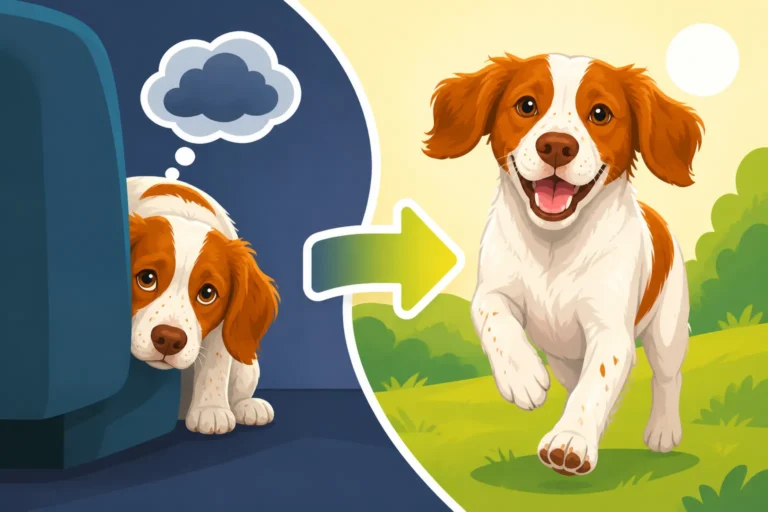
What Brittany Owners Wish They Had Known
Bringing a Brittany into your life is often a whirlwind of excitement, visions of loyal companionship, and days spent in the field or on long hikes. You've done your research, you know they're energetic, intelligent, and birdy. But let's be honest, there are always a few things that sneak up on you, those little nuggets of wisdom you wish someone had really hammered home before you brought that adorable, energetic fluffball home. This guide is all about shedding light on those exact revelations, offering a realistic look at what many Brittany owners wish they had known from the start, so you can be even better prepared.
The Sheer Energy and Drive for Birds
You read about it, you heard about it, but until you live it, you can't truly grasp the boundless energy of a Brittany. They aren't just "active"; they are driven, persistent, and powered by an internal combustion engine that rarely idles. This isn't a problem, of course, but it requires a lifestyle commitment that often surpasses initial expectations.
Exercise Needs Go Beyond a Casual Walk
Many new owners envision a couple of brisk walks around the neighborhood each day being enough for their Brittany. While lovely for bonding and bathroom breaks, these short excursions are usually just a warm-up for a Brittany. These dogs were bred to cover vast amounts of ground in search of game, and that instinct is deeply ingrained. A 30-minute stroll on a leash isn't going to cut it, not for their physical needs, and certainly not for their mental stimulation.
An under-exercised Brittany isn't just a bit antsy; they can become a furry tornado of destructive behavior. Chewing furniture, digging craters in the yard, barking incessantly, or developing nervous habits like pacing are all common signs that your Brittany isn't getting enough productive output for their energy stores. Think long runs, intense games of fetch, swimming, or dedicated training sessions that challenge both their bodies and their brilliant minds. Investing in quality toys that can stand up to their chewing habits and puzzle feeders can help, but they are never a substitute for true physical exertion and mental engagement. If you're wondering what kind of chaos can ensue, you might want to read more about What an Under Exercised Brittany Does at Home.
The Unyielding Bird Drive
Another aspect often underestimated is the sheer intensity of their bird drive. It's not just a passing interest; it's a fundamental part of their being. Your Brittany lives for birds, and this instinct will dictate much of their behavior, both in the field and at home. This means that off-leash reliability in an unfenced area with potential bird scent can be a lifelong endeavor, requiring unwavering consistency in training. That squirrel across the street, that flock of pigeons in the park, or even the faint scent of a pheasant from last week can instantly hijack their attention.
This powerful drive can be a delightful asset for a hunter, but it presents unique challenges for the pet owner. Living with cats, pet birds, or other small animals requires careful introduction, constant supervision, and management, sometimes for their entire lives. A Brittany's point is exquisite, but if that point turns into a chase, it can be problematic. This is why it's so important to understand Whether a Brittany Chases the Family Bird and take proactive steps to manage that instinct.
Training Sensitivity and Consistency is Key
Brittanys are incredibly intelligent and eager to please, which makes them highly trainable. However, they are also known for being "soft," a trait that can surprise owners used to more robust, thick-skinned breeds. Their sensitivity means that your training approach needs to be nuanced, consistent, and built on trust.
They're Softer Than You Think
When we talk about a Brittany being "soft," it doesn't mean they're weak or easily intimidated in the field. Instead, it refers to their responsiveness to correction. Harsh words, yelling, or heavy-handed physical corrections can crush a Brittany's spirit, making them shut down, become fearful, or even resistant to training. They learn best with positive reinforcement, gentle guidance, and clear, consistent communication. You'll find that a raised eyebrow or a disappointed tone can often be a stronger "correction" than any shouted command.
Their sensitive nature means they truly feel your moods and intentions. A bad training session can stick with them, making them hesitant or apprehensive in future attempts. Building a strong bond of trust is paramount. Understanding Why a Brittany Is Called Soft is crucial for effective training, ensuring you cultivate their eager-to-please nature rather than stifling it.
The Need for Early and Consistent Socialization
Just like their training methods, socialization needs for Brittanys are crucial and often more extensive than anticipated. While generally friendly, Brittanys benefit immensely from early and varied positive experiences with new people, places, sounds, and other dogs. Without adequate socialization as puppies, they can sometimes develop shyness or apprehension around novel situations, which can then manifest as reactivity later in life.
Don't just rely on a few trips to the dog park. Think about structured puppy classes, controlled interactions with calm, vaccinated adult dogs, and exposure to different environments – city streets, quiet parks, busy shopping centers (from a distance), and various household noises. The goal isn't to make them boisterous extroverts but confident, well-adjusted individuals who can navigate the world without undue stress. For a detailed look at this, consider Whether a Brittany Puppy Should Be Socialized Heavily.
The 'Whoa' Command is a Marathon, Not a Sprint
For those planning to hunt with their Brittany, or even just wanting a well-mannered companion, the "whoa" command is often seen as a fundamental building block. And it is! But what many owners underestimate is the sheer dedication and repetition required to instill a truly solid "whoa" in a high-drive pointing breed. A Brittany's instinct is to lock up on scent and then move forward to get closer to the bird. Asking them to "whoa" means asking them to override that deeply ingrained drive and stand absolutely still, often for extended periods, until released.
This isn't a command you teach in a weekend. It's a progressive, patient process that starts long before they ever see a real bird. It involves precise steps, sometimes using tools like a check cord or a training table, and requires you to be more persistent than their natural urge to move. It's about building immense self-control. Rushing this command or using inconsistent methods can lead to a dog that "creeps" on point or breaks, which can be frustrating and even dangerous in the field. You'll want to dive deep into strategies for Whoa on a Brittany That Wants to Keep Moving.
Unexpected Costs and Time Commitments
While the initial cost of a Brittany puppy is often a significant investment, many new owners are surprised by the ongoing financial and time commitment required to keep these active, intelligent dogs healthy and happy throughout their lives. It's more than just food and yearly vet visits; it's a lifestyle.
The Real Cost of Keeping a Working Dog Fit and Healthy
Beyond the purchase price, the annual costs for a Brittany can quickly add up. High-quality performance dog food, necessary for maintaining their energy levels and athletic build, can be more expensive than standard kibble. Regular veterinary care, including vaccinations, parasite prevention, and unexpected visits for field-related injuries (like torn pads or foxtail removals), contribute significantly. Many owners opt for joint supplements, especially as their dogs age, to support their active lifestyles.
Consider specialized gear: a good e-collar, a GPS tracker for wide-ranging dogs, protective vests for heavy cover, and even high-quality dog beds that can withstand their post-hunt collapses. If you plan to travel for hunting or trials, those expenses multiply. For a full picture, examining What a Brittany Costs Over Its Lifetime or exploring What a Brittany's Field Injuries Cost in a Season can be eye-opening. While general pet insurance can help, always check policies carefully for exclusions related to hunting or specific working dog activities.
Time is Your Most Valuable Investment
Perhaps even more than money, the time commitment is what surprises many Brittany owners. These aren't dogs content to be left alone for 8-10 hours a day, only to receive a quick walk when you get home. They thrive on interaction, training, and being an integral part of your daily life. An hour of dedicated exercise is often just the minimum, and that doesn't count mental stimulation like training sessions, puzzle toys, or simply engaging with you.
If you work long hours, you might find yourself needing to hire a dog walker, arrange for doggy daycare, or significantly alter your schedule to meet their needs. The cost of a good dog walker or pet sitter adds up quickly. A Brittany left to their own devices for too long can develop separation anxiety or destructive habits purely out of boredom and loneliness. They truly want to be with you, involved in whatever you're doing, whether it's lounging on the couch (after a good run!) or exploring the backcountry. You might be surprised by How Many Hours a Brittany Can Be Left before issues start to crop up.
Grooming and Health Nuances
While Brittanys are often considered low-maintenance in terms of coat care compared to some other long-haired breeds, their active lifestyle and distinctive features bring their own set of grooming and health considerations that are important to acknowledge.
The Burrs, Foxtails, and Ear Infections Are Real
A Brittany's beautiful feathering – the longer hair on their legs, chest, and ears – is a magnet for everything the outdoors has to offer. Burrs, stickers, and especially foxtails become deeply embedded in their soft fur after every field outing. What looks like a quick brush-out can turn into a tedious, sometimes painful, hour-long session if not handled immediately. Many owners find it helpful to keep a dedicated detangling spray and a sturdy comb (like a metal greyhound comb, easily found on Amazon) near the door for immediate post-hunt grooming. Some even opt for strategic trimming of the feathering in high-catch areas during hunting season to minimize this hassle.
Then there are those adorable drop ears. While they add to the Brittany's charming appearance, they also create a warm, moist environment perfect for yeast and bacterial infections. Why a Brittany's Ears Get Infected Every Season is a common complaint among Brittany owners. Regular cleaning with a vet-approved ear cleaner and thorough drying after any water exposure (swimming, baths, or even rainy walks) are non-negotiable. Foxtails, those insidious barbed seeds, are particularly dangerous, working their way into ear canals, between toes, and even up nasal passages. Knowing How Grass Seeds Get Into a Brittany's Ear and other places is vital for prevention and early detection.
| Feature | Expectation | Reality | Management |
|---|---|---|---|
| Exercise | Daily walks and backyard play | Multiple hours of strenuous activity daily (running, hunting) | Dedicated time for long runs, structured training, or field work. Mental stimulation with puzzle toys. |
| Training | Quick to learn, easy to motivate | Highly intelligent but sensitive; easily shut down by harshness | Positive reinforcement, short, engaging sessions, extreme consistency. Understand their "softness." |
| Bird Drive | Points birds, then comes back | Unyielding focus on birds, difficult to recall from scent | Consistent recall training, check cords, e-collars (used responsibly), secure fencing, and vigilant supervision in unfenced areas. |
| Grooming | Brush once a week, occasional bath | Daily checks for burrs/foxtails, regular ear cleaning, brushing after every outing, trimming feathering | Keep detangling spray, combs, and ear cleaner handy. Regular vet checks. Consider prophylactic ear drying solutions. |
| Costs | Food, vet check-ups | High-quality food, vet for injuries, gear, supplements, training | Budget for performance food, potential vet emergencies. Research pet insurance, understand what it covers. Factor in training classes or professional gun dog training fees. |
Understanding Specific Health Concerns
While Brittanys are generally a healthy breed with a good lifespan of The Twelve to Fourteen Years a Brittany Gets, like all purebreds, they have predispositions to certain health conditions that new owners should be aware of. You might come across terms like hip dysplasia, a common orthopedic issue in many active breeds. Responsible breeders perform health screenings, such as those registered with the Orthopedic Foundation for Animals (OFA). Learning What Hip Screening Did for the Brittany Spaniel can give you insight into how the breed has progressed in this area.
Another condition to be aware of is C3 Deficiency, a genetic immune system disorder unique to Brittanys. It's a serious condition that can leave affected dogs vulnerable to infections. Knowing C3 Deficiency Is the Brittany's Own Genetic Disease is incredibly important for breeders and prospective owners alike, as there's a DNA test available to identify carriers. Eye conditions like progressive retinal atrophy or glaucoma are also sometimes seen, highlighting the importance of regular eye exams, perhaps annually by a veterinary ophthalmologist, as detailed in Whether a Brittany Needs a Yearly Eye Exam. Always choose a breeder who is transparent about health testing and willing to show you certificates for both parents.
The Unbreakable Bond and Rewarding Partnership
Despite the challenges and the learning curve, what truly stands out for most Brittany owners is the profound bond they form with these incredible dogs. The commitment required is significant, but the rewards are immeasurable.
More Than Just a Hunting Dog: A Devoted Family Member
While their bird drive is undeniable, a Brittany is far from a one-dimensional hunting machine. They are deeply affectionate, loyal, and often described as "Velcro dogs" who love to be close to their people. They thrive on being part of the family, whether it's snuggling on the couch after a long day or following you from room to room as you go about your chores. Their desire for companionship is as strong as their drive for birds.
This intense connection means they want to please you, and they respond beautifully to leadership built on mutual respect and positive reinforcement. They're quick to learn, eager to play, and bring an endless wellspring of joy and exuberance into the home. If you want to understand just how strong this bond can be, consider reading How Affectionate a Brittany Is. They truly become an indispensable part of the family, offering unwavering loyalty and a constant source of amusement.
The Satisfaction of a Shared Passion
For those who embrace the Brittany's natural instincts, whether through hunting, field trials, or even just long hikes and scent work, the partnership formed is incredibly satisfying. Witnessing your Brittany lock onto point, work a scent cone with exquisite precision, or eagerly retrieve a bird you've shot is a profound experience that deepens your connection. Their intelligence and willingness to learn make training a collaborative journey rather than a chore.
Many owners find immense satisfaction in channeling their Brittany's energy and instincts into productive outlets. It's a journey of understanding, patience, and celebrating their inherent talents. For new owners, getting support from experienced Brittany enthusiasts or online training platforms can be incredibly valuable. Resources like BAXTER & Bella offer comprehensive online puppy programs that can help you navigate everything from basic obedience to more advanced skills, laying a solid foundation for your future adventures, whether in the field or just in everyday life. The shared pursuit of a passion, be it birds or just exploring the great outdoors, creates an unbreakable bond that makes all the initial learning curve worthwhile.
Disclaimer
This article is for general informational purposes only and does not constitute professional advice. Laws, prices and regulations vary by location and change over time. Consult a qualified professional for guidance on your specific situation.