What a Brittany Needs Within an Hour of a Hunt
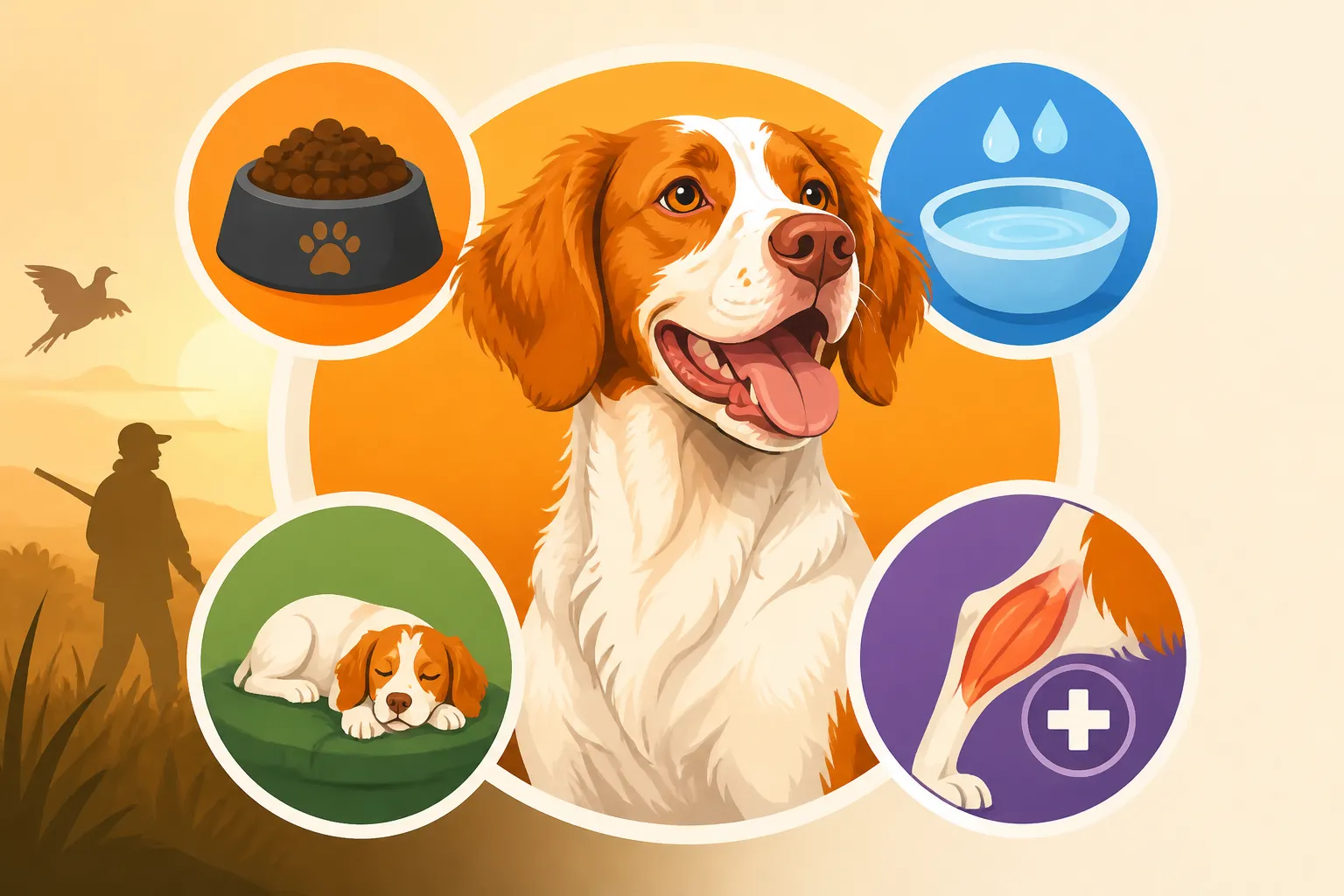
That adrenaline rush after a successful hunt, seeing your Brittany proudly deliver a bird, is unbeatable. But as soon as the last shot is fired and the birds are retrieved, your focus needs to shift immediately to your dog's well-being. The hour directly surrounding the hunt—both just before you hit the field and immediately after you finish—is absolutely crucial for their performance, safety, and long-term health. This guide will walk you through exactly what your Brittany needs in those critical moments to ensure they recover well and are ready for the next adventure.
The Critical Pre-Hunt Hour: Priming Your Brittany for Peak Performance
Before your Brittany even sets paw in the cover, the hour leading up to the hunt is a vital window for preparation. We're talking about more than just leashing them up and heading out. This is where you lay the groundwork for sustained energy and hydration, setting them up for success and minimizing risks. Think of it as their pre-game ritual, ensuring their body is ready for the intense physical and mental demands of chasing birds.
Fueling Up: The Right Nutrition Strategy
You might be tempted to give your eager Brittany a big breakfast to fuel their day, but that's often a mistake. A heavy meal too close to intense exercise can lead to discomfort, cramping, and even more serious issues like bloat, especially in deep-chested breeds like Brittanys. What they need is easily digestible energy that won't weigh them down or require extensive digestive work when their body should be focused on the hunt.
Many seasoned hunters opt for a light, high-energy snack or nothing at all in the immediate hour before hitting the field, especially if the main meal was given several hours prior. If you're going to offer something, think small, concentrated sources of energy. This isn't the time for large portions of kibble. Instead, a few high-quality, easily digestible performance chews or a small handful of kibble designed for active dogs can provide a quick boost without taxing their system. The goal is to top off their energy stores without causing digestive upset or sluggishness.
When considering what works best, observation is key. Every Brittany is a little different. Some might tolerate a tiny bit more than others, but generally, less is more in the immediate pre-hunt window. You want them to be hungry for birds, not just hungry for breakfast. For longer hunts or multi-day excursions, a more substantial meal should have been given much earlier, allowing ample time for digestion before any strenuous activity. How Much More a Brittany Eats in Hunting Season dives deeper into balancing their diet during peak activity.
Hydration is Non-Negotiable
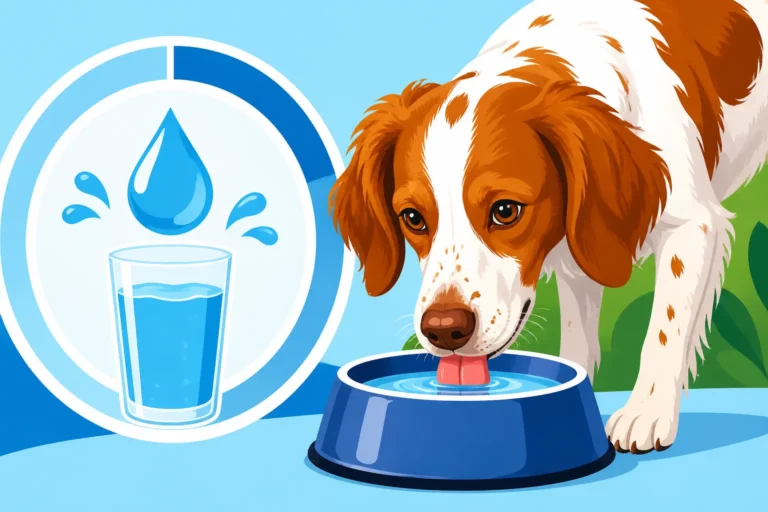
Just as important as fuel, if not more so, is hydration. Your Brittany will be working hard, covering ground, sniffing tirelessly, and using a lot of energy. This means they'll be losing fluids rapidly through panting and exertion. Starting the hunt even slightly dehydrated is a recipe for a quickly fatigued and potentially overheated dog. The hour before the hunt is your last solid chance to ensure they are adequately watered.
Always offer fresh, clean water just before heading out. Don't assume they drank enough earlier. Make it readily available and give them a few minutes to drink their fill. Some dogs are so excited that they might forget, so gently encourage them. You can even add a small amount of an electrolyte solution designed for dogs to their water if you anticipate a particularly strenuous or hot day. This can help replenish essential minerals lost through sweat and prevent cramping.
Consider the ambient temperature and the intensity of the work. On cooler days, basic water might be perfectly sufficient. But if it's warm, or if your Brittany is known to be a heavy drinker, paying extra attention to pre-hunt hydration is critical. Having a plan for How Much Water a Brittany Needs on a Hunt isn't just for during the hunt, but starts before it even begins. This proactive approach ensures their muscles and organs are functioning optimally from the very first cast.
Immediate Post-Hunt Care: Reversing the Strain of the Field
The hunt is over, the birds are accounted for, and your Brittany is probably buzzing with accomplishment, or perhaps utterly exhausted. The moments immediately after returning from the field are just as critical as the preparation. This is their recovery period, and what you do in that first hour can significantly impact how quickly they bounce back and how well they maintain their health throughout the season.
Rapid Rehydration and Replenishment
As soon as you're out of the cover and back at the truck, the very first thing your Brittany needs is water. They’ve been working hard, possibly for hours, and are almost certainly dehydrated to some degree. Offer fresh, cool (not ice cold) water immediately. A collapsible bowl, easily accessible in your gear, is perfect for this. Many hunters carry a gallon or two of water specifically for their dogs. Let them drink as much as they want, but watch for signs of gulping too fast, which can sometimes lead to upset stomachs or even bloat, though less common with just water.
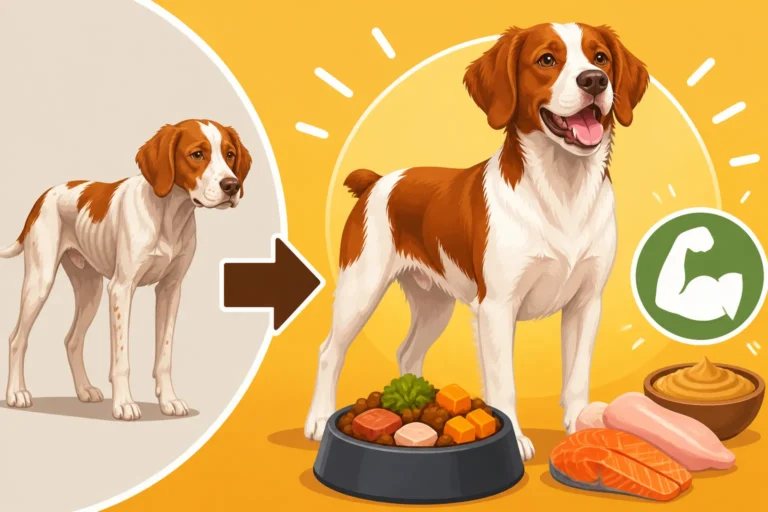
After they've had a good drink, consider a recovery snack or meal. While not a full dinner, a small, digestible snack can kickstart their recovery process. High-quality protein and complex carbohydrates are ideal. There are many excellent recovery formulations available from brands like Ollie, which offers fresh, human-grade dog food, or specialized performance recovery chews found readily on Chewy or Amazon. These are designed to replenish glycogen stores in muscles and provide amino acids for muscle repair. Again, avoid giving a massive meal right away; a smaller, targeted recovery snack is better. A full meal can come later when they've had a chance to fully rest and relax.
This immediate replenishment isn't just about making them feel better in the moment; it's about setting them up for tomorrow. Proper nutrition post-exertion helps prevent muscle soreness, speeds up tissue repair, and ensures they remain in peak physical condition for the demands of a hunting season. Consistent recovery practices prevent the cumulative fatigue that can lead to injuries or a loss of drive as the season progresses.
The Initial Physical Check-Up: A Head-to-Tail Scan
Once your Brittany has quenched their thirst and had a quick snack, the next crucial step in that first hour is a thorough physical inspection. They've been through thick brush, navigated uneven terrain, and likely come into contact with all sorts of things. This quick head-to-tail check can catch minor issues before they become major problems.
Start with their feet. Pads are incredibly vulnerable. Look for cuts, scrapes, thorns, burrs, or anything lodged between their toes. How Often a Brittany's Pads Should Be Checked isn't just a daily task, but an immediate post-hunt necessity. If you find a small cut, clean it with an antiseptic wipe and apply a protective bootie or wrap if needed. Check their nails for breaks or tears. Next, move to their ears. Brittanys have floppy ears that can trap moisture, dirt, and foreign objects. Look inside for grass awns, foxtails, or signs of irritation. How Grass Seeds Get Into a Brittany's Ear is a common field hazard. A quick wipe with an ear cleaner can prevent infections.
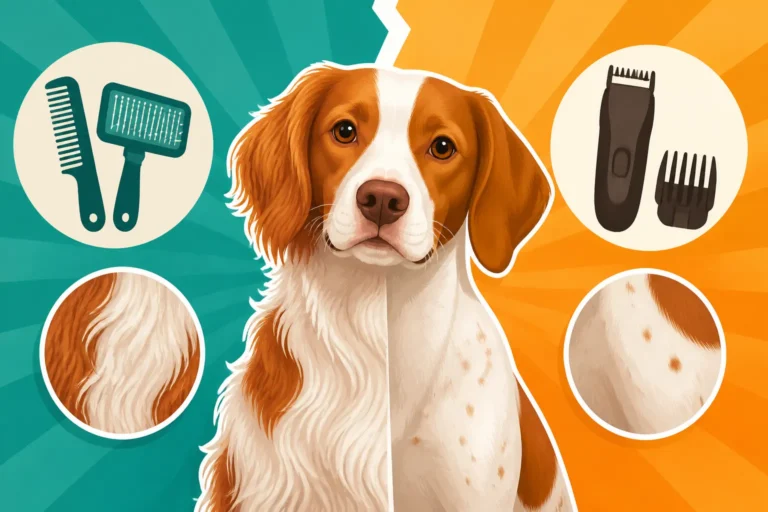
Don't forget their eyes. Scan for irritation, redness, or foreign bodies. Clear away any debris gently. Run your hands over their entire coat, paying close attention to their feathering on legs, belly, and chest – prime spots for burrs and foxtails to embed. How to Get Burrs Out of a Brittany's Coat can be a tedious task, but it’s essential to prevent mats and skin irritation. Finally, check for ticks. They can attach anywhere, but often favor the ears, neck, armpits, and groin. Removing them promptly reduces the risk of tick-borne diseases. Having a good tick removal tool handy is a game-changer.
Essential Gear for Quick Access
Being prepared means having the right tools on hand, especially for those critical pre- and post-hunt moments. You don't want to be fumbling around when your Brittany is parched or needs immediate attention. Organizing a specific "hunt kit" for your dog can save time, stress, and potentially prevent serious issues.
Hydration and Nutrition on the Go
The right gear makes pre- and post-hunt care seamless. For hydration, a sturdy, collapsible water bowl is non-negotiable. Look for silicone or canvas options that fold flat and are easy to clean. Many models come with carabiners to clip onto your belt or backpack. Pair this with a dedicated water bottle or jug for your dog – don't share your personal water bottle after they've been slobbering all over it! Portable hydration systems, like those with built-in dispensers, can be incredibly convenient for quickly offering water at the truck. What a Brittany's Field Water Setup Costs goes into more detail about these necessities.
For nutrition, consider small, airtight containers for those quick, digestible pre-hunt snacks or post-hunt recovery bites. Some hunters use small ziploc bags for individual portions. Energy chews or soft treats designed for active dogs are often easier to manage in the field than a handful of kibble. Brands like Purina Pro Plan Sport or Eukanuba Sport often have excellent high-energy, easy-to-digest options that can be purchased from big retailers like Chewy or Amazon. These can provide that quick caloric boost without the digestive burden of a full meal.
Having these items readily accessible in a designated "dog bag" in your truck means you're never scrambling. This bag should be packed and ready to go before every hunt, ensuring you can grab it and attend to your Brittany's immediate needs without delay.
Field First Aid: What to Have Handy
A basic field first aid kit is an absolute must-have. Accidents and minor injuries happen in the field, and being able to address them quickly can prevent them from worsening. Your kit doesn't need to be elaborate, but it should contain essentials.
Think about common field injuries: cuts, scrapes, torn pads, and embedded foreign objects. Include antiseptic wipes or spray, gauze pads, self-adhering vet wrap (which sticks to itself, not fur), and medical tape. Tweezers or hemostats are invaluable for removing thorns, burrs, or tick heads. A tick removal tool is also highly recommended. Small scissors can trim fur around a wound or cut tape. Eye wash can quickly flush out debris from an irritated eye. What a First Aid Kit for a Brittany Should Hold gives a comprehensive list.
Pain relief specific for dogs, if recommended by your vet, can be included for emergency situations, but always consult with your veterinarian before administering any medication. Styptic powder can quickly stop bleeding from a nail tear. Finally, consider a set of dog boots. If your Brittany tears a pad, a protective boot can allow them to walk out of the field more comfortably and protect the wound. You can find these items individually or as pre-assembled kits on sites like Amazon, making it easy to grab and go. Having a well-stocked and easily accessible first aid kit demonstrates responsible dog ownership and ensures you can provide immediate care when your Brittany needs it most.
Managing Temperature: Cooling Down Safely
One of the biggest concerns for a hard-hunting Brittany is overheating. Their intense drive means they often push themselves past their limits, especially in warmer weather or dense cover. The hour immediately following the hunt is crucial for monitoring their temperature and initiating a safe cool-down process.
Preventing and Addressing Overheating Immediately
Even if the weather doesn't feel hot to you, a working Brittany can generate a tremendous amount of internal heat. Early season hunts, when dogs aren't fully conditioned, or late-season hunts in unseasonably warm conditions are prime times for heat stress. Signs of overheating include excessive panting, bright red gums, thick drool, lethargy, stumbling, or even collapse. If you see these signs, act immediately. Signs a Brittany Is Overheating in the Field are important to recognize quickly.
As soon as the hunt concludes, get your Brittany to a shaded area. If they're showing signs of being too warm, start cooling them down. Offer water. You can wet their paws, belly, armpits, and groin with cool (not ice-cold) water. Evaporation from these areas helps reduce body temperature. Some handlers carry cooling vests or mats that can be quickly deployed. Never douse an overheated dog with freezing water, as this can cause their blood vessels to constrict and actually hinder cooling. Focus on gradual, controlled cooling.
Having a thermometer in your first aid kit can be helpful if you suspect severe overheating. A dog's normal temperature is typically between 101 to 102.5 degrees Fahrenheit. Anything significantly higher warrants immediate veterinary attention. Prevention is always best, so monitoring weather conditions, taking frequent breaks, and understanding your dog's limits are paramount. How to Cool a Brittany Down After a Run effectively involves a multi-pronged approach.
The Importance of a Gradual Wind-Down
Just like a human athlete, a Brittany's body needs a gradual transition from intense activity to rest. Abruptly stopping and caging them immediately after a strenuous hunt can be detrimental. Their cardiovascular system needs time to regulate, and their muscles need to cool down slowly to prevent stiffness and soreness.
After the initial hydration and physical check, allow your Brittany to walk around calmly for a few minutes. This "active recovery" helps their heart rate and breathing return to normal more naturally. If they're in a dog box, ensure it's well-ventilated and not in direct sunlight. A soft, comfortable mat or bed can make the ride home more restful. Resist the urge to let them jump straight into a kennel or lie down in an overheated truck cabin.
The entire process of cooling down, rehydrating, and checking for injuries is part of a holistic approach to maintaining your Brittany's health and performance. This mindful wind-down period not only contributes to their physical well-being but also helps them mentally process the excitement of the hunt, leading to a calmer and more relaxed dog. Investing this hour of care demonstrates your commitment to your hunting partner, ensuring they remain happy, healthy, and ready for many more seasons in the field.
| Pre-Hunt Checklist (Within 60 Mins) | Post-Hunt Checklist (Within 60 Mins) |
|---|---|
| Offer fresh, cool water | Offer fresh, cool water (generously) |
| Light, easily digestible snack (if needed) | Small recovery snack/meal |
| Ensure proper leash/collar fit | Perform full body check |
| Double-check all gear | Check paws for cuts/thorns |
| Final potty break | Examine ears for debris/foxtails |
| Mental readiness check | Inspect eyes for irritation |
| Brush out burrs/foreign objects | |
| Check for ticks | |
| Begin gradual cool-down |
Disclaimer
This article is for general informational purposes only and does not constitute professional advice. Laws, prices and regulations vary by location and change over time. Consult a qualified professional for guidance on your specific situation.