How to Check a Brittany Between the Toes
Every Brittany owner knows the joy of seeing their dog explode into action in the field, a blur of orange and white covering ground with boundless energy. But all that enthusiastic running, quartering, and pointing comes at a cost, especially for those hardworking paws. It’s incredibly easy to overlook the small, often hidden areas between your Brittany’s toes, yet these are prime spots for all sorts of trouble to brew. This guide is dedicated to helping you master the art of thoroughly checking and caring for this critical part of your Brittany's anatomy, ensuring their comfort and readiness for the next adventure.
Why the Area Between a Brittany's Toes Needs Special Attention
Your Brittany’s paws are their primary interface with the world, their constant connection to the ground they love to cover. Yet, they are surprisingly vulnerable, especially the delicate skin and hair nestled between their toes. Neglecting this area can quickly lead to discomfort, pain, and even serious infections that sideline your hunting companion.
The Brittany's Active Lifestyle and Vulnerable Paws
Think about where your Brittany spends their time: charging through dense pheasant cover, navigating thorny blackberry patches, splashing through muddy cattail swamps, or bounding across frozen stubble fields. Each of these environments presents its own unique set of challenges and hazards to their feet. The sheer intensity and speed with which Brittanys operate mean they often don't notice minor irritations until they become significant problems. A small thorn picked up in the morning can be a painful, infected wound by evening if it's left unchecked.
It's tempting to focus on the broader health of their pads, but the spaces between the toes are a different story. These areas are softer, often protected by feathering, and become a magnet for debris. Imagine trying to run a marathon with a pebble constantly rubbing between your own toes – that's what your Brittany might be experiencing if this area isn't regularly inspected. Their drive to hunt often overrides their instinct to show discomfort, making your diligent checks even more important. How Often a Brittany's Pads Should Be Checked is a good routine to integrate this into.
Common Hazards Lurking Between the Toes
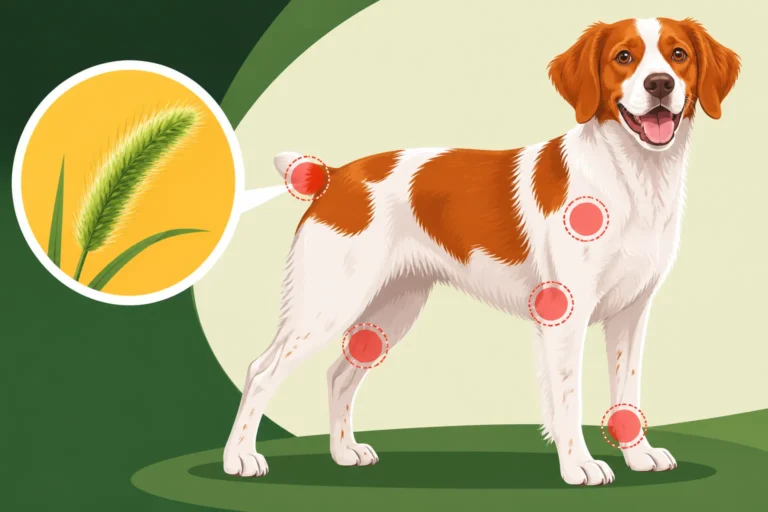
The variety of foreign objects that can lodge themselves between your Brittany's toes is truly astonishing. Grass seeds are perhaps the most notorious culprits, especially insidious ones like foxtails, which have barbs that allow them to burrow deeper with every step. These can cause immense pain and even migrate under the skin, requiring veterinary intervention. Burrs, those sticky, prickly nuisances, love to cling to the softer hair between the toes, forming tight, painful mats.
Beyond plant matter, small, sharp sticks, tiny pebbles, or even pieces of metal can become embedded, causing punctures and lacerations. In winter, ice balls form between the toes, pulling at the hair and causing frostbite or cracking. Even seemingly harmless mud can dry and harden, creating abrasive concretions that rub against sensitive skin. Each of these hazards can lead to lameness, irritation, hot spots, or open wounds that are ripe for bacterial infection. Understanding Where Foxtails Hide on a Brittany can help you be more vigilant.
Step-by-Step Guide to Inspecting Your Brittany's Paws
A thorough paw inspection doesn't have to be a wrestling match. With a little patience, consistency, and the right approach, it can become a regular, even bonding, part of your routine.
Setting the Scene for a Calm Inspection
The key to a successful paw check is making it a positive, calm experience for your Brittany. Start when they are relaxed, perhaps after a meal or a good training session, not when they're still buzzing from a run. Find a quiet spot where you can both be comfortable. A raised platform, like a grooming table or even a sturdy kitchen counter, can make it easier on your back and give you better access. Have some high-value treats ready, along with a good source of light (a headlamp or bright desk lamp works wonders), and any tools you might need like tweezers, a small comb, or a clean cloth.
Begin by gently handling their paws, even when you're not doing a full inspection. Stroke their legs, pick up their feet, and touch their pads. Reward them generously for calmly allowing this. Over time, they’ll associate paw handling with positive experiences, making the actual inspection much less stressful. This kind of desensitization is crucial for any working dog. Don't rush it; a few minutes of calm interaction each day is more effective than a forced, infrequent struggle. You want them to think of it as "spa time" with you, not a trip to the vet.
The Detailed Toe-by-Toe Check
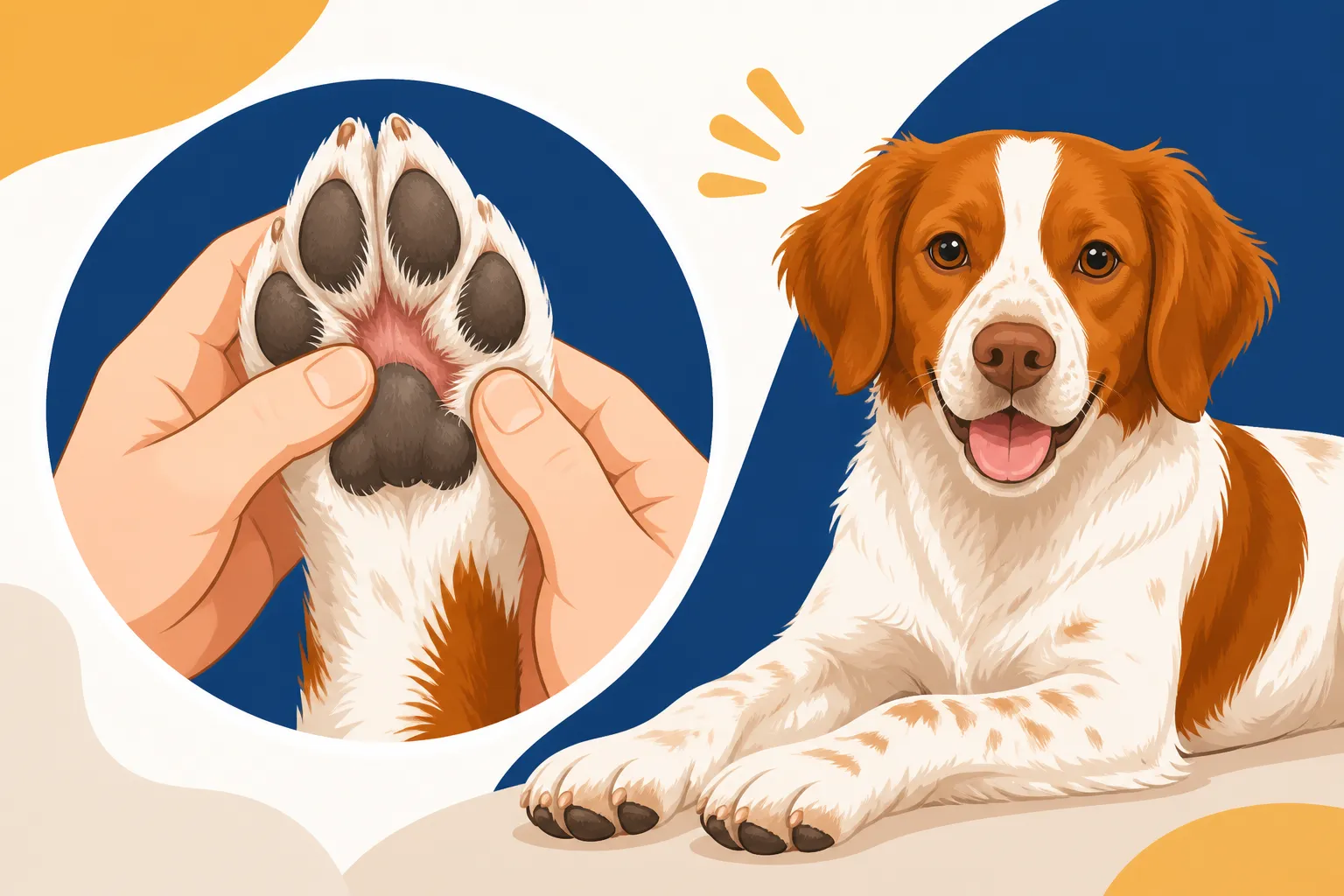
Once your Brittany is relaxed, begin the actual inspection. Take one paw at a time. Start by gently pressing on the top of the paw to spread the toes slightly, giving you a better view of the webbing and the pads.
Here’s a methodical approach:
- Examine the Pads: Look for cracks, cuts, blisters, or excessive wear. Are they rough or tender?
- Spread Each Toe: Systematically spread each toe, one by one. This is where most issues hide. Look deep into the pockets of hair and skin between the individual toe pads.
- Search for Foreign Objects: Be on the lookout for anything that doesn't belong. Grass seeds are tiny and often blend in with the hair. Burrs will be obvious, but can be deeply embedded. Use your fingers to gently probe and feel for lumps or sharp points. A fine-toothed comb can help tease out smaller debris or matted hair.
- Look for Redness, Swelling, or Discharge: Any signs of inflammation, pus, or moisture could indicate an infection or an embedded object. Compare the paw you’re checking to the others; sometimes subtle swelling is easier to spot when you have a baseline.
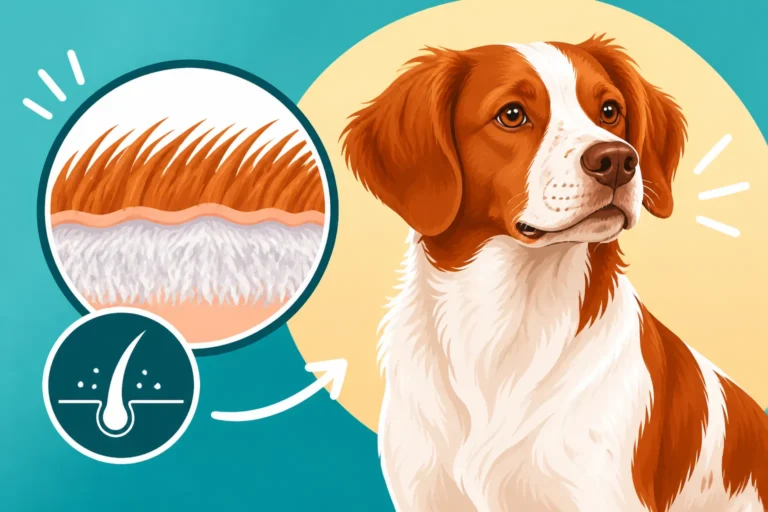
- Check for Matted Hair: The longer feathering between a Brittany’s toes is prone to matting, especially if wet or muddy. Mats can pull on the skin, causing pain and creating a damp environment perfect for fungal or bacterial growth.
- Inspect Nails and Nail Beds: Ensure nails aren’t too long or cracked, and check around the cuticle for any redness or swelling. Remember, even dewclaws can cause problems if neglected.
- Palpate for Tenderness: Gently squeeze each toe and the entire paw. Watch your Brittany's reaction. Do they flinch, pull away, or vocalize? This could indicate a deeper problem, like a bruise, sprain, or an object embedded further in.
A good light source is your best friend during this step. What looks like a shadow can often turn out to be a sinister foxtail. Taking your time here will save you a lot of heartache and vet bills down the line. It's a key part of What to Check on a Brittany After Every Outing.
| Issue Type | Common Culprits | Signs to Look For | Initial Home Care Steps | When to Call the Vet |
|---|---|---|---|---|
| Foreign Objects | Foxtails, burrs, thorns, pebbles | Visible object, limping, licking, swelling | Gentle removal with tweezers, clean area. | Object deeply embedded, signs of infection (pus, fever), persistent limping. |
| Cuts/Scrapes | Sharp debris, rough terrain | Redness, bleeding, open wound, tenderness | Clean with antiseptic, apply protective balm. | Deep lacerations, excessive bleeding, signs of infection, persistent lameness. |
| Matted Hair | Mud, burrs, general neglect | Tight clumps, skin irritation, discomfort | Carefully trim out mats, comb remaining hair. | Mats causing raw skin, open sores, or if dog resists all attempts at removal. |
| Ice Balls | Snow, ice | Clumps of ice between toes, lameness, pain | Soak paws in lukewarm water, gently remove ice. | Signs of frostbite (discoloration, swelling), severe cracking. |
| Cracked Pads | Dry conditions, rough surfaces | Visible cracks, tenderness, limping | Apply paw balm, keep dog off rough surfaces. | Deep fissures that bleed, signs of infection. |
| Infection | Punctures, untreated wounds | Redness, swelling, pus, foul odor, heat | Clean area, mild antiseptic application if advised. | Any clear signs of infection, fever, worsening condition. |
Dealing with Common Discoveries Between the Toes
Finding something problematic between your Brittany's toes is inevitable if they spend any time in the field. Knowing how to handle these common issues quickly and effectively can prevent minor annoyances from escalating into major health concerns.
Removing Grass Seeds and Burrs
Grass seeds, especially foxtails, are notorious for burrowing into paws. If you spot a grass seed that isn't deeply embedded, you can often remove it with a pair of fine-tipped tweezers. Grasp the base of the seed firmly and pull it straight out in the direction it entered. After removal, clean the area thoroughly with an antiseptic solution designed for dogs, such as chlorhexidine diluted with water, to prevent infection. Keep a close eye on the spot for the next few days for any signs of swelling or redness, which could indicate a piece was left behind or an infection is starting.
Burrs are usually less insidious than foxtails but can cause significant matting and skin irritation. For burrs stuck in the feathering between the toes, try to gently work them out with your fingers or a comb. If they're tightly matted, you might need to carefully trim the hair around them with blunt-nosed scissors, always cutting away from the skin. Be extremely cautious as the skin here is very thin and easily cut. It's often safer to use a dull comb or your fingers to separate the hair and break up the burr. For stubborn mats, a little cornstarch or even a tiny dab of dog-safe conditioner can help loosen them before combing. Learning How to Get Burrs Out of a Brittany's Coat will serve you well. If you have any doubt about fully removing a deeply embedded seed or burr, or if the area is already red and swollen, a trip to the vet is always the safest option.
Addressing Small Cuts, Scrapes, and Irritations
Small cuts and scrapes are par for the course with an active Brittany. For minor nicks and abrasions, the first step is always to clean the wound. Use a clean cloth or cotton ball soaked in a dilute antiseptic solution (like povidone-iodine or chlorhexidine, diluted as per product instructions). Gently dab the area to remove any dirt or debris. Once clean, you can apply a thin layer of a dog-safe antibiotic ointment or a specialized paw balm to help protect the skin and promote healing.
Keep the area clean and dry. You might need to use an Elizabethan collar (the dreaded "cone of shame") to prevent your Brittany from licking the wound, as excessive licking can introduce bacteria and hinder healing. If the cut is deep, wide, bleeding heavily, or if you suspect a puncture wound, it's best to consult your veterinarian. Puncture wounds can be deceptively small on the surface but can track bacteria deep into the paw, leading to abscesses. In some cases, deeper cuts might require stitches, which your vet can assess. How to Close a Brittany's Field Laceration covers more serious field injuries. You can find excellent antiseptic sprays and paw balms on Chewy or Amazon.
Managing Matted Hair and Ice Balls
Matted hair between the toes is a common issue, especially for Brittanys with longer feathering. These mats can collect dirt, moisture, and debris, leading to skin irritation, infections, and discomfort. The best prevention is regular grooming. Use blunt-nosed scissors to carefully trim the hair between your Brittany's pads, keeping it flush with the pads themselves. Always point the scissors away from the skin and use caution. If the hair is already matted, try to gently pull the mat apart with your fingers or use a mat rake. For really stubborn mats, the safest approach might be a visit to a professional groomer or your vet.
In winter, ice balls are a major problem. They form when snow and ice cling to the hair between the toes, compacting into hard, painful lumps that pull and rub on the skin. To prevent them, consider trimming the inter-digital hair very short before winter. Applying a paw wax before outings can also create a protective barrier that discourages ice from sticking. If ice balls have already formed, never try to pull them out, as this can tear the hair and skin. Instead, gently soak your Brittany's paws in a bowl of lukewarm (not hot!) water until the ice melts. Once the ice is gone, thoroughly dry the paws. For more tips on winter paw care, check out Whether Ice Balls Form in a Brittany's Feet.
Preventing Future Problems and Maintaining Paw Health
Proactive care is the best defense against paw problems. By incorporating a few simple habits into your routine, you can significantly reduce the risk of injury and discomfort for your active Brittany.
Regular Grooming and Trimming
Maintaining good paw hygiene goes a long way. Keeping the hair between your Brittany's toes trimmed short is paramount. This not only prevents matting but also reduces the surface area for burrs, grass seeds, and ice to cling to. Regular trimming allows for better air circulation, which helps keep the skin dry and healthy, discouraging bacterial and fungal growth. This is a task you can learn to do at home with a good pair of blunt-nosed scissors or even a small electric trimmer designed for pet paws. Just remember to always be careful and take your time.
Beyond hair, keeping your Brittany's nails at the correct length is essential. Overly long nails can splay the toes, alter gait, and put undue stress on the paw joints, making the inter-digital spaces more vulnerable. Long nails are also more prone to tearing, which is incredibly painful. Aim to trim their nails regularly so they just barely clear the ground when your Brittany is standing. If you can hear their nails clicking on hard floors, they're too long. If you're unsure about how short to trim, your vet or a professional groomer can demonstrate the proper technique. Read more on How Short a Brittany's Nails Should Be for Running.
Protective Measures and Products
For Brittanys that spend a lot of time in challenging terrain, protective measures can be a game-changer. Paw balms and waxes are excellent for conditioning the pads and creating a barrier against harsh elements. Products available on Chewy or Amazon, such as Musher's Secret or similar paw waxes, can help prevent cracks in winter, protect against hot pavement in summer, and reduce irritation from rough surfaces. Apply a thin layer before heading out and after baths.
For extreme conditions, such as deep snow, icy trails, or very rocky terrain, dog boots might be a worthwhile investment. While some dogs take a while to get used to them, good quality boots can provide unparalleled protection against cuts, abrasions, extreme temperatures, and chemical irritants like road salt. Ensure you choose boots that fit well, allowing for natural paw movement without chafing. Whether a Brittany Needs Boots in the Field is a question many hunters ponder. Gradually introduce them to boots with short periods of wear and lots of positive reinforcement.
Seasonal Considerations for Paw Care
Paw care isn't a one-size-fits-all approach; it needs to adapt to the seasons.
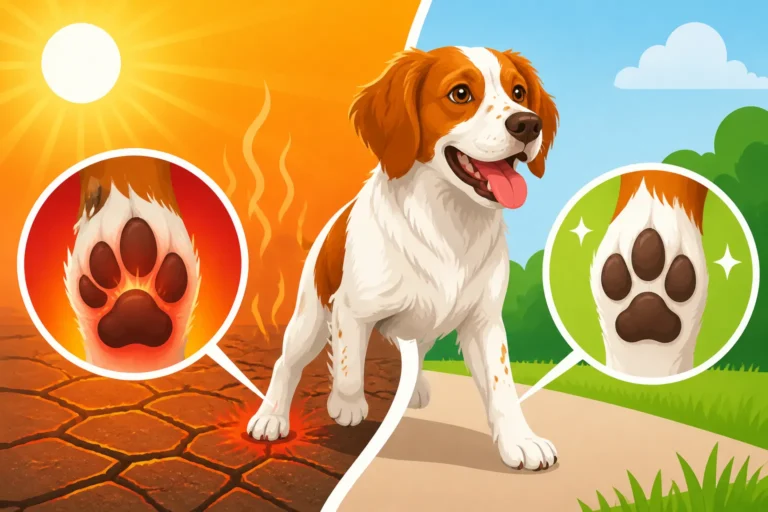
- Spring/Summer: This is peak season for grass seeds, burrs, and allergens. Be extra diligent with your post-outing checks. Hot pavement and sand can burn pads, so schedule walks during cooler parts of the day. Consider if Whether a Brittany's Pads Burn on Hot Ground is a risk in your area.
- Fall: As leaves and undergrowth dry out, thorns and sharp debris become more prevalent. Fields may also be full of stubble that can cut pads. Continue with thorough checks and consider paw wax for added protection.
- Winter: Cold temperatures, ice, and snow pose unique threats. Ice balls, frostbite, and chemical de-icers can all wreak havoc on paws. Keep hair trimmed short, use paw wax, and consider boots. Always rinse paws thoroughly after walks on salted roads to remove corrosive chemicals. Whether a Brittany's Feet Crack in Winter is a common concern during these months.
By staying aware of the seasonal challenges and adjusting your paw care routine accordingly, you can help your Brittany stay comfortable and healthy year-round.
Disclaimer
This article is for general informational purposes only and does not constitute professional advice. Laws, prices and regulations vary by location and change over time. Consult a qualified professional for guidance on your specific situation.