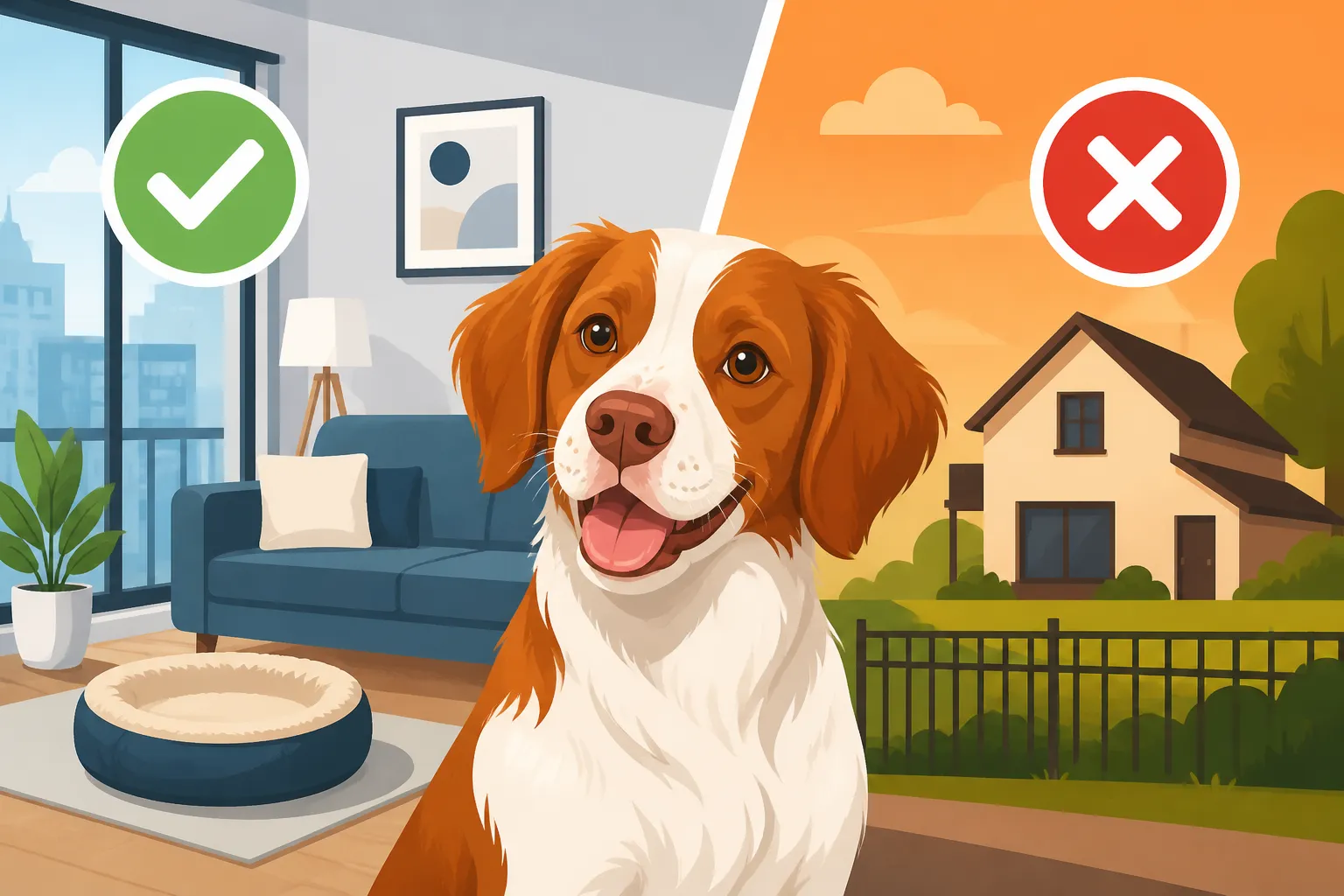
Whether a Brittany Can Live in an Apartment
One of the biggest worries I hear from prospective Brittany owners, especially those who live in urban or suburban settings, is whether their beloved bird dog can truly thrive in a smaller living space. It’s a valid concern, given the breed’s reputation for boundless energy and a desire to hunt. This guide is here to honestly explore the ins and outs of apartment living with a Brittany, helping you understand the compromises and commitments involved, and how to set both yourself and your furry companion up for success.
Understanding the Brittany's Core Needs
Before we even begin to talk about square footage, it's crucial to understand the fundamental nature of a Brittany. These aren't lap dogs bred for sedentary lives; they are intelligent, driven athletes with a deep historical purpose. Trying to fit a round peg into a square hole without acknowledging this will lead to frustration for everyone.
High Energy and Drive
Let's be real: Brittanys are not couch potatoes by default. They were originally bred in the fields of Brittany, France, to be tireless bird finders, covering ground efficiently and holding a staunch point. This means they come hardwired with a profound need for physical activity. We're talking about dogs that can easily run for hours without breaking a sweat, fueled by an internal motor that just keeps going.
This isn't just about a quick walk around the block; their energy demands are significant. If you picture a dog that loves nothing more than exploring new scents, chasing a thrown bumper, or quartering a field, you're getting closer to the essence of a Brittany. Without outlets for this innate drive, that energy doesn't just disappear; it gets redirected, often into less desirable behaviors around the home. Many new owners are genuinely surprised by just how much exercise a Brittany needs, even How Much Exercise a Brittany Needs Off Season.
Intelligence and Sensitivity
Beyond their physical prowess, Brittanys are incredibly smart dogs. They're quick learners, eager to please, and highly attuned to their human companions. This intelligence, however, means they need mental stimulation just as much as physical exercise. A bored Brittany isn't just a restless one; it's a dog that will invent its own entertainment, which can sometimes be destructive. Think problem-solving, but for all the wrong "problems" like how to get into the pantry or unstuff the sofa.
Their sensitive nature is another key characteristic. While they are resilient in the field, Brittanys are known for being quite "soft" in temperament. They respond best to positive reinforcement and gentle guidance, rather than harsh corrections. This sensitivity also means they can be more prone to stress or anxiety in environments that are too chaotic or lacking in consistent routine. Understanding What a Brittany's Temperament Is Really Like is vital for any prospective owner, especially one considering apartment living.
The Challenges of Apartment Living for a Brittany
Now, let's address the elephant in the room: the practicalities of fitting a high-energy, intelligent sporting dog into a confined space. It's not impossible, but it certainly presents a unique set of hurdles you'll need to overcome.
Space Constraints
An apartment, by its very nature, limits the amount of indoor space available for a dog to stretch its legs, play, and simply be. While a Brittany might be considered one of The Brittany Is the Smallest of the Versatile Pointing Breeds, they still need room to move. A small studio apartment, for example, offers almost no opportunity for zoomies or even a good game of fetch. This isn't just about physical activity, but also about mental decompression. Dogs need personal space, a quiet corner where they can retreat and feel secure, away from constant human activity.
The lack of a private, fenced yard is arguably the biggest logistical challenge. Without that easy access to outdoor space, every single potty break and exercise session becomes a deliberate, planned outing. This demands a significant time commitment, rain or shine, day or night. For breeds like the Brittany, who enjoy patrolling their territory and burning off steam, the absence of a yard means the owner must become the yard, so to speak.
Noise and Distractions
Apartments are often hubs of activity and noise. Neighbors talking, doors slamming, vacuum cleaners humming, sirens wailing, delivery people passing – it's a constant symphony of sounds. For a sensitive and alert breed like the Brittany, this can be a lot to process. Their keen senses, honed for detecting birds in the brush, can make them hyper-aware of every creak, groan, and distant bark. This can lead to excessive alert barking, especially if they feel the need to "protect" their small territory from unseen threats, or simply because they're overstimulated.
Furthermore, the close proximity to other people and pets means managing interactions and preventing conflicts. Your Brittany might be incredibly friendly, but shared hallways and common areas can still be sources of stress if not handled properly. This requires constant vigilance and proactive training to ensure your dog remains calm and polite in these situations.
Managing Potty Breaks
This might seem basic, but it's a huge factor in apartment living. In a house with a yard, a dog can often be let out quickly. In an apartment, a potty break means getting dressed, putting on a leash, going down an elevator or stairs, walking to a designated potty area, and then repeating the whole process in reverse. For a young puppy, this could be every hour or two. For an adult, it's still several times a day.
The challenge intensifies when you consider puppies and house training. Puppies have tiny bladders and almost no control. Expecting a puppy to hold it for the time it takes to get outside from a high-rise apartment can be unrealistic and lead to accidents, which can be frustrating for both dog and owner. This consistent routine is paramount, and any deviation can disrupt training.
Making Apartment Life Work: Strategies and Solutions
So, if you're committed to a Brittany and apartment living is your reality, what can you do to make it work? It truly boils down to intention, consistency, and a deep understanding of your dog's needs.
Maximizing Outdoor Exercise
This is non-negotiable. Your Brittany simply must have ample opportunities to run, explore, and burn off physical energy outside the apartment. This means dedicating significant chunks of your day to vigorous activity. Forget casual strolls; think long, brisk walks, trail runs, or intense games of fetch at a local park. If you're a runner, a Brittany can be an excellent running partner once they're fully grown and conditioned.
Consider activities that engage their natural instincts, like flirt pole play in a safe, open space or visits to dog parks (if your dog is well-socialized and enjoys them). Regular outings to natural areas where they can sniff and explore can provide immense mental and physical enrichment. If you live near good hiking trails, make them a regular part of your routine. The goal is to return home with a tired, content dog, not just one that's had a brief walk. Remember, An American Brittany Ranges Wide and a French One Stays Close, so tailor your exercise to their natural roaming instincts.
Mental Stimulation Indoors
Since physical space is limited indoors, you need to compensate with mental engagement. Brittanys are smart, and a tired mind is just as important as a tired body. Incorporate daily training sessions, even short ones, to keep their brains active. Teach new tricks, practice obedience commands, or work on advanced scent games. Puzzle toys, snuffle mats, and KONGs filled with frozen treats can keep them occupied and thinking for extended periods.
Interactive toys, especially those that dispense food or require manipulation, are fantastic. Rotate toys regularly to keep things interesting. Even simple hide-and-seek games with treats or toys around the apartment can be mentally stimulating. Enroll in online training programs, like those offered by BAXTER & Bella, which provide structured lessons and challenges that can be done right in your living room, strengthening your bond and sharpening your dog's mind.
Consistent Training and Socialization
A well-behaved Brittany is an absolute must for apartment living. Obedience training from a young age is crucial for managing their energy and ensuring they are a polite neighbor. Enroll in Whether a Brittany Needs Puppy Class as soon as appropriate. Focus on commands like "sit," "stay," "down," "leave it," and a rock-solid "recall." These commands are not just for tricks; they are essential for safety and peaceful coexistence in an urban environment.
Socialization is equally important. Expose your puppy to a variety of sights, sounds, people, and other dogs in a positive way. This helps them develop into a confident, adaptable adult that isn't easily overwhelmed by the typical apartment hustle and bustle. The more comfortable and calm your Brittany is in different situations, the less likely they are to exhibit problematic behaviors like excessive barking or fearfulness when encountering neighbors or new environments. A Brittany is highly intelligent and generally How Biddable a Brittany Is, making them receptive to consistent training efforts.
Essential Gear and Resources for Apartment Brittanys
Equipping yourself with the right tools and knowing where to turn for help can make all the difference in successfully raising a Brittany in an apartment.
Crates, Beds, and Designated Spaces
Every dog, especially one in an apartment, needs its own sanctuary. A crate can be invaluable for house training, managing separation anxiety, and providing a safe, quiet den. Ensure the crate is appropriately sized – large enough for them to stand, turn around, and lie down comfortably. Cover it with a blanket to create a den-like atmosphere.
Beyond the crate, designate specific areas for their bed, food, and water. Even in a small apartment, creating these distinct zones helps your Brittany understand boundaries and feel secure. Having a comfortable, high-quality dog bed (many excellent options are available on Amazon) in a low-traffic area allows them to retreat and rest undisturbed.
Training Aids and Toys
A variety of toys is essential to keep a Brittany mentally stimulated and prevent boredom-induced destruction. Look for durable chew toys, puzzle feeders, and interactive toys. Toys that can be stuffed with treats or require your dog to figure out how to get a reward are particularly good for engaging their intelligent minds. I often recommend brands that make robust, non-toxic toys. You can find a vast selection of these types of enrichment toys on Amazon, from simple KONGs to more complex treat-dispensing gadgets.
Training aids like a sturdy leash, comfortable collar or harness, and a long line are also crucial for outdoor excursions. For those interested in deeper engagement, online platforms like BAXTER & Bella offer comprehensive puppy training courses and continued education that can be done from home, providing valuable guidance on everything from basic obedience to more advanced manners, perfect for an apartment dog.
Community Resources
Don't be afraid to lean on your community. If your work schedule is demanding, consider hiring a reputable dog walker to provide midday exercise and potty breaks. Doggy daycare can be a lifesaver, offering structured play and socialization with other dogs, ensuring your Brittany comes home pleasantly tired. Always vet these services carefully to ensure they are positive, safe environments.
Additionally, identify local dog parks, green spaces, or even pet-friendly businesses where you can take your Brittany. These outings break up the monotony of apartment life and provide valuable exposure to the outside world. Being aware of local regulations regarding dogs in public spaces is also key.
The Owner's Commitment: Is It Right for You?
Ultimately, the question isn't just "Can a Brittany live in an apartment?" but also "Are you prepared for what it takes to make that happen successfully?" It's a significant commitment, and honesty with yourself is paramount.
Time Investment Required
Let’s be brutally honest: successfully raising a Brittany in an apartment demands a considerable amount of your time and energy, every single day. You cannot cut corners on exercise and mental stimulation. This means you need to be prepared for at least 1.5 to 2 hours of dedicated, vigorous activity daily, split into multiple outings. On top of that, you'll need time for training, feeding, grooming, and simply spending quality time with your dog.
If your lifestyle already involves long work hours, frequent travel, or a generally low-energy routine, an apartment-dwelling Brittany might not be the best fit. The biggest risk is the dog becoming What an Under Exercised Brittany Does at Home, which benefits no one. Be realistic about what your daily schedule truly allows.
Financial Considerations
Making apartment life work for a Brittany can also come with additional financial costs. Without a yard, you might find yourself relying more on services like dog walkers or doggy daycare, especially if you work long hours. These services can add up quickly. Consider the cost of high-quality puzzle toys and chews, as these will be crucial for indoor mental stimulation.
Vet care, quality food, and potential emergency treatments for issues like pad injuries (common for active dogs) are also part of the equation. Understanding What a Brittany Costs Per Month and budgeting for these potential extras is crucial before bringing a dog into an apartment setting. It’s an investment in their well-being and your peace of mind.
Understanding Potential Behavioral Issues
If a Brittany's needs aren't met, particularly in a confined environment, behavioral problems are almost guaranteed. This isn't out of malice; it's simply a dog acting on its instincts and pent-up energy. Common issues include destructive chewing (furniture, walls, personal belongings), excessive barking (due to boredom, anxiety, or overstimulation), house soiling (if potty breaks aren't frequent enough), and even aggression or reactivity due to frustration. What a Bored Brittany Destroys can be quite extensive, impacting your home and your wallet.
Whether a Brittany Gets Separation Anxiety is also a real concern, especially if they are left alone for long stretches in an apartment without adequate exercise beforehand. A dog with separation anxiety can vocalize constantly, destroy property, and even injure themselves trying to escape. Proactive management and training are vital to prevent these issues from taking root. You'll need to consider How Many Hours a Brittany Can Be Left alone without adequate preparation.
Weighing the Pros and Cons of Apartment Life for a Brittany
Deciding whether a Brittany is right for your apartment lifestyle is a personal choice, but it helps to lay out the potential benefits and drawbacks clearly.
Advantages
Despite the challenges, there can be real advantages to sharing an apartment with a Brittany, especially if you're committed to meeting their needs. The most significant is the strong bond you'll form. Because you are solely responsible for all their exercise and stimulation, you'll spend a lot of quality time together. This intensive interaction often leads to a deeper, more profound connection between owner and dog. Your Brittany will become a constant companion, a shadow that follows you from room to room, genuinely appreciating your presence.
Furthermore, a well-exercised and mentally stimulated Brittany often becomes a wonderfully calm and cuddly companion indoors. When all their needs are met, they are content to curl up near you, becoming a true part of the family dynamic. Whether a Brittany Settles Indoors depends entirely on how effectively you manage their outdoor time. They can be incredibly affectionate and loving when they're not bouncing off the walls.
Disadvantages
The primary disadvantage, as discussed, is the sheer effort required. It's a daily grind of planning, executing, and adapting. This level of commitment isn't for everyone, and it can be physically and mentally draining. There's also the constant worry about disturbing neighbors with barking or managing encounters in shared spaces.
Another aspect is the potential for stress, both for the dog and for you. If you consistently fall short on their exercise or mental needs, your Brittany will suffer, and you will deal with the fallout of a bored, frustrated dog in a small space. This can lead to tension in the home and impact your enjoyment of dog ownership. It requires an owner who is not only dedicated but also enjoys an active, outdoor lifestyle themselves.
Comparison: Brittany in Apartment vs. House with Yard
Here's a quick look at the contrasting experiences:
| Feature | Apartment Living with Brittany | House with Yard Living with Brittany |
|---|---|---|
| Outdoor Access | Always requires leashing, walking, and designated trips. | Easy, immediate access to private space. |
| Exercise Management | Owner is solely responsible for all vigorous outings. | Yard provides supplemental exercise; owner still leads main activities. |
| Potty Breaks | Time-consuming routine, especially for puppies. | Quick and convenient access, often through a dog door. |
| Noise & Distractions | Higher exposure to neighbor/building sounds, potential for barking. | Generally quieter, less external stimulation. |
| Indoor Space | Limited room for active play; focus on mental enrichment. | More space for indoor games, designated play areas. |
| Socialization | Deliberate exposure to urban environments, people, other dogs. | Can be more controlled, but still requires intentional outings. |
| Owner Commitment | Very high time & energy investment, daily structured routine. | Still high, but yard offers some flexibility and convenience. |
This article is for general informational purposes only and does not constitute professional advice. Laws, prices and regulations vary by location and change over time. Consult a qualified professional for guidance on your specific situation.