What a Brittany Needs to Earn a Senior Hunter Title
So, you've got a fantastic Brittany, perhaps even one that's already aced their Junior Hunter title, and now you're looking to take that next big step in their bird dog career. It's an exciting, yet sometimes daunting, thought, isn't it? The Senior Hunter title is a significant milestone that demands more precision, greater steadiness, and a deeper understanding between you and your dog. This guide will walk you through exactly what your Brittany needs to achieve this coveted title, breaking down the requirements and offering insights into the training journey ahead.
Understanding the Senior Hunter Title: What It Means for Your Brittany
Achieving a Senior Hunter (SH) title with your Brittany is a testament to both your dog's natural abilities and your dedicated training. It signifies a dog that is not only proficient in finding and pointing birds but also demonstrates a higher level of control, manners, and cooperation in the field. This isn't just about showing off; these are practical skills that make for a more enjoyable and effective hunting partner.
Moving Beyond Junior Hunter Skills
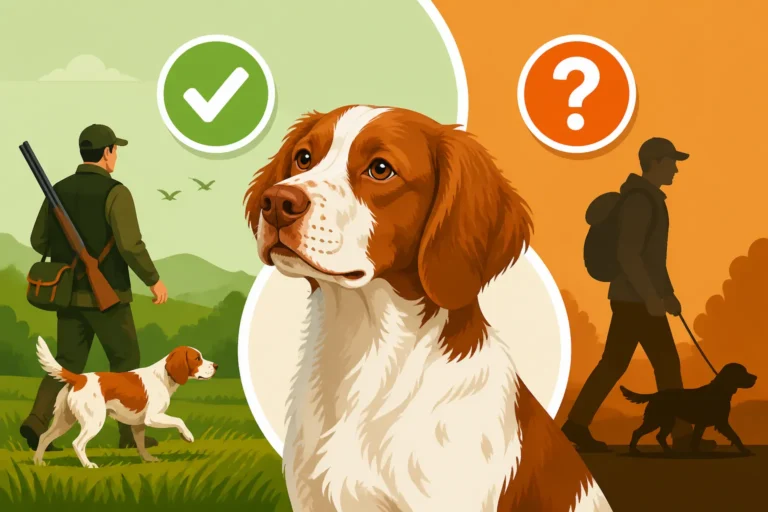
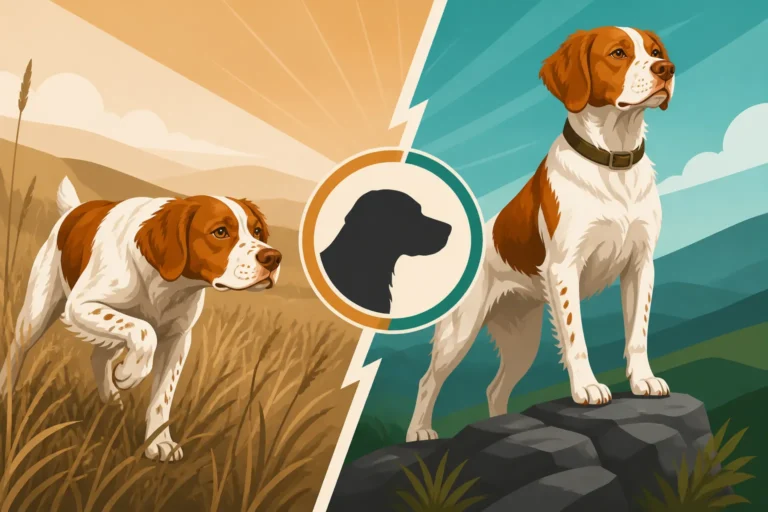
If your Brittany has already earned their Junior Hunter (JH) title, you know the thrill of seeing them find and point birds with enthusiasm. The JH title showcases a dog's natural instinct and desire, requiring them to make two successful finds and points. However, the Senior Hunter title elevates those expectations significantly. Where Junior Hunter allowed for a bit of youthful exuberance—perhaps a creep on point or an immediate retrieve after the shot—Senior Hunter demands a much more polished performance. Your Brittany must now demonstrate self-control and an understanding of advanced commands, proving they are a reliable and steady partner in a variety of hunting scenarios. It’s about building upon that raw talent and honing it into consistent, dependable behavior under pressure. Think of it as moving from elementary school to high school in their education; the foundations are there, but the curriculum gets much more rigorous. If you're curious about the earlier steps, you might find What a Brittany Needs to Earn a Junior Hunter Title a helpful refresher.
The Core Requirements of the Senior Hunter Test
The Senior Hunter test is designed to evaluate a Brittany's overall hunting ability and manners in a simulated hunting environment. Unlike the Junior Hunter test, which only requires two successful braces, Senior Hunter demands four qualifying scores, each earned under different judges and often in varied terrain. The core requirements include:
- Multiple Finds: Your Brittany will be expected to make at least two distinct finds and points per brace, showcasing their consistent bird-finding ability. These aren't just accidental bumps; they must be purposeful detections of game.
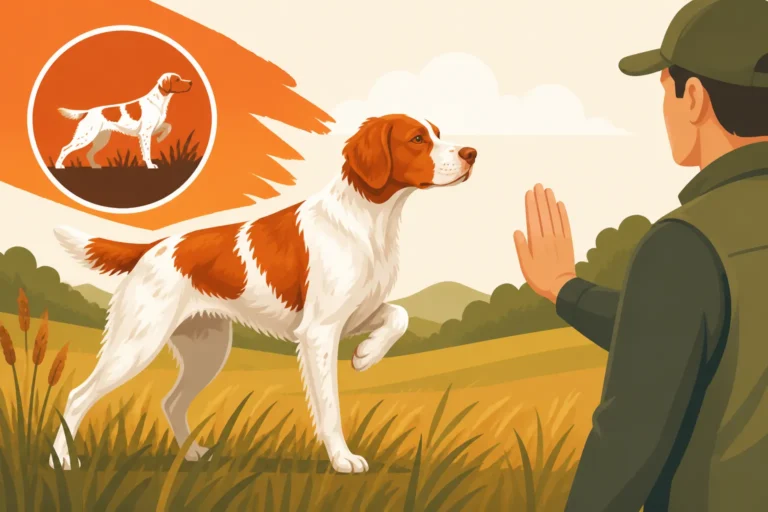
- Steadiness: This is arguably the biggest leap from Junior Hunter. Your dog must be "steady to wing and shot" – meaning they must remain staunchly on point when the bird flies and when the gun is fired. For many tests, they also need to be "steady to fall," meaning they hold their position until released to retrieve, even after the bird has hit the ground.
- Honoring: When another dog in the brace goes on point, your Brittany must honor that point by backing it, meaning they stop and freeze, acknowledging the first dog's find without interfering. This shows their ability to hunt cooperatively.
- Retrieve: A reliable retrieve to hand is essential. After the bird is shot and falls, your Brittany must retrieve it directly to you, presenting it gently without mouthing or damaging the game.
- Manners and Control: Throughout the entire test, your dog must exhibit general good manners, respond to your commands, and demonstrate control, especially when off-leash. This includes ranging appropriately for the cover and checking in with you periodically.
These elements combine to assess a truly finished bird dog, one that can be trusted in the field to handle birds with poise and perform as a team player.
Training Your Brittany for Senior Hunter Success
Moving from Junior to Senior Hunter requires a concerted effort in training, focusing on consistency, patience, and repetition. It’s about instilling behaviors so deeply that they become second nature, even amidst the high-drive excitement of bird work.
Mastering Steadiness and Honoring
Steadiness is the cornerstone of the Senior Hunter title, and for many Brittany owners, it's where the real training challenge lies. Your Brittany's natural instinct is to chase the bird once it flushes, but for Senior Hunter, they must learn to override that powerful urge. Start by introducing the concept of "whoa" in a controlled environment, ensuring your dog understands that command means to stop and freeze, no matter what. Use a check cord for initial training, stepping on it to prevent forward movement when a bird flushes. Gradually introduce distractions, moving from pigeons in a launcher to liberated quail, and eventually to wild birds if available. The goal is for your dog to remain completely still and focused on the spot where the bird was, even after it's airborne and a blank pistol has fired. This journey from basic whoa to steadfastness can be frustrating, especially with a high-energy Brittany, but it's absolutely crucial. For in-depth guidance on this, our post on Teaching a Brittany Steady to Wing is invaluable.
Honoring another dog's point is another critical skill that often comes with patience and exposure. When training, ideally work with another dog and handler. As the first dog points, bring your Brittany in on a check cord or lead, giving the "whoa" command a respectful distance behind the pointing dog. The idea is for your Brittany to recognize the other dog's point and honor it by stopping and standing still, acknowledging the presence of the bird without trying to rush in or steal the find. This isn't just about obedience; it's about understanding and respecting the hunting ethics of working with a brace mate. Practice this repeatedly, first with a very steady dog, and then gradually introducing more challenging scenarios. This builds trust and cooperation, essential qualities for a Senior Hunter. You'll find more insights into this specific skill in Teaching a Brittany to Honor a Point. Consistency in these drills, even if they feel repetitive, is what builds the reliable performance judges look for.
Advanced Retrieves and Handling
The Senior Hunter title also puts a greater emphasis on a polished retrieve. Your Brittany needs to bring the bird directly to hand, without dropping it, playing with it, or taking detours. This means that a reliable "force fetch" program is often necessary, even for dogs that are natural retrievers. While many Brittanys have an inherent desire to pick up birds, a formal retrieve program ensures they understand how to retrieve under all circumstances, bringing the bird gently and directly back to you every single time. This is less about force and more about teaching a precise, consistent sequence of actions, ensuring your dog delivers the bird without damaging it, which is critical for table fare. Many trainers advocate for a soft mouth and a gentle hold, training away any hard biting or crushing of the bird. Our detailed article Whether a Brittany Needs Force Fetch dives into this topic deeply, offering guidance on this essential step.
Beyond the retrieve itself, advanced handling becomes more important. While Junior Hunter focuses on the dog finding birds naturally, Senior Hunter often tests the dog's responsiveness to direction. This might include commands to cast out wider, come in closer, or even execute basic "directs" or "blinds" – sending the dog to a bird they haven't seen fall, based on your hand signals and verbal cues. This level of handling is particularly useful in retrieving shot birds from thick cover or water where the dog may not have marked the fall. Practicing these commands in various terrains and with different distractions builds a more versatile and cooperative hunting partner. Think about scenarios where a bird falls in tall reeds or across a ditch; your ability to direct your Brittany with hand signals and verbal cues like "back" or "over" becomes invaluable. Developing this communication allows you to work as a true team, maximizing your success in the field. Remember, even with an E-collar, the goal is always clear communication and voluntary compliance, not constant correction. Building that strong, reliable bond is key. You can find many useful training tools and resources, including E-collars and check cords, on platforms like Amazon.
Field Preparedness and Test Day Strategies
Success in a Senior Hunter test isn't just about a well-trained dog; it's also about a well-prepared team. This includes everything from physical conditioning to understanding the nuances of the test day itself.
Conditioning and Equipment for the Senior Hunter Field
A Senior Hunter test requires your Brittany to be in peak physical condition. They will typically run two braces in a day, covering significant ground, often in challenging terrain. This demands stamina, strong pads, and a resilient mindset. Start conditioning your Brittany weeks, if not months, before the test. This means regular, strenuous exercise: long runs, roading beside a bike or ATV (safely, of course), and swimming. Build up their endurance gradually to prevent injury. Pay close attention to their foot health; tough pads are crucial for long days in the field. Many owners use paw wax or apply a pad toughener, and regularly inspecting your dog's feet after every run is a must. Proper hydration is also critical, both during training and on test day. Always carry sufficient water for your dog, especially in warmer weather. For more on keeping your Brittany in top shape, check out How to Keep a Brittany Fit in Summer.
Regarding equipment, while the test itself emphasizes the dog's natural ability, certain tools are indispensable during training and beneficial on test day. A reliable whistle for recall and directional commands is a must. A long check cord is vital for teaching steadiness and control without completely restricting movement. An E-collar, when used responsibly and correctly as a communication tool rather than a punishment device, can be invaluable for reinforcing commands at a distance, particularly for recall and steadiness. Make sure your dog is thoroughly conditioned to the E-collar before using it in a test environment. You'll also want to consider a durable blaze orange vest for visibility, especially if you plan to hunt in varying cover, which can be easily found on sites like Amazon. A good first-aid kit is also a non-negotiable for any field outing, test or hunt, ready to address minor scrapes or foxtail issues.
| Skill / Requirement | Junior Hunter (JH) | Senior Hunter (SH) |
|---|---|---|
| Finds & Points | Minimum 2 successful finds/points per brace | Minimum 2 distinct finds/points per brace (more expected) |
| Steadiness | May creep or chase after flush | Steady to wing and shot (often steady to fall) |
| Honoring | Not required | Required: must honor brace mate's point |
| Retrieve | May retrieve immediately, less emphasis on "to hand" | Required: reliable, gentle retrieve to hand |
| Manners/Control | Good general manners | Consistent, advanced control; responsive to handling |
| Qualifying Scores | 2 total | 4 total |
| Brace Length/Demands | Shorter, less strenuous | Longer, more demanding; often 2 braces per day |
Navigating the Test Environment
Test day can be nerve-wracking, but understanding the process and managing your own stress will greatly benefit your Brittany. Arrive early to allow your dog to acclimate to the environment, get a good potty break, and burn off a little nervous energy without exhausting them. Observe the field conditions and listen to any announcements from the marshals or judges. Each brace consists of two dogs, and your Brittany will be expected to hunt cooperatively with their brace mate. Judges are looking for a natural hunting dog that works effectively and demonstrates polished manners. Don't micro-manage your dog; trust your training and let them work, intervening only when necessary.
Crucially, remember that judges are evaluating your dog's performance, but also your sportsmanship and handling. Be polite, follow instructions, and maintain a positive attitude, even if things don't go perfectly. A common pitfall is over-handling or getting flustered, which your Brittany will pick up on. Practice simulating test conditions during your training, including having other people act as judges or handlers. This familiarizes your dog with distractions and different human interactions. After all, the goal is for your Brittany to perform confidently and happily, showcasing the culmination of all your hard work. Organizations like BAXTER & Bella also offer courses that might include specific modules or tips for navigating formal test environments, supplementing your practical field training. While test day success isn't guaranteed, thorough preparation and a calm, confident approach will maximize your Brittany's chances of earning that well-deserved Senior Hunter title.
Disclaimer
This article is for general informational purposes only and does not constitute professional advice. Laws, prices and regulations vary by location and change over time. Consult a qualified professional for guidance on your specific situation.