What a Brittany’s Yearly Bloodwork Should Cover
It’s easy to assume your active, energetic Brittany is in peak condition, especially when they bounce around the house or tear through the fields. But many serious health issues can be silently brewing beneath that robust exterior, often without any obvious symptoms until they're quite advanced. This guide is here to walk you through exactly what crucial insights your Brittany's annual bloodwork provides and why it's such an invaluable tool for their long-term health and well-being.
Why Annual Bloodwork Is Critical for Your Brittany
Let's be honest, an extra vet visit or an additional cost can feel like a burden, especially when your Brittany seems perfectly fine. You might think, "Why fix what isn't broken?" But with our beloved Brittanys, whose drive and enthusiasm often mask discomfort, waiting for visible symptoms can put them at a significant disadvantage. Annual bloodwork is one of the most proactive steps you can take to safeguard their health, acting as an early warning system.
The Silent Nature of Canine Illnesses
One of the biggest frustrations for dog owners is how incredibly stoic our canine companions can be. Unlike humans who might complain of a headache or a stomach ache, dogs, particularly those with a strong prey drive and an instinct to hide weakness like Brittanys, are masters at concealing pain or illness. They might continue to hunt, play, and eat with vigor, all while their internal organs are under stress or developing a serious condition. We've all seen a Brittany power through a hunt only to crash later, and sometimes that crash is due to an underlying issue that's been festering. Without yearly bloodwork, conditions like kidney disease, liver dysfunction, diabetes, or even certain cancers can progress significantly before any outward signs appear. Imagine catching a subtle shift in kidney enzymes months before your dog starts showing excessive thirst or lethargy; that early detection can be truly life-saving, allowing for interventions that slow progression and improve quality of life.
Baseline Health and Early Detection
Think of your Brittany's annual bloodwork as creating a personal health diary. The first time your vet runs a comprehensive panel, it establishes a "baseline" – a snapshot of what's normal for your specific dog. Every year after that, subsequent bloodwork provides a point of comparison. A single out-of-range number might not mean much on its own, but if that number has been steadily climbing over two or three years, even if it's still within the "normal" range provided by the lab, it can signal a trend toward a problem. For instance, if your Brittany's liver enzymes start showing a slight upward trend over a couple of years, your vet can investigate before full-blown liver disease takes hold. This early insight allows for dietary changes, supplements, or further diagnostics like an ultrasound, offering a chance to intervene long before your dog feels sick. This proactive approach is particularly important as your Brittany gets older and conditions like The Age a Brittany Gets Arthritis become more prevalent, but even young, seemingly healthy dogs can benefit from establishing a robust health history.
Proactive Care for an Active Breed
Brittanys are athletes. Whether they're pounding the ground in search of pheasants, retrieving ducks from icy water, or simply keeping pace with your daily run, their bodies are under constant demand. This high level of activity means their organs, joints, and metabolic systems are working hard. Regular bloodwork helps ensure these vital systems are coping well. It can reveal if their hydration levels are consistent, if their red blood cell count is optimal for oxygen transport during exercise, or if there are any signs of inflammation or stress that could impede their performance and overall health. For working dogs, specifically, knowing their internal health status before the demanding hunting season begins, or after a particularly strenuous one, can be invaluable. A pre-season vet check with accompanying bloodwork, as discussed in Whether a Brittany Needs a Preseason Vet Check, is a smart move to ensure they're ready for the rigors ahead and to flag any potential issues that could be exacerbated by intense physical activity.
Key Components of a Brittany's Yearly Blood Panel
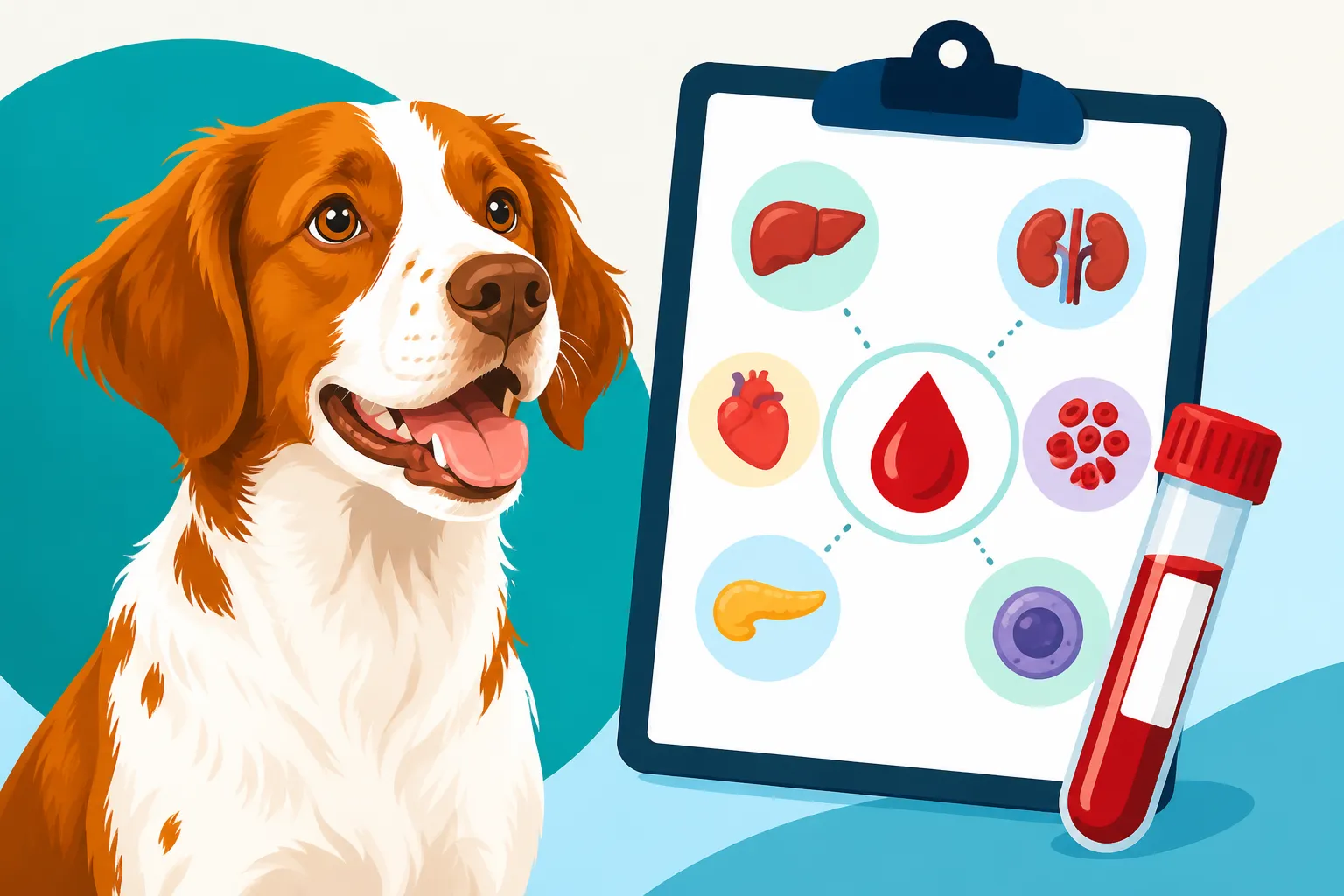
When your veterinarian orders annual bloodwork for your Brittany, they typically aren't just looking at one thing. They're usually running a comprehensive panel designed to give a broad overview of several critical bodily functions. Understanding what these different tests are and what they reveal can help you feel more engaged in your Brittany's health journey.
Complete Blood Count CBC
The Complete Blood Count, or CBC, is a foundational part of any diagnostic workup. It’s like taking an inventory of all the different cells circulating in your Brittany’s bloodstream. This simple test provides a wealth of information about their general health, immune system function, and even hydration status.
Red Blood Cells: This part of the CBC measures the number of red blood cells (RBCs), their size, and the amount of hemoglobin they carry. Red blood cells are crucial for carrying oxygen from the lungs to every part of your Brittany's body, which is especially vital for an active hunting dog. Low numbers can indicate anemia, which might be caused by chronic disease, parasitic infections, or even internal bleeding that you might not otherwise see. High numbers, on the other hand, could point to dehydration, which is a real concern for Brittanys working hard in the field. Your vet will look at the Packed Cell Volume (PCV) or hematocrit, which is the percentage of red blood cells in the blood, along with hemoglobin and red blood cell count itself.
White Blood Cells: The CBC also provides a count of various types of white blood cells (WBCs), including neutrophils, lymphocytes, monocytes, eosinophils, and basophils. These cells are the backbone of your Brittany's immune system. Elevated total white blood cell counts, or specific increases in certain types, can signal inflammation, infection (bacterial, viral, or parasitic), or even stress. Conversely, unusually low counts could indicate a compromised immune system, perhaps due to a viral infection, certain medications, or even a genetic predisposition like What C3 Deficiency Does to a Brittany, which affects the immune system. Your vet will scrutinize these numbers carefully, as they provide strong clues about how effectively your Brittany is fighting off potential threats or dealing with internal issues.
Platelets: Finally, the CBC includes a platelet count. Platelets are tiny cell fragments essential for blood clotting. A low platelet count can indicate a bleeding disorder, an immune-mediated disease, or even certain cancers. If your Brittany has an injury, especially a field laceration, having adequate platelets is critical for proper healing. Conversely, extremely high platelet counts are less common but can also signal inflammation or other underlying conditions. Any significant deviation here might prompt your vet to recommend further coagulation tests to ensure your Brittany's blood can clot effectively.
Chemistry Panel
The chemistry panel, often called a 'chem panel' or 'blood chemistry,' delves into the health of your Brittany's internal organs and their metabolic functions. It measures various enzymes, proteins, electrolytes, and other substances in the blood, giving a detailed picture of how well organs like the liver, kidneys, and pancreas are functioning.
Kidney Function (BUN & Creatinine): Two of the most important markers on the chemistry panel are Blood Urea Nitrogen (BUN) and Creatinine. These are waste products that healthy kidneys filter out of the blood. If these levels are elevated, it's a strong indicator that the kidneys aren't filtering efficiently. Since Brittanys can sometimes be prone to certain health issues, monitoring these yearly is crucial for early detection of kidney problems. Your vet will also look at the SDMA (Symmetric Dimethylarginine) test, which is a newer, more sensitive marker for early kidney disease, often detecting issues even before BUN and Creatinine start to rise. Early intervention, as always, is key to managing kidney disease and potentially prolonging a good quality of life.
Liver Function (ALT, ALP, Bilirubin): The chemistry panel measures several liver enzymes, such as Alanine Aminotransferase (ALT) and Alkaline Phosphatase (ALP), as well as bilirubin. Elevated levels of these can indicate liver damage, inflammation, or disease. Liver issues can stem from various causes, including infections, toxins, certain medications, or even underlying conditions that affect the liver secondarily. The liver is a vital organ responsible for detoxification, protein synthesis, and digestion, so its health is paramount for an active Brittany. Seeing consistent elevations would warrant further investigation, such as an ultrasound or specific liver function tests.
Blood Glucose, Protein, and Electrolytes: The chemistry panel also assesses blood glucose (sugar) levels, which are critical for detecting diabetes. Total protein and albumin levels can indicate hydration status, nutritional deficiencies, or chronic disease. Electrolytes like sodium, potassium, and chloride are essential for nerve and muscle function, hydration, and maintaining acid-base balance. Imbalances in these can signal anything from dehydration to hormonal disorders. For a dog like a Brittany that is often working hard and expending significant energy, keeping an eye on these metabolic markers is a smart part of routine care. Many owners appreciate having a clear picture of their dog's internal workings, which this panel provides.
Thyroid Function Screening
While sometimes part of the standard chemistry panel, a separate, more comprehensive thyroid panel is often recommended for Brittanys, especially as they age. The thyroid gland plays a huge role in metabolism and energy regulation, and imbalances can lead to a host of problems that are often subtle at first.
Detecting Hypothyroidism: Hypothyroidism, a condition where the thyroid gland doesn't produce enough hormones, is relatively common in many dog breeds, and Brittanys are not immune. A basic screening might include total T4 (thyroxine) levels. However, if that comes back low or even borderline, your vet might recommend a full thyroid panel, which includes free T4, T3, and thyroid-stimulating hormone (TSH). Symptoms of hypothyroidism can be vague and easily missed: lethargy, weight gain despite no change in diet, a dull or thinning coat, cold intolerance, or even behavioral changes. You might notice your energetic Brittany suddenly slowing down more than usual, or their normally bright, copper-hued coat starting to look a bit sparse. Catching this early, as outlined in Signs a Brittany's Thyroid Is Low, can make a huge difference in their quality of life, as it's typically easily managed with daily medication.
Why it Matters for Brittanys: Given their athletic nature and the demands placed on their bodies, a properly functioning thyroid is critical for maintaining their energy levels, stamina, and overall metabolic health. An undiagnosed low thyroid can impact everything from their cardiovascular system to their skin and coat. Breeders often screen breeding dogs for thyroid issues to prevent passing on genetic predispositions, so it’s something responsible owners should also be aware of. If you’re ever curious about why it's such a focus, learning What Hypothyroidism Does to a Brittany can offer valuable context. Ensuring healthy thyroid function helps your Brittany continue to enjoy their active lifestyle for as long as possible.
Here's a quick overview of what your Brittany's annual bloodwork usually covers:
| Bloodwork Component | What It Measures | Key Insights for Brittanys |
|---|---|---|
| Complete Blood Count (CBC) | ||
| Red Blood Cells | Oxygen-carrying capacity, hydration | Anemia (fatigue, weakness), dehydration (risk for active dogs) |
| White Blood Cells | Immune system response | Infection, inflammation, stress, immune disorders (e.g., C3 Deficiency) |
| Platelets | Blood clotting ability | Bleeding disorders, certain immune conditions, risk with field injuries |
| Chemistry Panel | ||
| BUN & Creatinine | Kidney function, waste filtration | Early detection of kidney disease, hydration status |
| ALT, ALP, Bilirubin | Liver function, detoxification | Liver damage/inflammation, exposure to toxins, metabolic issues |
| Glucose | Blood sugar levels | Diabetes detection, pancreatic function |
| Total Protein | Hydration, inflammation, liver/kidney disease | Nutritional status, chronic illness indicators |
| Electrolytes | Hydration, nerve/muscle function | Dehydration, electrolyte imbalances, hormonal issues |
| Thyroid Panel | ||
| Total T4 / Free T4 | Thyroid hormone levels | Hypothyroidism (lethargy, weight gain, coat issues), essential for metabolism and energy |
Understanding the Results: What to Look For and When to Worry
Receiving your Brittany's bloodwork results can sometimes feel like trying to decipher a foreign language. There's a lot of jargon and numbers, and it's natural to feel a bit overwhelmed. But your veterinarian is there to interpret these results for you and guide you through what they mean for your individual dog. It's truly a team effort between you and your vet.
Interpreting Deviations from the Norm
When you look at a bloodwork report, you'll typically see a range listed next to each value. This is the "normal reference range" – the typical values expected for a healthy dog. It's important to remember that these ranges are statistical averages, and a single number slightly outside the normal range isn't always a cause for panic. For example, a slightly elevated white blood cell count might just indicate your Brittany recently fought off a minor infection, or even experienced a bit of stress during the vet visit. What your vet looks for are significant elevations or drops, especially those that correlate with any subtle symptoms you might have noticed, or trends over multiple years. If several related values are abnormal, or if a value is drastically outside the normal range, that's when it flags as more concerning. For instance, a significantly high ALT (liver enzyme) combined with other liver markers being off would point strongly to a liver issue. Conversely, a consistently low T4 reading on a thyroid panel, especially if your Brittany is showing signs of low energy, would prompt a deeper dive into What Hypothyroidism Does to a Brittany. The beauty of regular bloodwork is that it often allows for these subtle trends to be caught long before a full-blown crisis, giving you and your vet more options and better prognosis.
The Role of Your Veterinarian and Follow-Up
Your veterinarian is the expert in translating these complex lab results into actionable insights for your Brittany. They understand the nuances, considering your dog's age, breed, lifestyle (is your Brittany an active hunting dog or a couch potato?), and any other health history. Don't hesitate to ask questions. A good vet will take the time to explain what each key marker means for your dog. If an abnormality is found, they might recommend:
- Monitoring: Sometimes, a slightly elevated value just needs rechecking in a few weeks or months to see if it normalizes on its own or if the trend continues.
- Further Diagnostics: This could involve more specific blood tests (like a full thyroid panel if a screening T4 is low, as mentioned in Whether a Brittany Breeder Screens Thyroid), urine tests, X-rays, or an ultrasound to get a clearer picture of an organ's health.
- Treatment: If a diagnosis is clear, they will discuss treatment options, which could range from dietary changes and supplements to medication.
- Lifestyle Adjustments: For an active Brittany, this might mean adjusting their exercise regimen or ensuring specific nutritional support, especially if their energy levels are impacted.
It's important to actively participate in these discussions. Knowing What a Brittany's Yearly Bloodwork Should Cover empowers you to ask informed questions and be an advocate for your dog's health.
Financing Diagnostics and Treatment
Discovering an underlying health issue through bloodwork, while invaluable, can sometimes lead to unexpected costs for further diagnostics or ongoing treatment. This is a very real concern for many pet owners, especially when you think about What a Brittany Costs Over Its Lifetime. From follow-up tests to specialized diets or long-term medications, these expenses can add up quickly. This is where pet insurance can truly be a lifesaver. Companies like Healthy Paws offer coverage that can significantly ease the financial burden associated with diagnosing and treating chronic conditions or unexpected illnesses. Imagine your Brittany needs frequent blood monitoring for a kidney issue, or lifelong medication for hypothyroidism—having a robust pet insurance plan can mean you don't have to make difficult choices based solely on cost. It allows you to prioritize the best care for your furry family member without the constant worry of medical bills. While routine annual bloodwork itself might not always be covered (depending on the plan), any subsequent diagnostics or treatments for conditions discovered because of that bloodwork often are. Thinking ahead about What Insuring a Brittany Costs a Month can provide peace of mind and ensure you're prepared for whatever comes your way.
Disclaimer
This article is intended for informational purposes only and is not a substitute for professional veterinary advice, diagnosis, or treatment. Always seek the advice of your veterinarian or other qualified health provider with any questions you may have regarding a medical condition for your Brittany.