Whether a Brittany Reacts to Vaccines
It’s a common worry for any dog owner, but especially for those of us with active, beloved Brittanys: you want to keep your furry hunting companion healthy and protected, but the thought of them having an adverse reaction to a vaccine can be really unsettling. This comprehensive guide will walk you through what to expect, how to identify potential issues, and what steps you can take to ensure your Brittany remains safe and well after their vaccinations.
Understanding Vaccine Reactions in Brittanys
Vaccines are a cornerstone of preventive care, protecting our dogs from serious, often life-threatening diseases. For a Brittany that spends time exploring fields, marshes, and new environments, staying up-to-date on vaccinations is incredibly important to their overall health. However, just like in humans, vaccines can sometimes trigger a response from the immune system that goes beyond the intended immunity. It’s natural to feel a bit anxious about this, wondering if your typically robust dog might be the one to have a sensitivity.
The Spectrum of Mild to Severe Reactions
When we talk about vaccine reactions, it’s important to understand that there’s a wide spectrum of possibilities, from mild and barely noticeable to, in very rare cases, severe and requiring immediate medical attention. The vast majority of reactions fall into the mild category, and many owners might not even realize their dog is experiencing one, attributing a slight dip in energy to a long day or a change in routine.
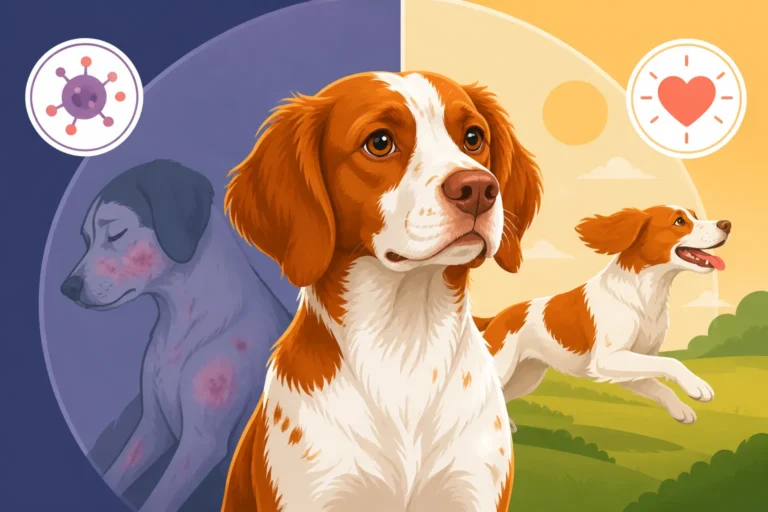
Mild reactions are essentially your Brittany's immune system doing its job. You might notice your energetic dog is a bit more lethargic than usual, perhaps just wanting to nap more or less enthusiastic about their morning romp. There might be some tenderness or a small, firm bump at the injection site, which can be a little sensitive to the touch. A low-grade fever, a slight decrease in appetite, or even a bit of transient lameness if the injection was in a leg muscle are also common. These types of reactions usually resolve on their own within 24 to 48 hours and typically don't require any specific treatment beyond monitoring and providing comfort. It's often reassuring to remember that these minor signs mean the vaccine is effectively engaging their immune system to build protection.
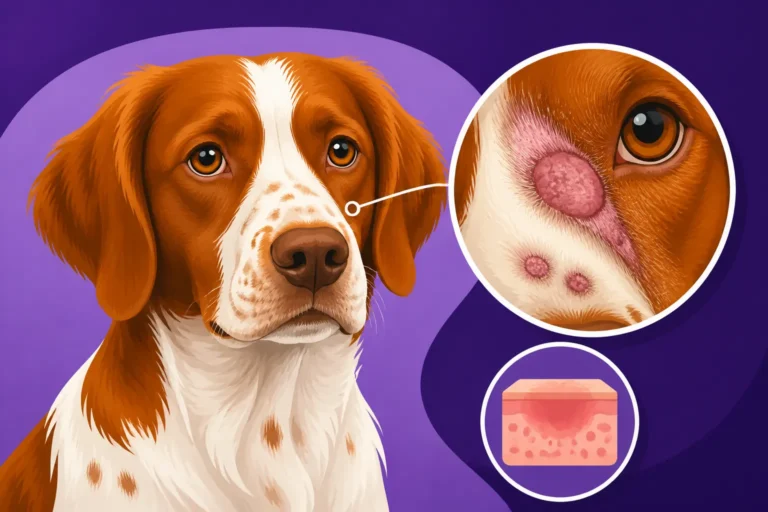
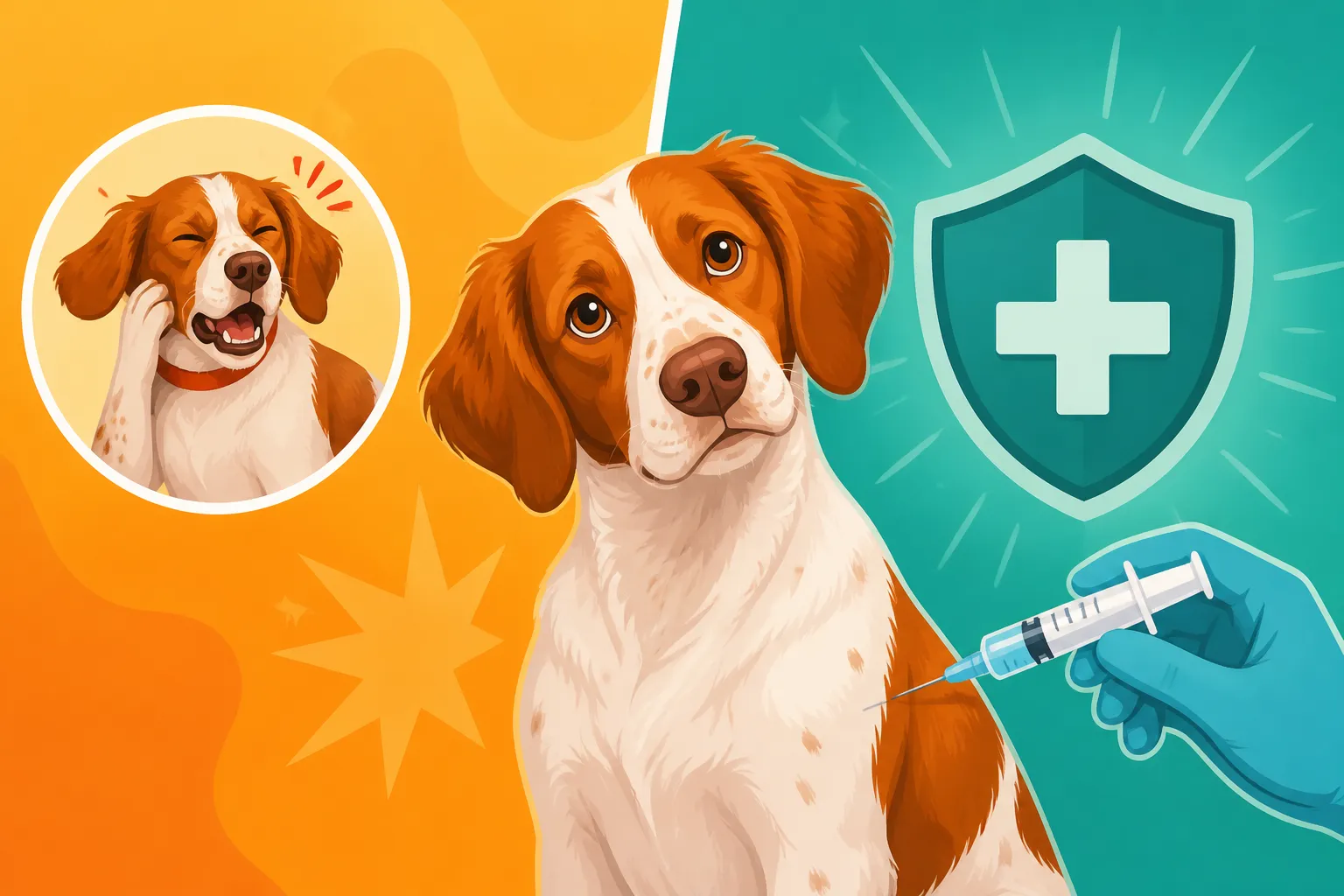
On the other end of the spectrum, though thankfully rare, are severe reactions. These are typically allergic responses and can manifest quickly, often within minutes to a few hours of vaccination. Signs to watch for include sudden facial swelling, especially around the muzzle, eyes, or ears, which can make your Brittany look quite puffy. Hives, which appear as raised, itchy welts on the skin, might pop up, particularly under their thinner coat on the belly or inner thighs. In the most critical cases, a severe allergic reaction, known as anaphylaxis, can occur, leading to difficulty breathing, collapse, vomiting, diarrhea, or even seizures. While these are frightening scenarios, knowing the signs allows for quick action, which is crucial for a positive outcome.
Why Brittanys Might React Differently
You might wonder if Brittanys, as a specific breed, have unique predispositions to vaccine reactions. While there isn't extensive breed-specific data suggesting Brittanys are inherently more reactive than other dogs, individual dogs within any breed can have varying immune responses. A Brittany’s vibrant health, often mentioned in discussions like The Brittany Is One of the Healthiest Sporting Breeds, usually means they handle vaccines well. However, just like people, every dog is an individual.
Factors that can influence a dog's reaction include their age, overall health status at the time of vaccination, and whether they've had reactions to vaccines in the past. A puppy's developing immune system, for example, might react differently than an adult dog's. Similarly, an older Brittany, especially one who is Caring for a Brittany Past Ten and might have other underlying health conditions, could potentially have a different response. The number of vaccines administered at one time can also play a role; some veterinarians prefer to space out certain vaccinations for sensitive dogs to avoid overwhelming their system, particularly if a dog has shown prior reactivity. Genetics can also play a subtle part, though not always directly tied to breed-specific sensitivities, but more to individual genetic makeup. It's always a good idea to discuss your Brittany's full health history with your veterinarian before any vaccination.
Identifying and Managing a Vaccine Reaction
Knowing what to look for and when to act is key to managing any potential vaccine reaction. As a Brittany owner, you're likely very attuned to your dog's energy levels and behavior, which gives you a great advantage in spotting subtle changes. After all, your Brittany's usual zest for life and the field is quite pronounced!
What to Look For After Vaccination
The first few hours and days following vaccination are the most critical for observation. Immediately after the shot, keep a close eye on your Brittany. Most severe allergic reactions manifest within minutes to an hour or two. Look for any rapid swelling around the face, especially the eyelids, lips, or ears. Your dog might start pawing at their face or rubbing it against furniture. Hives can appear as raised bumps anywhere on the body, which can be itchy and cause your dog to scratch or chew at their skin more than usual.
Beyond these more immediate and severe signs, continue to monitor for mild reactions over the next 24 to 48 hours. Is your Brittany unusually tired, perhaps skipping their usual excited greeting? Are they refusing their favorite kibble or turning away from treats? Check the injection site – is it more swollen or painful than just a slight tenderness? Pay attention to any changes in breathing, such as rapid, shallow breaths or wheezing, which could indicate a serious issue. If your Brittany is prone to Why a Brittany's Drop Ear Traps Water, you might already be checking their ears regularly, which can help you spot facial swelling or hives in those areas.
Here's a quick reference table for common symptoms:
| Reaction Type | Common Symptoms | When It Appears | Severity | Action |
|---|---|---|---|---|
| Mild | Lethargy, mild fever, decreased appetite | 6-48 hours | Low | Monitor, provide comfort, contact vet if symptoms worsen. |
| Injection Site | Pain, swelling, small lump at injection site | Immediately – 48 hours | Low – Moderate | Warm compress (if tolerated), monitor, contact vet if painful or growing rapidly. |
| Moderate | Hives (urticaria), facial swelling, mild itching | Minutes – 6 hours | Moderate | Contact vet immediately for advice; antihistamines might be prescribed. |
| Severe | Difficulty breathing, collapse, severe vomiting/diarrhea, seizures | Minutes – 2 hours | High | Emergency vet visit immediately! |
When to Contact Your Veterinarian
Knowing when to pick up the phone and when to rush to the emergency clinic can make all the difference. For mild symptoms like a bit of lethargy or a sore injection site, monitoring your Brittany at home and providing a quiet, comfortable space is usually sufficient. Ensure they have access to fresh water and offer smaller, more appealing meals if their appetite is low. These symptoms often resolve on their own.
However, if you observe any signs of a moderate or severe reaction, it's crucial to contact your veterinarian immediately. This includes any facial swelling, widespread hives, persistent vomiting or diarrhea, or any signs of breathing difficulty. Even if you're just unsure, a quick call to your vet can provide peace of mind and guidance. They might advise you to come in for an examination, especially if there's concern about a progressing allergic reaction. For very severe symptoms, such as collapse, struggling to breathe, or loss of consciousness, don't wait for a call back – head straight to the nearest emergency veterinary clinic. These situations are true emergencies where every minute counts. Pet insurance providers like Healthy Paws can be a real lifesaver in these unexpected emergency situations, helping to manage the cost of urgent care.
If your Brittany has a known history of vaccine reactions, your vet might suggest pre-medication with an antihistamine before future vaccinations. This proactive step can sometimes help mitigate the body's allergic response, making the vaccination process smoother and safer for your sensitive companion.
Home Care for Mild Reactions
For those common, mild reactions, home care is largely about making your Brittany as comfortable as possible. Think of it like they're having a low-key day – less "Let's find birds!" and more "Let's snuggle on the couch."
- Rest and Quiet: Encourage your Brittany to rest. This isn't the day for a long hike or an intense training session. A cozy bed in a quiet part of the house will be much appreciated. Even a highly energetic Brittany needs a break sometimes.
- Hydration: Ensure constant access to fresh water. While they might not be as thirsty as after a long run in the field, staying hydrated is important for recovery.
- Appetite Monitoring: If they're a bit off their food, don't force it. Offer small amounts of bland food like boiled chicken and rice if they usually have a robust appetite. If the lack of appetite persists beyond 24 hours, or if they refuse water, it's time to check in with your vet.
- Injection Site Comfort: For a sore injection site, a warm, moist compress applied gently for 5-10 minutes a few times a day can sometimes help with discomfort and swelling. However, only do this if your Brittany tolerates it without showing pain or aggression. Always ensure the site is clean and dry afterward.
- Avoid Strenuous Activity: This is especially important for a Brittany. Their natural drive means they'll often push themselves, but strenuous exercise immediately after vaccination can sometimes exacerbate mild systemic reactions or cause more discomfort at the injection site. Give them a day or two to fully recover before getting back to their usual activities. This ties into why understanding The Injuries a Brittany Picks Up in the Field is so vital—you want to avoid any additional stressors to their system.
Strategies for Minimizing Risk
While vaccine reactions are generally rare, taking proactive steps can further minimize the risk for your Brittany. Your veterinarian is your best partner in this, as they can tailor a vaccination plan that suits your dog's individual needs and lifestyle.
Discussing Vaccine Protocols with Your Vet
One of the best things you can do is have an open conversation with your veterinarian about an individualized vaccine protocol for your Brittany. Instead of a one-size-fits-all approach, a tailored plan considers your dog's specific risks and exposure levels. For an active Brittany, certain vaccines, such as Whether a Brittany Needs a Leptospirosis Shot or Lyme disease, might be more crucial due to their exposure to wildlife and outdoor environments.
Consider discussing titer testing for some core vaccines. A titer test measures the level of antibodies in your dog's blood, indicating if they still have sufficient protection from previous vaccinations. If the titers are high enough, it might mean your Brittany doesn't need a booster for that particular disease at that time, potentially reducing the frequency of vaccinations and the associated, albeit small, risk of reaction. This is a great way to avoid over-vaccinating while ensuring continued protection.
Another strategy is to space out vaccinations. If your Brittany typically receives multiple vaccines in one visit, and particularly if they have shown any prior sensitivity, your vet might suggest splitting them into separate appointments a few weeks apart. This allows their immune system to process one vaccine at a time, potentially reducing the overall burden and the chance of an adverse reaction. Also, make sure your vet knows about your Brittany's overall health history, including any previous illnesses or if they've ever shown signs of Whether a Brittany Gets Autoimmune Disease.
Preparing Your Brittany for Vaccination
A little preparation can go a long way in ensuring your Brittany has the best possible experience during and after their vaccines. The goal is to make sure they are in optimal health when receiving their shots.
First and foremost, ensure your Brittany is healthy on the day of vaccination. If they're showing any signs of illness—even something minor like a cough, sneeze, or upset stomach—it's best to postpone the vaccine. A compromised immune system might not respond as effectively to the vaccine and could be more prone to a reaction. Your veterinarian will always do a wellness check before vaccinating, which is why How Often a Brittany Needs a Wellness Exam is so important.
Maintain a good diet and exercise routine leading up to the appointment. A well-nourished and moderately exercised dog generally has a more robust immune system. Avoid introducing new foods or stressors right before a vaccine appointment, as this could inadvertently add to their body's workload.
Lastly, keep a detailed record of your Brittany's vaccination history, including the dates, types of vaccines given, and any reactions observed. This information is invaluable for your veterinarian in making informed decisions about future vaccination protocols. If you're wondering What a Brittany's Yearly Bloodwork Should Cover, discuss it with your vet – comprehensive health checks can also help ensure your Brittany is in prime condition for vaccination.
Long-Term Health and Vaccinations
Navigating vaccinations for a Brittany isn't just about the immediate aftermath; it's about a long-term strategy for their health, especially considering their active, sporting lifestyle.
Balancing Protection and Risk for a Working Brittany
For a Brittany, often bred for the field, vaccinations aren't just a suggestion; they're a critical line of defense. These dogs are exposed to environments where pathogens thrive—wild birds, other dogs, stagnant water, and various wildlife that carry diseases. Vaccinating against core diseases like rabies, distemper, parvovirus, and adenovirus is absolutely non-negotiable for their safety and often legally required. Furthermore, "lifestyle" vaccines, like the one for Leptospirosis, become incredibly important for Brittanys who might drink from puddles or streams while hunting or training. The benefits of this protection far outweigh the very small risks of a vaccine reaction for the vast majority of these dogs. Imagine your beloved hunting partner contracting a preventable, severe illness—the thought alone is enough to underscore the importance of these protections.
As your Brittany ages, or if they develop health issues, your vaccination protocol might need to be adjusted. An Caring for a Brittany Past Ten might have a different immune response than a younger dog. Your vet can discuss tailoring the schedule, perhaps by extending intervals for some vaccines or opting for titer tests more frequently. The goal remains the same: maximum protection with minimum risk, ensuring your Brittany can continue to enjoy a healthy, active life for as long as possible.
The Importance of a Health Guarantee and Insurance
When you first bring home a Brittany puppy, a responsible breeder will often provide a health guarantee, which typically covers certain genetic health issues. While this usually doesn't directly cover vaccine reactions, it signifies a breeder's commitment to the health of their lines. Understanding What a Brittany Health Guarantee Covers Hips and other conditions can give you peace of mind, but it’s important to remember that general health events, including vaccine reactions, fall under routine care or unexpected emergencies.
This is where pet insurance, like plans offered by Healthy Paws, really comes into play. While most routine vaccinations are preventative and not typically covered by accident/illness policies, severe adverse reactions that require emergency veterinary intervention often are. Thinking ahead about how to cover these unexpected costs can save a lot of stress during an emergency. Imagine if your Brittany developed a severe allergic reaction requiring an overnight stay at an emergency clinic—the bill could quickly add up. Pet insurance helps to mitigate these financial surprises, allowing you to focus on your dog's recovery without the added worry of exorbitant vet bills. It’s an investment in your peace of mind, ensuring that when the unexpected happens, you can provide the best care for your Brittany without hesitation, whether it's for a severe vaccine reaction or other What a Brittany's Field Injuries Cost in a Season.
Disclaimer
This article is for general informational purposes only and does not constitute professional advice. Laws, prices and regulations vary by location and change over time. Consult a qualified professional for guidance on your specific situation.