Whether a Brittany’s Lupus Is Lifelong
It’s an incredibly unsettling moment when your vibrant Brittany, your loyal hunting partner or cherished family member, receives a diagnosis of lupus. Naturally, your mind races with questions, and one of the most pressing concerns is whether this condition is something your dog will have to live with for the rest of their days. This guide aims to shed light on the reality of Discoid Lupus Erythematosus (DLE) in Brittanys, explaining its enduring nature, what a lifelong diagnosis truly means, and how you can manage it effectively to ensure your beloved companion maintains a wonderful quality of life.
Decoding Discoid Lupus Erythematosus in Your Brittany
Discoid Lupus Erythematosus, often simply called DLE, is an autoimmune skin disease that primarily affects a dog's nose, but can sometimes spread to other areas like the lips, around the eyes, and even the paws. For Brittany owners, this diagnosis can be particularly distressing because our dogs are so often out in the elements, and their noses are central to their world – especially for those who hunt. Understanding exactly what DLE is and how it manifests is the first step in coming to terms with its management.
What Exactly is DLE and Why Does it Affect Brittanys?
DLE is considered an autoimmune disease, which means your dog's own immune system, designed to protect them from foreign invaders, mistakenly attacks healthy cells in their skin. Specifically, it targets the cells in the nasal planum, the smooth, hairless part of their nose. While DLE can affect any breed, Brittany Spaniels, along with Collies, German Shepherds, and Siberian Huskies, are among those breeds that seem to have a predisposition for it. The exact reasons why certain breeds are more susceptible aren't fully understood, but genetics likely play a role. It's not contagious, and it's not something your Brittany caught from another dog. Instead, it's an internal process gone awry.
The frustration for many owners stems from the sudden onset and sometimes vague initial signs. You might first notice your Brittany’s nose losing its rich black color, a phenomenon often described as "pigment loss" or a change to a grayish or pinkish hue. You might also notice texture changes, where the nose becomes smooth and shiny instead of its usual cobblestone appearance. These initial observations can be puzzling, leaving you wondering if it's just a seasonal change or something more serious. Our guide on What Discoid Lupus Does to a Brittany's Nose provides a deeper dive into these specific physical manifestations.
Recognizing the Early Signs and Getting a Diagnosis
Catching DLE early can make a significant difference in management. Beyond the pigment loss, you might start to see crusting, scaling, or even sores and open lesions develop on the nose. In more severe cases, the affected skin can crack and bleed, causing discomfort and pain for your Brittany. Sometimes, the area might become itchy, leading your dog to rub or scratch their nose, which can worsen the lesions. These are classic Signs a Brittany Has Discoid Lupus.
When you bring these concerns to your veterinarian, they'll likely perform a thorough examination. While the clinical signs are often highly suggestive of DLE, a definitive diagnosis typically requires a biopsy of the affected skin. This procedure involves taking a small tissue sample, usually under sedation or local anesthesia, which is then sent to a veterinary dermatopathologist for microscopic examination. The pathologist looks for specific cellular changes characteristic of autoimmune skin disease. Our post on How Discoid Lupus Is Diagnosed in a Brittany explains this process in detail, helping you understand what to expect during this diagnostic phase. It’s a crucial step because other conditions can mimic DLE, and an accurate diagnosis ensures your Brittany receives the correct treatment plan.
The Enduring Reality: Is Brittany Lupus Truly Lifelong?
This is often the most challenging question for owners: will my Brittany ever truly recover from lupus, or is this a battle we'll be fighting forever? The honest, empathetic answer, based on current veterinary understanding, is that Discoid Lupus Erythematosus in Brittanys is generally considered a lifelong condition.
Understanding the Chronic Nature of DLE
When veterinarians describe DLE as "lifelong" or "chronic," it means that while the symptoms can be managed and brought into remission, the underlying autoimmune predisposition remains. It's not a condition that typically goes away completely and permanently. Think of it less like an infection that can be cured with antibiotics and more like a human autoimmune condition, such as rheumatoid arthritis, where flare-ups can be controlled with medication and lifestyle adjustments, but the immune system's tendency to attack itself persists.
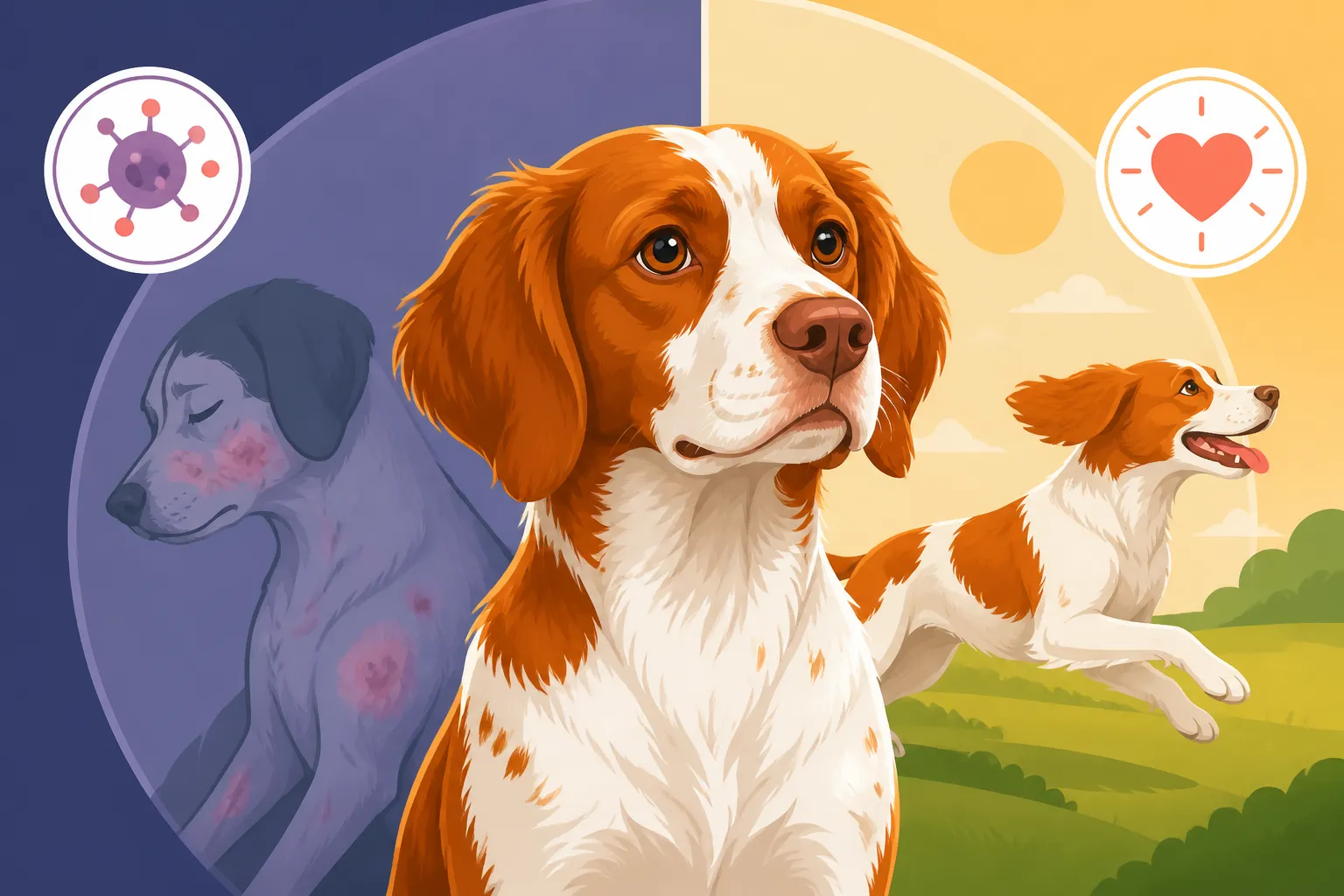
This doesn't mean a life of constant suffering for your Brittany. Far from it! What it does mean is that your Brittany will likely require ongoing management, vigilance, and potentially intermittent or continuous medication to keep the condition under control. The good news is that with consistent care, many Brittanys with DLE live perfectly normal, happy lives without significant discomfort. The key is understanding that "lifelong" implies a commitment to proactive management rather than a grim prognosis.
Flare-Ups and Remission: The Cyclical Pattern
One of the frustrating aspects of DLE for owners is its tendency to wax and wane. Your Brittany might have periods of complete remission, where their nose looks almost normal, and there are no active lesions. Then, without much warning, a flare-up might occur, and the symptoms return with varying severity. Certain triggers, which we'll discuss later, can often precede these flare-ups.
This cyclical pattern is typical of many autoimmune diseases. The goal of treatment isn't necessarily to "cure" the disease but to prolong the periods of remission and minimize the severity and frequency of flare-ups. This requires a dedicated approach, and you'll become incredibly attuned to the subtle changes in your Brittany's nose, acting quickly at the first sign of trouble. It's a journey of continuous observation and adjustment, working closely with your vet.
Navigating Treatment and Long-Term Care for DLE
While the idea of a lifelong condition can feel daunting, effective treatments are available that can significantly improve your Brittany's comfort and quality of life. The approach is often multi-faceted, combining medication, environmental management, and supportive care.
Medications and Their Role in Management
The cornerstone of DLE treatment often involves medications aimed at modulating the immune system and reducing inflammation.
- Topical Steroids: For localized lesions, especially on the nose, your vet might prescribe a topical corticosteroid cream or ointment. These are applied directly to the affected area and help reduce inflammation and promote healing. They're often a good first line of defense for milder cases or during flare-ups.
- Topical Calcineurin Inhibitors: Medications like tacrolimus ointment are another excellent topical option. They work by suppressing the localized immune response without the systemic side effects that oral steroids can sometimes cause. They can be very effective for many Brittanys.
- Oral Medications: For more widespread or severe cases, or if topical treatments aren't sufficient, oral medications may be necessary.
- Corticosteroids (e.g., Prednisone): These are powerful anti-inflammatory and immunosuppressive drugs. They can rapidly bring DLE symptoms under control, but long-term use needs to be carefully monitored due to potential side effects like increased thirst, urination, appetite, and impacts on liver function. The goal is often to use the lowest effective dose for the shortest duration, tapering off to topical treatments or other steroid-sparing drugs as soon as possible.
- Tetracycline and Niacinamide (Vitamin B3): This combination, often called "T-N therapy," has anti-inflammatory and immunomodulatory properties. It can be a very good option for long-term management, as it often has fewer side effects than oral steroids. However, it can take several weeks or even months to see its full effect, so it's not ideal for acute, severe flare-ups. You can read more about specific drugs in our post on Which Medication a Brittany With Lupus Takes.
- Immunosuppressants: In very rare, severe, or refractory cases, stronger immunosuppressive drugs might be considered, but these carry more significant risks and require very close monitoring.
The cost of these medications can add up over time, and pet insurance providers like Healthy Paws can be a real lifeline for owners managing chronic conditions such as DLE. Planning for these ongoing expenses is a crucial part of long-term care.
Environmental Management and Sun Protection
Sunlight, particularly UV radiation, is a known trigger for DLE flare-ups in many dogs. Protecting your Brittany's sensitive nose from the sun is paramount, especially if they love spending time outdoors, which most Brittanys certainly do!
- Limit Sun Exposure: Try to avoid direct sunlight during the peak hours of 10 AM to 4 PM. Early morning or late afternoon walks are best.
- Canine Sunscreen: Yes, sunscreen for dogs exists! Your vet can recommend a pet-safe sunscreen (often zinc oxide or titanium dioxide free, as some human sunscreens can be toxic if ingested) that you can apply to your Brittany’s nose before they go outside. Our guide Whether a Brittany Needs Sunscreen on Its Nose has more detailed information on this essential practice.
- Protective Gear: For Brittanys who spend a lot of time in bright conditions, a doggy hat or visor could be an option, though getting a typical Brittany to wear one might be a training challenge!
- Indoor Activities: On bright, sunny days, prioritize indoor enrichment and training sessions to keep your Brittany happy and stimulated.
Routine Care and Monitoring
Ongoing monitoring is critical. Regular veterinary check-ups are essential to assess the effectiveness of treatment, adjust medication dosages, and screen for any potential side effects. You'll become an expert in observing your Brittany's nose, looking for any new crusting, cracks, or changes in pigmentation. Keeping a detailed log of flare-ups, triggers, and responses to treatment can be incredibly helpful for your vet in tailoring the best long-term plan. Remember, even if the nose appears healthy, continue with preventative measures, especially sun protection. Our post What a Brittany's Yearly Bloodwork Should Cover can give you insight into what your vet might be looking for during these routine health assessments.
Here's a quick overview of common DLE management strategies:
| Strategy | Description | Primary Goal | Typical Duration |
|---|---|---|---|
| Topical Steroids | Creams/ointments applied directly to lesions | Reduce local inflammation and promote healing | Short-term during flare-ups, or intermittent as needed |
| Tacrolimus Ointment | Topical calcineurin inhibitor, non-steroidal immunomodulator | Suppress localized immune response | Long-term, potentially daily or every other day |
| Oral Prednisone | Systemic corticosteroid, strong anti-inflammatory/immunosuppressant | Rapidly control severe flare-ups | Short-term, then tapered or transitioned |
| Tetracycline/Niacinamide | Oral antibiotic/vitamin B3 combination, immunomodulatory effect | Long-term maintenance, steroid-sparing | Long-term, often continuous |
| Sun Protection | Avoiding peak sun, canine sunscreen, protective gear | Prevent flare-ups, protect compromised skin | Lifelong, especially for outdoor dogs |
| Regular Vet Checks | Monitoring treatment, adjusting meds, bloodwork for side effects | Ensure effective, safe long-term management | Ongoing, typically 2-4 times a year |
Embracing Life with a Lupus-Affected Brittany
Living with a Brittany diagnosed with DLE, while a lifelong commitment, is absolutely manageable and doesn't diminish the joy and companionship your dog brings. It simply adds a layer of attentive care to your routine, much like managing any chronic health condition.
Maintaining Quality of Life and Happiness
The most important thing to remember is that DLE primarily affects the skin, and while it can be uncomfortable, it rarely impacts a Brittany's overall health or their vibrant personality if managed properly. Your Brittany can still enjoy runs in the field (with appropriate sun protection), snuggle on the couch, and be the energetic, loving companion you know. The goal of all treatments is to ensure they are pain-free and comfortable, allowing them to participate fully in life. If your Brittany is showing signs of discomfort or pain, such as rubbing their nose excessively or being withdrawn, it's a sign that the DLE might not be adequately controlled, and a vet visit is in order. It's important to remember that How a Brittany Hides Pain can be subtle, so observation is key.
Pet insurance, such as policies from Healthy Paws, can be incredibly beneficial here, providing financial assistance for regular veterinary visits, medications, and any specialized care needed to maintain that high quality of life. This can remove some of the financial stress, allowing you to focus purely on your Brittany's well-being.
Understanding the Long-Term Outlook
With consistent and dedicated care, Brittanys with DLE typically have a good prognosis for a normal lifespan. The condition generally stays confined to the skin and doesn't progress to the more severe systemic forms of lupus (like Systemic Lupus Erythematosus) that can affect internal organs. While the appearance of their nose might never return entirely to its original state, the lesions can be healed, and discomfort eliminated.
Your role as an owner is to be a keen observer and a proactive advocate for your Brittany. Learn to recognize the subtle cues of a brewing flare-up. Keep up with veterinary appointments, even when things seem stable. Be diligent with sun protection and medication administration. This consistent, loving approach will be the foundation of a happy, healthy life for your DLE-affected Brittany. It’s all about maintaining a balance and adapting as your dog ages, a topic our article on Caring for a Brittany Past Ten explores for senior dogs. While DLE can occur at any age, continued care and monitoring become even more important as they enter their golden years.
In essence, a DLE diagnosis means you'll be partnering with your veterinarian for the long haul to manage a chronic condition. It requires patience, consistency, and a deep understanding of your Brittany's individual needs. But with the right care, your Brittany will continue to be that joyful, energetic friend who fills your life with love and adventure.
Disclaimer
This article is intended for informational purposes only and does not constitute medical advice. Always consult with a qualified veterinarian for any health concerns or before making any decisions about your pet's health or treatment plan. Individual cases of Discoid Lupus Erythematosus can vary, and your veterinarian is the best resource for personalized care.