Whether a Brittany Needs Sunscreen on Its Nose
It’s a common sight for us Brittany owners: our active, enthusiastic dogs, noses constantly to the ground, sniffing out adventure, whether it’s in the field or just the backyard. But when the sun beats down, that adorable, often sensitive nose can become a real worry. You might find yourself squinting at your Brittany’s pink-tinged or flaky nose after a long day outdoors, wondering if it's just dry or something more serious, and crucially, if sunscreen is actually a thing for dogs. This guide will walk you through exactly why your Brittany's nose needs protection from the sun, how to recognize the risks, and what you can do to keep it healthy.
Why Sun Exposure Matters for Your Brittany's Nose
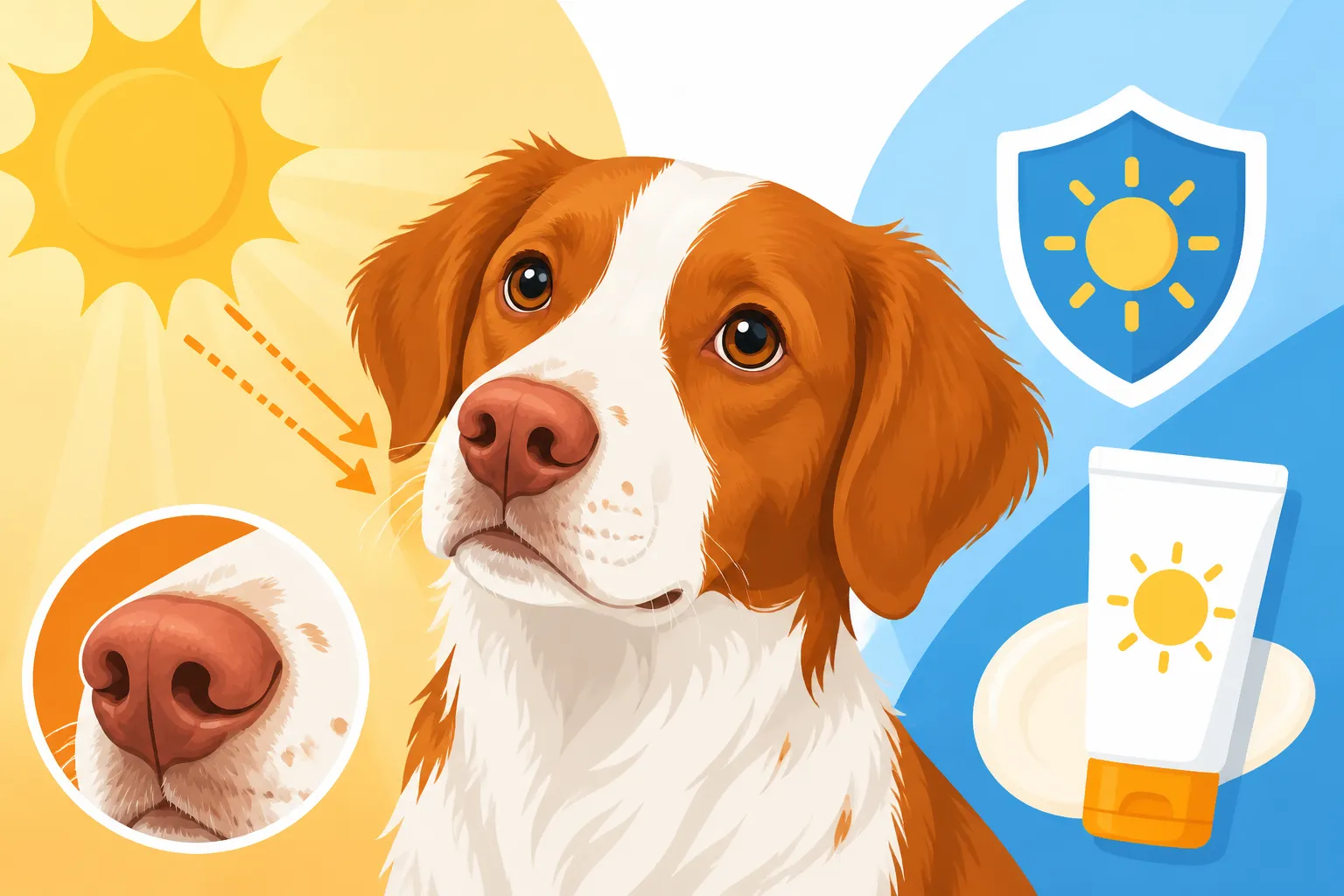
That sweet, often freckled, nose of your Brittany is actually quite vulnerable to the sun's harsh rays. Just like our skin, a dog's skin can get sunburned, and certain areas are far more exposed and delicate. The nose, especially the top of the muzzle and the bare skin around the nostrils, takes a direct hit.
Understanding Canine Sunburn Risk
Imagine your own nose after a day at the beach without protection – red, peeling, sore, maybe even blistered. Your Brittany can experience the very same thing. The sun's ultraviolet (UV) radiation damages skin cells, leading to inflammation and discomfort. For Brittanys, whose coats are typically shorter on the muzzle and whose noses might be lighter in pigment (especially the liver and white or orange and white varieties), this risk is amplified. Unlike thick fur on other parts of their body, the nose offers minimal natural defense. It's not just about a temporary burn; repeated sun exposure can lead to cumulative damage, making the skin tougher, thicker, and even cracked over time. You might notice your dog frequently licking or rubbing its nose because it feels irritated or itchy. This isn't just an aesthetic concern; it’s a genuine health issue that can cause significant discomfort and pave the way for more serious problems down the line.
The Link to Discoid Lupus Erythematosus
Perhaps one of the most critical reasons to consider sun protection for your Brittany's nose is its connection to Discoid Lupus Erythematosus (DLE). DLE is an autoimmune skin disease that primarily affects the bridge of the nose, but it can sometimes extend to the lips, eyelids, and ear flaps. While sun exposure doesn't cause DLE, it is a well-documented trigger and aggravator of the condition. Think of it this way: your Brittany might have a genetic predisposition to DLE, but prolonged or intense sun exposure can act like a switch, causing symptoms to flare up or even appear for the first time.
If you suspect your Brittany might be dealing with this, it’s worth understanding What Discoid Lupus Does to a Brittany's Nose. Early signs of DLE on a Brittany's nose often include a loss of pigmentation, causing the black nose to fade to a grayish or pinkish color. This is sometimes referred to as "snow nose," but if it's accompanied by other symptoms, DLE is a strong possibility. You might also observe scaling, crusting, redness, and eventually, ulcerations and open sores. These lesions can be quite painful and prone to secondary infections. It’s a vicious cycle: the sun makes the condition worse, which then makes the nose even more sensitive to subsequent sun exposure. Recognizing Signs a Brittany Has Discoid Lupus is crucial for timely intervention and management, as ignoring these early indicators can lead to significant pain and tissue damage for your beloved companion. In such cases, your veterinarian might prescribe medications, but diligent sun protection will always be a cornerstone of managing the condition and preventing relapses.
Identifying Brittanys Most at Risk
Not all Brittanys face the same level of risk from sun exposure, though it's generally wise to consider protection for any dog spending significant time outdoors. Certain factors can make your particular Brittany more susceptible to sunburn and related skin issues.
Coat Color and Pigmentation
This is a big one. Brittanys come in a variety of beautiful colors, including orange and white, liver and white, and sometimes tricolor. Dogs with lighter colored fur on their muzzles and less pigment on their noses are inherently at a higher risk for sun damage. Think about humans with fair skin versus darker skin – the principle is similar. A Brittany with a solid black nose is generally more protected by melanin, the natural pigment that acts as a shield against UV rays. However, many Brittanys, especially the orange and white varieties, have noses that are less uniformly black, sometimes appearing mottled or even quite pink, particularly on the edges of the nostrils or on the bridge. These unpigmented or lightly pigmented areas are prime targets for sunburn.
Even a dog with a mostly black nose can have areas that are more vulnerable, especially if that black pigmentation starts to fade due to age, injury, or underlying conditions like DLE. It’s like a built-in vulnerability, meaning these dogs require extra vigilance and proactive measures to protect their sensitive skin from the sun’s relentless assault. It's not just about the color of their nose either; any thinly haired or white-furred areas, such as the belly or ear tips, can also be susceptible, though the nose is often the most consistently exposed.
Lifestyle and Exposure
Let's be real, Brittanys are active, outdoorsy dogs. They weren't bred to be couch potatoes! Their history as superb bird dogs means they thrive on being outside, whether they're quartering a field, running trails with you, or just enjoying a long afternoon in the yard. This active lifestyle, while fantastic for their physical and mental health, significantly increases their cumulative sun exposure. A Brittany that regularly spends hours hunting pheasants in an open field, retrieving ducks from a sunny pond, or training for a field trial will naturally be exposed to far more UV radiation than a dog that primarily hangs out indoors.
Consider the avid hunter whose Brittany is out for several hours each weekend during hunting season, often under direct sunlight or reflective snow. This isn't just about a few minutes here and there; we're talking about sustained exposure that adds up over days, weeks, and years. Even daily walks or prolonged play sessions in sunny yards contribute. If you're a proud owner of a working Brittany, or even just one that loves its outdoor time, you need to be acutely aware of how much sun its nose is really getting. This constant exposure, especially without protection, is what truly builds the risk of chronic damage, and it can even contribute to problems like Whether a Working Brittany Wears Its Joints Out if not properly managed, albeit in a different context.
Medical Conditions Predisposing to Sun Sensitivity
Beyond DLE, which we've already discussed, there are other medical considerations that can heighten a Brittany's sensitivity to the sun. Certain medications, for example, can make a dog's skin more photosensitive, meaning it reacts more intensely to UV light. This could include some antibiotics, antifungals, or even certain supplements. If your Brittany is on any long-term medication, it's always a good idea to discuss potential side effects, including sun sensitivity, with your veterinarian.
Furthermore, any condition that compromises the skin's integrity, such as allergies that cause constant licking or scratching, or other autoimmune diseases, can indirectly increase sun vulnerability. While Brittanys are generally robust, like any breed, they can develop conditions that affect their skin. Understanding Whether a Brittany Gets Autoimmune Disease is important for comprehensive care. When the skin barrier is already weakened or inflamed, it's less equipped to defend itself against environmental stressors like UV radiation. Even dogs recovering from surgical procedures on or near the face might have temporarily increased sensitivity to sun in that area. It’s about having a holistic view of your dog’s health and recognizing when seemingly minor issues could compound to create a greater risk.
Choosing the Right Sunscreen for Your Brittany's Nose
So, you've decided your Brittany's nose needs some sun protection. Great! But this isn't a "grab any old sunscreen" situation. You need to be incredibly careful about what you apply to your dog, especially on a spot they can easily lick.
What to Look for in Canine Sunscreen
The most critical rule is this: never use human sunscreen on your dog without consulting your veterinarian first. Many human sunscreens contain ingredients that are toxic to dogs if ingested, and let's face it, dogs lick their noses constantly. Common culprits in human sunscreens include zinc oxide, para-aminobenzoic acid (PABA), salicylates, and other chemicals that can cause stomach upset, vomiting, diarrhea, or even more severe poisoning if consumed in large quantities. While zinc oxide is a very effective UV blocker, it’s also quite toxic to dogs. Titanium dioxide is generally considered a safer mineral blocker for dogs, as it's not absorbed and is inert if ingested in small amounts.
Look specifically for pet-safe sunscreens. These products are formulated with ingredients that are non-toxic if licked. Ingredients like titanium dioxide are often found in these formulations, providing a physical barrier against the sun. Some may also contain natural oils like coconut oil (which has a very low SPF but can be soothing) or shea butter, but rely on the actual UV blockers for protection. Always read the ingredient list carefully and confirm with your vet if you're unsure. You want a product that is fragrance-free and dye-free to minimize the risk of irritation on sensitive skin. Remember, just because it says "natural" doesn't mean it's safe for ingestion. Brands like Epi-Pet Sun Protector Spray or My Dog Nose It! Balm are examples of products specifically designed for canines and often recommended by vets. While pet insurance providers like Healthy Paws typically cover accidental poisonings, it's always best to prevent an emergency situation altogether by using appropriate products.
Application Techniques and Frequency
Applying sunscreen to a wriggly, curious Brittany can be a bit of an art form. First, make sure your dog is calm. A treat or a quick play session beforehand can help.
When applying, focus on the bridge of the nose, the top of the muzzle, and the edges of the nostrils – any area where skin is exposed or fur is thin. If your Brittany has white fur around its eyes or on its ear tips, these areas also warrant attention.
- For creams/balms: Dab a small amount onto your finger and gently rub it into the skin. Start with a tiny amount to see how your dog reacts. Distract them with a treat immediately after application to minimize licking while it absorbs.
- For sprays: Spray a small amount onto your hand first, then apply it to your dog's nose. Spraying directly can startle them and potentially get product into their eyes or nostrils, which you absolutely want to avoid.
As for frequency, think about your own habits. If you're out in the sun for an extended period, you reapply. The same goes for your Brittany. A general rule of thumb is to apply 15-30 minutes before sun exposure to allow it to absorb, and then reapply every 2-4 hours, especially if your dog has been swimming, rubbing its nose on the ground, or after vigorous activity. A Brittany’s active nature, especially when working, means sunscreen can wear off quickly, so don't underestimate the need for frequent reapplication.
Alternative Sun Protection Strategies
Sunscreen is a great tool, but it's not the only one in your arsenal. Combining strategies offers the best protection for your Brittany.
- Seek Shade: This is the simplest and most effective method. During peak sun hours (typically 10 AM to 4 PM), try to keep your Brittany in the shade. Plan walks for early mornings or late evenings. If you're out in the field, look for natural shade from trees or bring a portable canopy.
- Protective Gear: For some dogs, especially those with very sensitive noses or DLE, specialized gear can be a game-changer. There are dog hats with brims designed to shade their faces, though getting a Brittany to wear one consistently might take some patience and positive reinforcement! For those with widespread sensitivity, lightweight, breathable UV-protective shirts or vests can cover large areas of their body.
- Timing Outdoor Activities: This goes hand-in-hand with seeking shade. If your Brittany absolutely needs its exercise, try to schedule vigorous activities during cooler, less sunny parts of the day. A quick romp in the yard at noon during summer is far riskier than an hour-long run at 7 AM. This is also important for preventing overheating, which can be another concern for active breeds like Brittanys during warmer months.
By combining these methods, you create a comprehensive sun protection plan that helps minimize the risks to your Brittany's nose and overall skin health.
The Long-Term Impact of Neglecting Sun Protection
It’s easy to dismiss a little pink nose as no big deal, but repeated, unprotected sun exposure can have serious cumulative effects on your Brittany’s health, leading to chronic issues that are far more difficult to manage than a simple sunburn.
Chronic Skin Damage and Cancer Risk
Just like in humans, prolonged and repeated UV exposure in dogs can lead to long-term skin damage, drastically increasing the risk of certain cancers. Each sunburn, no matter how minor it seems, contributes to cellular damage. Over time, this damage accumulates, impairing the skin's ability to repair itself and leading to abnormal cell growth. For Brittanys, particularly those with light-colored noses, this can manifest as squamous cell carcinoma or other forms of skin cancer. These cancers often appear on thinly haired or unpigmented areas that receive heavy sun exposure, like the nose, eyelids, and ear tips.
Symptoms of skin cancer can vary but often include non-healing sores, crusts, redness, bumps, or discolored patches. You might notice Why a Brittany's Nose Cracks and Bleeds not just from dryness, but as a symptom of a more serious underlying condition. Detecting these early can be challenging, especially if you're not routinely checking your dog's skin. Regular inspections after every outdoor adventure should become routine, allowing you to catch any suspicious changes promptly. Early diagnosis and treatment are crucial for a better prognosis. Dealing with skin cancer can be emotionally draining and financially costly, highlighting the importance of preventative measures, even considering if your pet insurance, like Healthy Paws, would cover such treatments.
Managing Discoid Lupus Symptoms
For Brittanys with DLE, consistent sun protection isn't just a recommendation; it's a critical component of managing the disease. As we discussed, How Sun Worsens a Brittany's Lupus, leading to painful flare-ups, increased inflammation, and a worsening of symptoms like depigmentation, scaling, and ulceration. Neglecting sun protection means you're constantly fighting an uphill battle, potentially requiring higher doses of medication or more aggressive treatments to control the condition.
By diligently protecting your Brittany's nose from the sun, you can significantly reduce the frequency and severity of DLE flare-ups. This leads to a better quality of life for your dog, reducing pain and discomfort, and potentially minimizing the need for strong immunosuppressive drugs. It also helps preserve the integrity of their nose leather, preventing the severe cracking and bleeding that can occur with advanced DLE. Think of sun protection as a foundational treatment for DLE, complementing any prescribed medications. For an owner, successfully managing DLE through consistent care, including sun protection, can provide immense relief and improve your dog’s overall well-being. Knowing How a Brittany With Discoid Lupus Is Treated often includes sun avoidance as a primary recommendation.
Overall Health and Well-being
Beyond the specific risks of sunburn and DLE, neglecting sun protection can impact your Brittany’s general health and well-being. Chronic irritation on the nose can make eating, drinking, and even sniffing less enjoyable. Imagine having a constantly sore, cracked nose – it would definitely put a damper on your day. A dog that is uncomfortable might become less active, more withdrawn, or even show behavioral changes.
Furthermore, any open sores or cracked skin on the nose are vulnerable to secondary bacterial infections, requiring additional veterinary visits, antibiotics, and further discomfort for your dog. A healthy nose is vital for a Brittany's hunting drive and their ability to explore their world. Ensuring its health contributes to their overall vitality and happiness. Proactive care, including sun protection, is an investment in your Brittany’s long-term comfort and their ability to live a full, active life as your loyal companion. This dedication to care can contribute to them reaching a ripe old age, as outlined in articles like Caring for a Brittany Past Ten.
| Sun Protection Method | Description | Pros | Cons |
|---|---|---|---|
| Pet-Safe Sunscreen | Topical cream/balm/spray formulated for dogs. | Direct protection for vulnerable areas like the nose; portable. | Requires frequent reapplication; potential for ingestion; cost. |
| Seeking Shade | Limiting exposure during peak sun hours by staying indoors or under cover. | Most effective and natural method; no cost; prevents overheating. | Limits outdoor activity; not always feasible when out in the field. |
| Protective Hats/Gear | Dog hats with brims or UV-protective clothing. | Physical barrier against sun; can cover larger areas. | May be uncomfortable for the dog; can be hard to keep on; limited styles. |
| Timing Activities | Scheduling walks/hunts for early morning or late evening. | Reduces overall UV exposure; helps prevent overheating. | Restricts activity times; may not align with hunting seasons/schedules. |
Disclaimer
This article is for general informational purposes only and does not constitute professional advice. Laws, prices and regulations vary by location and change over time. Consult a qualified professional for guidance on your specific situation.