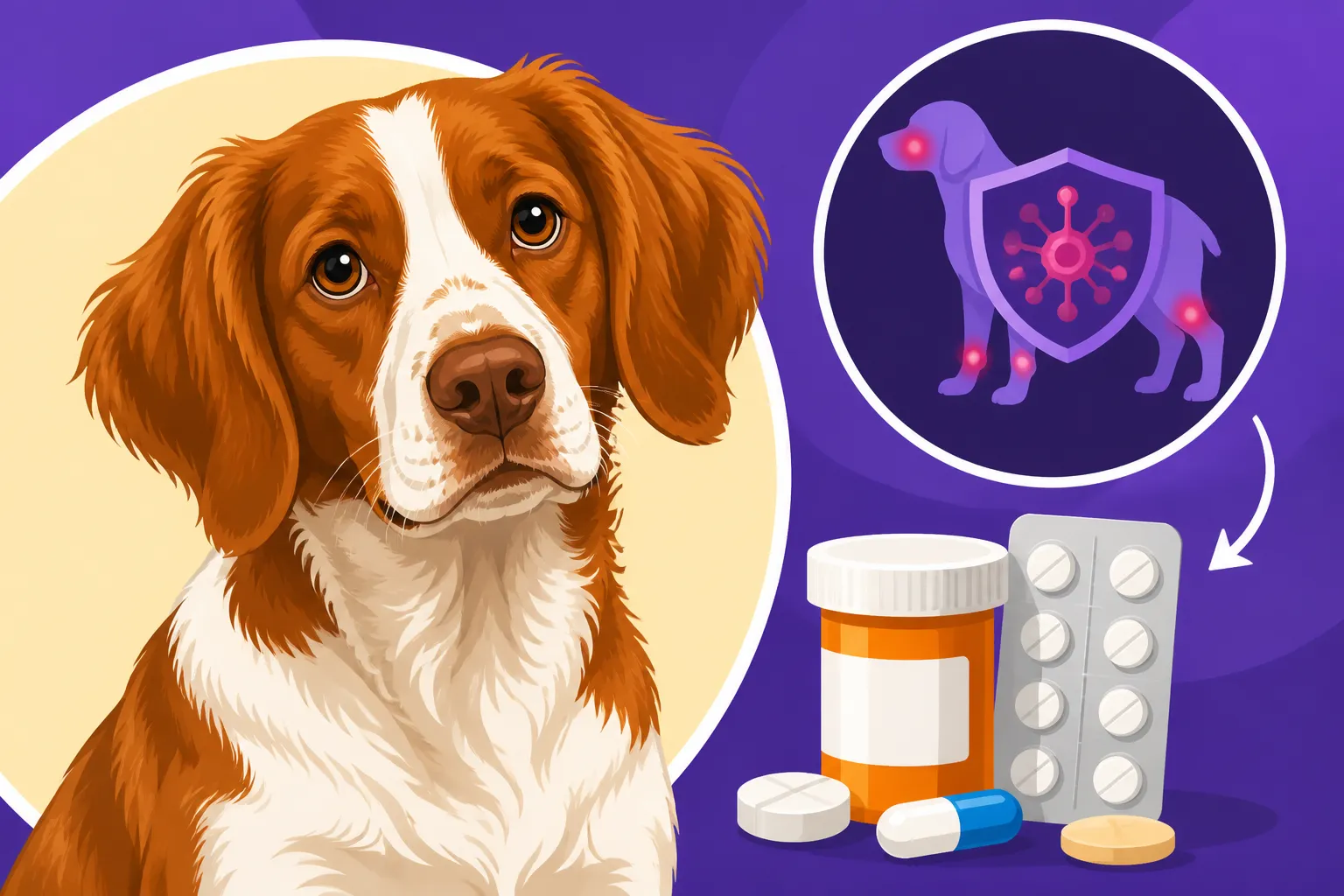
Which Medication a Brittany With Lupus Takes
Finding out your beloved Brittany Spaniel has discoid lupus erythematosus (DLE) can be incredibly distressing. You might feel overwhelmed by the diagnosis, uncertain about what it means for your dog's future, and, most pressingly, confused about the best course of treatment. This guide aims to demystify the medications commonly prescribed for Brittanys with DLE, helping you understand their purpose, how they work, and what you can expect as you navigate this challenging condition with your furry companion.
Understanding Discoid Lupus Erythematosus in Brittanys
Discoid Lupus Erythematosus (DLE) is an autoimmune skin disease that primarily affects a dog's nose, but can sometimes appear on other areas like the lips, around the eyes, and even the paw pads. For Brittany owners, seeing your dog's once-vibrant, healthy nose lose its pigment, become crusty, or even bleed can be heart-wrenching and truly baffling. It's a frustrating condition because it's chronic, meaning it requires ongoing management, but thankfully, with the right approach, many Brittanys can live full, comfortable lives.
The Autoimmune Nature of DLE
At its core, DLE is an autoimmune disorder. This means your Brittany's own immune system, which is supposed to protect against foreign invaders like bacteria and viruses, mistakenly attacks its healthy skin cells. This misguided attack leads to inflammation and damage, particularly in areas exposed to sunlight. It's a localized form of lupus, distinct from the more severe systemic lupus erythematosus, and while it's not life-threatening in the same way, it can cause significant discomfort and compromise your dog's quality of life if left untreated. Many owners grapple with the idea that their dog's own body is working against itself, which can be a tough pill to swallow emotionally. To learn more about how this condition specifically impacts our beloved breed, check out our in-depth article on Discoid Lupus and a Brittany Spaniel's Nose.
The precise cause of DLE isn't fully understood, but it's believed to be a combination of genetic predisposition and environmental triggers, with ultraviolet (UV) light playing a significant role in exacerbating the symptoms. This is why you often see the worst flare-ups during sunny months or after extended periods outdoors. It's also why understanding What Discoid Lupus Does to a Brittany's Nose is crucial for effective management. Your Brittany, being an active, outdoor-loving breed, might be more prone to sun exposure, making diligent protection even more critical alongside medication.
Recognizing the Signs and Getting a Diagnosis
The first step in any treatment journey is a correct diagnosis. DLE typically manifests as a loss of pigment (depigmentation) on the nose, often starting with the black areas turning pink or grayish. This is usually followed by redness, scaling, crusting, and sometimes even ulceration or open sores. Owners might notice their Brittany constantly licking or rubbing their nose due to itchiness or discomfort. You can read more about what to look for in Signs a Brittany Has Discoid Lupus.
If you suspect DLE, your veterinarian will likely recommend a skin biopsy. This is the most definitive way to diagnose the condition and rule out other diseases with similar symptoms, such as certain fungal infections or other autoimmune skin disorders. The biopsy involves taking a small tissue sample from the affected area, usually under local anesthesia or light sedation, and sending it to a specialized lab for examination. Understanding How Discoid Lupus Is Diagnosed in a Brittany can help you prepare for this process and the subsequent steps. This diagnostic clarity is essential because many other conditions can present with similar nasal issues, and without a definitive diagnosis, treatment might be ineffective or even harmful. Sometimes, the nose can get so severe that Why a Brittany's Nose Cracks and Bleeds becomes a daily concern for owners.
First-Line Medications for Brittany Lupus
Once DLE is diagnosed, the initial treatment strategy often involves a multi-pronged approach, focusing on reducing inflammation and modulating the immune response. The goal is to get the condition under control as quickly as possible and then maintain remission with the lowest effective dose of medication. This often starts with topical treatments or a specific oral combination.
Topical Steroids and Immunomodulators
For mild to moderate cases, or as an adjunct to systemic treatments, topical medications are frequently prescribed. These are applied directly to the affected areas, minimizing systemic side effects. The most common topical treatments include corticosteroids, such as betamethasone or mometasone, which are potent anti-inflammatory agents that help reduce redness, swelling, and itching. They are typically applied once or twice daily, as directed by your vet.
Another popular topical option is tacrolimus ointment (Protopic). This is an immunomodulator, meaning it helps to regulate the immune response at the skin level without being a steroid. Many veterinarians prefer tacrolimus for long-term management due to its excellent efficacy and fewer side effects compared to prolonged steroid use. Both topical corticosteroids and tacrolimus require careful application, often with gloves, and it's vital to prevent your Brittany from licking the medication off immediately after application. Patience is key with these topical treatments, as it can take several weeks to see significant improvement. Also, alongside these, don't forget the importance of sun protection; you might need to consider Whether a Brittany Needs Sunscreen on Its Nose as part of the daily routine.
Oral Tetracycline and Niacinamide
A common and often effective first-line systemic treatment for DLE, particularly when topical treatments aren't sufficient or the condition is more widespread, is a combination of tetracycline (or doxycycline) and niacinamide (a form of Vitamin B3). This combination is often favored because it's generally well-tolerated and has fewer side effects than corticosteroids. The exact mechanism isn't fully understood, but it's believed they work synergistically to provide immunomodulatory and anti-inflammatory effects.
Tetracycline and niacinamide are typically given orally, two to three times a day, and it can take anywhere from 4 to 12 weeks to see a noticeable improvement. It's a commitment, requiring consistent administration, but many Brittanys respond well. While side effects are rare, some dogs might experience mild gastrointestinal upset (vomiting, diarrhea) with tetracycline, and niacinamide can occasionally cause transient liver enzyme elevation in a small percentage of dogs, necessitating monitoring. Your vet will guide you on the appropriate dosage and duration, and it's crucial not to discontinue treatment prematurely, even if symptoms seem to improve, as DLE is a condition that tends to relapse without proper management.
Systemic Treatments for More Severe Cases
When DLE is severe, widespread, or unresponsive to first-line therapies, veterinarians may turn to more potent systemic medications. These drugs work throughout the dog's body to suppress the immune system and control inflammation. While highly effective, they often come with a greater potential for side effects and require close monitoring.
Corticosteroids (Prednisone)
Oral corticosteroids, such as prednisone or prednisolone, are powerful anti-inflammatory and immunosuppressive drugs. They are highly effective at rapidly reducing the severe inflammation and discomfort associated with DLE. However, they are typically reserved for more severe cases or for initial "crisis" management to quickly bring the symptoms under control, after which the dosage is slowly tapered down to the lowest effective maintenance dose, or ideally, switched to a less potent medication.
The downside to corticosteroids is their significant potential for side effects, especially with long-term use. Owners commonly observe increased thirst and urination (polyuria/polydipsia, or PUPD), increased appetite leading to weight gain, panting, and muscle weakness. More serious long-term effects can include liver damage, increased susceptibility to infections, thinning skin, and adrenal gland suppression. Because of these concerns, your vet will strive to use the lowest possible dose for the shortest duration necessary, often alongside other medications to allow for steroid sparing. Regular check-ups and potentially blood work, like What a Brittany's Yearly Bloodwork Should Cover, will be essential to monitor for any adverse effects and adjust the treatment plan accordingly.
Other Immunosuppressants
For Brittanys with DLE that don't respond adequately to or cannot tolerate corticosteroids, or as part of a multi-drug protocol to minimize steroid use, other immunosuppressive medications may be considered. These are generally more specialized treatments and might involve a referral to a veterinary dermatologist.
One such drug is azathioprine. It's a more potent immunosuppressant that works by interfering with the growth of immune cells. It's typically used in conjunction with a tapering dose of prednisone. However, azathioprine can have serious side effects, including bone marrow suppression and liver toxicity, making regular blood monitoring absolutely critical. Another option is cyclosporine (brand names like Atopica), which specifically targets T-lymphocytes, a type of immune cell involved in autoimmune reactions. Cyclosporine can be very effective for DLE, but it is also more expensive and can cause gastrointestinal upset or, less commonly, kidney issues. These medications represent a more intensive level of treatment, underscoring the chronic and sometimes stubborn nature of DLE.
Supporting Your Brittany Through Lupus Treatment
Medication is a cornerstone of managing DLE, but it’s far from the only factor in ensuring your Brittany's comfort and health. A holistic approach that includes environmental management and ongoing supportive care is crucial for long-term success.
The Role of Lifestyle and Environment
Given that UV light is a major trigger and aggravator for DLE, strict sun avoidance is paramount. This means limiting your Brittany's exposure to direct sunlight, especially during peak hours (typically 10 AM to 4 PM). Indoor activity during these times, or providing shaded areas outdoors, can make a significant difference. Some owners even use specialized doggie sun shirts or hats to protect sensitive areas. These seemingly small adjustments can greatly reduce the frequency and severity of flare-ups, allowing medications to work more effectively and at lower doses. It’s about creating an environment where your dog’s immune system isn’t constantly being challenged.
Beyond sun protection, a good diet rich in omega-3 fatty acids (like those found in fish oil) can help reduce inflammation and support skin health. While supplements aren't a cure, they can be a beneficial adjunct to medical therapy. Regular veterinary check-ups are also essential, not just for medication refills, but to monitor your Brittany's overall health, assess the DLE's progression, and catch any potential side effects of the medications early. Your vet is your most valuable partner in this journey, offering tailored advice and adjusting treatment as needed. Remember, this is a long-term condition, and consistent, proactive care will be part of Caring for a Brittany Past Ten if your dog lives a long life.
Managing the Emotional and Financial Toll
Living with a dog diagnosed with a chronic autoimmune disease like DLE can take an emotional toll on owners. It’s disheartening to see your energetic Brittany struggle with discomfort, and the constant vigilance and medication schedule can feel like a heavy burden. It’s important to acknowledge these feelings and remember that you’re doing your best for your loyal companion. Autoimmune diseases, whether localized like DLE or more systemic, can affect any breed, even typically robust ones, and while The Brittany Is One of the Healthiest Sporting Breeds, DLE serves as a reminder that no dog is entirely immune to health challenges.
Financially, the cost of ongoing veterinary visits, diagnostic tests, and chronic medications can quickly add up. This is where pet insurance can be a huge relief. Plans from reputable providers like Healthy Paws are designed to help cover unexpected illnesses and accidents, and many will cover chronic conditions like DLE once the waiting period is over. Having a good policy from Healthy Paws can alleviate some of the financial stress, allowing you to focus on getting your Brittany the best possible care without constant worry about the vet bill. It’s an investment that can truly pay off when faced with a lifelong condition requiring consistent medical attention.
Common Medications for Canine Discoid Lupus Erythematosus
Here's a quick overview of some common medications used to treat DLE in Brittanys, highlighting their key features:
| Medication Type | Examples | How It Works | Primary Use | Potential Side Effects |
|---|---|---|---|---|
| Topical Steroids | Betamethasone, Mometasone | Reduces local inflammation and immune response. | Mild DLE, adjunct therapy. | Skin thinning, local irritation; minimal systemic effects if used appropriately. |
| Topical Immunomodulator | Tacrolimus (Protopic) | Suppresses immune cells at the skin surface. | Mild to moderate DLE, long-term maintenance. | Local irritation, transient stinging; minimal systemic absorption. |
| Oral Combination Therapy | Tetracycline/Doxycycline + Niacinamide | Immunomodulatory and anti-inflammatory synergy. | Mild to moderate DLE, first-line systemic. | GI upset (vomiting, diarrhea) with tetracycline; rare liver enzyme elevation with niacinamide. |
| Oral Corticosteroids | Prednisone, Prednisolone | Potent anti-inflammatory and immunosuppressant. | Severe DLE, initial crisis management. | Increased thirst/urination, increased appetite, weight gain, panting, muscle weakness; long-term: liver damage, infections, skin thinning, adrenal suppression. |
| Other Immunosuppressants | Azathioprine, Cyclosporine (Atopica) | Suppresses specific immune cell activity. | Severe DLE, steroid-resistant/sparing therapy. | Azathioprine: bone marrow suppression, liver toxicity. Cyclosporine: GI upset, gum hyperplasia, kidney issues (less common). Requires close monitoring. |
Disclaimer
The information provided in this article is for general educational purposes only and should not be considered a substitute for professional veterinary advice. Always consult with your veterinarian for any health concerns or before making any decisions related to your Brittany Spaniel's medical care or treatment plan.