Whether a French Brittany Lives Longer
It’s a common thought among Brittany owners and those considering bringing one of these wonderful dogs into their lives: "Does a French Brittany live longer than an American Brittany?" You pour your heart and soul into these dogs, and naturally, you want them with you for as many years as possible. The concern is real, especially when you hear whispers or read discussions suggesting one type might have an edge in longevity. This article aims to explore the nuances of Brittany lifespans, examining the distinctions between the American and French types, and what truly influences how many cherished years you get with your loyal companion.
Unpacking the Average Brittany Lifespan
Before we dive into the specifics of French versus American Brittanys, it’s helpful to understand the general expectation for the breed's lifespan. We all hope for a dog that defies the odds and lives to a ripe old age, but knowing the average helps us prepare and understand what to expect.
How Long a Brittany Lives on Average
On average, a Brittany Spaniel typically enjoys a lifespan of around 12 to 14 years. This is a pretty solid run for a medium-sized, active sporting dog. Think about it – that’s a lot of bird seasons, countless adventures in the field, and endless snuggles on the couch. However, this is just an average, meaning some Brittanys will pass on earlier due to unforeseen circumstances or aggressive disease, while others, with good genes and a bit of luck, might well surprise you by sailing past that 14-year mark.
There's a deep emotional investment that comes with these dogs, and when you're looking at a potential 12 to 14 years, you want to make every single one count. Factors like genetics, diet, exercise, and preventative healthcare all play a monumental role in shaping that individual journey. You can learn more about The Twelve to Fourteen Years a Brittany Gets.
Common Health Concerns Affecting Brittany Longevity
Like all breeds, Brittanys have a predisposition to certain health issues that can, unfortunately, impact their longevity. It's not about being a "sickly" breed, because frankly, The Brittany Is One of the Healthiest Sporting Breeds when compared to many others. It's more about being aware and proactive. Hip and elbow dysplasia are unfortunately common orthopedic issues that, while often manageable, can affect a dog's quality of life and potentially lead to earlier complications if not addressed. We’ve seen significant strides in screening for these, particularly with organizations like the Orthopedic Foundation for Animals (OFA). What Hip Screening Did for the Brittany Spaniel really highlights the breed's progress.
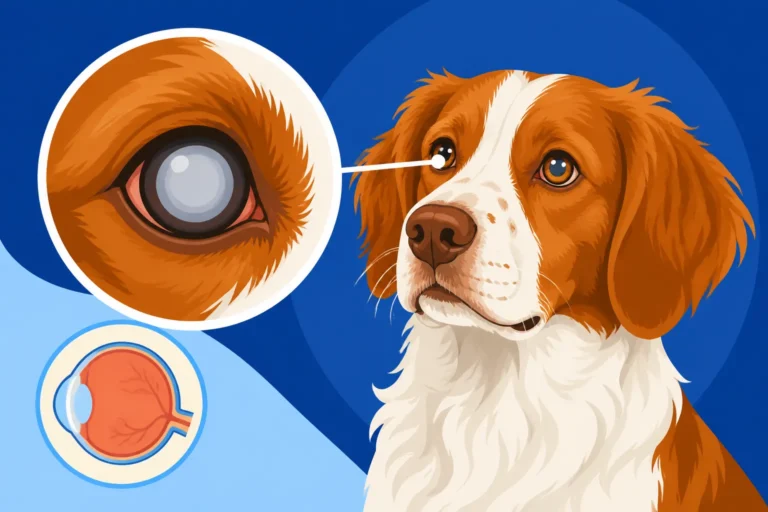
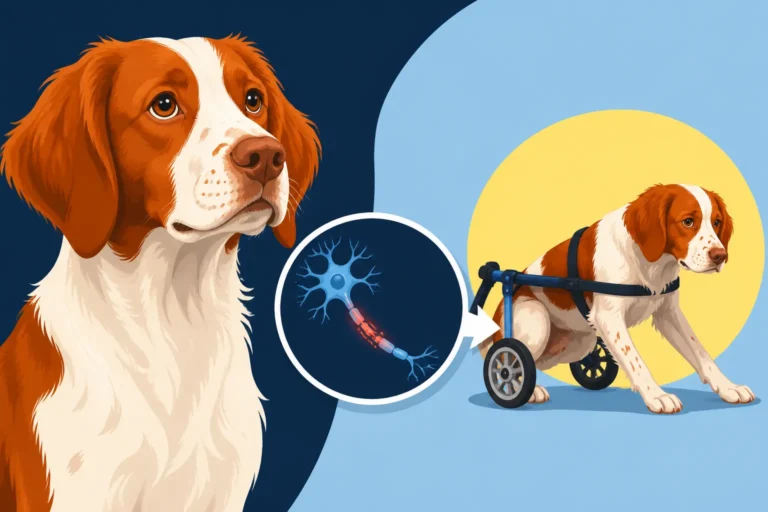
Other concerns include certain eye conditions, epilepsy, and even some immune-mediated diseases. For example, C3 Deficiency Is the Brittany's Own Genetic Disease, which, if present, can make a dog more susceptible to infections and could impact their overall health if not managed carefully. Being proactive with your vet, understanding family lines, and keeping up with recommended health screenings are your best tools in managing these potential challenges and giving your Brittany the best chance at a long, healthy life.
French Brittany vs. American Brittany: Are There Lifespan Differences?
Now, let's tackle the core question: Is there a measurable difference in lifespan between French Brittanys (Epagneul Bretons) and American Brittanys? This is a really interesting area, because while they share a common ancestor, their paths diverged quite a bit over the last century.
Breed Distinctions That Could Influence Longevity
It’s crucial to understand that the "French Brittany" and "American Brittany" aren't actually two separate breeds; they are two distinct types within the same breed, the Epagneul Breton. The American Brittany developed differently due to different breeding goals and preferences in the United States compared to France.
Here's a quick look at some general distinctions that could theoretically, indirectly influence lifespan:
| Feature | American Brittany (AKC) | French Brittany (CEB/FCI) | Potential Lifespan Impact |
|---|---|---|---|
| Size | Slightly larger, often taller and heavier. | Generally smaller, more compact, and lighter. | Smaller dogs often, on average, live longer than very large breeds, but this difference within the Brittany isn't drastic. |
| Build/Bone | Can be rangier, with more substantial bone structure. | Finer bone structure, more athletic and agile looking. | No direct impact on lifespan, but heavier build could theoretically put more stress on joints over time if not well-conditioned. |
| Range in Field | Bred for a wider, more expansive ground coverage. | Bred for a closer, more methodical hunting pattern. | No direct impact on lifespan, but lifestyle demands might influence injury rates if not properly conditioned. |
| Coat | Can have a slightly fuller coat, more feathering. | Often a tighter, less profuse coat and less feathering. | No direct impact on lifespan, but feathering can catch burrs/foxtails, increasing potential for minor skin issues or discomfort. |
| Breeding Focus | Emphasizes both field performance and conformation (though often separated into "field lines" and "show lines"). | Strong emphasis on working ability and adherence to the historical type. | Could influence genetic health screening priorities and prevalence of certain conditions. |
When we look at these differences, it’s not like one is inherently designed for a longer life than the other. The size difference, for instance, isn't as pronounced as comparing a Great Dane to a Chihuahua. Both are robust, active dogs. However, smaller breeds generally tend to live a bit longer than very large breeds, so if the French Brittany consistently runs smaller, that could be a very minor, subtle factor. But again, we're talking about dogs already within a very similar size range.
The Role of Breeding Standards and Health Screening
Both the American Brittany Club and the Club de l'Epagneul Breton (CEB) in France have standards that dictate the desired physical and temperament traits of the breed. What’s truly vital for longevity, however, isn't just adhering to a look or a working style, but to rigorous health screening.
In the United States, responsible breeders often follow the recommendations of the Canine Health Information Center (CHIC) program, which includes screenings for hips, eyes, and sometimes elbows and thyroid. A breeder who has run What a Brittany Spaniel Breeder Should Have Tested gives you a much better chance of a healthy puppy.
In France, there is also a strong emphasis on health, often integrated into their selection processes for breeding stock. The focus on working ability within the French lines often means that dogs that aren't physically sound enough to perform in the field are naturally deselected from breeding programs, which can be a form of practical health screening. However, without widespread, standardized, public health databases that directly compare the two populations on longevity, making a definitive statement about one living longer than the other is incredibly difficult. We simply don't have enough comprehensive data to definitively say "French Brittanys live X months longer than American Brittanys."
It’s less about their nationality and more about the individual breeding program and the commitment of the specific breeder to producing healthy, long-lived dogs.
Genetic Health and Lifespan: A Closer Look
When we talk about whether one type of Brittany lives longer, we're fundamentally talking about genetics and how they interact with environmental factors. A dog's genetic blueprint sets the stage for its potential lifespan, but its environment and care write the rest of the story.
Hereditary Conditions and Their Prevalence
Both American and French Brittany populations share a common genetic heritage, meaning they are both susceptible to similar hereditary conditions. Issues like hip dysplasia, elbow dysplasia, epilepsy, and certain eye conditions are found in both lines. The key difference might be in the prevalence of certain conditions due to regional breeding practices, but without extensive, shared databases, this is hard to quantify.
For example, How Common Hip Dysplasia Is in Brittany Spaniels is a question that applies to both types. If one population has a higher percentage of screened dogs with good hips, that population might have an edge in orthopedic health, which certainly contributes to overall well-being and longevity. Similarly, a condition like Epilepsy in a Brittany Spaniel can significantly impact a dog's quality of life and, in severe cases, its lifespan. Whether one lineage is more prone to such conditions is a complex question without easy answers.
It’s really about individual lineage and the choices made by breeders within those lines. A breeder, whether in France or America, who consistently screens their breeding stock for known genetic conditions and makes informed decisions to improve health will produce healthier puppies, regardless of which "type" they are working with.
The Impact of Genetic Diversity
Genetic diversity within a breed can be a double-edged sword. Too little diversity can lead to an increase in inherited health problems due to a limited gene pool. Too much, and you might lose some of the consistent traits that define the breed.
The American Brittany and French Epagneul Breton populations have diverged somewhat, leading to slight differences in genetic makeup over time. It's possible that this divergence, through different breeding priorities and less interchange of breeding stock, could inadvertently lead to differences in the prevalence of certain genetic conditions. However, both populations are generally robust. There's no strong evidence to suggest that one population is suffering from significantly reduced genetic diversity leading to widespread, severe health issues that drastically shorten lifespans compared to the other.
The bottom line is that a healthy gene pool is important for any breed's longevity. Responsible breeders on both sides of the Atlantic are committed to maintaining health and vitality.
The Influence of Lifestyle and Environment
Beyond genetics, a Brittany's everyday life, environment, and how they are cared for profoundly impact how long and how well they live. This is where owners truly make a difference, regardless of whether their Brittany is of American or French lineage.
Diet and Nutrition for an Active Brittany
A high-quality diet is absolutely foundational for a long and healthy life. Brittanys are active dogs, often running for hours in the field. They need a diet that supports their energy levels, muscle health, and overall bodily functions. Whether a Working Brittany Needs a Performance Food is a question many owners grapple with, and the answer often depends on their activity level.
Feeding an appropriate diet, managing weight to prevent obesity (which stresses joints and organs), and providing fresh water are non-negotiable. Whether your Brittany is an American or French type, a balanced, high-quality kibble, or a carefully prepared raw/home-cooked diet, tailored to their age, activity level, and any specific health needs, will fuel their body for years of adventure.
Exercise Needs and Joint Health
Both American and French Brittanys are high-energy dogs bred to run, point, and retrieve. They need a significant amount of exercise to stay physically and mentally fit. An under-exercised Brittany is not only likely to develop behavioral issues, but also physical ailments due to lack of conditioning or, conversely, injuries from being asked to do too much without proper fitness.
Regular, appropriate exercise helps maintain muscle mass, supports joint health, and keeps their cardiovascular system strong. However, it's a balance. Over-exercising a puppy, especially on hard surfaces, before their growth plates close can be detrimental to joint development. This is why questions like When a Brittany's Growth Plates Close are so important for new owners. As they age, an owner might need to adapt the exercise routine to prevent undue stress on aging joints.
Preventative Healthcare and Veterinary Care
This is perhaps the most critical factor an owner can control. Regular veterinary check-ups, appropriate vaccinations, parasite control (fleas, ticks, heartworm), and prompt attention to any health concerns are paramount. An annual wellness exam, often including What a Brittany's Yearly Bloodwork Should Cover for older dogs, can catch problems early when they are most treatable.
Consider pet insurance from providers like Healthy Paws. While it doesn't directly extend lifespan, it can certainly empower you to make critical healthcare decisions without financial stress. If your Brittany develops a sudden illness or injury, knowing you have support for costly treatments can mean the difference between providing life-extending care and being forced to make heartbreaking choices. This proactive financial planning ensures you can always prioritize your dog's health needs, which in turn supports a longer, healthier life.
Dental hygiene is also often overlooked but incredibly important. Periodontal disease can lead to serious systemic health issues, affecting the heart, kidneys, and liver. Regular dental care, whether at home or professional cleanings at the vet, directly contributes to overall health and longevity.
Maximizing Your Brittany's Lifespan: Practical Steps
Since there's no definitive proof that French Brittanys inherently live longer than American Brittanys, the focus shifts entirely to what you can do as an owner to give your beloved companion the longest, healthiest, and happiest life possible.
Choosing a Reputable Breeder
This is where it all starts. Regardless of whether you’re seeking an American or French-line Brittany, finding a breeder who prioritizes health, temperament, and genetic screening is non-negotiable. They should be transparent about the health history of their breeding stock, including hip, elbow, eye, and thyroid certifications. Don't be shy about asking Which Questions to Ask a Brittany Breeder. A good breeder will be delighted to discuss their health clearances, show you copies of certifications for the parents, and explain their breeding philosophy.
A reputable breeder will also be honest about potential health concerns within the breed and how they work to mitigate them. They're not just selling you a puppy; they're providing a lifetime resource and support system. Their dedication to the health of their lines is your first and best defense against many genetic issues that could shorten a dog's life.
Tailored Nutrition and Exercise Throughout Life Stages
A Brittany's nutritional and exercise needs change over time. A rapidly growing puppy needs carefully balanced nutrition to support healthy bone and joint development, which can prevent problems later in life. Overfeeding a puppy or providing too much high-impact exercise can predispose them to orthopedic issues. Whether a Brittany Puppy Should Run on Hard Ground is a good example of a common concern for young dogs.
As an adult, especially if actively hunted, they require a diet rich in protein and fats to sustain their energy and recovery. Then, as your Brittany enters its senior years, dietary adjustments might be needed to support aging organs, maintain a healthy weight with potentially lower activity levels, and address any specific health conditions that arise. Caring for a Brittany Past Ten involves a holistic approach to diet, gentle exercise, and comfort. Regular exercise needs to continue, but it might shift from long, intense field runs to more moderate walks and swims to support joint health without excessive impact.
Proactive Veterinary Care and Early Intervention
Developing a strong relationship with a veterinarian who understands sporting breeds is invaluable. Routine check-ups are not just for shots; they're opportunities for your vet to assess your Brittany's overall health, catch subtle changes that might indicate a budding problem, and advise on preventative care. Early detection of conditions like hypothyroidism, which can be subtle but impact energy and coat quality, allows for effective management. Signs a Brittany's Thyroid Is Low are important for owners to recognize and discuss with their vet.
Being diligent with flea, tick, and heartworm prevention is also critical, especially for a dog that spends so much time outdoors. These parasites can transmit serious diseases that compromise health and shorten lifespan. Investing in a robust pet insurance plan, such as those offered by Healthy Paws, can further support this proactive approach. Knowing that you have a safety net for unexpected illnesses or accidents allows you to pursue diagnostics and treatments that might otherwise be financially daunting, ultimately giving your Brittany the best chance at recovery and a longer life.
Mental Stimulation and Emotional Well-being
A long life isn't just about physical health; it's also about mental and emotional well-being. Brittanys are intelligent, sensitive dogs that thrive on interaction and purpose. A bored, neglected Brittany can develop stress-related health issues or simply decline faster mentally.
Provide consistent training, engage them in interactive play, and consider activities like obedience, agility, or scent work during the off-season. Even an aging Brittany can benefit from mental challenges. Keep them engaged, loved, and part of the family. A dog with a strong bond with its family and a sense of purpose is often a happier, and therefore, healthier dog.
Conclusion: Focus on the Individual Brittany
Ultimately, whether you have a French Brittany or an American Brittany, the core principles for maximizing their lifespan remain the same. There is no conclusive evidence to suggest that one "type" inherently lives longer than the other. Both are magnificent, athletic, and generally healthy dogs when cared for properly.
Your Brittany's longevity will be a testament to careful breeding, dedicated nutrition, consistent exercise, proactive veterinary care, and an abundance of love and mental stimulation. By focusing on these factors, you provide the best possible chance for your Brittany to live a full, vibrant life, sharing many memorable years with you, whether they prefer a wide, sweeping range or a methodical, close-working hunt.
Disclaimer
This article is for general informational purposes only and does not constitute professional advice. Laws, prices and regulations vary by location and change over time. Consult a qualified professional for guidance on your specific situation.