When a Brittany’s Growth Plates Close
It’s a truly exciting time when you bring home a Brittany puppy, full of boundless energy and that unmistakable zest for life. But as much as you want to let them run wild and explore, there’s often a nagging worry in the back of your mind: Am I doing too much? Am I going to hurt their growing body? Understanding when a Brittany’s growth plates close is absolutely vital for any owner, ensuring you protect their delicate developing joints and set them up for a long, active, and pain-free life. This comprehensive guide will walk you through the specifics of growth plate development, when to expect them to close, and crucially, how to safeguard your beloved Brittany during this critical period.
Understanding Growth Plates and Their Role in Puppy Development
Before we dive into the timeline, it's really important to understand what growth plates are and why they're such a big deal for a growing puppy. These aren't just some abstract veterinary term; they're critical structures that determine how your Brittany's bones grow and mature. Ignoring their presence can lead to serious, lifelong problems.
What Exactly Are Growth Plates?
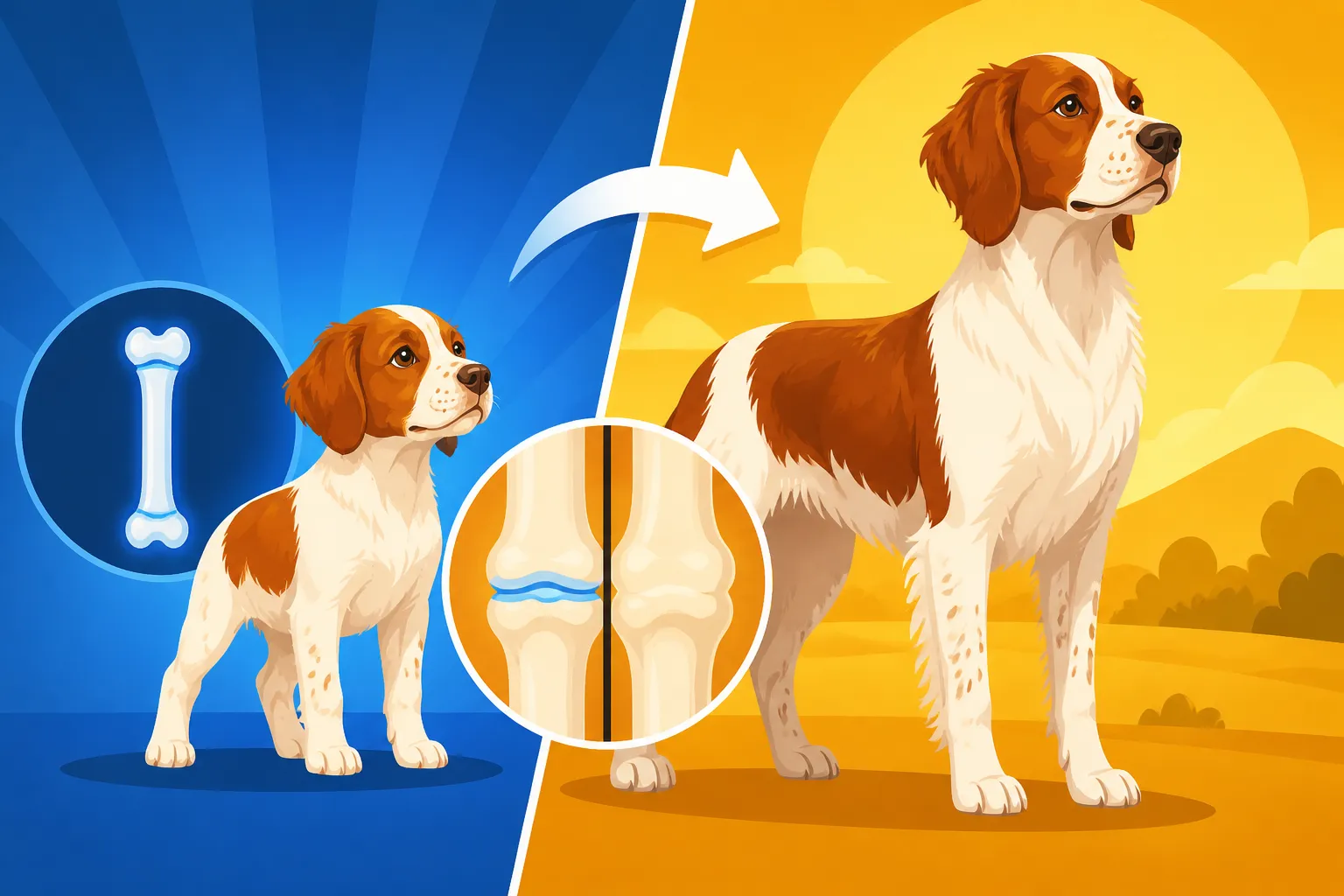
Imagine your Brittany's bones as a series of building blocks. At the end of each long bone, like those in their legs, there are specialized areas of cartilage called growth plates, or epiphyseal plates. Think of them as soft, cartilaginous "factories" that are constantly producing new bone cells, allowing the bone to lengthen. While the main shaft of the bone is already hard, calcified bone, these growth plates remain pliable and much softer. This softer tissue is what makes puppies so agile and bouncy, but it also makes them incredibly vulnerable. As your Brittany puppy grows, these plates keep adding length until they eventually "close" or ossify, meaning the cartilage turns into solid bone. Once closed, the bone has reached its final length, and the growth plate disappears, leaving behind a faint line on X-rays.
Why Are Growth Plates So Vulnerable?
The vulnerability of growth plates comes down to their composition. Cartilage is simply not as strong or as resilient as mature bone. Because of this, growth plates are the weakest part of a puppy's skeleton. When a puppy experiences trauma, such as a fall, a hard landing, or even repetitive, high-impact exercise, the growth plate is far more likely to be injured than the surrounding bone or ligaments. Instead of twisting an ankle or breaking a fully formed bone, a puppy can suffer a "physeal fracture," which is a fracture through the growth plate. These types of injuries are particularly concerning because they don't just cause immediate pain; they can disrupt the bone's ability to grow properly, leading to deformities, lameness, or even one leg being shorter than the other. It’s a bit like damaging the foundation of a house while it’s still under construction – the whole structure can be compromised.
How Brittany Bones Grow
Brittany bones, like those of all mammals, don't just grow randomly. They follow a specific, orchestrated process. From birth, your Brittany's bones are growing rapidly, driven by hormones and good nutrition. This active growth phase continues for many months. The growth plates work tirelessly, expanding the bones at their ends. This is why a puppy can grow so quickly, sometimes seeming to sprout overnight! Different bones have different numbers of growth plates, and they don't all close at the same time. The long bones in the legs, for instance, have multiple growth plates, and their proper closure is crucial for the structural integrity required of an active, athletic breed like the Brittany. During this entire period, the skeleton is still somewhat malleable, adapting to the forces placed upon it. That's why Why a Brittany Puppy Should Grow Slowly is such an important concept—rapid, unchecked growth can put undue stress on these developing structures.
The Typical Timeline for Brittany Growth Plate Closure
Understanding the general timeline for growth plate closure is key to managing your Brittany's activity and ensuring their long-term health. While there can be slight variations, there's a predictable pattern to when these crucial cartilaginous areas turn into solid bone.
General Milestones for Joint Fusion
For most Brittany Spaniels, the majority of growth plates will close between 12 and 18 months of age. However, it's not a single event where all plates fuse at once. Different joints and bones close at different times. The growth plates around the wrist and elbow tend to close earlier, often around 8-10 months, while those in the shoulder, knee, and especially the hips can remain open longer. For a Brittany, the growth plates in their stifles (knees) and hips are often among the last to fully ossify, sometimes not completing their closure until they are closer to 18 months. This extended period for the major load-bearing joints is why specific care is needed well into their second year. It's a common misconception that once a dog reaches their full height, their growth plates are closed. Not true! They can reach their adult height even with open growth plates, as bone continues to thicken and density increases after height growth stops.
Here's a general overview of when different growth plates typically close in medium-sized dogs like Brittanys:
| Bone/Joint | Approximate Closure Time (Months) |
|---|---|
| Toes/Paws | 4-6 |
| Elbow (ulna/radius) | 8-10 |
| Carpus (wrist) | 8-10 |
| Shoulder (scapula) | 10-12 |
| Humerus (upper arm) | 10-12 |
| Femur (thigh bone) | 12-16 |
| Tibia/Fibula (lower leg) | 12-16 |
| Hip (femoral head) | 14-18 |
| Vertebrae (spine) | 16-20+ |
Note: These are general guidelines. Individual variation exists.
Factors Influencing Closure Time
Several factors can influence the exact timing of growth plate closure in your Brittany:
- Genetics: Like all aspects of development, genetics play a significant role. Some lines might mature slightly faster or slower. This is why choosing a reputable breeder who understands canine development is crucial.
- Nutrition: While proper nutrition is vital for healthy growth, overfeeding or providing an unbalanced diet can actually cause problems. Too much calcium or phosphorus, or too rapid growth due to excessive calories, can lead to abnormal growth plate development and issues like osteochondritis dissecans (OCD). A good quality puppy food formulated for medium breeds is usually sufficient.
- Sex Hormones and Spaying/Neutering: Emerging research suggests that the timing of spaying or neutering can impact growth plate closure. Sex hormones (estrogen and testosterone) play a role in signaling the plates to close. When these hormones are removed early via spaying or neutering, growth plates may remain open for a longer period, resulting in longer limb bones. This can, in turn, subtly alter joint angles and potentially increase the risk of certain orthopedic issues. This is a complex topic, and you might want to delve deeper into Whether a Brittany Should Be Neutered Late for more information on the timing of this procedure and its potential impacts.
- Overall Health: Any chronic illness or significant injury during the growth phase could potentially affect the rate of growth plate closure. A healthy, robust puppy with a strong immune system will generally develop on a more predictable schedule.
Visualizing the Closure Process
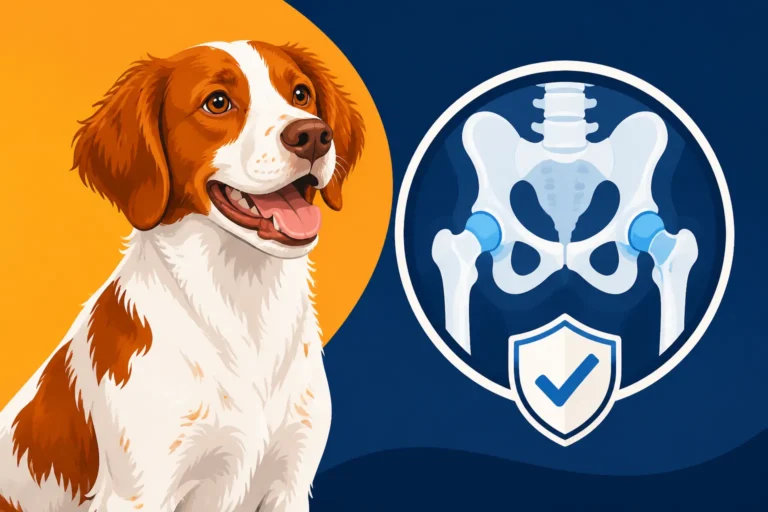
You can't see growth plates with your naked eye, but veterinarians can visualize them clearly on X-rays. In a young puppy, the growth plates appear as distinct dark lines or gaps in the bone because cartilage doesn't show up as densely as bone on a radiograph. As the puppy matures and the cartilage turns to bone, these dark lines become progressively fainter and eventually disappear, leaving a solid, continuous bone structure. For example, if your vet takes an X-ray of your Brittany's hips when they are 8 months old, you would see very obvious growth plates. If they take another X-ray when your Brittany is 16 months old, those lines will be much less pronounced, or even gone, indicating closure. This visual evidence is what veterinarians use to confirm when a dog has finished growing and when it's safe to potentially increase certain types of physical activity. It's also how specialized screenings, like those for hip and elbow dysplasia, often confirm maturity before final certification, which is why When a Brittany's Hips Can Be Screened Early has certain age requirements.
Practical Advice for Protecting Your Brittany's Developing Joints
Knowing when growth plates close is only half the battle; the other half is actively protecting them. As a Brittany owner, you have a huge role to play in safeguarding your puppy's joint health during this critical developmental period. It's about finding a balance between sufficient exercise and avoiding injury.
Exercise Guidelines for Growing Brittanys
This is where many well-meaning owners can inadvertently cause problems. A Brittany is a highly active breed, and their energy can seem limitless. However, controlled exercise is key.
- Avoid High-Impact Activities: Until all growth plates are confirmed closed (generally 12-18 months), steer clear of activities that involve repetitive pounding, jumping from heights, or sudden stops and starts. This includes things like long-distance running on pavement, intense agility training, fetching with hard landings, or leaping off furniture. Even a simple game of fetch, if done for too long and with too many hard stops, can put undue stress on still-open plates. You can learn more about specific hazards in Whether a Brittany Puppy Should Run on Hard Ground.
- Prioritize Free Play on Soft Surfaces: Instead of structured, intense exercise, encourage free play on grass, dirt, or other forgiving surfaces. Short bursts of running, exploring the yard, or playing with other well-matched, gentle dogs are excellent. Let your puppy dictate the pace and duration.
- Short, Frequent Walks: Daily walks on a leash are great for socialization and moderate exercise. Keep them relatively short (15-20 minutes, 2-3 times a day for younger pups, increasing as they mature) and avoid forced marches.
- Stairs and Jumping: Limit stair climbing, especially descending, and prevent jumping off elevated surfaces like beds, couches, or out of the car. Use ramps or lift your puppy where necessary.
- Swimming: Swimming is a fantastic, low-impact exercise option for Brittanys once they are comfortable in the water and the weather is appropriate. It builds muscle without stressing joints.
- Mental Stimulation: Since you might be limiting physical exertion, ramp up mental stimulation! Puzzle toys, obedience training sessions, and scent work are great ways to tire out a Brittany puppy's mind. How long a Brittany's training session should be is a good guideline, often suggesting shorter, more frequent sessions.
Remember, a tired puppy doesn't always mean a well-exercised puppy. A mentally stimulated puppy is often a calm and happy puppy, too.
Nutrition and Growth Plate Health
Proper nutrition is a cornerstone of healthy growth plate development. As mentioned, both under- and over-nutrition can cause issues.
- High-Quality Puppy Food: Feed a high-quality puppy food specifically formulated for medium to large breeds. These foods are designed to support steady, controlled growth, which is crucial for joint health. Avoid generic "all life stages" foods for puppies, as they may not have the appropriate balance of nutrients for optimal development.
- Controlled Growth, Not Rapid Growth: Resist the urge to "power feed" your puppy to make them grow bigger faster. Studies have shown that slower, controlled growth rates actually lead to healthier joints in the long run. Overfeeding can lead to excessive weight gain, putting extra strain on still-forming joints, and can also contribute to developmental orthopedic diseases. For more on this, check out What a Brittany Puppy Eats and Why a Brittany Puppy Should Grow Slowly.
- Avoid Excessive Supplements: Unless specifically advised by your veterinarian for a diagnosed condition, avoid adding extra calcium, phosphorus, or vitamin D supplements to your puppy's diet. Commercial puppy foods are carefully balanced, and adding more can throw off these ratios, potentially leading to skeletal abnormalities.
- Maintain a Lean Body Condition: Regularly check your puppy's body condition. You should be able to easily feel their ribs without seeing them, and they should have a discernible waist when viewed from above. If your puppy starts looking chubby, consult your vet about adjusting their food intake.
Monitoring for Signs of Trouble
Even with the best preventative care, sometimes issues can arise. Knowing what to look for can help you intervene early.
- Limping or Lameness: Any unexplained limping, favoring a leg, or difficulty moving should warrant a veterinary visit.
- Pain or Sensitivity: If your puppy cries out when touched in a certain area, or seems reluctant to move or play, it could be a sign of pain in a joint or bone.
- Swelling or Heat: Swelling or warmth around a joint could indicate inflammation or injury.
- Changes in Gait: Observe your Brittany when they walk and run. Is their gait even? Do they seem stiff after rest?
- Behavioral Changes: A typically energetic puppy becoming lethargic or withdrawn can sometimes be a sign of discomfort.
If you notice any of these signs, don't hesitate to contact your veterinarian. Early diagnosis and treatment are crucial for the best possible outcome. Investing in pet insurance from a provider like Healthy Paws can also offer peace of mind, knowing that unexpected veterinary costs for injuries or conditions affecting growth plates might be covered.
Long-Term Implications of Growth Plate Injuries
The care you provide during your Brittany's puppyhood has lasting consequences. Injuries to growth plates, or even chronic stress on them, can lead to a lifetime of health challenges, diminishing the quality of life for your otherwise vibrant companion.
The Risk of Early-Onset Arthritis
One of the most significant long-term implications of growth plate injuries is the increased risk of developing early-onset arthritis, also known as osteoarthritis. When a growth plate is damaged, the joint surface nearby can also be affected. The smooth cartilage that normally cushions the ends of bones can become uneven or degenerate prematurely. This irregular joint surface creates abnormal friction and wear, leading to inflammation and the breakdown of cartilage. Over time, this progresses to painful arthritis, often years before it would naturally occur. A Brittany suffering from early arthritis might show signs like stiffness after rest, lameness, reluctance to jump or run, and general discomfort. Managing arthritis often requires a combination of medication, physical therapy, and lifestyle adjustments, becoming a chronic condition that can impact your dog's ability to hunt or even enjoy daily walks. This is a tough reality for many owners, and it can significantly impact The Age a Brittany Gets Arthritis.
Permanent Deformities and Lameness
Another serious consequence of an untreated or poorly healed growth plate fracture is the development of permanent bone deformities. If a growth plate is damaged on only one side, or if one growth plate in a pair of bones (like the ulna and radius in the forearm) closes prematurely while the other continues to grow, it can lead to angular limb deformities. This means the bone might grow crooked, or one limb might end up shorter than the other. These deformities don't just look unusual; they can cause chronic lameness, pain, and place abnormal stress on other joints in the limb and body, trying to compensate for the imbalance. In severe cases, extensive and expensive corrective surgery might be the only option to restore function and alleviate pain. This emphasizes why understanding the risks during growth is so important, especially for a breed like the Brittany that is known for its athleticism and demanding lifestyle. While How Common Hip Dysplasia Is in Brittany Spaniels refers to a different developmental issue, many of the same principles of protecting growing joints apply.
The Importance of Vet Consultation
Given the potential for serious long-term issues, consulting with your veterinarian is paramount if you suspect any growth plate injury or if you have concerns about your Brittany's development. Your vet can perform a physical examination, and if necessary, take X-rays to assess the status of the growth plates and diagnose any potential injuries.
- Diagnosis and Treatment: If a growth plate injury is identified, your vet can recommend appropriate treatment, which might range from strict rest and pain medication to surgical intervention, depending on the severity and type of fracture. Follow their instructions diligently.
- Preventative Care Discussions: Regular wellness exams, as outlined in How Often a Brittany Needs a Wellness Exam, are also opportunities to discuss your Brittany's activity level, diet, and any observations you have. Your vet can provide tailored advice based on your individual dog's growth and maturity.
- Managing Costs: Should a serious injury or condition arise, the costs of diagnosis, surgery, and long-term care can be substantial. For example, What Hip Surgery Costs on a Brittany can be a significant financial burden. This is where pet insurance providers like Healthy Paws can make a real difference, helping to cover unexpected veterinary expenses and allowing you to focus on your Brittany's recovery without added financial stress. They understand that active dogs, even those carefully managed, can sometimes have accidents.
- Long-Term Health Planning: Your vet is your best partner in planning for your Brittany's long-term health, offering guidance on everything from appropriate exercise progression to nutritional needs. This careful management during puppyhood directly contributes to your Brittany being able to lead the active life they were bred for, potentially avoiding issues that might otherwise keep them from enjoying their time in the field, as discussed in Whether a Working Brittany Wears Its Joints Out.
Taking these precautions and working closely with your vet means you’re doing everything you can to give your Brittany the best start to a healthy, happy, and long life.
Disclaimer
The information provided in this guide is for general informational purposes only and is not intended as a substitute for professional veterinary advice. Always consult with a qualified veterinarian regarding any medical concerns or before making any decisions about your pet's health and treatment.