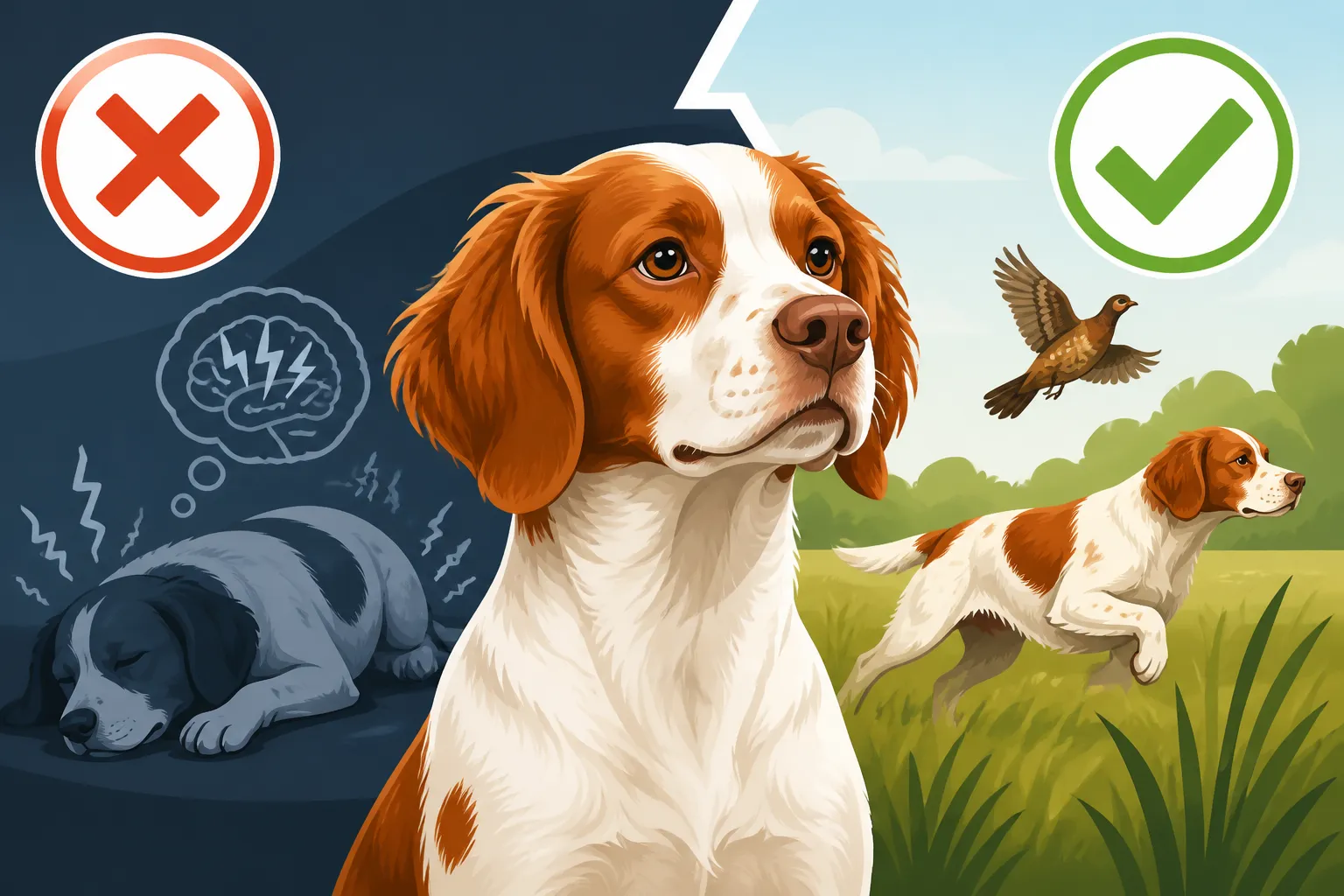
Whether an Epileptic Brittany Can Still Hunt
It’s heartbreaking to discover your beloved Brittany, the one you envisioned spending countless seasons with in the field, has been diagnosed with epilepsy. You’ve probably spent countless hours worrying about "What a Brittany's Seizure Looks Like" and "How an Epileptic Brittany Is Treated," but now a new, profound question looms: can they still hunt? This guide is here to walk you through the realistic considerations, the challenges, and the hopeful possibilities of continuing your Brittany's passion for the field, even with epilepsy.
Understanding Epilepsy in Brittany Spaniels
Living with a Brittany diagnosed with epilepsy is a journey filled with ups and downs. It's a condition that can throw a wrench into all your carefully laid plans, especially if those plans involved long days in the uplands or marshes. The unpredictability of seizures can be incredibly unsettling, and naturally, you're wondering how this affects their active, working life.
The Reality of Seizures and Diagnosis
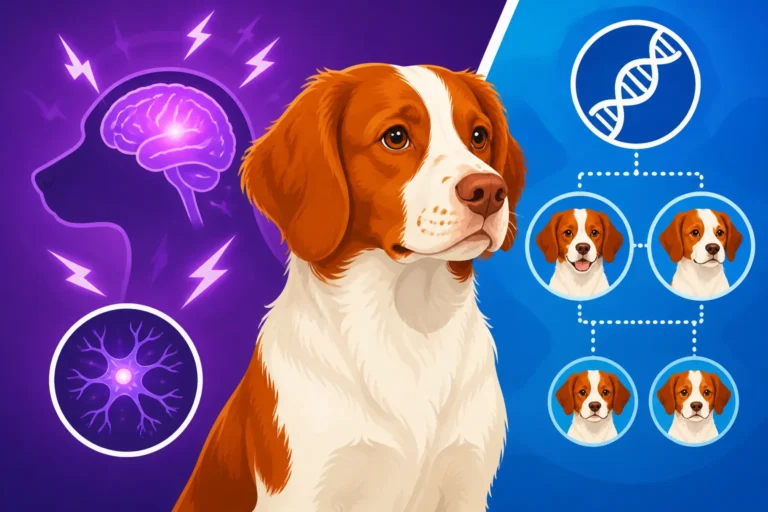
Epilepsy in Brittanys, much like in people, is a neurological disorder characterized by recurrent, unprovoked seizures. These seizures aren't always dramatic grand mal events; they can range from subtle focal seizures where your dog might seem confused or "fly-biting," to full-body convulsions. The age of onset often varies, but many owners first notice signs when their dog is between one and five years old. You might find yourself frantically searching for information on topics like "The Age Epilepsy Appears in a Brittany" as you try to make sense of what’s happening. The diagnosis process usually involves ruling out other potential causes for seizures, like metabolic issues, toxins, or brain tumors, often including costly tests like an MRI, which leads many to wonder, "Whether a Brittany Should Have an MRI" to get a definitive diagnosis. It’s a terrifying experience for any owner, witnessing your usually vibrant dog suddenly lose control.
Managing Epilepsy with Medication
Once diagnosed, the primary goal is to manage the epilepsy to reduce the frequency, severity, and duration of seizures. This typically involves anticonvulsant medications. Common choices include phenobarbital, potassium bromide, levetiracetam (Keppra), and zonisamide. Finding the right medication, or combination of medications, and the correct dosage can be a delicate balancing act, often requiring regular blood tests to monitor drug levels and liver function. Every dog responds differently, and what works for one Brittany might not work for another. The financial aspect can also be a significant concern for many owners, who quickly learn "What a Brittany's Seizure Medication Costs" and realize it's an ongoing expense. This is where a good pet insurance plan, perhaps from a provider like Healthy Paws, can really make a difference, helping to mitigate the unexpected costs of lifelong medication and veterinary visits. Consistency is key with these medications; missing a dose can significantly increase the risk of a breakthrough seizure.
Assessing Your Epileptic Brittany's Hunting Potential
The burning question remains: can my beloved hunting partner still enjoy the sport they were bred for? The short answer is: it depends. It's not a definitive no, but it requires careful consideration, close collaboration with your veterinarian, and a deep understanding of your individual dog's condition. The dream of chasing birds might still be alive, but it will likely look different.
Factors to Consider Before Returning to the Field
Before you even think about putting a lead on your Brittany and heading out to the field, there are several crucial factors to weigh. First and foremost is seizure control. Is your dog's epilepsy well-managed? If your Brittany is still having frequent or severe seizures, particularly if they are unpredictable, then hunting is likely not safe for them, or for you. The risk of a seizure in a challenging or dangerous environment – thick cover, near water, or far from immediate help – is simply too high. You also need to consider "What Triggers a Brittany's Seizure." For some dogs, stress, excitement, extreme exertion, or even changes in routine can be triggers. Hunting, by its very nature, involves many of these elements. A sustained period of intense activity, the thrill of the chase, the sound of the gun, and the general adrenaline rush could all potentially trigger an episode.
Another vital point is the post-seizure recovery period, known as the post-ictal phase. Some dogs bounce back quickly, while others can be disoriented, blind, or weak for hours, or even days. If your Brittany experiences a prolonged or severe post-ictal phase, it significantly complicates their ability to safely hunt. You’ll need to honestly assess your dog's individual resilience and recovery time. Lastly, think about the environment itself. Hunting often takes place in remote areas, far from veterinary care. If your dog were to have a seizure in the middle of a large field or dense woods, extracting them safely and getting them immediate attention could be a logistical nightmare.
The Importance of a Tailored Approach
There's no one-size-fits-all answer here. Each epileptic Brittany is unique, and their potential to hunt must be assessed on an individual basis. This means a very honest and detailed conversation with your veterinarian. They know your dog's medical history best and can advise on the risks involved. It’s not just about the seizures; it’s also about their general health and fitness. You’ll want to ensure your Brittany is in peak physical condition to minimize stress on their body, especially if you're concerned about "Whether a Working Brittany Wears Its Joints Out" or other health issues that can be exacerbated by intense activity.
Your vet might suggest a trial run in a controlled environment, perhaps a very short, low-stress hunt on a preserve, far from any major hazards, with another person along for support. Observe your dog closely for any signs of discomfort, fatigue, or pre-seizure behaviors. It's also worth discussing with your vet if certain types of hunting might be safer. For instance, a slow, methodical walk-up hunt for quail might be less taxing than a fast-paced pheasant hunt with long retrieves in heavy cover. The goal is always to prioritize your dog's safety and well-being above all else. Remember, your vet is your best ally in navigating these complex decisions.
Practical Considerations for Hunting with an Epileptic Brittany
If, after careful consideration and veterinary consultation, you decide to try hunting with your epileptic Brittany, it's absolutely crucial to adjust your approach. You can't just head out like before; modifications are essential to ensure both your dog's safety and your peace of mind.
Modifying Hunting Practices for Safety
First, keep hunts short and less strenuous. Forget those all-day excursions you once enjoyed. Focus on quality over quantity. Maybe just an hour or two in the morning or late afternoon when temperatures are mild, minimizing the risk of "Signs a Brittany Is Overheating in the Field." The goal is to provide mental and physical stimulation without pushing your dog to the point of exhaustion, which could be a seizure trigger. You’ll also want to rethink your hunting grounds. Opt for familiar, open areas with easy access, rather than dense, remote cover. Avoid areas with steep terrain, deep water, or heavy vehicle traffic. Having easy vehicle access means you can quickly get your dog to safety or to a vet if needed.
Consider hunting with a buddy who knows about your dog's condition and can help in an emergency. They can keep an eye on your Brittany, and if a seizure does occur, two people are always better than one for managing the situation. Keeping your dog on a long check cord, especially in areas with potential hazards, can also provide an extra layer of control and safety. If you use a GPS collar, ensure it's fully charged and reliable, as this can be a lifesaver if your dog becomes disoriented or wanders during a post-ictal state. Make sure to factor in the total financial commitment of owning a Brittany, including the specialized gear needed for safety; you can find more information on "What the First Year With a Brittany Costs" which can help you budget for these necessities.
Here’s a quick overview of modifications:
| Aspect of Hunting | Standard Practice | Modified Practice for Epileptic Brittany |
|---|---|---|
| Duration | All-day excursions | Short (1-2 hours), low-stress sessions |
| Terrain | Any cover/terrain | Familiar, open, easy-access areas |
| Company | Solo or with others | Always hunt with a knowledgeable partner |
| Control | Off-leash hunting | Long check cord, reliable GPS collar |
| Environment | Remote, varied | Avoid water, steep hills, heavy traffic |
| Exertion | High intensity | Moderate, focus on mental stimulation |
Emergency Preparedness in the Field
This is perhaps the most critical aspect of hunting with an epileptic Brittany. You must be prepared for a seizure to happen at any time, even with well-controlled epilepsy. Your field first aid kit needs to be comprehensive. Beyond the usual items for cuts and scrapes, you should include a rectal diazepam or midazolam (anti-seizure medication) if prescribed by your vet for emergency use. This can often stop a prolonged seizure or reduce its severity. Make sure you know exactly how to administer it. A small, portable cooler with ice packs could also be beneficial to help cool your dog down if they overheat during a seizure, as body temperature can spike.
Always carry plenty of water, not just for hydration during the hunt – "How Much a Brittany Should Drink on a Hunt" is a critical consideration for any active dog – but also to help cool your dog if they seize. Know the location of the nearest emergency veterinary clinic and have their number programmed into your phone. It's also wise to have a backup plan for transportation, in case your primary vehicle breaks down or you need to get your dog to a vet quickly. This level of preparedness might seem extreme, but it's the responsible way to ensure you're doing everything possible to keep your hunting companion safe. Thinking about "What a First Aid Kit for a Brittany Should Hold" can help you assemble all the necessary items for both regular field injuries and seizure emergencies.
Supporting Your Brittany's Overall Well-being
Beyond the hunting field, maintaining a stable and supportive environment at home is paramount for a Brittany with epilepsy. Their overall health and happiness directly impact their ability to manage their condition.
Maintaining a Stable Routine and Environment
Brittanys thrive on routine, and this is even more critical for those with epilepsy. A consistent schedule for feeding, exercise, and medication can help minimize stress and potential triggers. Try to avoid abrupt changes in their environment or daily schedule. Brittanys are sensitive dogs, and unexpected events can sometimes disrupt their delicate neurological balance. Ensure they have a calm, comfortable place to rest where they feel secure. If you’re introducing any new experiences, do so gradually and observe their reaction carefully. For instance, if you're taking them to a new hunting spot, visit it first without the pressure of hunting to let them acclimate.
Diet also plays a role. While there isn't a universally recommended "epilepsy diet," maintaining a consistent, high-quality diet and avoiding sudden changes in food can contribute to overall health. Some owners explore specialized diets, like ketogenic diets, in consultation with their vet, but it's essential to approach these with caution and professional guidance. Limiting exposure to known toxins or chemicals, both indoors and outdoors, is also a good preventative measure for any dog, but especially one with a neurological condition.
Working Closely with Your Veterinarian
Your veterinarian is your most important partner in managing your Brittany's epilepsy. Regular check-ups are essential, not just for monitoring seizure frequency and medication efficacy, but also for checking organ function, especially liver and kidney values, which can be affected by long-term anticonvulsant use. Your vet can adjust medication dosages as needed, based on blood levels and your dog's response. Don’t hesitate to call them with any questions or concerns, no matter how small they seem. They can provide advice on specific situations, like what to do if your dog has a cluster seizure or if you're planning a trip.
They can also help you understand the nuances of "What a Brittany's Seizure Looks Like" and interpret any subtle changes in your dog's behavior. If your dog experiences a breakthrough seizure, contacting your vet immediately is crucial to determine if medication adjustments are needed. Furthermore, they can help you understand the long-term prognosis and whether your Brittany's epilepsy is inherited, especially if you have concerns about "Whether an Epileptic Brittany Should Be Bred." A strong, open line of communication with your vet is the cornerstone of effective epilepsy management and will empower you to make the best decisions for your hunting companion's quality of life.
Ultimately, while the diagnosis of epilepsy in your Brittany is a challenge, it doesn't necessarily mean the end of their hunting career. With careful management, vigilant observation, necessary modifications, and unwavering dedication, some epileptic Brittanys can continue to enjoy the field, albeit in a more controlled and thoughtful way. The bond you share and their joy in the hunt are powerful motivators to find a path forward.
Disclaimer
This article is intended for informational purposes only and does not constitute veterinary advice. Always consult with a qualified veterinarian for any health concerns or before making any decisions about your dog's medical care or treatment plan. Individual circumstances and conditions can vary significantly.