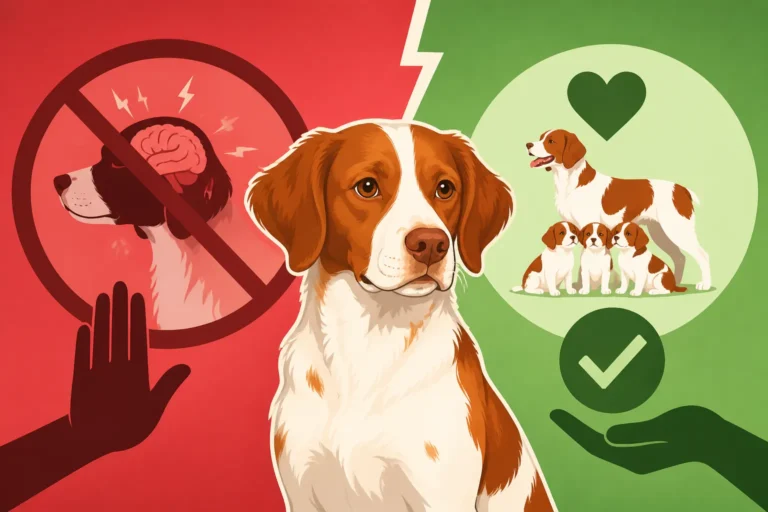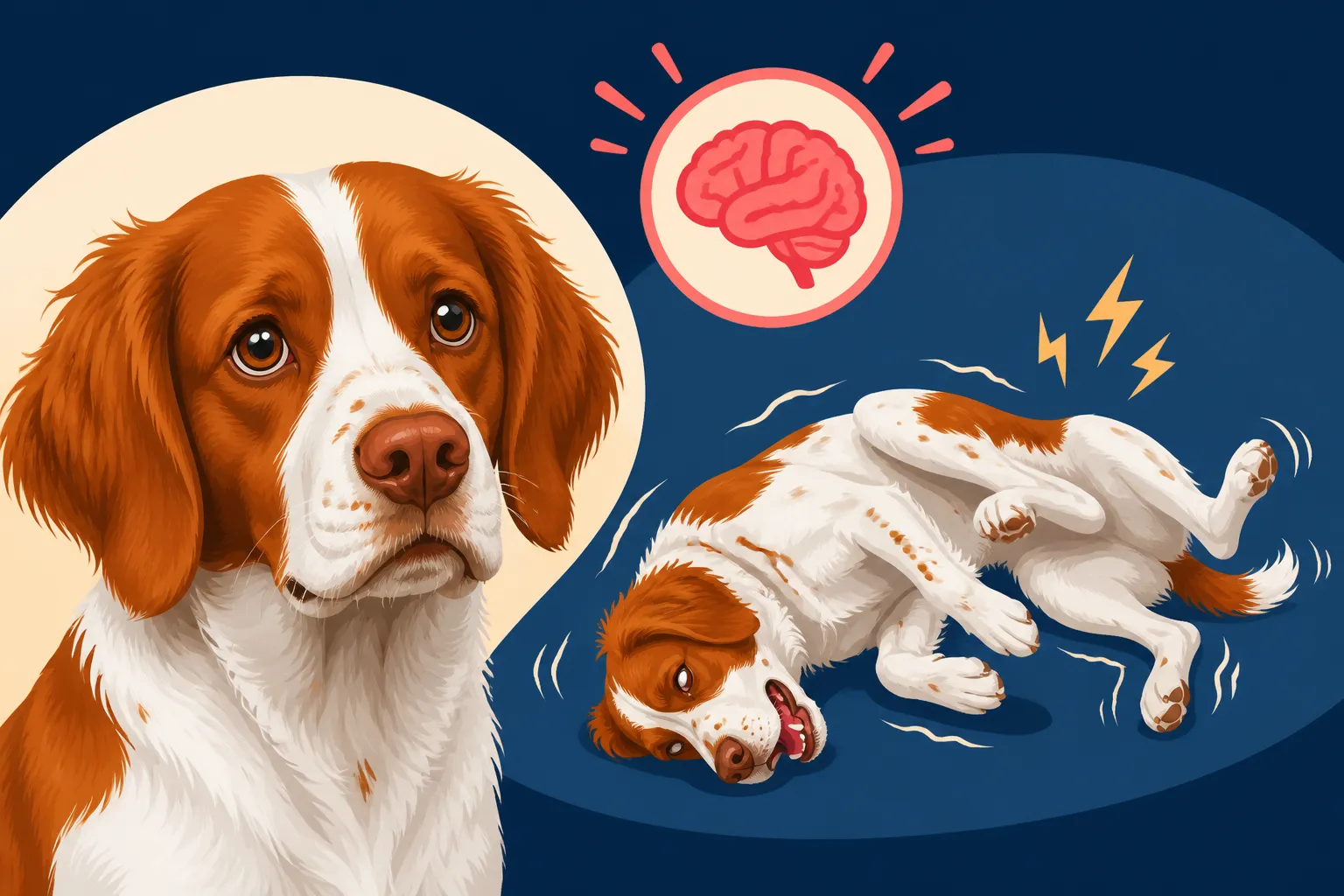
What a Brittany’s Seizure Looks Like
Witnessing your beloved Brittany Spaniel suddenly lose control, convulsing on the floor, can be one of the most terrifying and helpless experiences for any dog owner. It’s natural to feel a surge of panic, confusion, and deep worry about what just happened and what it means for your furry family member. This guide aims to demystify canine seizures, walking you through exactly what a seizure in a Brittany looks like, how to react safely, and what steps you can take to understand and manage this challenging condition.
Understanding Canine Seizures in Brittanys
When your active, curious Brittany, known for its boundless energy and keen intelligence, suddenly succumbs to an uncontrolled episode, it’s a shocking event. Seizures aren't just one thing; they can manifest in a variety of ways, from dramatic full-body convulsions to more subtle, almost imperceptible changes in behavior or movement. Knowing these distinctions is the first step in truly understanding what your Brittany is experiencing and how best to describe it to your veterinarian.
The Different Types of Seizures
Not all seizures are created equal, and in a breed like the Brittany, which can be prone to conditions like epilepsy, it’s vital to recognize the nuances. The two main categories you’ll hear about are generalized seizures and focal seizures, though within these, there's a spectrum of presentation.
A generalized seizure, often referred to as a "grand mal" seizure, is what most people picture when they think of a seizure. This type involves abnormal electrical activity across large areas of the brain, leading to widespread physical manifestations. Your Brittany might suddenly collapse, lose consciousness, and begin to convulse violently. Their legs might stiffen and then paddle uncontrollably, their head might be pulled back, and their body might become rigid. During this intense phase, they’ll be completely unaware of their surroundings. It's a truly distressing sight, and it often appears even more alarming in a dog known for its agility and grace.
On the other hand, focal seizures (sometimes called partial seizures) involve abnormal electrical activity in only a specific, localized part of the brain. Because only a small area is affected, the physical signs can be much more subtle and localized, making them harder to identify. Your Brittany might experience twitching in just one side of its face, an involuntary movement of a single limb, or a strange, repetitive behavior like "fly-biting" (snapping at invisible objects) or repetitive tail chasing. Sometimes, a focal seizure can generalize, meaning it starts in one part of the brain and then spreads to become a full-blown grand mal seizure. This transition can be confusing for owners, as they might initially only notice a slight tremor before the episode escalates. Understanding Epilepsy in a Brittany Spaniel is crucial here, as it provides a broader context for why your Brittany might be experiencing these episodes.
Recognizing the Stages of a Seizure
Seizures aren't just an isolated event; they often follow a predictable pattern of stages. Being able to identify these stages—the pre-ictal, ictal, and post-ictal phases—can provide invaluable information to your vet and help you feel more prepared, even if a seizure is always unsettling.
The prodrome or pre-ictal phase is the period before the actual seizure. It can last anywhere from a few minutes to several hours, or even days, although it's often so subtle that owners miss it entirely. In your Brittany, you might notice behavioral changes. They could become unusually anxious, clingy, restless, or seek out extra attention. Some dogs might hide, whine, or seem agitated. A usually independent Brittany might suddenly become incredibly needy, pacing or trying to follow you everywhere. Conversely, an outgoing Brittany might become withdrawn. These subtle cues are your dog's brain signaling that something is off, although without the subsequent seizure, they're nearly impossible to attribute.
The ictal phase is the seizure itself, the period of uncontrolled electrical activity in the brain. This is where you see the dramatic physical signs, whether it's the full-body convulsions of a generalized seizure or the more localized twitching of a focal seizure. For a Brittany, known for its athleticism, witnessing them completely lose control of their body is particularly heartbreaking. This phase can last from a few seconds to several minutes. If it lasts longer than five minutes, or if your Brittany has multiple seizures in a short period without regaining full consciousness, it’s considered an emergency and requires immediate veterinary attention.
Finally, the post-ictal phase is the recovery period after the seizure has ended. This phase can be just as alarming as the seizure itself, though for different reasons. Your Brittany might appear disoriented, confused, and temporarily blind. They might wander aimlessly, bump into furniture, or stare blankly into space. Increased thirst and hunger are common, as is extreme exhaustion. Some dogs will vocalize, whimper, or even show temporary aggression due to their confusion and fear. This recovery can last minutes, hours, or even days, depending on the severity and duration of the seizure. Patience and a calm, quiet environment are key during this time, as your Brittany slowly returns to its normal self. Observing The Age Epilepsy Appears in a Brittany can also help in recognizing these stages if your dog is still young.
What a Generalized Seizure Looks Like in a Brittany
When we talk about a "seizure," most people immediately picture a generalized, or grand mal, seizure. This is the most dramatic and often terrifying type of seizure, both for the dog experiencing it and the person witnessing it. For a Brittany, a breed full of vibrant energy and keen intelligence, the sudden and complete loss of control is particularly stark and distressing.
The Dramatic Physical Manifestations
Imagine your energetic Brittany, perhaps just moments ago chasing a ball or nosing around for scents, suddenly collapsing without warning. This is often how a generalized seizure begins. The dog will lose consciousness immediately, and its body will become rigid, often falling onto its side. This rigidity is quickly followed by violent, uncontrolled muscle contractions throughout the entire body.
You’ll see your Brittany's legs paddling frantically, almost as if they're running in place, but they're completely incapacitated. Their head might be pulled back severely, and their jaw might clamp shut or chomp repetitively. Many Brittanys will vocalize during this phase – a guttural groan, a sharp cry, or a sustained howl – which only adds to the owner's distress. It’s important to remember that these vocalizations are involuntary; your dog is not in control and is not purposefully crying out.
Another hallmark of a grand mal seizure is the loss of bodily functions. Your Brittany might urinate or defecate uncontrollably, and some dogs will drool excessively, often frothing at the mouth. This is not because they're "choking" or "swallowing their tongue" – a common misconception – but due to the loss of muscle control. The sheer violence of the convulsions can also lead to injury if the dog is near stairs, sharp furniture, or other hazards. The intensity of these physical manifestations makes generalized seizures truly unforgettable and often prompts immediate veterinary consultation.
The Confusion and Disorientation Aftermath
Just as jarring as the seizure itself is the period that follows, known as the post-ictal phase. Once the violent convulsions subside, your Brittany won't immediately spring back to its normal self. Instead, they will enter a period of profound confusion and disorientation, which can be just as unsettling for an owner to witness.
Your Brittany might try to stand up but stumble, weaving uncontrollably as if drunk. They might walk in circles, pace endlessly, or compulsively push their head into corners or against walls. Their eyes might appear glazed over, and they might not recognize you or respond to their name. Temporary blindness is common, causing them to bump into familiar objects. It's a heartbreaking sight to see your normally bright, alert Brittany appear so lost and helpless. They might also exhibit increased thirst and hunger, drinking huge amounts of water or seeking food ravenously, sometimes even eating non-food items.
This post-ictal state can last anywhere from a few minutes to several hours, or even a full day. The duration and severity vary greatly between dogs and even between episodes in the same dog. During this time, it's crucial to provide a calm, safe, and quiet environment. Resist the urge to smother them with too much attention, as they may not recognize you and could react defensively out of confusion. Instead, speak in soothing tones and keep them away from potential dangers. This period is taxing on your Brittany's body and brain, leaving them utterly exhausted once it finally passes. Understanding that this disorientation is part of the seizure process can help you manage your own emotions and provide the best support.
Spotting a Focal Seizure in Your Brittany
While generalized seizures are undeniably dramatic, focal seizures can be far more insidious because their signs are often subtle and localized. In an alert and expressive breed like the Brittany, these partial episodes can be easily missed or misinterpreted as mere quirks or behavioral issues, leading to delays in diagnosis and treatment.
Subtle Signs and “Partial” Episodes
Unlike the full-body chaos of a generalized seizure, a focal seizure originates in a limited area of the brain, meaning its effects are confined to specific body parts or functions. For your Brittany, this might manifest as something as minor as repetitive twitching of an eyelid or a lip. Imagine watching your dog, and suddenly, one side of its face twitches uncontrollably for a few seconds, almost like an involuntary tic. Or perhaps you notice a leg or a paw involuntarily paddling or trembling, even when the dog is otherwise calm. These isolated movements, if consistent and involuntary, could be signs of a focal seizure.
Another common manifestation is what's often called "fly-biting," where your Brittany repeatedly snaps at invisible flies or objects in the air. While some dogs might do this playfully, if it's compulsive, out of context, and your dog seems unresponsive during the episode, it's worth noting. Excessive drooling that suddenly appears without any obvious cause, like food or excitement, could also be a symptom. Some Brittanys might experience localized muscle spasms that make a specific part of their body stiffen or tremor. Because Brittanys are so animated, it can be easy to dismiss these isolated events as odd behaviors, but paying close attention to their involuntary nature and how quickly your dog returns to normal can be key in identifying these "partial" episodes.
Behavioral Changes as Seizure Indicators
Focal seizures don't always involve obvious motor activity; sometimes, they manifest purely as sudden, inexplicable behavioral changes. These can be particularly challenging to recognize as seizures because they might look like normal dog behaviors taken to an extreme or entirely out of character for your Brittany.
For instance, your dog might suddenly seem incredibly fearful or anxious, trembling or trying to hide without any apparent trigger. An otherwise friendly Brittany might inexplicably become aggressive or growl when approached during an episode. They might stare blankly into space, seeming unresponsive to your voice or touch, as if they’re zoning out. Some dogs will exhibit compulsive, repetitive behaviors like intense tail chasing, relentless pacing in a tight circle, or repeatedly licking a spot on the floor or a piece of furniture. These aren't just moments of distraction; during a behavioral focal seizure, your Brittany's brain is essentially misfiring, leading to these involuntary and often bizarre actions.
It’s crucial to differentiate these from typical Brittany behaviors or temporary anxieties. A true behavioral seizure will often start and stop abruptly, and the dog may seem disoriented or slightly "off" immediately afterward. Keeping a detailed log of these unusual behaviors, noting duration, frequency, and any patterns, is incredibly helpful for your veterinarian. These subtle signs can be the precursor to What Triggers a Brittany's Seizure and can often give your vet vital clues for diagnosis.
What to Do When Your Brittany Has a Seizure
Experiencing your Brittany having a seizure is frightening, but knowing what to do in the moment can make a huge difference for both your dog's safety and your own peace of mind. Your immediate actions should focus on protecting your dog from injury and then supporting them through the recovery process.
Prioritizing Safety During an Episode
The first, and most challenging, step is to try and remain calm. Your Brittany is completely unaware of what's happening and cannot be helped by your panic. Your primary goal during the ictal phase is to ensure your dog doesn't hurt itself.
Immediately move any furniture or objects that your dog could hit or fall from during the convulsions. If they are near stairs, a pool, or a sharp-edged table, gently try to scoot them to a safer, open area, but do not attempt to restrain them or move them roughly. Remember, their movements are involuntary and powerful.
A common instinct is to try and "help" your dog by putting your hands in or near their mouth, perhaps fearing they will swallow their tongue. Never do this. Dogs do not swallow their tongues, and your Brittany could inadvertently bite you severely during the seizure due to involuntary jaw clamping. Instead, simply give them space.
Try to time the seizure if you can. Note down the start and end times, even if it's just a rough estimate. A seizure lasting longer than five minutes, or multiple seizures in a row without full recovery in between (known as cluster seizures or status epilepticus), is a medical emergency. In such cases, contact your veterinarian or an emergency animal hospital immediately. Having a rough idea of the duration is incredibly helpful information for the vet, aiding in diagnosis and guiding treatment.
Supporting Your Brittany During Recovery
Once the active convulsions stop, your Brittany will enter the post-ictal phase, which can be disorienting and confusing for them. Your role now shifts from protecting them physically to providing a safe and calming environment for their recovery.
Move your Brittany to a quiet, dimly lit space if possible. Keep other pets and curious children away to give them peace and prevent further stress or potential injury if your dog is confused or temporarily aggressive. Speak to your dog in soft, soothing tones, but avoid making direct eye contact or touching them excessively, especially if they are disoriented or seem agitated. They may not recognize you, and sudden movements or sounds can heighten their confusion. Offer them water once they seem able to drink without difficulty, as many dogs are very thirsty after a seizure. If they seem ravenously hungry, offer a small, easily digestible meal.
Continue to monitor them closely during this recovery period, watching for any lingering effects like temporary blindness, circling, or extreme lethargy. It’s a good idea to contact your veterinarian after your Brittany has had a seizure, even if it was short and they seem to recover well. They can guide you on the next steps, including whether an immediate visit is necessary or if you should simply monitor for future episodes. They might also discuss the need for further diagnostics or medication. Keeping track of these episodes is vital for understanding How an Epileptic Brittany Is Treated.
Why Seizure Recognition is Crucial for Diagnosis and Treatment
Recognizing what a seizure looks like in your Brittany isn't just about managing the immediate crisis; it's the cornerstone of getting an accurate diagnosis and effective long-term treatment. Your observations are a critical piece of the puzzle that helps your veterinarian understand the underlying cause and tailor the best approach to manage your dog's condition.
The Importance of Detailed Observation and Records
When you call your vet after your Brittany has had a seizure, the first thing they’ll ask for is a detailed description of what you witnessed. Vague answers like "my dog had a fit" aren't very helpful. This is where your careful observations, even in a moment of panic, become invaluable.
Think of yourself as a detective. Your vet will want to know:
- What happened before the seizure? Were there any pre-ictal signs like restlessness, anxiety, or unusual clinginess?
- What did the seizure itself look like? Was it full-body convulsions (generalized) or localized twitching (focal)? Did they lose consciousness? Did they paddle, stiffen, vocalize, drool, or lose bladder/bowel control?
- How long did the active seizure last? This is incredibly important.
- What happened after the seizure? How long did the post-ictal confusion last? Were they disoriented, blind, hungry, thirsty, or aggressive?
- How often are these episodes occurring?
Many owners find it helpful to keep a "seizure log" or journal. This log should include the date, time, duration, detailed description of the event (pre-ictal, ictal, post-ictal), and any potential triggers you observed. Some owners even discreetly video-record an episode (from a safe distance) if they can do so without interfering or distressing their dog. This visual evidence can be incredibly powerful for a vet who hasn't witnessed the seizure firsthand. The more precise information you can provide, the better equipped your veterinarian will be to understand your Brittany’s condition and create an effective treatment plan. It's also vital to track the frequency to determine if How Often a Brittany Needs a Wellness Exam should be adjusted.
Investigating the Underlying Causes
Armed with your detailed observations, your veterinarian can begin the crucial process of investigating the underlying cause of your Brittany’s seizures. Seizures are not a disease in themselves, but rather a symptom of an underlying issue affecting the brain.
In Brittanys, one of the most common causes of recurrent seizures is idiopathic epilepsy. "Idiopathic" simply means the cause is unknown, but it's believed to have a genetic component in many breeds, including Brittanys. If your dog is diagnosed with idiopathic epilepsy, it means all other potential causes have been ruled out, and the seizures are likely due to an inherited predisposition to abnormal brain activity. This relates closely to understanding Whether Brittany Epilepsy Is Inherited.
However, before settling on an idiopathic epilepsy diagnosis, your vet will want to rule out other possibilities. These can include:
- Structural brain issues: Tumors, cysts, inflammation (encephalitis), or previous head trauma.
- Metabolic disorders: Liver disease, kidney disease, low blood sugar (hypoglycemia), or electrolyte imbalances can all cause seizures by affecting brain function.
- Toxins: Ingesting certain poisons, lead, or even some medications can induce seizures.
- Infections: Bacterial, viral, or fungal infections that affect the brain.
To investigate these possibilities, your vet will likely recommend a series of diagnostic tests. This usually starts with a comprehensive physical exam and routine bloodwork to check organ function and rule out metabolic causes. If these initial tests are normal, the next step might involve more advanced diagnostics like an MRI (Magnetic Resonance Imaging) of the brain and a CSF (cerebrospinal fluid) tap to look for structural abnormalities or inflammation. Many owners wonder Whether a Brittany Should Have an MRI, and while it can be expensive, it's often the most definitive way to rule out certain causes. This thorough investigative process is critical because managing a seizure caused by a brain tumor is very different from managing idiopathic epilepsy.
Living with an Epileptic Brittany
Receiving a diagnosis of epilepsy for your Brittany can feel overwhelming. It's a lifelong condition that requires commitment and adaptation, but with proper management, many epileptic Brittanys can live full, happy lives. The goal isn't always to completely stop all seizures, but to significantly reduce their frequency, duration, and severity, improving your dog's quality of life.
Management Strategies and Medications
Once a diagnosis of epilepsy is made, the cornerstone of management for most Brittanys will be medication. Your veterinarian will work with you to choose the most appropriate anticonvulsant medication, such as phenobarbital, potassium bromide, or levetiracetam (Keppra), among others. It’s crucial to understand that finding the right medication and dosage can be a process of trial and error, requiring patience and close communication with your vet.
The absolute key to successful medical management is consistency. These medications need to be given at the same time every day, without fail. Missing doses or giving them late can lead to breakthrough seizures or worsen the condition. Your vet will likely start with a low dose and gradually increase it, monitoring your Brittany for both effectiveness and potential side effects. Side effects can include sedation, increased appetite and thirst, or liver issues, especially with phenobarbital. Regular blood tests will be necessary to monitor drug levels in your dog's system and assess liver and kidney function, ensuring the medication is safe and effective. This is why What a Brittany's Yearly Bloodwork Should Cover often includes these specific checks for epileptic dogs.
The aim of medication is to control seizures, not necessarily to eliminate them entirely. Many epileptic Brittanys will still have occasional seizures, but they should be less frequent and less severe. If seizures continue or worsen despite medication, your vet might adjust the dosage, add a second anticonvulsant, or explore other options. This ongoing management is a partnership between you and your vet to ensure your Brittany receives the best possible care, directly addressing How an Epileptic Brittany Is Treated.
Adjusting Life and Providing Support
Beyond medication, living with an epileptic Brittany often requires some adjustments to your daily routine and environment. Establishing a predictable routine can be incredibly beneficial, as stress and changes can sometimes act as What Triggers a Brittany's Seizure. This includes consistent feeding times, exercise schedules, and bedtimes.
Creating a safe home environment is also paramount. Since seizures can happen anywhere, consider carpeting or cushioning hard floors, especially in areas where your Brittany spends a lot of time. Block access to stairs or other hazardous zones if your dog is prone to falling during seizures. Some owners find that a quiet, calm "safe space" where their dog can retreat before or after a seizure is helpful.
Financially, managing epilepsy can be a long-term commitment. The cost of medication, regular vet visits, and blood monitoring can add up. This is where pet insurance can be a huge help. Providers like Healthy Paws offer plans that can cover a significant portion of veterinary costs for chronic conditions like epilepsy, helping alleviate some of the financial burden. Knowing that you have support from Healthy Paws can allow you to focus more on your Brittany’s care and less on the unexpected expenses. For those wondering What a Brittany's Seizure Medication Costs, pet insurance can make a substantial difference.
Emotionally, it's normal to feel anxiety, sadness, and even guilt when your Brittany has a seizure. Remember that you are doing everything you can to manage their condition. Connect with other owners of epileptic dogs through online forums or support groups; sharing experiences can be incredibly validating. And yes, many epileptic Brittanys can still participate in activities they love, though you might need to discuss Whether an Epileptic Brittany Can Still Hunt with your vet to ensure safety. The key is to monitor them closely, communicate openly with your vet, and provide a loving, stable home.
Disclaimer
This article is for general informational purposes only and does not constitute professional advice. Laws, prices and regulations vary by location and change over time. Consult a qualified professional for guidance on your specific situation.