Whether a Brittany Should Wear Boots All Day
As Brittany owners, we pour our hearts into keeping our energetic companions safe and sound, especially their hardworking paws. It’s natural to worry about everything they might encounter, from scorching summer pavement to icy winter trails, or the sharp stubble of a harvested field. The thought of protecting those precious pads with boots "all day" can seem like the ultimate solution, a foolproof shield against the world. But while dog boots certainly have their place, letting your Brittany live in them continuously actually introduces a whole new set of challenges and isn't usually the best approach for their long-term paw health or comfort. This guide will explore why the "all-day" boot idea is often more problematic than helpful and offer practical strategies for keeping your Brittany's paws in top shape.
The Lure of All-Day Paw Protection: Why We Consider Boots for Our Brittanys
When you look at your Brittany’s soft, sensitive paw pads, it’s easy to understand why the idea of keeping them constantly shielded appeals to so many of us. Our dogs are athletes, adventurers, and often, our shadows, accompanying us through all sorts of environments. We want to prevent injuries, ease discomfort, and generally ensure they have the best quality of life. The desire to put boots on them all day often stems from a deeply caring place, aiming to proactively prevent common issues that plague active dogs.
Facing Harsh Environments: Hot Pavement to Frozen Ground
One of the most immediate concerns for any dog owner, especially those with Brittanys who love to be outdoors, is temperature extremes. Imagine trying to walk barefoot on asphalt in July – it's unbearable, right? Our dogs' paw pads, while tougher than our skin, are not immune to the damage caused by superheated surfaces. They can suffer burns and blistering, which are incredibly painful and difficult to heal. Similarly, in winter, icy sidewalks, frozen ground, and especially chemical de-icers can wreak havoc. These substances not only irritate the skin but can also be toxic if ingested when your dog licks their paws. It’s a constant juggle to find safe walking surfaces, and sometimes, those simply aren't available, making boots seem like a necessary, continuous barrier.
Navigating Rough Terrain and Field Hazards
For those of us who hunt with our Brittanys or simply enjoy hiking in wilder areas, the field itself presents a minefield of potential paw injuries. Sharp rocks, thorny bushes, broken branches, and the stiff, abrasive stubble of harvested cornfields or wheat fields are all common culprits. A Brittany, with its boundless energy and determination, will charge through these conditions without a second thought, often leading to cuts, punctures, or abrasions. These injuries are not just painful; they can become infected, leading to vet visits and downtime. We know our dogs thrive on being in the field, so preventing these debilitating scrapes and tears is always at the forefront of our minds. The Injuries a Brittany Picks Up in the Field offers a closer look at the common scrapes and bruises our active dogs face.
Addressing Allergies, Chemicals, and Irritants
Beyond physical trauma, many Brittanys can suffer from environmental allergies or sensitivities to chemicals. Walking through freshly treated lawns, areas sprayed with pesticides, or even certain types of grasses can trigger an allergic reaction, causing intense itching, redness, and inflammation between the paw pads. Your dog might lick, chew, or even gnaw at their feet excessively, making the problem worse and potentially introducing secondary bacterial or yeast infections. For owners dealing with chronic paw irritation, the idea of boots acting as a full-time protective layer against these unseen irritants can be incredibly appealing, offering a hope for relief from persistent discomfort. Sometimes, a simple walk can turn into a day of endless paw licking and discomfort, making a full-coverage solution seem ideal. Why a Brittany's Feet Itch After a Hunt explores these issues in more detail.
The Downsides: Why All-Day Boot Wear Isn't Practical or Healthy for Your Brittany
While the protective instinct behind wanting your Brittany to wear boots all day is completely understandable, the reality is that continuous boot wear often creates more problems than it solves. Our dogs' feet are marvels of natural engineering, designed to interact directly with their environment, and covering them constantly can interfere with essential functions and lead to discomfort or even health issues.
Impeding Natural Movement and Sensory Feedback
Imagine trying to navigate your home wearing oversized, clunky ski boots all day. You'd likely trip, stumble, and generally feel off-balance. The same principle applies to your Brittany. A dog's paws are not just for locomotion; they are incredibly sensitive sensory organs, packed with nerve endings that provide vital information about the ground beneath them. This proprioception – the sense of where their body parts are in space – is crucial for balance, coordination, and agility. When a Brittany wears boots constantly, this natural feedback loop is disrupted. They can't feel the texture, temperature, or subtle changes in terrain, which can lead to an unnatural gait, muscle strain, or even an increased risk of missteps and falls, particularly on uneven ground or during rigorous activity like hunting. Furthermore, their paw pads are also essential for grip and traction, especially when changing direction quickly or traversing slippery surfaces. Boots, depending on their sole material and fit, can actually reduce this natural grip, leading to less secure footing.
The Hidden Risks of Moisture, Chafing, and Skin Issues
One of the biggest, yet often overlooked, problems with continuous boot wear is the potential for dermatological issues. Dogs sweat through their paw pads, and just like our feet, if those pads are encased in a boot all day, moisture can accumulate. This warm, damp environment is a perfect breeding ground for bacteria and yeast, leading to uncomfortable and often stubborn infections. Think about athletes who spend all day in sweaty socks and shoes; they're prone to athlete's foot. Your Brittany faces similar risks. Even with breathable materials, the airflow is restricted compared to bare paws. Beyond infections, boots that aren't perfectly fitted can cause chafing and rubbing, leading to painful blisters, sores, and hair loss, especially between the toes or around the dewclaws. Regularly checking paws is crucial, but it's hard to catch problems early if they're always covered. How Often a Brittany's Pads Should Be Checked highlights the importance of routine inspections, which become even more critical when boots are involved.
The Reality of Comfort, Compliance, and Wear-and-Tear
Let's be honest, getting a Brittany to voluntarily wear boots for extended periods is a monumental task for many owners. These dogs are active, curious, and often have a strong dislike for anything that restricts their natural movement or interferes with their sensory world. Many Brittanys will protest by chewing at the boots, trying to shake them off, or even refusing to walk normally. Training a dog to accept boots takes time and patience, and even then, their tolerance for all-day wear is usually low. It's simply not what their bodies are designed for.
Beyond your dog's compliance, there's the practical aspect of the boots themselves. Dog boots, even the high-quality ones you might find on Chewy or Amazon, are subject to significant wear and tear, especially with an active Brittany. They can rip, lose their grip, or simply wear out surprisingly quickly. This means constant replacement, which adds up financially. Moreover, keeping multiple sets clean and dry for continuous use is a chore in itself. A lost boot in the field can leave a paw vulnerable, negating the entire purpose of the protection. It’s a lot of management for a solution that often isn't ideal for the dog's comfort or health.
Strategic Boot Use: When Temporary Protection Makes All the Difference
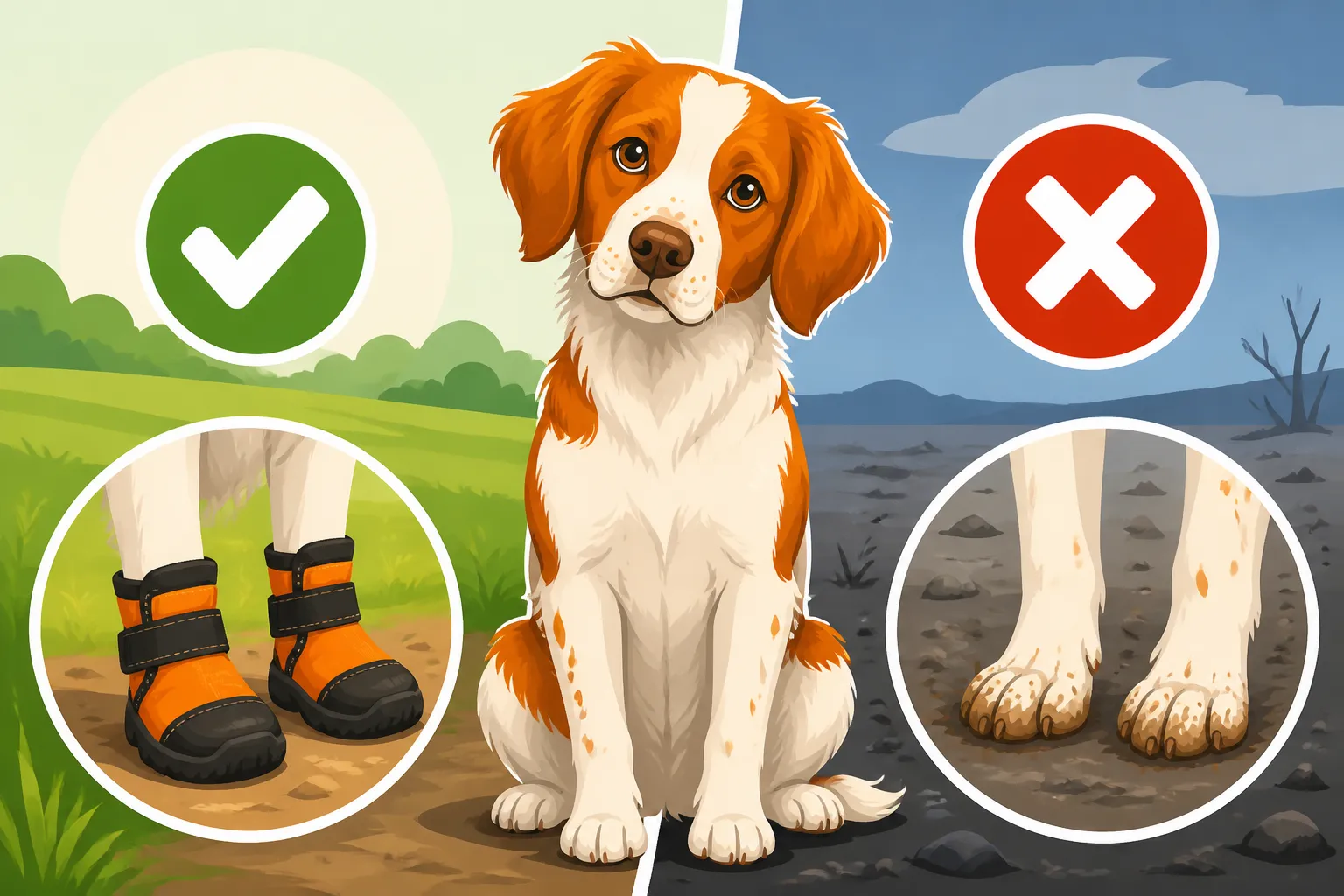
While all-day boot wear isn't recommended, there are absolutely specific, targeted scenarios where dog boots are incredibly beneficial, even essential, for your Brittany. The key is understanding when to use them and for how long, treating them as specialized gear rather than a permanent fixture.
Targeted Protection for Specific Outdoor Adventures
For the hunting Brittany, or the adventurous companion that joins you on challenging hikes, boots can be a game-changer for short, intense periods. Think about navigating dense briar patches, rocky slopes, or areas with sharp agricultural stubble. In these situations, a well-fitting, durable set of boots can prevent serious cuts, punctures, and abrasions that would otherwise bring your outing to a halt. When you’re heading out for a day of pheasant hunting, or a multi-hour trek through rugged terrain, putting boots on can provide that crucial layer of defense, allowing your Brittany to perform without worrying about immediate paw damage. The goal here isn't to replace the natural toughening of their pads, but to offer extra insurance against known, acute hazards. Many seasoned hunters swear by boots for protecting their dog's feet during long days in rough cover. Whether a Brittany Needs Boots in the Field provides more context on this critical choice.
Aiding Recovery for Injured or Sensitive Paws
Another indispensable role for dog boots is in managing paw injuries or sensitivities. If your Brittany has suffered a cut pad, a puncture wound, or even just a severe abrasion, boots can serve as a protective bandage. They keep the wound clean, prevent licking and chewing that could hinder healing, and shield the tender area from further irritation when your dog needs to go outside. This is particularly helpful for dogs recovering from surgery or those with chronic conditions that make their paw pads unusually delicate. A temporary boot can mean the difference between a clean, swift recovery and a prolonged, complicated healing process. They can also be used to prevent existing hot spots or interdigital cysts from worsening by providing a barrier against self-trauma or environmental irritants. How to Close a Brittany's Field Laceration can help you understand initial wound care, for which boots might later assist in protection.
Essential for Extreme Weather or Hazardous Conditions
There are times when the environment itself becomes so hostile that boots become a necessity for short exposures, not just a convenience. This includes those brutally hot summer days when pavement temperatures can reach dangerous levels, easily burning paw pads in minutes. Similarly, in winter, boots offer protection from freezing temperatures, ice balls forming between toes (which can be incredibly painful), and corrosive de-icing chemicals like rock salt. These conditions aren't just uncomfortable; they pose a real threat to your Brittany's health. For a quick potty break or a short walk on truly hazardous surfaces, boots provide a vital shield. However, once indoors or on safer ground, they should be removed to allow the paws to breathe and function naturally. It's about smart, reactive use to counter specific, unavoidable dangers, rather than a continuous, proactive blanket solution. For example, if you know you’ll be walking through a parking lot heavily salted in winter, a quick boot application is prudent.
Beyond Boots: Holistic Approaches to Year-Round Paw Health
While boots have their place for specific situations, cultivating robust, healthy paws in your Brittany is a year-round commitment that goes far beyond simply strapping on protective gear. A comprehensive approach focuses on consistent care, environmental awareness, and gradual conditioning to ensure those hardworking feet stay resilient.
Consistent Routine: Grooming, Inspection, and Proactive Care
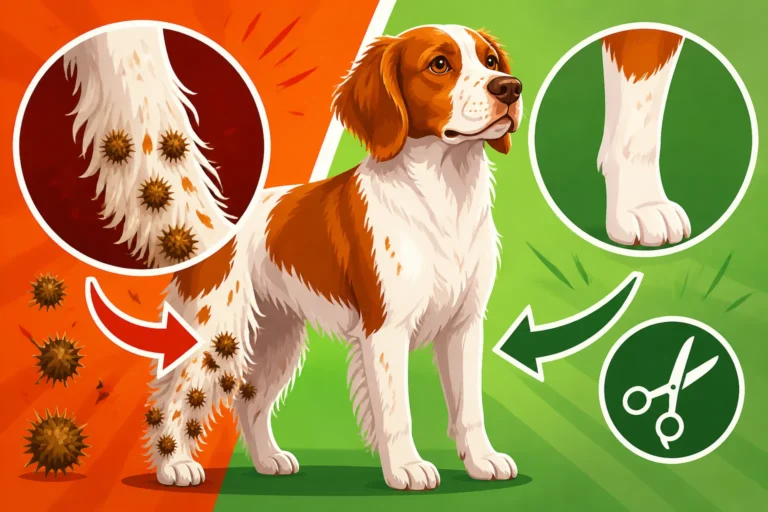
The foundation of healthy paws is a consistent routine of grooming and inspection. After every outing, especially in the field or on rough terrain, take the time to thoroughly check your Brittany's paws. Look for cuts, scrapes, thorns, burrs, or any signs of irritation between the pads and toes. This immediate inspection can help you catch small problems before they escalate. What a Brittany Needs Within an Hour of a Hunt details this essential post-outing ritual.
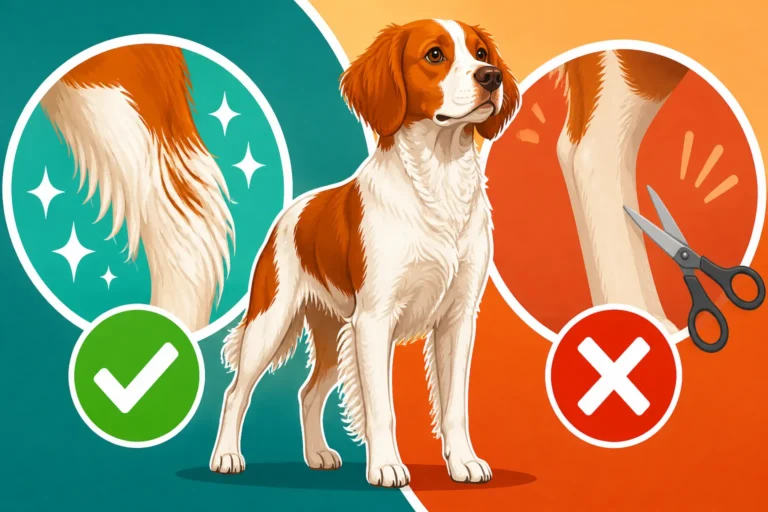
Regular nail trims are also paramount. Overly long nails can splay the toes, alter gait, and lead to discomfort or even joint issues over time. If you can hear your Brittany's nails clicking on the floor, they're too long. How Short a Brittany's Nails Should Be for Running gives more specific guidance. Trim the hair between the paw pads to prevent matting, which can trap debris, moisture, and lead to irritation. Many owners use paw balms or waxes, readily available on platforms like Amazon or Chewy, to moisturize pads and create a protective barrier against harsh elements. These products can help prevent cracking and drying, especially in extreme weather. Think of it as preventative skincare for their feet! Whether a Brittany Needs Paw Wax delves deeper into these options.
Environmental Awareness and Smart Scheduling
A proactive approach to paw health involves being mindful of your environment and adjusting your schedule accordingly. During summer, avoid walking your Brittany on pavement during the hottest parts of the day. Early mornings or late evenings are much safer. A good rule of thumb: if the pavement is too hot for your bare hand for five seconds, it’s too hot for your dog's paws. In winter, be aware of de-icing chemicals. Stick to grassy verges where possible, and always rinse your Brittany's paws with lukewarm water after walking on treated sidewalks to remove any irritating residues.
For field work, choose your training and hunting grounds wisely when possible. While Brittanys are tough, constantly running them over the harshest stubble or sharp gravel can take its toll. Varying the terrain can help toughen their pads gradually rather than causing acute trauma. Knowing the conditions you're about to enter allows you to make informed decisions about whether boots are needed for a short period, or if you can simply adjust your route or activity.
Nutritional Support and Gradual Conditioning
Strong, healthy paws are also a reflection of overall health, which is heavily influenced by diet. A high-quality diet provides the necessary nutrients for strong skin, nails, and resilient paw pads. If your Brittany is a working dog, they might benefit from a performance-oriented diet, designed to support their energy levels and recovery. How Much a Working Brittany Eats in Season discusses the nutritional demands of active dogs.
Beyond diet, gradual conditioning is key to toughening paw pads naturally. Don't take a couch potato Brittany out for a marathon run on rough gravel on day one. Introduce them to varied terrains slowly, allowing their pads to adapt and thicken over time. Short walks on slightly rougher surfaces, gradually increasing duration and intensity, will build resilience. This natural toughening process is far superior to relying solely on boots, as it maintains their proprioception and natural foot function. How to Toughen a Brittany's Pads provides actionable steps for this vital process.
By combining diligent daily care, smart environmental choices, and proper conditioning, you can help ensure your Brittany's paws remain healthy, resilient, and ready for whatever adventure comes their way, without the need for constant boot wear.
| Feature | All-Day Boot Wear (Generally Not Recommended) | Targeted Boot Use & Proactive Paw Care (Recommended) |
|---|---|---|
| Protection Level | Continuous, but with trade-offs | High for specific hazards; relies on natural resilience otherwise |
| Paw Health Impact | Risk of moisture, chafing, infections; impedes natural function | Prevents acute injury; supports natural paw health |
| Dog Comfort | Often reduced; can lead to frustration, chewing, unnatural gait | Generally good for short periods; allows natural sensation otherwise |
| Sensory Feedback | Significantly reduced; impacts balance and proprioception | Maintained during most activities; temporarily reduced when necessary |
| Durability/Cost | High wear-and-tear; frequent replacement; ongoing expense | Less frequent use means longer lifespan; targeted investment |
| Maintenance | Daily cleaning/drying; constant monitoring for skin issues under boots | Regular inspections, cleaning, nail trims; paw balms |
| Best For | Seldom, usually only for extreme medical necessity | Specific hazards (hot pavement, ice, sharp terrain), injury recovery, short hunts |
Disclaimer
This article is for general informational purposes only and does not constitute professional advice. Laws, prices and regulations vary by location and change over time. Consult a qualified professional for guidance on your specific situation.