Whether a Brittany Should Be Fed Once a Day in Season
When hunting season arrives, our Brittany Spaniels transform from beloved couch companions into tireless athletes, covering miles of diverse terrain, pushing through cover, and holding steady on point for what feels like forever. It's a demanding lifestyle, and as owners, we often grapple with how best to fuel these canine dynamos. One question that frequently pops up, especially for those with packed schedules, is whether feeding a Brittany just once a day during the season is truly enough. This guide will dive deep into the nutritional realities of a working Brittany and explore why a single daily meal might be inadvertently setting your hunting partner up for suboptimal performance and health risks.
The Demands of Hunting Season on Your Brittany's Metabolism
Let's be real: a Brittany in hunting season isn't just taking a leisurely stroll around the block. They are elite athletes, and their bodies are burning through fuel at an incredible rate. Trying to maintain that level of exertion on a reduced or poorly timed feeding schedule is like expecting a race car to win on an empty tank.
Why a Brittany's Energy Needs Skyrocket
Imagine yourself hiking for hours, sprinting through dense brush, stopping suddenly, holding still, then sprinting again, all while constantly sniffing and processing information. That's a typical morning for your Brittany in the field. This isn't just physical exertion; it's a huge mental load too, and both burn calories. Their cardiovascular system is working overtime, muscles are contracting powerfully, and their keen senses are engaged for hours. All of this demands a constant, steady supply of energy. Unlike their off-season routine of maybe a couple of long walks or a vigorous play session, hunting requires sustained high-intensity output, often in varied and challenging weather conditions. On a crisp autumn morning, their body is also working to stay warm, adding another layer to their caloric needs.
This level of activity means their metabolic rate is significantly elevated. Their bodies are not just maintaining, they're performing. Think about it: they're not merely trotting; they're quartering a field, scenting birds, going on point, then often making a retrieve. Each of these actions, from the high-stepping point to the sprint after a downed bird, is an explosive use of energy. If you've ever felt that post-hunt exhaustion yourself, you can only imagine what your smaller, but equally driven, Brittany is experiencing. Their energy expenditure can easily be double or even triple what it is on a lazy Sunday during the off-season. This intense energy burn means that what worked fine for them in July simply won't cut it in October. This is why it's crucial to understand How Much More a Brittany Eats in Hunting Season.
The Risks of Underfeeding a Working Dog
When your Brittany isn't getting enough fuel, or the fuel isn't delivered efficiently, you'll start to see a ripple effect that impacts their performance and, more importantly, their long-term health. The most obvious sign is fatigue. A dog that starts strong but "hits the wall" mid-day might be struggling with an energy deficit. They might lose their drive, start ignoring scents, or become sluggish in their retrieves. This isn't just about winning a field trial; it's about the joy and effectiveness of the hunt itself. A tired dog is also a less safe dog, more prone to mistakes, and less able to react to potential hazards in the field.
Beyond immediate performance, chronic underfeeding can lead to significant weight loss, muscle wasting, and a compromised immune system. Think about it: if their body is constantly drawing on reserves because it's not getting enough fresh fuel, it can't properly repair itself after strenuous activity. This slows recovery times and increases the risk of injuries. A dog pushing itself while undernourished is more susceptible to strains, sprains, and even more serious conditions. You might notice their coat losing its luster, or they might seem generally rundown. It's not just about surviving the season; it's about thriving. You want your Brittany to maintain that lean, athletic physique throughout the season, not come home looking gaunt or depleted. We want them to remain a vibrant companion, full of life, even when they're Caring for a Brittany Past Ten.
The Pros and Cons of a Once-Daily Feeding Schedule in Season
It’s easy to fall into the trap of thinking one large meal a day is convenient and sufficient. After all, many of us feed our pets this way during the off-season. But the unique demands of hunting season flip that logic on its head for a high-energy breed like the Brittany.
Potential Advantages for Busy Hunters
Let's be honest, life gets hectic, especially when you're balancing work, family, and the passion for hunting. The idea of feeding your dog just once a day can seem like a logistical lifesaver. It simplifies your routine, cutting down on preparation time and the number of times you have to manage food bowls, particularly if you're out the door early for a morning hunt. With one big meal, you might feel like you've checked the "fed the dog" box completely and can focus on other tasks.
For some, especially if the meal is timed correctly – perhaps many hours before a hunt or exclusively after all activity is done for the day – it might reduce the perceived risk of digestive upset or bloat during intense activity. The thought process might be: if the stomach is empty during the hunt, there's less chance of issues. While this can be true for reducing immediate stomach fullness, it completely overlooks the larger metabolic picture and the dog's sustained energy requirements, which we'll get into shortly. It's a trade-off that often prioritizes human convenience over canine physiological needs during peak performance times.
Significant Disadvantages for Performance and Health
While a single meal might seem convenient, the disadvantages for a working Brittany during hunting season far outweigh any perceived benefits. The biggest issue is sustained energy. Imagine yourself eating one enormous meal at 6 PM and then trying to run a marathon the next morning without another bite. You'd likely "hit the wall" – experience a severe drop in energy, performance, and focus. The same happens to our Brittanys. Their bodies burn through the fuel from that single meal relatively quickly, leaving them running on fumes for the majority of their active day. This leads to inconsistent energy levels, decreased stamina, and a noticeable dip in their drive and ability to hold point or retrieve effectively as the day wears on.
Furthermore, feeding one massive meal carries a higher risk of gastric dilation-volvulus (GDV), commonly known as bloat, especially if that meal is consumed too close to strenuous activity. Bloat is a life-threatening emergency where the stomach twists, trapping gas and fluid. While Brittanys aren't as prone to bloat as some of the larger, deep-chested breeds, the risk is still there, and a single, large meal followed by vigorous exercise can certainly increase it. It also places a significant digestive strain on their system to process such a large quantity of food all at once. This can lead to less efficient nutrient absorption, meaning your dog might not be getting all the benefits from their food, even if it's a high-quality performance blend. Their bodies are designed to process food more gradually, allowing for steady energy release and optimal uptake of vital nutrients. Ignoring this can not only hamper performance but also compromise their overall health and longevity.
Here's a quick comparison to illustrate the points:
| Feature | Single Large Meal (Once-a-Day) in Season | Multiple Smaller Meals (2-3x/day) in Season |
|---|---|---|
| Energy Levels | Peaks and crashes, less sustained energy | More consistent, sustained energy throughout the day |
| Digestion | Can be heavy, lead to bloat risk, less efficient nutrient absorption | Easier to digest, better nutrient absorption, reduced bloat risk |
| Performance | Potential for mid-day fatigue, reduced stamina | Optimal stamina, quicker recovery, better focus |
| Weight Management | Harder to maintain ideal weight, especially for active dogs | Easier to maintain healthy weight and muscle mass |
| Hunger Management | Long stretches of hunger, potential for begging | Better satiation, reduced begging behavior |
| Flexibility | Simpler for handler, but less adaptable to dog's needs | Requires more planning, but allows for better timing around hunts |
Optimizing Your Brittany's Feeding Schedule for Peak Performance
Given the intense demands on a Brittany during hunting season, a single meal a day simply doesn't cut it. To ensure your dog performs at their best and stays healthy, a more strategic approach to feeding is essential.
Two or More Meals Are Often Best
The consensus among seasoned hunters and canine nutritionists is that two or more smaller meals per day are significantly better for a working Brittany. This approach helps maintain stable blood sugar levels, provides a more continuous supply of energy, and reduces the risk of digestive upset. Think of it as grazing versus gorging. When a dog receives multiple smaller meals, their digestive system can process the food more efficiently, leading to better nutrient absorption and less stress on their gut. This is crucial for sustained energy throughout the day, preventing those mid-hunt energy slumps.
For hunters, this often means a light breakfast several hours before the hunt to provide initial fuel, and then a larger, recovery-focused meal after the hunt is completely over and the dog has cooled down and rested. If you're on an all-day hunt, a small, easily digestible snack during a rest break might also be beneficial, but always introduce new field snacks slowly during the off-season to avoid surprises. The key is to avoid feeding a large meal directly before or immediately after strenuous exercise, which increases bloat risk. You'll find that dogs on this schedule have more consistent stamina, recover faster, and maintain a healthier body condition through the rigors of the season. This type of strategic feeding is part of ensuring The Brittany Is One of the Healthiest Sporting Breeds.
Choosing the Right Food and Supplementation
Beyond when you feed, what you feed is equally critical. A Brittany in hunting season needs a high-quality performance dog food. These foods are specifically formulated with higher fat and protein content to meet the elevated caloric demands of active dogs. Fat is a dense energy source, crucial for endurance, while protein supports muscle repair and maintenance. Look for brands that focus on quality ingredients and have a proven track record for sporting dogs. Companies like Purina Pro Plan Sport or Eukanuba Premium Performance are often favored by hunters, but you can find great options from other brands. Websites like Chewy and Amazon offer a wide selection, making it easy to compare ingredients and find what works for your dog. For those interested in fresh dog food, services like Ollie also offer high-quality, human-grade options that can be beneficial, though you'll need to calculate calorie needs carefully for a working dog.
Beyond the main diet, adequate hydration is absolutely non-negotiable. Dogs can dehydrate quickly in the field, especially on warmer days or during long runs. Always carry plenty of fresh water for your dog and offer it frequently. Consider adding a small amount of an electrolyte supplement to their water if they're working particularly hard or in hot weather, as discussed in How Much Water a Brittany Needs on a Hunt. Some hunters also opt for quick-energy snacks during breaks, like a small piece of cooked lean meat or a specialized canine energy bar. However, these should be supplemental, not replacements for their main meals. Always consult your veterinarian before adding new supplements to your dog's diet, especially those designed for high performance, to make sure it aligns with your dog's individual needs and health profile. Understanding What Protein Level Suits a Working Brittany is a great starting point when evaluating foods.
Practical Tips for Managing Your Brittany's Diet During the Season
Managing a hunting dog's diet effectively requires vigilance and flexibility. The season isn't static; conditions change, and so do your dog's needs.
Monitoring Weight and Body Condition
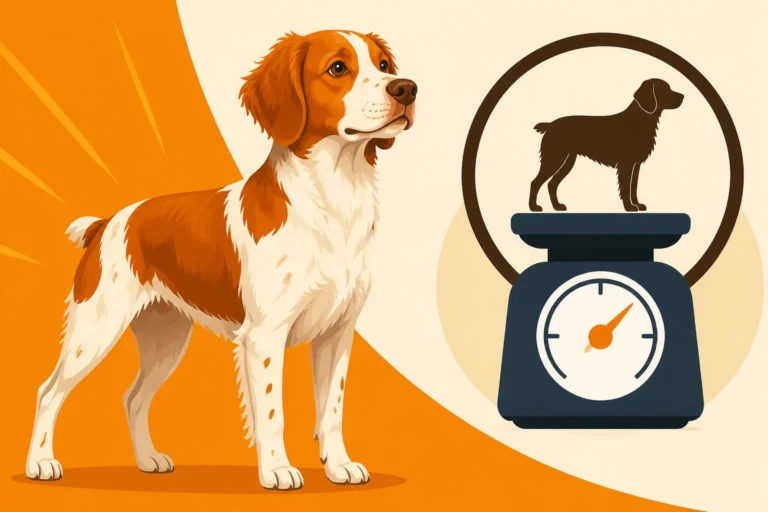
One of the most important things you can do for your working Brittany is to regularly monitor their weight and body condition. It's not enough to just look at them; you need to feel them. Your Brittany should be lean, but not gaunt. You should be able to easily feel their ribs when you run your hands along their sides, but not see them prominently sticking out. Their waist should be evident when viewed from above, and they should have a tuck-up from their chest to their belly when viewed from the side. This ideal body condition allows for maximum performance and reduces strain on joints. I've found that checking my Brittany's ribs every few days, especially during heavy hunting periods, helps me stay on top of any changes. This method is often detailed when considering How to Feel a Brittany's Ribs.
If your Brittany starts to drop weight quickly, it's a clear sign they're not getting enough calories. You'll need to increase their food intake, potentially by adding an extra meal or boosting the caloric density of their existing meals. Conversely, if they start to get a little chunky – rare for a working Brittany in season, but possible – you might need to slightly reduce portions or increase exercise on non-hunting days. Remember that every dog is an individual. What works for one Brittany might not work perfectly for another. Factors like age, metabolism, and the intensity of their work all play a role. It's an ongoing adjustment, not a one-time fix. Whether a Brittany Should Be Lean or Covered is a common question, and the answer is usually lean and fit.
Hydration is Non-Negotiable
We've touched on it already, but it bears repeating: hydration is absolutely critical for a working Brittany. A dehydrated dog is a tired dog, a dog prone to muscle cramps, and a dog at risk of serious health issues, including heatstroke. Even on cooler days, the sheer amount of physical exertion can lead to significant fluid loss. Always carry ample fresh water for your dog in the field. Portable water bottles with attached bowls, or collapsible silicone bowls, are invaluable. Offer water frequently, especially during breaks and after long retrieves or runs. Don't assume your dog will find sufficient water in the field; natural water sources can be contaminated with bacteria like Giardia or Leptospirosis, or may simply not be available.
Signs of dehydration can include dry, tacky gums, sunken eyes, loss of skin elasticity (the skin on their neck or back doesn't snap back quickly when gently pinched), and decreased urination. If you notice any of these signs, get your dog to a cool, shady spot immediately and offer small amounts of water frequently. In severe cases, they might need veterinary attention. Proactive hydration is the best defense. Teach your Brittany to drink from a bottle or bowl early on so they are accustomed to it in the field. Ensuring they are well-hydrated before they even step out of the truck is a great starting point, and knowing How Much Water a Brittany Needs on a Hunt can help you plan.
Disclaimer
This article is for general informational purposes only and does not constitute professional advice. Laws, prices and regulations vary by location and change over time. Consult a qualified professional for guidance on your specific situation.