Deafness in an Aging Brittany
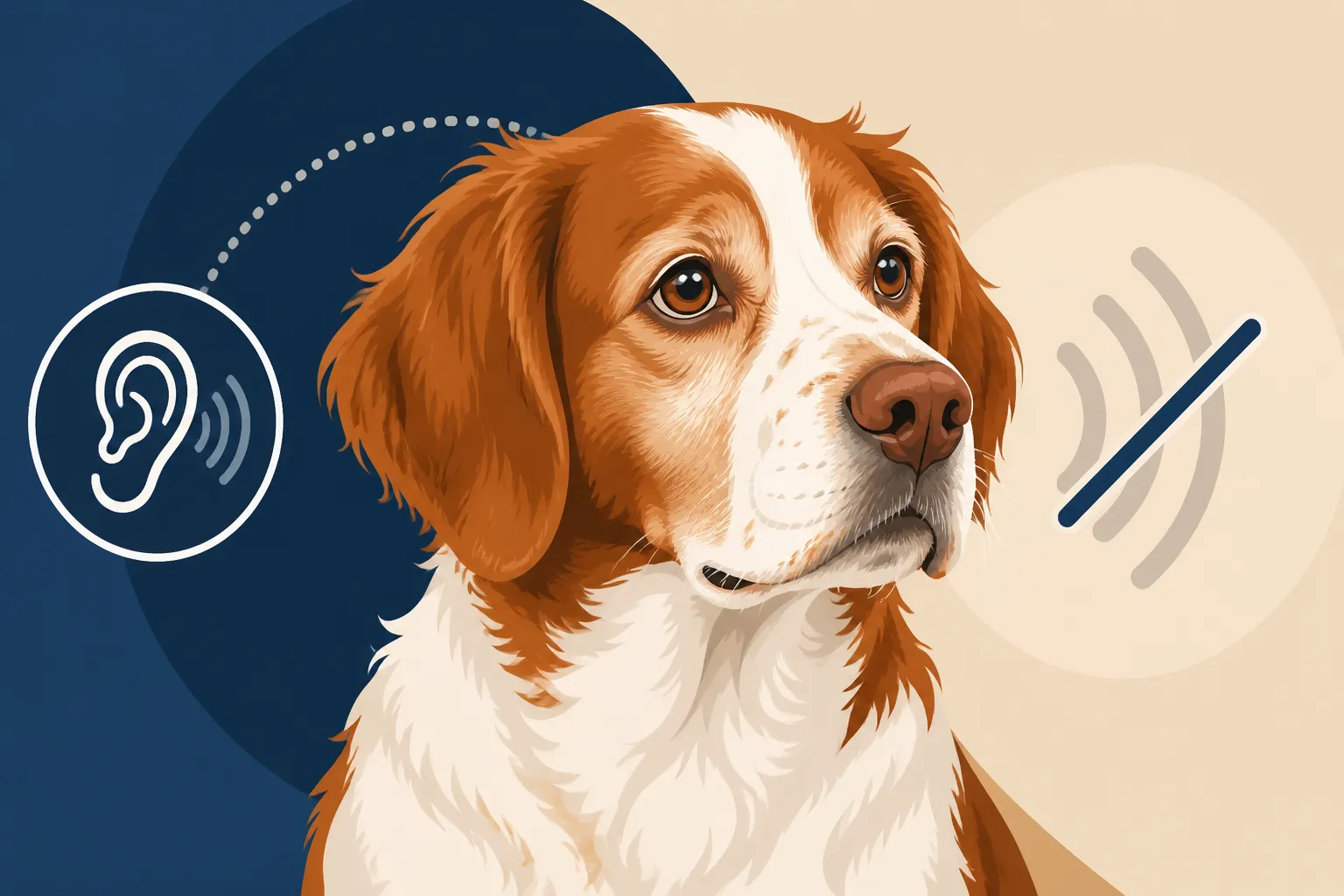
It’s a truly difficult moment when you realize your beloved Brittany isn't quite the same dog they once were. One of the most heartbreaking changes many of us face with our aging companions is the gradual, or sometimes sudden, loss of their hearing. They don't respond to their name, the jingle of keys, or even the loud clap that used to get their attention instantly. This can feel isolating for both you and your dog, impacting their safety, how you communicate, and their overall joy. This guide is here to offer a compassionate, in-depth look at deafness in aging Brittanys, helping you understand its causes, recognize the often-subtle signs, and adapt your life together so your senior companion can continue to thrive, feeling secure and loved in their golden years.
Understanding Why Hearing Fades in Older Brittanys
Watching your spirited Brittany, who once responded to every rustle of leaves and distant bird call, gradually lose their keen sense of hearing can be incredibly tough. It’s not just a sign of age, though that's certainly a primary factor; it can also be a symptom of underlying health issues or even environmental impacts. Understanding the root causes can help you better manage the situation and provide the best care.
The Natural Progression of Age-Related Hearing Loss (Presbycusis)
Just like humans, dogs experience a natural decline in their senses as they get older. This age-related hearing loss, medically known as presbycusis, is one of the most common reasons an older Brittany might start missing your calls or seems to "ignore" you. It's a progressive, irreversible process that typically affects both ears, though not necessarily at the same rate. The delicate structures within the inner ear, responsible for transmitting sound vibrations to the brain, simply start to wear down and function less efficiently over time.
This isn't a sudden event; it's a slow fade. You might first notice your Brittany doesn't hear high-pitched sounds as well, like a whistle or the crinkle of a treat bag. Over months or even years, lower-pitched sounds also become harder for them to discern. It's a frustrating experience for them, too, as they try to interpret a world that's becoming quieter and less informative. This gradual decline is just a part of What Changes in a Brittany After Ten, and it's something many senior dog owners eventually encounter. It’s important not to assume your dog is being stubborn, but rather to recognize this as a physiological change.
Other Health Conditions That Can Contribute to Deafness
While age is a major player, it’s crucial to remember that not all hearing loss in older Brittanys is solely due to presbycusis. Other health issues can either cause or exacerbate deafness. Chronic ear infections, for instance, are a persistent problem for many Brittanys, known for their drop ears which can trap moisture and debris. Repeated infections can lead to scarring, thickening of the ear canal, or even damage to the eardrum and middle ear structures, significantly impairing hearing. If your Brittany has a history of ear issues, it’s worth discussing this with your vet.
Beyond infections, certain systemic diseases can also impact hearing. Conditions like hypothyroidism, for example, can affect various body systems, including nerve function, which might contribute to hearing decline. Tumors in the ear canal or brain, although less common, could also cause hearing loss by physically blocking sound or pressing on auditory nerves. Even severe head trauma, if it occurred earlier in life, could manifest as worsening hearing problems in old age. Regular veterinary check-ups, especially as your Brittany enters its senior years, are vital for catching these underlying issues. To learn more about general care for an older dog, you can read our guide on Caring for a Brittany Past Ten.
The Impact of Medications and Environmental Factors
Sometimes, medications prescribed for other age-related conditions can have an unfortunate side effect on hearing. Certain antibiotics, especially specific types used to treat severe infections, are known to be ototoxic, meaning they can damage the delicate structures of the inner ear. While veterinarians are typically very careful with these medications, it’s always a good idea to discuss all potential side effects, including hearing loss, when your senior Brittany is prescribed new drugs. Additionally, some diuretics and chemotherapy agents can also impact auditory function.
Environmental factors, though less common for progressive deafness, can play a role. Prolonged exposure to extremely loud noises, such as frequent unprotected gunshots without proper conditioning and ear protection, could theoretically contribute to hearing damage over a Brittany’s lifetime, similar to how it affects humans. While a Brittany's ears are somewhat protected by their flap, chronic, excessive noise is never ideal. It's a gentle reminder that even seemingly minor things can contribute to overall health decline as they reach The Age a Brittany Is Considered Senior.
Recognizing the Subtle and Overt Signs of Hearing Loss
It can be difficult to pinpoint exactly when hearing loss begins in your Brittany, as they are masters at adapting and often hide discomfort or changes. However, once you know what to look for, you'll start to notice the signs, ranging from subtle shifts in behavior to more obvious communication breakdowns. Early recognition allows you to adjust your routines and help your dog navigate this new phase of life with confidence.
Behavioral Changes That Hint at Fading Hearing
One of the first things you might notice is that your Brittany seems less responsive. They might not greet you at the door when you come home, or they might sleep through sounds that used to rouse them instantly, like the doorbell or the cat knocking something off a shelf. You might find yourself having to speak louder or clap your hands to get their attention, only to have them look surprised when they finally register your presence. This isn't stubbornness; it's genuine difficulty processing auditory cues.
They may also start to appear more anxious or easily startled, especially if you approach them from behind or while they're sleeping. Imagine their world suddenly becoming silent, and then a hand unexpectedly touches them – it can be quite alarming. Some Brittanys might even start barking more, seemingly without reason, as they try to compensate for their inability to hear environmental sounds or to get attention in a different way. Conversely, some might become more withdrawn or clingy, relying more on their other senses and staying closer to you for reassurance. Knowing How a Brittany Hides Pain can help you interpret these subtle shifts.
Communication Challenges and Misunderstandings
Communication breakdowns are often the most frustrating aspect of hearing loss for both dog and owner. Commands that your Brittany knew perfectly, like "sit," "stay," or "come," might now go unheeded, leading you to believe they're simply being disobedient. This can create tension and misunderstanding, when in reality, your dog simply didn't hear you. Voice modulation, changes in tone, or even specific words might be completely lost on them.
You might find yourself repeatedly calling their name with no response, only for them to look up suddenly when they see you waving or stomping your foot. Mealtime is another tell-tale sign; if the clatter of their food bowl or the call to "dinner!" no longer brings them running, hearing loss is a strong possibility. These challenges highlight the need to adapt your communication style, moving towards more visual cues, which we'll discuss later.
Safety Concerns and Environmental Awareness
The biggest concern with hearing loss is often safety. A deaf Brittany can't hear an approaching car, a bicycle, or even another dog warning them away. This makes off-leash activities, especially in unfenced areas or near roads, incredibly dangerous. They also can't hear smoke alarms, carbon monoxide detectors, or even you yelling at them to stop if they're about to get into trouble.
At home, they might startle more easily, which can lead to accidental nips if they're surprised. Their awareness of their surroundings diminishes significantly. They might not hear a delivery person at the door, or they might walk into a room where you are without realizing it, causing both of you a jolt. Therefore, monitoring your Brittany's environment becomes a much more critical task, as their primary auditory warning system is compromised.
Here’s a quick overview of some signs to watch for:
| Category | Normal Hearing Brittany | Brittany with Hearing Loss |
|---|---|---|
| Responsiveness | Reacts to name, doorbell, commands. | Doesn't respond unless close, startled by touch. |
| Sleep Patterns | Wakes to common household sounds. | Sleeps through loud noises, difficult to rouse. |
| Vocalization | Barks appropriately at stimuli. | May bark excessively or less, unable to modulate volume. |
| Interaction | Acknowledges presence with a glance or tail wag. | Appears surprised when approached from behind. |
| Environmental Cues | Orients to sounds (e.g., car, treats bag). | Shows no reaction to familiar sounds. |
| Training Response | Follows verbal commands readily. | Ignores verbal commands, requires visual cues. |
| Startle Reflex | Minimal startling to expected touch. | Jumps or growls when touched unexpectedly. |
Adapting Your Home and Routine for a Deaf Brittany
Discovering your Brittany is losing their hearing can feel overwhelming, but it's far from the end of their happy life. With some thoughtful adjustments to your communication and home environment, you can help them navigate their world with confidence and joy. It’s all about switching gears and focusing on their other keen senses.
Enhancing Communication Through Visual Cues and Touch
Since verbal commands are no longer reliable, it's time to become a master of non-verbal communication. Visual cues, or hand signals, will become your primary language. If your Brittany already knows some hand signals from puppyhood training, you’re ahead of the game! If not, it’s a great time to start teaching them. Use clear, consistent hand gestures for common commands like "sit," "stay," "come," "down," and even for asking if they want to go outside or eat. Pair these gestures with rewards like treats or praise to reinforce the learning. Patience is key, as they are learning a whole new way to understand you.
Touch also becomes incredibly important. A gentle tap on the shoulder can be a "come" signal, or a light touch on their back could be a "stay." Vibrating collars, which provide a silent, harmless vibration rather than a shock, can be very effective for getting your dog's attention, especially when they are farther away. This isn't an e-collar for correction, but purely for notification. Many owners use a specific vibration pattern to signal "look at me," then follow up with a hand signal. You'll find that your Brittany will become much more attuned to your body language and subtle movements, creating an even deeper bond between you.
Creating a Safer and More Predictable Environment
The biggest immediate concern with a deaf Brittany is safety, particularly outdoors. A fenced yard is no longer a luxury but a necessity if you want to allow them off-leash time. Even then, supervision is crucial. When walking outside the yard, always keep your Brittany on a leash. Since they can't hear approaching dangers like cars or other dogs, a long lead or even a GPS collar can provide extra security and peace of mind. Consider adding a reflective vest or harness, especially if you walk in low light, to make them more visible to others.
Inside the home, try to maintain a consistent routine. Predictability helps reduce anxiety in dogs who can’t hear. Don't move furniture around too frequently, and always approach your sleeping or unaware Brittany from the front, gently touching their shoulder or stomping your foot lightly to create vibrations they can feel before you reach out to them. This prevents startling them, which could lead to an accidental snap or growl. Place their bed in a quiet, undisturbed area where they won't be surprised by sudden movements. If you have guests, educate them on how to interact with your deaf dog safely.
Maintaining Mental and Physical Stimulation
Just because your Brittany can't hear doesn't mean they've lost their zest for life or their need for engagement. Brittanys are intelligent, active dogs who still require plenty of mental and physical stimulation to prevent boredom and maintain their well-being, even as they age. Continue with regular walks, adjusting the intensity as needed, especially if your dog is experiencing other age-related issues like arthritis or slowing down. Remember, Whether an Aging Brittany Still Wants to Hunt is a question many owners ask, and while their physical capabilities might decline, their drive often remains.
Engage their other senses! Scent work, for example, is fantastic for a deaf dog. Hide treats around the house or yard and let their powerful nose do the work. Puzzle toys that dispense treats when manipulated can provide hours of mental challenge. Visual games, like chasing a laser pointer or a ball, are also great for exercise and fun. Continuing to train them with new tricks using hand signals keeps their minds sharp. A fulfilled, stimulated deaf Brittany is a happy Brittany, showing that their quality of life remains high despite their hearing loss.
When to Seek Veterinary Guidance and What to Expect
If you suspect your Brittany is experiencing hearing loss, or if the changes are sudden or severe, a trip to the veterinarian is definitely in order. They can help you understand the extent of the problem, rule out treatable causes, and provide advice on managing life with a deaf senior dog. It’s an essential part of wellness exams (How Often a Brittany Needs a Wellness Exam) as they get older.
Diagnosing Hearing Loss and Ruling Out Other Issues
When you bring your Brittany in, your vet will start with a thorough physical examination, paying close attention to their ears. They’ll look for signs of infection, inflammation, foreign objects, or excessive wax buildup, all of which can be treatable causes of temporary or partial hearing loss. Sometimes, simply cleaning out a heavily waxed ear canal can significantly improve hearing. They'll also check for any growths or tumors within the ear canal.
If the physical exam doesn't reveal an obvious cause, your vet might recommend more advanced diagnostics. A comprehensive blood panel can help rule out underlying conditions like hypothyroidism, which can contribute to sensory decline. In some cases, especially if neurological issues are suspected, an MRI might be suggested to look for brain tumors or other structural abnormalities, although this is usually a last resort due to cost and the need for anesthesia. Your vet might also perform basic hearing tests, like making sounds outside their line of sight, but definitive diagnosis often requires specialized audiology tests like a BAER (Brainstem Auditory Evoked Response) test, which measures the electrical activity in the brain in response to sound. While not always readily available at every clinic, a referral might be an option.
Supportive Care and Potential Management Options
For age-related hearing loss (presbycusis), there isn't a "cure" to restore full hearing. However, supportive care focuses on making life easier for your dog and for you. This often involves the environmental and communication adjustments we've already discussed. Your vet might also discuss diet and supplements that support overall brain health and reduce inflammation, which can indirectly benefit aging senses. This can be part of the broader discussion around What a Brittany's Yearly Bloodwork Should Cover and supplements for aging dogs.
If an underlying condition like chronic ear infections is contributing, your vet will focus on treating that aggressively. This might involve special ear cleaners, topical medications, or even oral antibiotics or antifungals. For certain types of ear canal thickening or tumors, surgery might be an option, but this is evaluated on a case-by-case basis, considering the age and overall health of your Brittany. In very rare instances, dogs can be fitted with hearing aids, though these are not commonly used and require significant commitment from the owner. Remember, many older Brittanys might also be on What an Aging Brittany's Medication Costs for other issues, so ensuring all medications work together without adverse effects is crucial.
Financial Considerations and Pet Insurance Support
The cost of diagnosing and managing hearing loss can vary widely depending on the cause and the recommended treatments. Basic vet visits and ear cleanings are relatively inexpensive, but specialized tests like BAER tests, MRIs, or surgeries can quickly add up. For example, treating persistent ear infections or growths might involve ongoing medication or even surgical procedures, which can be a significant expense. If your Brittany requires dental work (What a Brittany's Dental Costs) and other senior care procedures alongside hearing management, the total can become substantial.
This is where pet insurance can truly be a lifesaver. Providers like Healthy Paws often cover a significant portion of diagnostic tests, specialist visits, and medical treatments for conditions like chronic ear infections or age-related illnesses, provided they aren't pre-existing conditions. While pet insurance typically doesn't cover routine wellness exams, it can certainly help mitigate the financial impact of unexpected health issues or chronic conditions that emerge as your Brittany ages. Having a plan like Healthy Paws can give you the freedom to choose the best course of action for your beloved companion without the added stress of overwhelming bills. It’s something to consider when you think about What a Brittany Costs Over Its Lifetime.
Disclaimer
This article is for general informational purposes only and does not constitute professional advice. Laws, prices and regulations vary by location and change over time. Consult a qualified professional for guidance on your specific situation.