Whether the Brittany Appears in Old Paintings
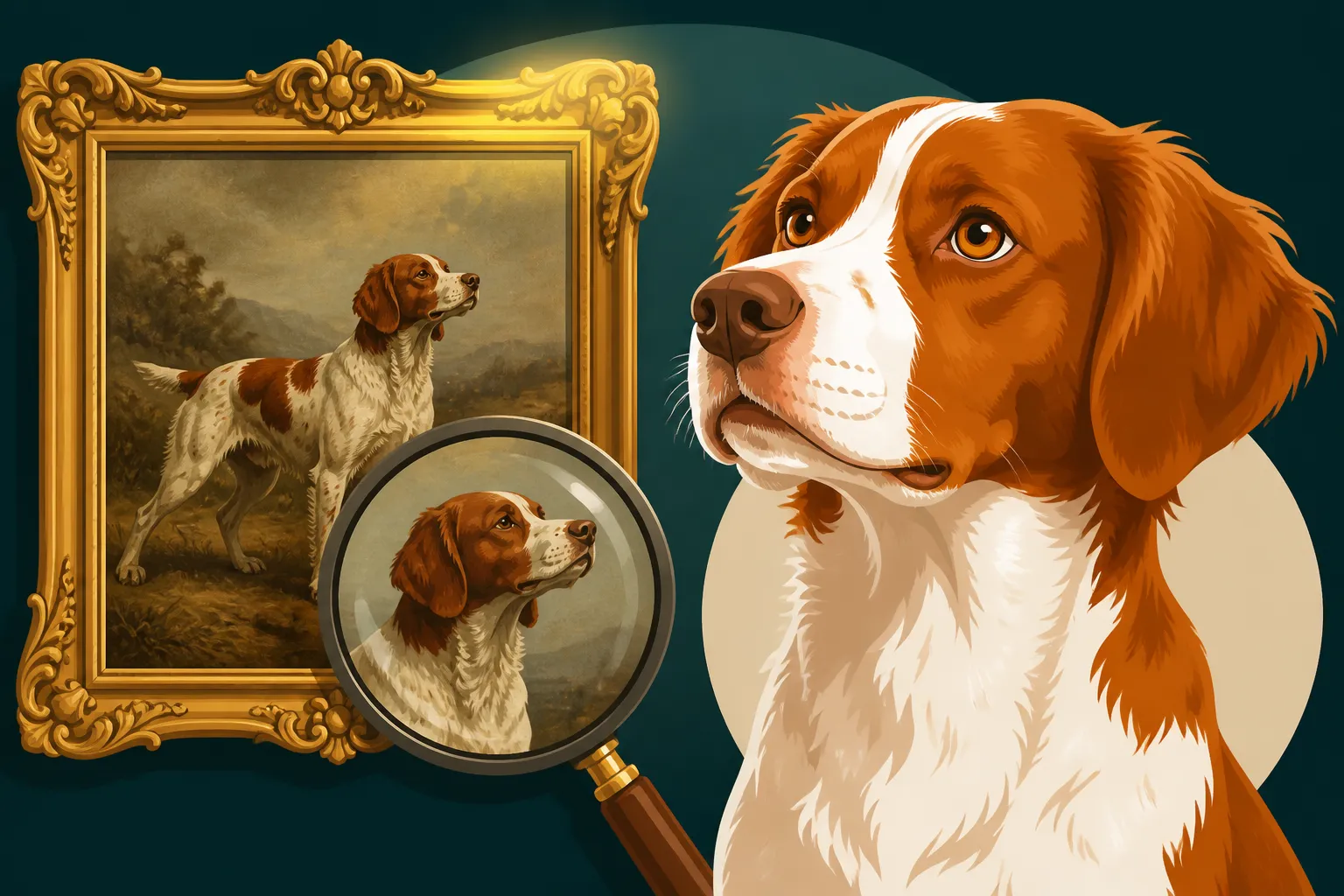
It's completely natural to look at a beloved dog breed and wonder about its history. We see our Brittanys prancing around, full of life and bird drive, and can't help but picture their ancestors. Many of us find ourselves gazing at old paintings, hoping to catch a glimpse of a familiar orange and white coat or that distinctive pointing stance. It can be a little frustrating when you’re scrolling through art history books or visiting a museum, keenly searching for an undeniable Brittany, only to find dogs that are similar but not quite it. This guide will explore whether the Brittany, as we know it, truly appears in old paintings, delving into the fascinating and often ambiguous world of canine art history.
Tracing Canine Ancestry Through Art: A Challenge for Enthusiasts
When we think about "old paintings," we often conjure images from centuries past, well before modern dog breeds were formally established. This makes the quest for an exact depiction of a Brittany quite challenging, akin to finding a specific vintage of wine before vineyards had formal appellations.
Why Early Depictions Are Often Vague
Back in the day, say, the 16th or 17th century, people didn't have breed standards like we do today. Dogs were bred for function: hunting, guarding, herding, or companionship. An artist painting a hunting scene would depict a "hunting dog" – one that looked fit for purpose, maybe with a certain ear set or coat type, but not necessarily adhering to a strict physical blueprint. It wasn't about representing a specific breed as much as capturing the essence of a working animal.
For instance, you might see a painting with a small, energetic spaniel-type dog, possibly with white and red markings, poised intently in a field. Your heart might leap, thinking, "That's it! That's a Brittany!" But without a formal breed club or written standard, it's really just speculation. Dogs were often named descriptively, like "bird dog" or "water dog," rather than by a specific breed name. The concept of the Brittany as a distinct, standardized breed is relatively modern, really only taking shape in the late 19th and early 20th centuries. When the Brittany Standard Was Written in France certainly wasn't in the Renaissance! So, while the type of dog that led to the Brittany undoubtedly existed, pinpointing it exactly in older art is like trying to catch smoke.
The Importance of Regional Working Dogs
To understand if a "Brittany" might appear in old art, we have to look at Where the Brittany Comes From: the northwestern corner of France, the region of Brittany. This area was historically known for its small, rugged, and highly effective pointing dogs. These dogs weren't necessarily recognized across Europe as a distinct "breed" but were simply the local working dogs, invaluable to the common hunter. They needed to be agile, intelligent, and possess a keen nose to track game in varied terrain.
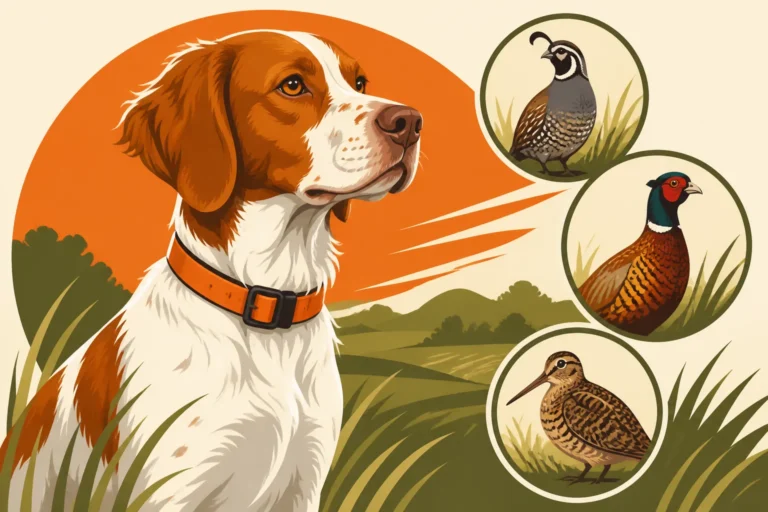
Imagine a farmer or a villager in rural Brittany hundreds of years ago. Their dog wasn't just a pet; it was a crucial partner in putting food on the table. These dogs were bred for their hunting prowess, for their ability to point game and retrieve downed birds. Characteristics like size, coat color, and general conformation would naturally evolve within this region to best suit the local hunting conditions. It stands to reason that any art depicting hunting scenes from this specific region might feature dogs that bear a strong resemblance to the early progenitors of our modern Brittanys. These dogs were literally bred for generations to do What the Brittany Was Bred to Hunt. While not yet a recognized "breed," the genetic material and the functional characteristics that would eventually define the Brittany were certainly present in these regional working dogs.
Are There Brittany-Like Dogs in Historical European Art?
While finding a definitive "Brittany" in a 17th-century painting is tough, we can certainly find dogs that represent the ancestral types from which the Brittany, and many other pointing and spaniel breeds, emerged.
Looking for "Spaniel" Type Dogs in Renaissance and Baroque Art
Many old European paintings, particularly those depicting hunting scenes or pastoral settings, feature dogs that fall under the broad category of "spaniel" or "bird dog." These dogs often share some physical traits that make us do a double-take. They might be of compact to medium size, with droopy ears, intelligent eyes, and a keen, attentive posture. Some might even be depicted in a pointing stance, a behavior that is deeply ingrained in the Brittany's DNA. The Brittany Points, It Does Not Flush, after all, is a defining trait. Their coat colors, too, often feature white with patches of red, orange, or liver, similar to what we see in today's Brittanys.
For instance, Dutch Golden Age paintings often show a variety of dogs. While many are clearly larger hounds or specific types like Pointers, you'll sometimes spot smaller, lively dogs that could easily be distant cousins. These dogs were typically efficient hunting companions, prized for their ability to flush or point game. The challenge is that these ancestral dogs were a melting pot; they shared characteristics with many other emerging breeds. You might see a dog that looks a bit like a Brittany, a bit like a Cocker Spaniel, or even a smaller Setter. It highlights the fact that Which Breeds Went Into the Brittany involved a diverse genetic heritage before the breed was standardized.
The Challenge of Identification Without Formal Records
The main hurdle in identifying a Brittany in old art is the lack of formal records and breed recognition during those periods. When you look at a painting from, say, the 1700s, there's no official Kennel Club to refer to. The dogs were simply "dogs." Breed names as we understand them today, with specific standards for appearance and temperament, didn't exist. So, while you might see a dog that resembles a modern Brittany, it's historically inaccurate to label it as such. It would be more accurate to say it's a dog that displays characteristics similar to the ancestral stock of the Brittany.
Think of it this way: if you saw an ancient painting of a horse, you might say it looks like an Arabian, but you couldn't definitively say it is an Arabian horse from a specific lineage unless the artist or historical records explicitly stated it, which is rare. The same applies to dogs. How Old the Brittany Breed Is compared to the age of many of these paintings tells us that the Brittany as a distinct breed arrived much later. We can appreciate the artistic depiction of a skilled bird dog, and certainly recognize traits that have carried through generations to our modern Brittanys, but definitive identification remains elusive. This is why when the first Brittany was recorded, it was a significant step in the breed's history. When the First Brittany Was Recorded marks the beginning of its documented journey, much later than many of the "old paintings" we scrutinize.
The Brittany's More Documented Beginnings: 19th and Early 20th Century
While paintings from earlier centuries offer only tantalizing glimpses of Brittany-like dogs, the situation changes dramatically as we move into the 19th and especially the early 20th centuries. This was the era when breed clubs were forming, standards were being written, and dog shows were gaining popularity.
The Emergence of the Modern Brittany
The late 1800s and early 1900s are truly when the Brittany, as a distinct and recognizable breed, began to emerge and solidify. Farmers and hunters in the Brittany region of France began to systematically breed their local pointing spaniels, refining their characteristics. This intentional breeding led to a more consistent type, both in appearance and in hunting ability. It was during this period that the first breed standard was established in France, providing a blueprint for what a Brittany should look like and how it should perform.
Once a breed standard exists, artists and illustrators have a clear reference point. So, if you're looking at paintings or, more commonly, illustrations from the late 19th and early 20th centuries, you are much more likely to see dogs that are undeniably Brittanys. These depictions would show the classic orange and white or liver and white coats, the compact yet muscular build, and that unmistakable intense gaze on point. This period marks a shift from vague "spaniel types" to precise representations of the breed. It also explains why the AKC eventually dropped "Spaniel" from the name, recognizing its unique pointing traits. Why the AKC Dropped Spaniel From the Brittany's Name in 1982 was a formal acknowledgement of the breed's distinct identity, long after its initial emergence.
Early Photography and Illustrated Publications
As we move into the 20th century, photography became more widespread, offering an even clearer visual record of the burgeoning dog breeds. Beyond paintings, you'll find early photographs and detailed illustrations in breed books, sporting magazines, and kennel club publications that leave no doubt as to the subject's identity. These visual archives are treasure troves for anyone researching the Brittany's history, as they show the breed developing and evolving into the dog we know today.
These publications often included descriptions of What a Brittany's Temperament Is Really Like and detailed analyses of their hunting style, differentiating them from other breeds like setters. They discussed things like how far An American Brittany Ranges Wide and a French One Stays Close and the specific nuances of their pointing style. Such detailed visual and textual records provide a much more reliable source for confirming the presence of Brittanys than the more ambiguous art of earlier centuries. You might even find historical advertisements or articles from companies like Chewy's predecessors, showcasing these remarkable hunting dogs.
The Legacy of the Brittany in Visual Culture
The journey through historical art to find the Brittany isn't just an academic exercise; it's a way for us, as Brittany owners and enthusiasts, to connect with the deep roots of our beloved dogs.
Why the Question Matters to Brittany Owners
There's a deep satisfaction in understanding the heritage of our companions. For many of us, our Brittanys aren't just pets; they're family members with a rich, storied past. When we ask "Whether the Brittany Appears in Old Paintings," we're really asking about the origins of their spirit, their drive, and their unique place in canine history. It’s a testament to their enduring appeal that people are still interested in their visual lineage. We want to see those familiar amber eyes or that classic orange roan coat in a piece of history, validating the breed's long-standing role as a partner in the field.
This curiosity also helps us appreciate the efforts of those early breeders who, through careful selection, honed the characteristics we cherish today. It allows us to understand that while the formal breed is relatively young, the type of dog it descends from – a compact, energetic bird dog – has been a valuable part of human life for centuries. You might even find a reproduction of an old print that hints at a Brittany ancestor, a charming piece of art to display in your home alongside your modern Brittany's portrait, perhaps found on a site like Chewy's art or decor section.
Modern Depictions and Continued Appreciation
Today, the Brittany is widely recognized and celebrated, both in the field and as a beloved family companion. Modern artists, photographers, and even advertisers regularly feature Brittanys, capturing their dynamic energy, their intense focus on a bird, or their gentle demeanor at home. These contemporary depictions are a direct continuation of that long visual history, evolving from the vague "spaniel types" of old paintings to the precise, vibrant images we see today.
The breed's unique blend of athleticism, intelligence, and affectionate nature continues to inspire. Whether it's a photo of a Brittany locked on point in a golden field or curled up peacefully on a rug, these images speak to the heart of what makes the breed so special. And as we continue to appreciate and document the Brittany through modern visual media, we are adding new chapters to its already rich historical narrative, ensuring that future generations will have plenty of "old paintings" and photographs to look back on and marvel at.
To help visualize the difference between general "spaniel types" and the emergence of the distinct Brittany, here's a quick comparison:
| Feature | "Proto-Brittany" (Old Paintings) | Modern Brittany (19th Century Onward) |
|---|---|---|
| Era | Pre-19th Century | Late 19th Century – Present |
| Breed Status | Regional working dog, not a formal breed | Standardized, recognized breed |
| Identification | Ambiguous; "spaniel-type," "bird dog" | Clear; distinct physical and behavioral traits |
| Visuals | Varied interpretations, general characteristics | Consistent appearance, adheres to breed standard |
| Purpose | Local hunting utility, companionship | Versatile gun dog (pointing, retrieving), companion |
| Tail | Often full tail, bobtail less common/documented | Often naturally bobtailed or docked |
| Coat Colors | Often white with red/orange/liver patches | White with orange, liver, roan, tricolor |
This comparison underscores why a definitive identification of a "Brittany" in very old paintings is historically unlikely, but also highlights the journey the breed has taken to become the cherished dog we know and love today. You can certainly see the heritage, even if the precise label wasn't applied.
Disclaimer
This article is for general informational purposes only and does not constitute professional advice. Laws, prices and regulations vary by location and change over time. Consult a qualified professional for guidance on your specific situation.