Which Breeds Went Into the Brittany
It can be incredibly frustrating to hear snippets of history about your beloved Brittany Spaniel, like "they used to be called Brittany Spaniels" or "they have setter blood," and not get the full, cohesive story. You want to understand the origins of this amazing dog, to know which breeds truly contributed to the intelligent, driven, and affectionate companion you share your life with. This guide aims to pull back the curtain on the Brittany's fascinating lineage, exploring the historical tapestry of dogs that likely wove together to create the breed we know and love today.
The Indigenous Dogs of Brittany: A Foundation for the Future
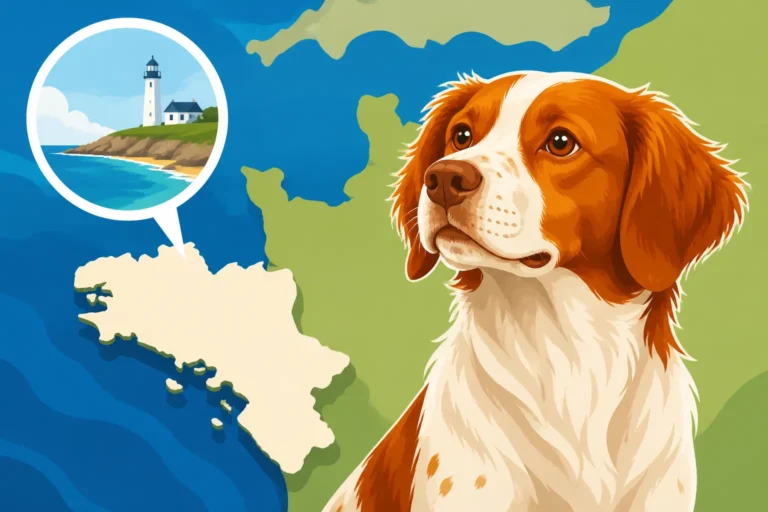
Before the concept of formalized dog breeds took hold, every region had its own type of working dog, shaped by local needs and environment. The northwestern corner of France, known as Brittany, was no different. For centuries, this region was home to a variety of small, nimble dogs used by peasants and poachers alike for hunting small game and birds. These were not "breeds" in the modern sense, but rather a functional landrace – a population of dogs that shared common traits due to their specific environment and purpose, rather than a strict pedigree.
The Original Brittany Type: Hardy and Versatile
Imagine a time when hunting was less about sport and more about putting food on the table. The dogs of Brittany needed to be versatile, able to work dense cover, find game, and retrieve it quietly, often under the cover of darkness to avoid detection by gamekeepers. These local dogs were likely medium-sized, agile, and possessed a natural instinct to find and point birds. They were hardy, accustomed to the rugged terrain and varied weather of their homeland, and intelligent enough to work closely with their human partners. This practical utility was paramount, and it laid the groundwork for the modern Brittany's enduring traits of biddability and excellent bird sense.
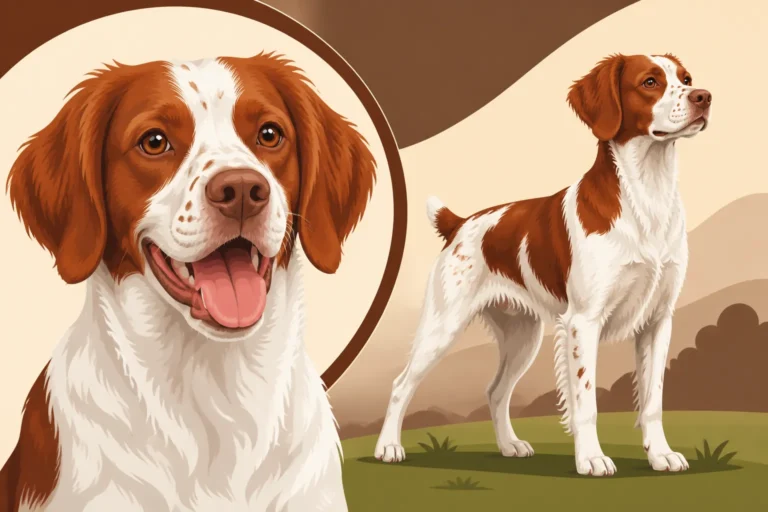
These early dogs were likely quite varied in appearance, but generally possessed the compact build, keen nose, and energetic temperament that we still see in Brittanys today. They weren't bred for a specific coat color or tail length; rather, they were selected for their hunting prowess and ability to adapt. Their primary role was to assist their owners in securing game, making them an indispensable part of daily life.
Visual Evidence from the Past: Glimpses of Early Brittanys
While formal breed records are a relatively recent invention, we can glean insights into the Brittany's ancestors from historical artwork. Old paintings and tapestries from the 17th and 18th centuries, particularly those depicting rural French life and hunting scenes, often feature small, active dogs that bear a striking resemblance to what we now recognize as the Brittany. These dogs are typically shown with docked or naturally short tails, medium-length coats, and an attentive, intelligent expression.
One notable example often cited is a painting by Jean-Baptiste Oudry from the 1700s, which depicts a hunting scene with dogs very similar in type to the modern Brittany. These artistic representations suggest that the basic physical characteristics and working style of the Brittany type dog have been present in the region for centuries. They confirm that a specific "look" and functionality were already established long before any formal breed club existed. It's fascinating to think that the dogs romping through those ancient landscapes carried the same spirit as the Brittany curled up on your couch or hunting pheasants out in the field today. You can learn more about this visual history in Which Seventeenth Century Painting Shows a Brittany Type Dog.
The Influx of English Sporting Dogs: Refining the Point
The 19th century saw a significant shift in dog breeding, largely driven by English sportsmen who began to formalize breeds and establish breeding programs. As these hunters traveled to the Continent, particularly to regions like Brittany known for their abundant game, they often brought their own well-bred English pointers and setters with them.
English Setters and Pointers: Lending Their Genes
The theory goes that these English dogs, known for their refined pointing abilities and wide-ranging searches, were sometimes left behind or interbred with the local Brittany landrace dogs. The goal was to infuse the local French dogs with the exceptional scenting and pointing instincts that the English breeds had been meticulously developed for. This crossbreeding would have introduced a more consistent and refined pointing style, building upon the natural abilities of the indigenous Brittany dogs.
The English Setter, with its elegant feathering and staunch point, and the English Pointer, renowned for its athletic build and focused intensity, were prime candidates for this genetic exchange. These introductions would have helped standardize the bird-finding abilities and potentially influenced the coat texture and body structure that we associate with the Brittany today. It’s a classic example of crossbreeding to enhance desired traits, a practice common long before DNA testing. This period of intermixing contributed significantly to shaping the Brittany from a general-purpose hunting dog into a specialized pointing breed. Many argue that Whether an English Setter Is in the Brittany is a key question to understanding the breed's development.
The Development of a Stanch Point: A Game-Changer
One of the most defining characteristics of the modern Brittany is its natural, staunch point. While the indigenous dogs of Brittany undoubtedly pointed, the influence of English pointers and setters likely helped to solidify and refine this behavior. These English breeds were specifically developed to hold a point, allowing hunters to approach the game. This made for more effective and efficient hunting, especially in open fields where flushing birds prematurely would mean lost opportunities.
The result of this crossbreeding was a dog that combined the hardiness and keen intelligence of the local Brittany dogs with the exceptional pointing prowess of the English imports. It was a potent combination that quickly gained favor among hunters. This refinement meant a dog that didn't just find birds but held them reliably, making the Brittany an even more valuable asset in the field. This also set the stage for the breed to be grouped with other pointing breeds, rather than spaniels, despite its original "spaniel" moniker.
Continental European Connections: A Broader Family Tree
While the English influence is often highlighted, it's also important to consider the broader context of dog breeding across continental Europe. Travel and trade meant that various types of hunting dogs were moving between regions, and it's plausible that other European breeds, particularly other spaniels and pointing dogs, also played a role in the Brittany's genetic heritage.
Other Spaniels and Pointing Dogs: A Melting Pot of Traits
Think of the variety of continental pointing and flushing dogs that existed at the time – breeds like the Picardy Spaniel, the Pont-Audemer Spaniel, or even early versions of German Shorthaired Pointers. While not as heavily documented as the English influence, it's entirely conceivable that some of these dogs, sharing similar functions and physical traits with the local Brittany dogs, also contributed to the genetic mix. The lines between what we now call distinct breeds were much blurrier then, with local variations being the norm.
These continental dogs could have reinforced certain desirable traits like scenting ability, a cooperative nature, or even specific physical attributes like ear set or coat texture. It was a period of informal genetic exchange, where the best local dogs were bred to those that demonstrated superior hunting capabilities, regardless of strict "breed" definitions. This rich, undocumented history of mixed ancestry is a common theme in the development of many modern breeds.
The Quest for the Ideal Bird Dog: Local Selection and Crossbreeding
The overarching goal was always the creation of the most effective bird dog possible for the specific hunting conditions of Brittany. This meant a constant process of local selection and opportunistic crossbreeding. Farmers and hunters weren't consulting stud books; they were simply breeding their best hunting dog to another outstanding hunting dog, often from a neighboring village, regardless of its precise lineage.
This intensive, field-driven selection process prioritized traits like bird drive, intelligence, stamina, and an amenable temperament. A dog that couldn't perform in the field simply wouldn't be bred. This practical approach, focused on performance rather than appearance, allowed the "Brittany type" to emerge and solidify its reputation as a premier bird dog. This dedicated selection, coupled with the genetic infusions from other regions, refined the breed's instincts and capabilities over centuries. Even today, finding the right performance food from a retailer like Chewy for such an active dog is crucial for maintaining those traits.
The Formalization of the Breed: From Type to Standard
The true turning point for the Brittany came in the late 19th and early 20th centuries, as dog shows and breed clubs began to gain popularity. This era marked the transition from a regional landrace to a formally recognized breed with a written standard.
Early Efforts to Define the Brittany Standard
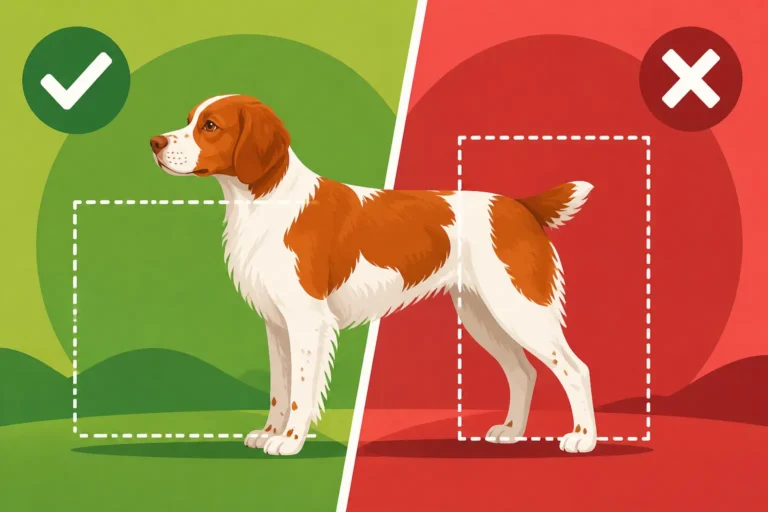
The first formal recognition of the Brittany as a distinct breed came in France in 1907 with the registration of a dog named "Boy." This event spurred local enthusiasts to establish a breed club and, crucially, to write down a breed standard. This standard aimed to describe the ideal physical characteristics and temperament of the Brittany, consolidating the traits that had been valued by hunters for generations. Initially, the standard allowed for a variety of colors and even a full tail, but it emphasized the square build, high-set ears, and intelligent expression that define the breed today.
This standardization process was vital for preserving the breed's unique qualities and ensuring its future. It provided a blueprint for breeders, guiding their efforts to produce consistent, high-quality Brittanys. This meticulous effort ensured that the functional traits were paired with a recognizable appearance. You can learn more about this in When the French Brittany Club Was Founded and When the Brittany Standard Was First Written.
The Brittany Spaniel Name and its Evolution
Interestingly, the early breed was officially known as the "Epagneul Breton," which translates to "Brittany Spaniel." The term "Epagneul" or "Spaniel" historically referred to dogs that were used to crouch or "span" (spring forward) when pointing game. It wasn't necessarily about their flushing retrieve style, as many spaniels are known for today. However, as the Brittany's staunch pointing ability became more emphasized, and its working style diverged from that of flushing spaniels, the "Spaniel" part of the name became a point of contention.
| Breed Characteristic | Early Brittany Type | English Setter/Pointer Influence | Modern Brittany |
|---|---|---|---|
| Origin | Northwestern France | England | France |
| Primary Use | All-around hunter | Specialized pointer | Versatile pointer |
| Pointing Style | Natural, less refined | Staunch, classic point | Staunch, classic point |
| Range | Variable, often close | Wide-ranging | Can be wide or close |
| Build | Hardy, utilitarian | Refined, athletic | Compact, muscular |
| Temperament | Biddable, intelligent | Focused, intense | Biddable, intelligent |
| Coat | Varied, medium | Feathered, fine | Medium, feathered |
In the United States, the AKC officially recognized the breed as the "Brittany Spaniel" in 1934. However, in 1982, they officially dropped "Spaniel" from the name, recognizing the breed's distinct pointing style which is more akin to setters and pointers than traditional spaniels. This change reflected the breed's true nature as a pointing dog. Despite the official name change, some still affectionately refer to them as "Brittany Spaniels," a nod to their historical roots. Understanding Why the AKC Dropped Spaniel From the Brittany's Name in 1982 helps clarify this historical distinction.
Dispelling Myths and Understanding the Brittany's Versatility
With any breed's long history, myths and misconceptions can arise. It's important to separate fact from speculation to truly appreciate the Brittany's heritage and its remarkable versatility.
"Poacher's Dog" Origins: Truth or Tale?
The idea that the Brittany was originally a "poacher's dog" is a fascinating part of its folklore, and there's definitely some truth to it. In historical Brittany, game was often reserved for the nobility, making hunting by commoners an illegal act – poaching. The small, quiet, and highly efficient local dogs were perfectly suited for this clandestine work. Their ability to find game discreetly, point it without flushing, and retrieve it without much fuss would have been invaluable to someone needing to avoid detection.
This narrative highlights the practicality and intelligence of the Brittany's ancestors. They weren't flashy, wide-ranging dogs meant for grand hunting parties; they were effective, close-working partners who understood the nuances of the hunt. This pragmatic origin story speaks volumes about the breed's intelligence and adaptability, traits that persist today. For a modern Brittany owner looking for quality food or toys, Chewy offers a wide selection, catering to dogs of any lineage, even those with a "poacher's dog" past.
The Brittany's Unique Blend: Not Just One Influence
It's tempting to try and pin down the Brittany's exact ancestral mix, but the reality is more nuanced. The Brittany isn't simply a "setter-spaniel cross" or a "miniature pointer." It's a unique blend, developed over centuries, where the contributions of various types of dogs were absorbed and refined by local selection pressures. The indigenous dogs provided the hardy foundation, while the English and continental influences likely added refinement to its pointing style and certain physical attributes.
What makes the Brittany truly special is this fusion. It retains the biddability and compact size often associated with some spaniels, yet it possesses the powerful pointing instinct and drive of a true setter or pointer. This unique combination has earned it the title of the "smallest of the versatile pointing breeds" and the incredible distinction of holding the record for the most Dual Champions in AKC history. This versatility means they can excel in both conformation shows and demanding field trials, a testament to their balanced heritage. The Brittany Holds the Dual Champion Record goes into this in more detail.
The Enduring Legacy: From Yesterday to Today
The path from the indigenous landrace dogs of Brittany to the celebrated breed we know today is a testament to natural selection, thoughtful breeding, and the enduring partnership between humans and dogs.
How Ancestry Shaped Modern Brittany Traits
Every trait we admire in the modern Brittany can be traced back to its ancestral roots. The incredible bird sense? A direct legacy of those early hunting dogs. The biddable nature and desire to please? Essential for working closely with humans, whether discreetly poaching or openly hunting. Their compact, muscular build? Perfect for navigating dense cover and maintaining stamina throughout a long hunt. Even the breed's intelligence and sensitivity, often described as a "soft" dog, likely stems from a history where harsh corrections were counterproductive to stealth and cooperation.
This rich genetic tapestry means that when you look at your Brittany, you're seeing centuries of intentional and unintentional breeding for performance. The breed's ability to quarter a field efficiently, transition from a fast run to a rock-solid point, and retrieve game softly is not accidental; it's the culmination of its diverse and dedicated heritage.
American Brittany vs. French Brittany: A Divergence in Path
Over time, particularly after the breed arrived in America, some distinctions emerged between the "American Brittany" and the "Epagneul Breton" (often referred to as the French Brittany). While they share a common ancestor, different breeding priorities on each continent led to subtle divergences. American breeders often favored a wider-ranging dog, suited for expansive open fields and horseback trials, while French breeders maintained a preference for a closer-working dog, ideal for foot hunting in smaller European territories.
Despite these differences, both types share the fundamental characteristics that define the Brittany: intelligence, bird drive, and a loving, energetic temperament. They both carry the genetic blueprint passed down from those initial indigenous dogs and the subsequent infusions from other pointing breeds. This divergence highlights how even within a shared ancestry, environmental and cultural factors can shape a breed's development. You can delve into this fascinating split further in American Brittany and Epagneul Breton Went Separate Ways. Ultimately, no matter if you have an American or French Brittany, finding specialized gear and food is easy through stores like Chewy.
So, while we may never have a definitive "family tree" with exact percentages of each contributing breed, the story of the Brittany's ancestry is a compelling narrative of adaptation, partnership, and the persistent pursuit of the perfect bird dog. It’s a heritage that makes our Brittanys truly special.
Disclaimer
This article is for general informational purposes only and does not constitute professional advice. Laws, prices and regulations vary by location and change over time. Consult a qualified professional for guidance on your specific situation.