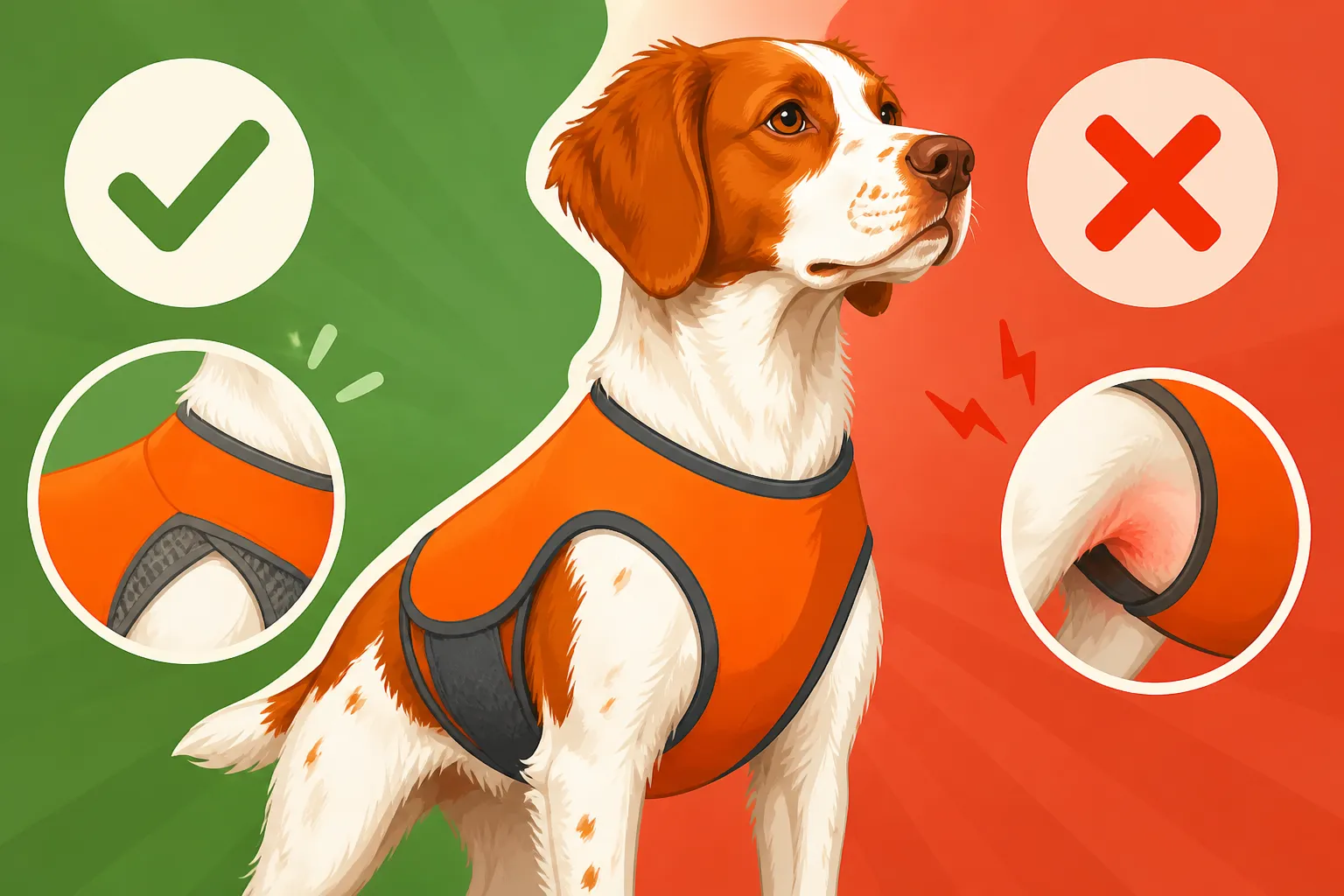
Whether a Brittany’s Vest Chafes
Oh, the sheer frustration of investing in what you think is the perfect piece of gear for your beloved Brittany, only to find it's causing more harm than good! Many of us spend a lot of time and money trying to outfit our dogs for comfort and protection in the field, especially when it comes to vests. It’s incredibly disheartening when that protective layer, meant to shield your dog from thorns and briars, ends up chafing their skin raw. This guide is all about understanding why a Brittany's vest might chafe, how to spot the signs, and, most importantly, how to prevent it so your hunting partner can stay happy and healthy out there.
The Unseen Enemy: Why a Vest Can Chafe Your Brittany
You buy a vest because you want to protect your Brittany. You want to keep those delicate flank areas safe from the sharp edges of cover, the biting cold, or even just to make them more visible to other hunters. But the very thing designed to protect can sometimes turn into an irritant. It’s a common worry, and one that deserves our full attention, because a chafed dog is a miserable dog, and a miserable dog isn't doing their best work in the field.
Why a Vest is Essential (Despite the Risks)
Let's be real: a vest serves a crucial purpose for our Brittanys. These aren't just fashion statements; they're essential gear for many working dogs. Think about the thick cover a Brittany dives into – dense briar patches, thorny bushes, tangled undergrowth. Without a vest, their skin is constantly exposed to scrapes, cuts, and punctures. Beyond physical protection, a good vest can offer thermal insulation in cold weather or buoyancy in water, making retrieves safer. And, of course, the bright colors often used in vests significantly improve visibility, which is vital when your dog is ranging far in dense terrain. A Brittany's Coat Is Low Maintenance Until It Hits Cover might be true for everyday life, but in the field, even that wonderful coat needs an assist.
However, this necessity doesn't erase the potential downside. The snug fit, the constant movement against the skin, and the materials themselves can all conspire to create friction. Add moisture, sweat, or even just wet fur from a dewy morning hunt, and you've got a recipe for irritation.
Understanding the Mechanics of Chafing
Chafing isn't just a rash; it's an injury. It occurs when skin repeatedly rubs against another surface – in this case, the vest – leading to friction, heat, and eventually, skin breakdown. Think about wearing ill-fitting shoes on a long hike; that's essentially what your Brittany might be experiencing.
Here's the breakdown:
- Friction: This is the primary culprit. Every stride your Brittany takes, every turn, every dive into cover, the vest moves. If it's not perfectly flush and smooth against the body, or if it moves too much, that rubbing starts.
- Moisture: This is a huge aggravator. Sweat, rain, dew, or water from a retrieve saturates the fur and skin, making it softer and far more susceptible to friction damage. A wet vest can also trap moisture against the skin, creating a damp environment where irritation thrives.
- Pressure Points: Certain areas on a Brittany are more prone to chafing because of their anatomy and how a vest sits. The armpits, the area behind the elbows, the chest, and the flanks are common hotspots. These are places where skin folds, or where the vest naturally has seams or edges that press more firmly.
How to Spot the Early Signs of Vest Chafing
Our Brittanys are tough, and they often hide discomfort, especially when they're focused on the hunt. That's why it's on us to be vigilant. After every single outing, whether it's a full day in the field or just a vigorous training session, you need to conduct a thorough check. What to Check on a Brittany After Every Outing is crucial, and paying special attention to areas under the vest is paramount.
Look for these tell-tale signs:
- Redness or Inflammation: This is usually the first visible sign. Gently part the fur around the vest lines, especially in the armpits, chest, and flanks. The skin might look pink, red, or even purplish.
- Hair Loss: Repeated friction can wear away the fur, leaving bald or sparse patches where the vest has rubbed.
- Moisture or Scabbing: If the chafing has progressed, you might see dampness, small raw spots, or even thin scabs forming. This is a clear indication that the skin barrier has been broken.
- Tenderness or Pain: Your Brittany might flinch, whimper, or pull away when you touch the affected areas. They might also show reluctance to move or jump, especially if the chafing is severe around the armpits.
- Excessive Licking or Chewing: If your dog is constantly licking, chewing, or scratching at an area, it's a strong signal that something is bothering them, and it could very well be vest-related irritation.
- Behavioral Changes: A dog in discomfort might seem less enthusiastic about hunting, more subdued, or even a little grumpy. While this could be many things, it's worth considering skin irritation if they've been wearing a vest.
Catching these signs early is key. A minor rub can quickly escalate into a painful infection if left unaddressed.
The Usual Suspects: Common Causes of Vest Chafing
It's not always the vest's fault entirely, but most of the time, the vest plays a central role. Pinpointing the exact reason can help you choose better gear and implement more effective preventative measures. From the fabric to the fit to the conditions, several factors conspire to create those nasty rubs.
Ill-Fitting Sizes and Shapes
This is, hands down, the most common reason for chafing. A vest that doesn't fit correctly is like a bad pair of shoes – it’s going to rub you in all the wrong places.
- Too Loose: A vest that's too big or too loose will shift and slide around your Brittany's body as they run, creating excessive friction. Imagine a shirt that's constantly bunching up under your armpits – annoying, right? For a dog covering miles in a hunt, this constant movement is a recipe for disaster. It allows abrasive contact over larger areas, rather than distributing pressure evenly.
- Too Tight: Conversely, a vest that's too tight will dig into the skin, causing pressure points and restricted movement. This is particularly problematic around the chest and armpits. If the material is stretched taut, it creates constant, unrelenting pressure and rubbing in sensitive areas. It can also restrict blood flow, making the skin even more vulnerable. A Brittany needs a full range of motion for hunting, and a constricting vest hinders that, leading to more aggressive rubbing.
- Awkward Design for a Brittany's Build: Brittanys have a specific body type – muscular, athletic, with a deep chest, and often with considerable feathering. Some vests are designed more generically, not accounting for these nuances. A vest with high-cut armholes might rub where a lower-cut design wouldn't. Seams that fall in unfortunate places, stiff edges, or buckles that press into the skin can also be problematic. It's why trying on different styles, not just different sizes, is so important.
Material Matters: Fabric's Role in Friction
The material of the vest itself plays a significant role in preventing or causing chafing.
- Abrasive Fabrics: Some heavy-duty materials, while excellent for protection against punctures, can be less forgiving against the skin. Cordura or thick canvas vests, especially if they are stiff or have rough internal seams, can be quite abrasive, particularly when wet.
- Lack of Breathability: Materials that don't breathe well can trap heat and moisture, creating a damp, sweaty environment. As we discussed, moisture softens the skin, making it more prone to friction damage. If your Brittany is working hard, they're generating a lot of body heat, and a non-breathable vest exacerbates this.
- Neoprene Considerations: Neoprene vests are popular for water work or cold weather, and for good reason—they offer excellent insulation and flotation. However, Whether a Brittany Needs a Neoprene Vest for Water is important to consider carefully. While smooth, neoprene doesn't breathe. If your dog is wearing a neoprene vest for extended periods out of the water, especially in mild temperatures, the sweat and trapped moisture can be a major source of chafing. The smooth surface can also still rub if it's constantly shifting.
Environmental Factors: Adding Insult to Injury
Even a perfectly fitting vest of the right material can cause issues when combined with certain environmental conditions.
- Wet Conditions: Rain, snow, crossing streams, or retrieving from ponds mean a wet vest and wet fur. As mentioned, wet skin is more delicate and prone to irritation. The vest itself might absorb water, becoming heavier and more prone to shifting, or the wet material might become stiffer and more abrasive.
- Mud, Sand, and Debris: When your Brittany is running through muddy fields or sandy shorelines, abrasive particles can get trapped between the vest and their skin. These grit-like particles act like sandpaper, dramatically increasing friction and irritation. Imagine a grain of sand stuck in your sock – multiplying that sensation across your dog's body can give you an idea of the discomfort.
- Heat and Humidity: Hot, humid conditions increase sweating, which, again, creates that moist, friction-prone environment. A heavy, non-breathable vest in these conditions will almost certainly lead to discomfort and chafing.
Duration and Intensity of Wear
It stands to reason: the longer your Brittany wears a vest and the harder they work, the greater the chance of chafing.
- Long Hunts: A quick training session might not reveal issues, but a full day of upland hunting can expose a problematic vest. Hours of continuous movement amplify any slight rubbing or pressure point.
- High-Intensity Work: Dogs that are really pushing hard, running at top speeds, and crashing through thick cover are generating more friction and sweat than those on a casual stroll. Their vigorous movements put more strain on the vest-skin interface.
Guarding Against the Rub: Preventing and Treating Chafing
The good news is that vest chafing is often preventable or, at the very least, treatable. It requires diligence, careful choices, and consistent care. Don't let the fear of chafing deter you from protecting your hunting partner; instead, empower yourself with the knowledge to keep them comfortable.
Choosing the Right Vest for Your Brittany
This is where the prevention truly begins. Don't just grab the first vest you see; invest time in finding the right one.
- Measure Accurately: Before you even start shopping, measure your Brittany's chest girth (behind the front legs) and neck circumference. Most brands will have a sizing chart. Remember, a Brittany is typically a medium-sized dog with a deep chest, so generic "medium" sizes might not cut it.
- Consider Adjustable Features: Vests with multiple adjustable straps and buckles (across the chest, around the girth, and sometimes even along the back) allow for a more custom fit. This helps distribute pressure and minimizes shifting.
- Look for Soft, Smooth Linings: Even if the exterior is rugged, the interior should be as smooth and non-abrasive as possible. Some vests now feature soft fleece or moisture-wicking linings specifically designed to reduce friction.
- Assess Armhole Cut: This is critical. Deep, wide armholes will generally cause less friction than those cut high and tight. Your dog needs to move freely without material digging into their armpits.
- Try Before You Buy (If Possible): If you can, try the vest on your Brittany at home. Let them move around, sit, lay down. Check for any areas that seem to pull, bunch, or dig in. If you're shopping online, perhaps through a large retailer like Amazon or Chewy, make sure they have a generous return policy so you can try a few options. Read reviews from other Brittany owners if available!
- Material Choice for Conditions: Think about where and when you'll be using the vest most. For heavy cover, a durable, thorn-resistant outer layer is key. For water work, neoprene might be necessary, but be mindful of its use on dry land. For general use, a breathable, lightweight option might be best.
Pre-Hunt Preparation: Setting Up for Success
A little preparation goes a long way in preventing chafing.
- Trim Feathering: Brittanys are known for their beautiful feathering on their legs and belly. While gorgeous, this can sometimes trap debris or get matted under a vest, increasing friction. A light trim in problem areas, especially under the armpits and on the belly where the vest sits, can help reduce rubbing. Talk to your groomer about a "field trim" if you're unsure. The Feathering on a Brittany's Legs and Ears should be maintained, but pragmatism is key for a working dog.
- Anti-Chafing Products: Just like human athletes use anti-chafing sticks or balms, there are similar products for dogs. A thin layer of a non-toxic, pet-safe anti-chafing balm or even a simple paw wax applied to sensitive areas (armpits, inner thighs, chest) before donning the vest can create a protective barrier.
- Ensure Cleanliness: Make sure both your Brittany and the vest are clean and dry before each hunt. Dirt, dried sweat, or old debris on the vest can increase abrasion.
During and Post-Hunt Care: Immediate Attention is Key
The hunt isn't over when the birds are bagged; proper care at the truck and home is vital.
- Check During Breaks: If you're on a long hunt, take advantage of breaks to quickly check under the vest, especially the armpits. Look for redness or any signs of irritation.
- Remove Vest Immediately: As soon as the hunt is over, take off the vest. This allows the skin to breathe and dry out.
- Thorough Inspection and Cleaning: After removing the vest, give your Brittany a full body check. Pay close attention to all areas the vest covered. If you find any redness or irritation, gently clean the area with a mild, dog-safe antiseptic wipe or a damp cloth. For any minor scrapes or raw spots, apply a soothing, antibacterial ointment. How to Treat a Brittany's Scrapes at the Truck will guide you on immediate care.
- Dry Thoroughly: If your Brittany got wet, ensure they are completely dry, especially under where the vest sat. A damp coat, even without a vest, can lead to skin issues.
- Clean the Vest: Don't forget the vest itself! Rinse off any mud, debris, or sweat. Hang it to dry completely before its next use. A dirty, damp vest is a breeding ground for bacteria and will definitely contribute to future chafing.
When to Consult the Vet
While many minor chafing issues can be handled at home, there are times when professional veterinary care is necessary.
- Severe Redness or Swelling: If the area is extremely red, hot to the touch, or swollen, it might indicate a more serious inflammation or infection.
- Open Sores or Bleeding: Any open wounds, deep abrasions, or bleeding spots should be evaluated by a vet to prevent infection and ensure proper healing.
- Pus or Discharge: This is a clear sign of infection and requires veterinary attention for antibiotics or other treatments.
- Limping or Reluctance to Move: If your Brittany is noticeably lame or unwilling to put weight on a limb, especially if the chafing is around the shoulder or chest, it's time for a vet visit.
- No Improvement: If the irritation doesn't improve with home care after a couple of days, or if it worsens, get professional advice.
Keeping an eye on your Brittany's overall health, including their skin and coat condition, is a year-round commitment. Regular vet check-ups, especially a preseason exam, can help identify any underlying skin sensitivities or conditions that might make them more prone to chafing. A healthy dog, perhaps one fueled by good nutrition like that offered by Ollie (as an example of a focus on well-being), is always more resilient. Also, don't forget to keep up with How Often a Brittany's Pads Should Be Checked, as foot care is just as critical as skin care on the body.
Here's a quick comparison of common vest types and their potential for chafing:
| Vest Type | Primary Benefit | Chafing Risk Factors | Best Use Case | Tips for Reducing Chafing |
|---|---|---|---|---|
| Cordura/Canvas | Extreme durability, puncture resistance | Stiff, less breathable, rough seams, heavy when wet | Dense briars, heavy cover, rugged terrain | Ensure excellent fit, smooth lining, apply balm. |
| Neoprene | Thermal insulation, buoyancy, water protection | Traps moisture/sweat, non-breathable, can be bulky | Cold water retrieves, late-season hunts in cold | Use only when needed, remove promptly, dry thoroughly. |
| Ripstop Nylon | Lightweight, breathable, good tear resistance | Less puncture-proof than Cordura, can rub if poorly fitted | Mild cover, training, warm weather visibility | Look for soft edges, check fit closely. |
| Kevlar Blend | High puncture/cut resistance, lightweight | Can be stiff, higher cost, may still trap heat | Snake protection (lower half), very dense, sharp cover | Prioritize fit, ensure flexibility. |
The bottom line is that a vest should be a tool for protection, not a source of pain. By understanding the causes of chafing and implementing smart preventative measures, you can ensure your Brittany stays comfortable, focused, and ready for whatever the field throws their way.
Disclaimer
This article is for general informational purposes only and does not constitute professional advice. Laws, prices and regulations vary by location and change over time. Consult a qualified professional for guidance on your specific situation.