Whether the Brittany Is a Healthy Breed
One of the biggest worries for any dog owner, especially those of us who share our lives with a high-energy, devoted Brittany, is whether our beloved companion will stay healthy. It's heartbreaking to imagine them struggling with pain or illness, and the sheer volume of information out there can be overwhelming when you're just trying to figure out if your chosen breed is set up for a long, happy life. This guide is here to cut through the noise, offering a realistic look at the Brittany's overall health, common challenges, and what you can do to ensure your dog thrives.
Understanding the Brittany's Reputation for Health
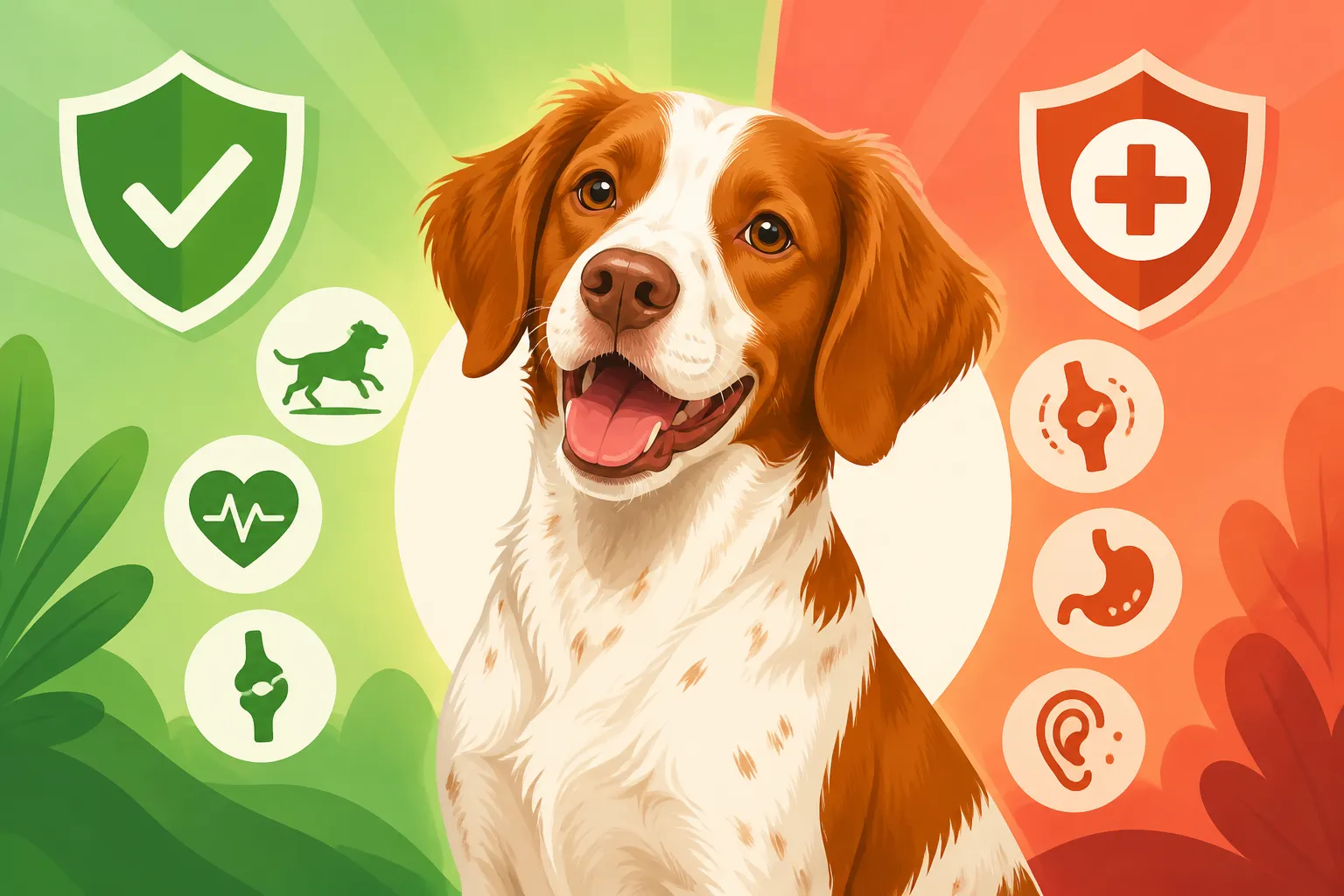
When you first start looking into different dog breeds, you quickly learn that some come with a laundry list of potential health woes, while others are praised for their robust constitutions. The Brittany often falls into the latter category, and for good reason. They are generally considered a healthy breed, known for their athleticism, endurance, and relatively few breed-specific genetic landmines compared to some others. However, "healthy" doesn't mean "immune to everything," and it's crucial to understand what that general health profile really entails.
The Brittany's General Health Profile
Brittanys are a medium-sized breed, compactly built, and designed for activity. This active lifestyle often contributes to their overall wellness, as regular exercise helps maintain a healthy weight, strong muscles, and good cardiovascular health. Their hardy nature stems from their working dog roots, bred for stamina in the field rather than exaggerated physical traits that can lead to health problems. It's part of why many veteran hunters and active families gravitate toward them; they're generally tough dogs, ready for adventure. You can usually tell just by looking at a well-cared-for Brittany that they are bursting with vitality.
While they are indeed a hardy breed, like all purebreds, Brittanys do have predispositions to certain conditions, which we'll explore in detail. But in the grand scheme of canine health, "The Brittany Is One of the Healthiest Sporting Breeds" is a sentiment echoed by many veterinarians and long-time owners. This isn't to say you won't encounter any issues, but rather that the probability of significant, debilitating genetic problems is lower than with some other breeds. It really speaks to the dedication of ethical breeders who have worked hard over generations to maintain the breed's functional health.
How Long a Brittany Lives on Average
One of the most comforting aspects of the Brittany's health reputation is their impressive lifespan. It's a question every prospective dog owner asks: how much time will I have with my companion? For Brittanys, the answer is usually a good, long time. Most Brittanys enjoy a lifespan of 12 to 14 years, with many living even longer, sometimes reaching 15 or 16 years old. This is a considerable amount of time, especially for an active, medium-sized dog, and it speaks volumes about their inherent robustness.
Of course, this isn't a guarantee. The longevity of your individual Brittany will depend on a myriad of factors: genetics, diet, exercise, preventative care, and a bit of luck. A Brittany that is well-fed, regularly exercised, and receives consistent veterinary check-ups is much more likely to hit those higher age brackets. Knowing "How Long a Brittany Spaniel Lives on Average" can certainly give you peace of mind, but it also underscores the commitment you're making. These dogs will be a significant part of your life for a long time, and investing in their health from day one is paramount.
Common Genetic Health Concerns and Screening
Even the healthiest breeds have their Achilles' heel, or at least a few areas where responsible owners and breeders need to pay extra attention. Genetic health concerns are a reality in purebred dogs, and the Brittany is no exception. The good news is that many of these issues are well-understood, and reputable breeders take significant steps to screen their breeding stock to minimize the risk to puppies.
The Importance of Hip and Elbow Screening
If there's one orthopedic issue that comes up repeatedly across many active breeds, it's hip and elbow dysplasia. These conditions affect the joints, leading to pain, arthritis, and reduced mobility. For a breed like the Brittany, whose entire purpose revolves around athleticism and agility in the field, healthy joints are non-negotiable. This is why hip and elbow screening are absolutely critical for any breeding Brittany.
Organizations like the Orthopedic Foundation for Animals (OFA) provide standardized evaluations, allowing breeders to assess the quality of their dogs' hips and elbows. You'll often hear breeders talk about "OFA certified" parents, which means their dogs have been x-rayed and evaluated by a panel of experts. This practice has done wonders in reducing the prevalence of these conditions. "What Hip Screening Did for the Brittany Spaniel" is a testament to how proactive health testing can genuinely improve a breed's well-being over time. Knowing that a puppy's parents have been screened provides a much higher degree of confidence that your future hunting partner won't be sidelined by crippling joint pain later in life.
Unpacking C3 Deficiency in Brittanys
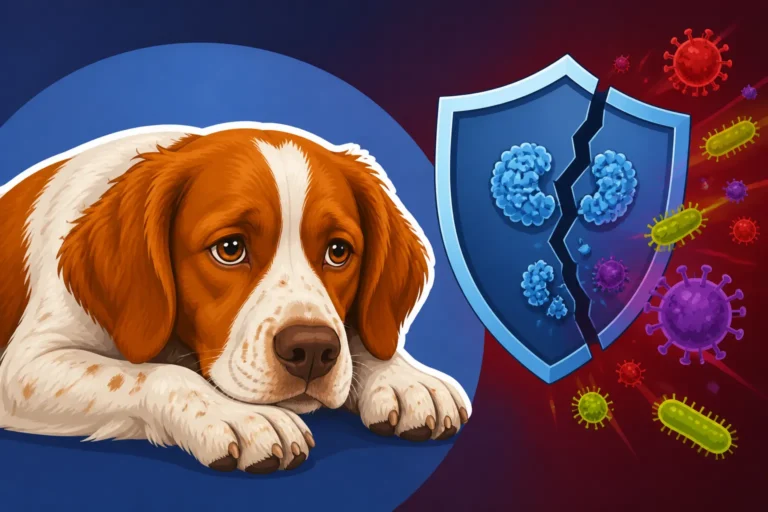
Now, here's a genetic condition that is truly unique to the Brittany: Complement 3 (C3) Deficiency. It’s an inherited immune disorder that compromises a dog’s ability to fight off certain types of infections. Essentially, these dogs lack a crucial protein in their immune system, making them highly susceptible to bacterial infections, particularly those affecting the kidneys and joints. This isn't something you hear about in many other breeds, making it a distinct concern for Brittany owners.
The good news is that "C3 Deficiency Is the Brittany's Own Genetic Disease" that has been extensively researched, and a DNA test is readily available. This means responsible breeders can easily screen their breeding stock to ensure they are not producing affected puppies. If a dog carries the gene for C3 deficiency, they are carriers but generally healthy themselves. However, if two carriers are bred, there's a 25% chance their puppies will be affected. Always ask a breeder about their C3 testing protocol. This preventative measure is vital for safeguarding the health of future generations, and it's a testament to the scientific advancements that allow us to tackle breed-specific issues head-on. Without diligent testing, an affected puppy could face a lifetime of recurrent, severe infections.
Other Genetic Conditions to Be Aware Of
Beyond hips, elbows, and C3 deficiency, there are a few other genetic conditions that can occasionally surface in Brittanys. While perhaps not as widespread, they are still important for prospective owners to be aware of and for breeders to consider in their health panels.
One such concern is Epilepsy in a Brittany Spaniel. Canine epilepsy is a neurological disorder characterized by recurrent seizures. It can be devastating for both the dog and the owner, as managing seizures can be challenging. While the exact genetic mechanisms are complex and not always fully understood, there is often a hereditary component. Breeders should be transparent about any history of epilepsy in their lines.
Another area to consider is eye health. Conditions like progressive retinal atrophy (PRA) or retinal dysplasia, while relatively uncommon, can occur. These can lead to vision impairment or even blindness. While "Whether a Brittany Needs a Yearly Eye Exam" is often debated for average pets, for breeding stock, regular eye certifications by a veterinary ophthalmologist through organizations like the OFA Eye Certification Registry (CAER) are crucial. This helps breeders identify and avoid passing on hereditary eye diseases.
Finally, Hypothyroidism in a Brittany can also be a genetic predisposition, though often manageable with medication. This condition occurs when the thyroid gland doesn't produce enough hormones, leading to symptoms like weight gain, lethargy, and skin issues. Regular thyroid screening, especially for breeding dogs, can help catch this early. Ensuring your vet includes a full thyroid panel during routine bloodwork can be a smart move, particularly if you notice any subtle changes in your dog's energy or coat quality.
Orthopedic Issues in Active Brittanys
Brittanys are built for movement. They are tireless hunters, enthusiastic hikers, and energetic family companions. This high level of activity, while beneficial for their overall health, can also put stress on their joints, making orthopedic issues a significant area of focus for owners.
Hip Dysplasia: A Persistent Concern
Even with diligent screening, hip dysplasia remains a concern for many active breeds, including the Brittany. While "How Common Hip Dysplasia Is in Brittany Spaniels" has certainly been reduced thanks to breeder efforts, it hasn't been entirely eliminated. Hip dysplasia is a malformation of the hip joint where the ball and socket don't fit together properly, leading to grinding, pain, and eventually degenerative joint disease (arthritis).
The signs can range from subtle lameness after exercise to a noticeable "bunny hop" gait, difficulty rising, or reluctance to jump. If you see "Signs a Brittany's Hips Hurt", it's crucial to consult your veterinarian immediately. Early diagnosis can help manage the condition, and treatments can range from pain medication and physical therapy to surgical interventions. The cost of such treatments can be substantial, so if you're exploring pet insurance, this is one of those conditions that makes a policy from providers like Healthy Paws truly invaluable, potentially covering a large portion of diagnostic and treatment expenses. It's a tough reality, but proactive management is key to maintaining a good quality of life for an affected dog.
| Condition | Description | Typical Age of Onset | Screening Available | Management |
|---|---|---|---|---|
| Hip Dysplasia | Malformation of the hip joint, leading to arthritis and pain. | Puppyhood to Adult | OFA/PennHIP X-rays | Pain management, physical therapy, surgery |
| Elbow Dysplasia | Abnormal development of the elbow joint, causing lameness. | 4-18 months | OFA X-rays | Pain management, anti-inflammatories, surgery |
| C3 Deficiency | Inherited immune system disorder, increasing infection risk. | Puppyhood | DNA Test | Prophylactic antibiotics, infection treatment |
| Epilepsy | Neurological disorder causing recurrent seizures. | 6 months – 5 years | No direct screen, family history | Anti-seizure medication |
| Hypothyroidism | Underactive thyroid gland, affecting metabolism. | Middle age (2-6 yrs) | Blood Test (Thyroid Panel) | Daily thyroid hormone replacement |
Other Joint and Ligament Injuries
Beyond dysplasia, the active life of a Brittany means they are susceptible to various acute injuries, particularly those affecting joints and ligaments. Cruciate ligament tears, similar to an ACL tear in humans, are unfortunately common in athletic dogs. A sudden twist or misstep during a sprint or jump can lead to this painful injury, often requiring expensive surgical repair and a lengthy recovery period. "Cruciate Tears in a Brittany" can halt a hunting season in its tracks and require significant dedication to rehabilitation.
Patellar luxation, or "slipping kneecap," is another orthopedic issue that can affect Brittanys. While often genetic, it can also be exacerbated by trauma. This condition causes the kneecap to slip out of its groove, leading to intermittent lameness or pain. Less common but still possible are injuries like osteochondrosis dissecans (OCD), a condition affecting cartilage in certain joints. These injuries highlight the need for careful conditioning, proper warm-ups, and cool-downs for working dogs, and a vigilant eye from their owners. A good pet insurance plan, such as one from Healthy Paws, can be a lifesaver when these unexpected and costly injuries occur, allowing you to focus on your dog's recovery rather than the vet bill. These are the kinds of "The Injuries a Brittany Picks Up in the Field" that can really test an owner's resolve and finances.
Immune, Skin, and Eye Health Challenges
While Brittanys are generally robust, their active nature and genetic predispositions mean they can face specific challenges related to their immune system, skin, and eyes. These issues, though sometimes less dramatic than orthopedic problems, can significantly impact a dog's comfort and quality of life.
Navigating Autoimmune and Allergic Reactions
Brittanys, like many breeds, can be prone to certain autoimmune conditions and allergies. One of the more visible autoimmune issues is discoid lupus erythematosus (DLE), often referred to as "collie nose" though it can affect Brittanys as well. "What Discoid Lupus Does to a Brittany's Nose" is heartbreaking; it causes the nose to lose its pigment, become crusty, cracked, and sometimes ulcerated, especially with sun exposure. While not life-threatening, it can be uncomfortable and requires consistent management, often involving topical steroids, sun protection, and sometimes oral medications.
Allergies are also a common frustration for many Brittany owners. These dogs love to be outdoors, running through fields, and exploring, which exposes them to all sorts of environmental allergens like pollens, grasses, and molds. Food allergies can also manifest as skin issues. "Whether a Brittany Gets Skin Allergies" is a question many owners find themselves asking as they see their dog incessantly scratching, licking their paws, or developing hot spots. These allergic reactions can lead to chronic ear infections, skin inflammation, and a generally miserable dog. Identifying triggers and working with a vet on a management plan, which might include dietary changes, antihistamines, or prescription medications, is essential for their comfort.
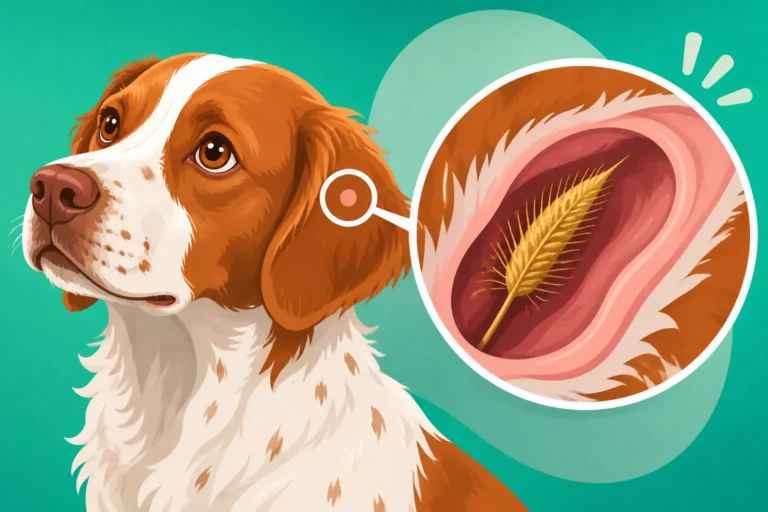
A chronic ear infection is another problem for Brittanys. Their lovely drop ears, while adorable, can create a warm, moist environment perfect for yeast and bacteria to thrive. This makes them highly susceptible to recurrent ear infections, especially if they swim or spend a lot of time in damp environments. This is precisely "Why a Brittany's Ears Get Infected Every Season" for many. Regular ear cleaning and vigilance are absolutely necessary. If your Brittany frequently shakes its head, scratches its ears, or you notice a foul odor, it's time for a vet visit. Ignoring ear infections can lead to chronic pain and more severe health issues.
Eye Conditions That Can Affect Brittanys
While Brittanys don't suffer from as many widespread severe eye conditions as some other breeds, there are still a few that owners should be aware of. As mentioned earlier, conditions like Retinal Dysplasia in a Brittany Spaniel or Progressive Retinal Atrophy (PRA) can lead to vision problems. These are typically genetic, which is why breeder screening is so important. PRA causes the retina to degenerate over time, eventually leading to blindness, usually at a later age. Retinal dysplasia, on the other hand, is a malformation of the retina that can be present from birth.
Another concern, though less common, is Glaucoma in a Brittany Spaniel. This condition involves increased pressure within the eye, which can cause severe pain and rapid vision loss if not treated promptly. It's often considered a veterinary emergency. Symptoms can include a cloudy eye, redness, pupil dilation, and signs of pain like rubbing the eye or holding it shut. Regular veterinary check-ups, especially as your Brittany ages, can help catch some of these conditions early, though many eye issues may only be visible to a specialist. Given the potential costs of specialized eye care, having a comprehensive pet insurance plan from Healthy Paws can provide much-needed financial relief.
Maintaining Optimal Health Throughout Their Lives
Owning a Brittany isn't just about managing potential health issues; it's about being proactive in their care to ensure they live the longest, happiest, and healthiest life possible. From routine vet visits to thoughtful nutrition and exercise, every decision you make contributes to their well-being.
The Role of Preventative Veterinary Care
Regular veterinary care is the cornerstone of a healthy Brittany. It’s not just about addressing problems when they arise, but actively working to prevent them. This means yearly wellness exams, which include a thorough physical check-up, discussions about diet and exercise, and appropriate vaccinations. "How Often a Brittany Needs a Wellness Exam" might seem obvious, but sticking to that annual schedule is incredibly important. These visits allow your vet to catch subtle changes that you might miss, often before they become serious issues.
Beyond the physical exam, your vet will likely recommend routine bloodwork, especially as your Brittany gets older. This can help monitor organ function and detect early signs of conditions like thyroid disease or kidney issues. For example, "What a Brittany's Yearly Bloodwork Should Cover" often includes a complete blood count (CBC) and a chemistry panel, which gives a snapshot of their internal health. Regular parasite control, including heartworm prevention and flea/tick medications, is also crucial, especially for dogs that spend so much time outdoors. Discussing these options with your vet to tailor a plan specific to your dog's lifestyle and local risks is a vital part of preventative care.
Nutrition and Exercise for Lifelong Wellness
A Brittany's high energy levels and athletic build demand a diet that supports their active lifestyle. Quality nutrition isn't just about preventing obesity; it's about providing the fuel for strong muscles, healthy coats, and robust immune systems. A working Brittany, especially during hunting season, will have significantly different caloric and nutrient requirements than a more sedentary companion.
"How Much a Working Brittany Eats in Season" will be considerably more than off-season, and often requires a high-quality performance dog food with higher protein and fat content. However, it's a fine balance. Too much food can lead to weight gain, which puts undue stress on their joints and overall health. Conversely, not enough can lead to muscle loss and fatigue. Regular monitoring of their weight and body condition is essential. You should be able to easily feel their ribs but not see them prominently.
Equally important is consistent, appropriate exercise. Brittanys are not content with a short walk around the block. They need daily opportunities to run, explore, and burn off their boundless energy. This could mean off-leash runs in a safe area, fetch sessions, or actual field work. "How Much a Brittany Should Drink on a Hunt" also highlights the importance of hydration, especially during intense physical activity or in warmer weather. Proper conditioning, especially before the start of a hunting season, is also crucial to prevent injuries. Remember, a fit Brittany is a healthy Brittany, less prone to injury and more resilient against illness. Building them up slowly over several weeks helps toughen their pads, strengthen their muscles, and build stamina. Finally, don't forget the importance of dental hygiene; regular brushing and professional cleanings can prevent painful dental disease that impacts their overall health. "Caring for a Brittany Past Ten" often involves adjustments to their diet and exercise routines to accommodate their changing needs as they age.
Disclaimer
This article is for general informational purposes only and does not constitute professional advice. Laws, prices and regulations vary by location and change over time. Consult a qualified professional for guidance on your specific situation.