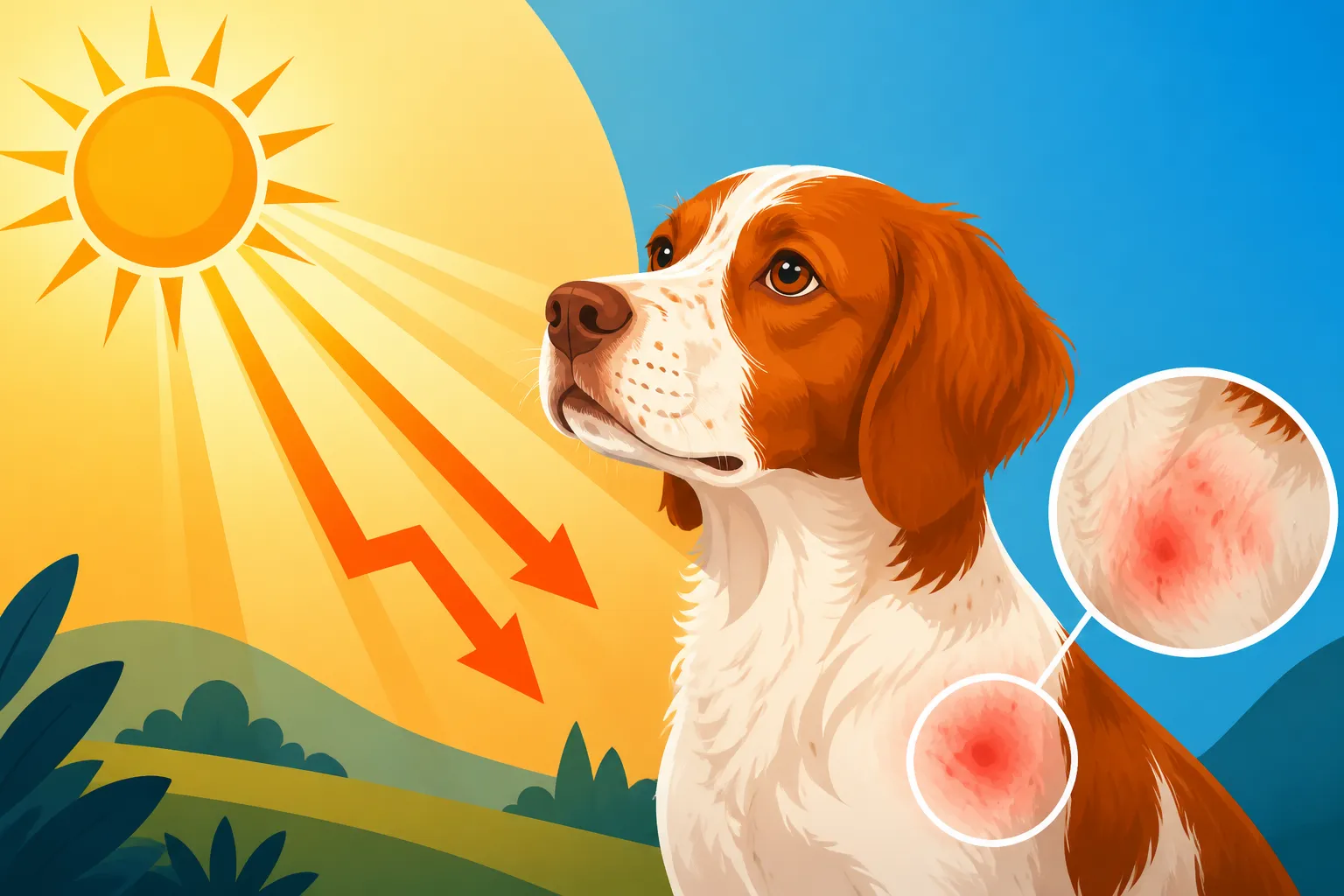
How Sun Worsens a Brittany’s Lupus
One of the most heartbreaking things for any Brittany owner is seeing their beloved dog suffer, especially when it comes to chronic conditions like discoid lupus. If your Brittany has been diagnosed with discoid lupus erythematosus (DLE), you’ve probably already seen how sensitive their nose can be, and the sun, our constant companion during outdoor adventures, can unfortunately turn into a formidable adversary, intensifying their discomfort and prolonging recovery. This guide aims to shed light on precisely how sun exposure worsens a Brittany's lupus and, more importantly, equip you with the knowledge and practical strategies to protect your dog, ensuring they can still enjoy their life with you without unnecessary pain.
Understanding Discoid Lupus Erythematosus in Brittanys
Discoid Lupus Erythematosus, often abbreviated as DLE, is an autoimmune skin disease that primarily affects a dog's nose, but can sometimes appear on other areas like the lips, around the eyes, and even the paw pads. It's essentially your Brittany's immune system mistakenly attacking its own skin cells, leading to inflammation and damage. Unlike systemic lupus, which affects internal organs, DLE is generally confined to the skin and mucous membranes, making it less life-threatening but still incredibly uncomfortable and disfiguring for our canine companions.
When a Brittany develops DLE, the first signs often appear subtly. You might notice a slight loss of pigment on the bridge of their nose, transforming that usually deep, shiny black "leather nose" into a faded, grayish, or even pinkish hue. This pigment loss, often referred to as "nasal depigmentation," is often one of the earliest indicators. Over time, this can progress to redness, scaling, and crusting, making the nose feel rough and dry. If you've ever wondered why your Brittany's nose loses its black, DLE can certainly be a culprit. It’s a frustrating and worrying progression for any owner to witness, knowing their dog is experiencing persistent irritation on such a sensitive area.
The exact cause of DLE isn't fully understood, but it's widely believed to have a genetic component, meaning some Brittanys are simply predisposed to developing it. We also know that it’s an autoimmune disease, which brings its own set of challenges, as mentioned in whether a Brittany gets autoimmune disease. Environmental triggers, like UV radiation from the sun, are known to play a significant role in exacerbating the condition, turning a manageable situation into a painful flare-up. This interaction between genetics and environment underscores the importance of proactive management, especially when it comes to sun exposure.
How Sunlight Triggers and Exacerbates DLE Flare-Ups
Sunlight, specifically its ultraviolet (UV) radiation, acts as a powerful catalyst in worsening DLE in Brittanys. Imagine going out in the sun with a mild sunburn, then exposing that tender skin to more sun – it's going to get much, much worse. For a Brittany with DLE, their already compromised skin, particularly on the nose, reacts similarly, but more intensely and chronically. The UV rays penetrate the skin, causing damage at a cellular level that triggers an inflammatory response.
This inflammation then fuels the autoimmune reaction already at play. The immune cells, already primed to attack the skin, become even more aggressive when exposed to UV light. This leads to a vicious cycle where sun exposure causes more inflammation, which in turn causes more damage, and the visible signs of lupus become much more pronounced and painful. It's not just the intensity of the sun, but also the duration of exposure that matters. Even on cloudy days, a significant amount of UV radiation can still reach the ground, posing a risk to sensitive noses.
The effects are particularly pronounced on the nose because it’s often the most exposed area. The delicate skin there, especially after losing its protective pigment, becomes incredibly vulnerable. We often see the condition flare up significantly in the warmer months or in regions with high UV indexes, turning what might be a mild, asymptomatic case into a full-blown crisis. If your Brittany's nose cracks and bleeds, particularly after time outdoors, it's a strong indicator that sun exposure is severely impacting their DLE. Understanding this direct link is the first step in providing effective care and preventing unnecessary suffering.
Recognizing the Signs of Sun-Worsened Lupus
When DLE is exacerbated by the sun, the signs become more severe and distressing for your Brittany. It's no longer just a bit of pigment loss; it’s a painful, active skin lesion. What starts as a pale nose can quickly escalate to bright redness and inflammation, often accompanied by crusting and ulcerations. These aren't just cosmetic changes; they are indicators of significant discomfort and potential pain for your dog.
Look closely at your Brittany's nose and surrounding areas after they've been outside, especially on sunny days. You might observe:
- Increased Redness and Swelling: The affected areas, primarily the nasal planum (the black part of the nose) and the bridge, will appear significantly redder and may feel warm to the touch. The swelling can make the nose look puffy or distorted.
- Crusting and Scaling: Thick crusts, often yellowish or brownish, can form over the surface, along with excessive scaling. These crusts can be quite stubborn and, when they flake off, they can leave raw, tender skin underneath.
- Erosions and Ulcerations: In more severe cases, the skin can break down, leading to open sores (erosions) and deeper wounds (ulcerations). These are extremely painful and prone to secondary bacterial infections, which will further complicate treatment.
- Bleeding: The skin can become so fragile and damaged that it cracks and bleeds, even with minor contact or your Brittany's own licking. This is a clear sign of a severe flare-up and demands immediate attention.
- Pain and Itching: Your Brittany might paw at their nose, rub it on furniture or the ground, or become withdrawn when you try to touch their face. They are clearly indicating discomfort.
- Loss of Normal Nasal Architecture: Over time, chronic inflammation can cause the normal cobblestone-like texture of the nasal planum to disappear, leaving a smooth, flat, or even scarred surface.
These symptoms often present as the signs a Brittany has discoid lupus, but with increased intensity and rapidity due to sun exposure. Monitoring your Brittany for these changes is crucial, as early intervention can prevent the condition from escalating into a more painful and difficult-to-treat stage. Don't dismiss slight changes; persistent vigilance is key to managing DLE effectively.
Essential Strategies for Protecting Your Brittany's Nose from the Sun
Protecting your Brittany's sensitive nose from the sun is paramount in managing DLE. It requires a multi-faceted approach, combining lifestyle adjustments, physical barriers, and topical applications. Think of it as creating a personalized sun protection plan tailored to your active Brittany’s needs.
First and foremost, limit sun exposure during peak UV hours. This typically means avoiding outdoor activities between 10 AM and 4 PM, when the sun's rays are strongest. This might feel challenging for a high-energy breed like a Brittany, but adjusting your walk and training schedule to early mornings or late evenings can make a huge difference. If you absolutely must be out during these times, seek shaded areas whenever possible. A long walk through a wooded trail, for example, offers more protection than an open field.
Next, consider physical barriers. While a hat might seem absurd for a dog, there are actually specialized sun shirts and even visors available for dogs that can help. For their nose, a physical block is ideal. If your Brittany tolerates it, a lightweight dog snood or a piece of cloth specifically designed for sun protection around the muzzle can be effective. This can feel a bit odd to introduce, so start with short wear times and reward them heavily. Beyond that, the most practical solution for many is a dog-specific sunscreen. Products like Epi-Pet Sun Protector Spray or My Dog Nose It! Balms are formulated for pets and are safe to use. You might be wondering whether a Brittany needs sunscreen on its nose, and for DLE, the answer is a resounding yes. Apply it generously to the depigmented areas of the nose, around the lips, and any other exposed, affected skin, and reapply frequently, especially after swimming or vigorous activity.
Finally, integrating proactive care into your routine is critical. This includes regularly checking your Brittany's nose for any new or worsening signs, even on days they haven’t been heavily exposed to the sun. Being proactive can mean the difference between a mild irritation and a severe, painful flare-up that requires more intensive veterinary care. Owners who regularly use products like My Dog Nose It! report good success in maintaining the skin barrier and providing a consistent layer of protection. This diligent approach is a small effort that yields significant comfort for your dog.
Long-Term Management and Veterinary Support for DLE
Managing DLE in your Brittany is truly a long-term commitment, and your veterinarian is your most important partner in this journey. It’s not just about managing flare-ups; it's about establishing a consistent routine that minimizes their occurrence and keeps your Brittany as comfortable as possible. This usually involves a combination of medication, dietary considerations, and continuous environmental management.
Veterinary treatments for DLE often begin with topical medications to reduce inflammation and promote healing. Your vet might prescribe corticosteroid creams, tacrolimus ointment, or other immune-modulating topicals directly to the affected areas of the nose. These help to calm the overactive immune response locally. For more severe or persistent cases, oral medications may be necessary. This could include corticosteroids, immunosuppressants, or even certain antibiotics if a secondary infection has set in. Knowing which medication a Brittany with lupus takes is crucial, so always follow your vet's instructions precisely regarding dosage and duration. It’s also important to remember that these medications, especially oral ones, can have side effects, and your vet will want to monitor your Brittany regularly through blood tests to ensure their well-being.
Alongside medication, dietary supplements can sometimes play a supportive role. Omega-3 fatty acids, found in fish oil, have anti-inflammatory properties that can benefit skin health. Your vet might recommend a specific supplement and dosage. Remember, always consult with your veterinarian before adding any supplements to your Brittany's diet, as not all supplements are safe or effective for every dog. Given that Brittany's lupus is lifelong, finding a sustainable management plan is key. This ongoing care, especially when medications are involved, can be costly. This is where having pet insurance like Healthy Paws can truly make a difference, helping to cover the expenses of regular vet visits, specialist consultations, and long-term prescriptions without financially burdening you every time your dog needs care.
Consider this table outlining some common management strategies:
| Strategy | Description | Key Benefit | Application Frequency |
|---|---|---|---|
| Limit Sun Exposure | Avoid peak UV hours (10 AM – 4 PM), seek shade. | Prevents primary trigger for flare-ups | Daily |
| Dog Sunscreen | Apply pet-safe SPF to depigmented areas of the nose and vulnerable skin. | Direct UV block, reduces cellular damage | Multiple times daily, especially outdoors |
| Protective Gear | Dog visors, snoods, or lightweight clothing for susceptible areas. | Physical barrier against UV rays | When outdoors for extended periods |
| Topical Medications | Prescription creams/ointments (corticosteroids, tacrolimus) from your vet. | Reduces local inflammation, promotes healing | As prescribed by vet |
| Oral Medications | Systemic anti-inflammatories or immunosuppressants for severe cases. | Controls systemic immune response | As prescribed by vet |
| Omega-3 Supplements | Fish oil supplements (vet-approved) for anti-inflammatory support. | Supports overall skin health, reduces inflammation | Daily, as recommended by vet |
| Regular Vet Check-ups | Monitoring progression, adjusting treatment, screening for secondary infections. | Ensures optimal long-term management | Every 3-6 months, or as needed |
Remember, a DLE diagnosis means managing a chronic condition, similar to caring for an old Brittany with other age-related ailments. Regular communication with your vet is vital to adjust treatments as needed and address any complications, such as secondary infections or adverse reactions to medication. While a severe flare-up might sound alarming, knowing what a Brittany's field injuries cost in a season, or what insuring a Brittany costs a month, can put the cost of chronic disease management into perspective. Pet insurance providers like Healthy Paws often cover chronic conditions, which can offer immense peace of mind. By working closely with your vet and implementing a diligent protection plan, you can significantly improve your Brittany's quality of life, allowing them to continue enjoying their active lifestyle despite the challenges of DLE.
Disclaimer
The information provided in this article is for general informational purposes only and is not intended as a substitute for professional veterinary advice. Always consult with a qualified veterinarian for any health concerns or before making any decisions related to your Brittany's medical care.