How to Check a Brittany for Ticks
There’s almost nothing more unsettling than coming home from a fantastic day in the field with your Brittany, only to find a tick, or worse, several, crawling or already dug in. It’s a common frustration for us bird dog owners, especially with our active, adventurous Brittanys who love nothing more than diving headfirst into dense cover. This guide is here to walk you through a thorough, systematic approach to checking your beloved Brittany for ticks, turning a daunting task into a manageable routine that protects your hunting partner.
The Unseen Enemy: Why Ticks Are Such a Big Deal for Your Brittany
It’s easy to dismiss a tick as just a creepy-crawly, a minor inconvenience after an otherwise perfect day. But for a dog like a Brittany, whose life is spent exploring the wild outdoors, ticks are a persistent and serious threat. We're not just talking about a little itch; these tiny arachnids carry a host of potential health problems that can significantly impact your dog's well-being and performance.
More Than Just a Nuisance: The Health Risks Ticks Pose
Ticks aren't just looking for a meal; they're often carrying unwelcome hitchhikers in the form of bacteria, viruses, and other pathogens. The diseases they transmit can range from mildly debilitating to life-threatening. Lyme disease is perhaps the most well-known, causing lameness, joint pain, and fever, which can be devastating for a dog that lives to run and retrieve. Then there's Ehrlichiosis, Anaplasmosis, and Rocky Mountain Spotted Fever, each with its own set of symptoms that can mimic other conditions, making diagnosis tricky. A single tick bite can introduce these diseases, leading to chronic issues that impact your Brittany's energy, appetite, and overall vitality. It's why vigilance isn't just a suggestion; it's a critical part of being a responsible bird dog owner.
Beyond the systemic diseases, ticks can also cause localized skin irritation, infections at the bite site, and in rare cases, even a condition called "tick paralysis" where toxins in the tick's saliva lead to a progressive paralysis that can be fatal if the tick isn't removed. Imagine your energetic Brittany suddenly struggling to move its legs – it's a terrifying thought. The reality is, every tick found and removed is a potential disease averted, safeguarding your dog's health and ensuring they can continue to enjoy their active lifestyle. This is why a meticulous tick check is non-negotiable, especially after every outing.
The Brittany's Advantage and Disadvantage: Coat Type and Exposure
Our Brittanys are built for the field, with coats that offer some protection against the elements, but also unfortunately, provide excellent camouflage for ticks. What a Brittany's Coat Is Like is typically dense, with a medium length and feathering on the legs and ears. While this coat is wonderful for insulating them against brush and cold, it's also a tick's dream hiding spot. The ticks can burrow deep into the fur, making them hard to spot with just a cursory glance. Their active nature means they're constantly pushing through tall grasses, dense undergrowth, and wooded areas—exactly where ticks lie in wait.
The very traits that make Brittanys exceptional hunting companions—their enthusiasm, their drive to explore, and their boundless energy—also put them at higher risk for tick exposure. They'll enthusiastically plunge into areas where ticks are most prevalent, brush against every leaf and stem, and come out with more than just burrs. The Feathering on a Brittany's Legs and Ears is a particular magnet, providing warmth and cover that ticks love. This means we, as their owners, need to be extra diligent. A quick pat down isn't enough; we need to commit to a thorough, hands-on inspection that covers every inch of their body, even the less obvious spots.
Gearing Up for the Tick Check: Your Essential Tool Kit
Before you even lay a hand on your Brittany for a tick check, having the right tools makes all the difference. This isn't a task to be rushed or performed haphazardly; a systematic approach with proper equipment ensures you don't miss anything and can safely remove any unwelcome guests. Think of it like preparing for a mini-expedition, where your goal is canine wellness.
Lighting the Way: Headlamps and Good Illumination
The single most important tool for a thorough tick check isn't even for removal; it's for seeing the ticks in the first place. Ticks are masters of disguise, often tiny, and their dark coloring can blend seamlessly into a Brittany's orange, liver, or roan coat. Trying to find them in dim lighting, or relying on ambient room light, is a recipe for missed ticks and potential problems. This is especially true after a long day in the field when you're tired and your dog might be squirmy.
Invest in a good quality headlamp. This frees up both your hands, allowing you to systematically part your Brittany's fur while directing a strong beam of light exactly where you need it. A bright LED headlamp illuminates the skin beneath the coat, making it easier to spot small nymphs or partially engorged adults. Keep a magnifying glass handy too for those really tiny ones. A well-lit area, perhaps a utility room or a bright corner of your garage, is ideal, but with a good headlamp, you can even conduct an effective check in less-than-perfect conditions. You'd be amazed what a difference proper light makes in spotting these minuscule invaders, especially on A Brittany's Coat Is Low Maintenance Until It Hits Cover with its feathering.
The Right Tools for Removal: Tweezers and Tick Keys
Once you spot a tick, the next step is safe and effective removal. This is where specialized tools shine. Regular household tweezers might work in a pinch, but they often aren't fine enough to grasp the tick close to the skin without squeezing its body or leaving parts behind. Squeezing the tick's body can potentially inject more disease-carrying fluids into your dog, which is exactly what we want to avoid.
Tick-specific removal tools, like fine-tipped tweezers or specialized tick keys/hooks, are designed to grasp the tick by its head, as close to the skin as possible, and pull it straight out with steady pressure. The key is to avoid twisting or jerking, which can break off the mouthparts and leave them embedded in your Brittany's skin. These embedded parts can lead to infection or granulomas. Keep these tools in your What a First Aid Kit for a Brittany Should Hold, ready to go. You can find excellent options on Amazon or at your local pet supply store, ensuring you're prepared the moment you find one of these creepy crawlies.
Keeping Records and Staying Organized
It might sound a bit over-the-top, but keeping a simple record of tick encounters can be surprisingly helpful. Note down the date, where on your Brittany's body you found the tick, and if possible, an estimate of its size or whether it was engorged. This information can be crucial if your dog later develops symptoms of a tick-borne illness. Your vet can use this data to better assess the risks and potential diagnoses.
Alongside your tick removal tools, keep a small jar with rubbing alcohol or a sealed plastic baggie. After removal, drop the tick into the alcohol to kill it, or seal it in the baggie. This prevents it from escaping and allows you to show it to your vet if needed for identification or just for your own peace of mind. Keeping all your tick-checking gear together in one designated spot—maybe a small tackle box or a dedicated bin—means you're always ready. This organized approach minimizes stress during the check and ensures you don't forget any crucial steps or tools when you need them most.
The Full Body Scan: A Step-by-Step Guide to Checking Your Brittany for Ticks
Performing a thorough tick check isn't a race; it's a careful, methodical process that requires patience and attention to detail. Your Brittany, especially after a long day of running, might not be thrilled about standing still, so make it a calm, positive experience with gentle praise. The goal is to cover every square inch, starting from one end and systematically working your way to the other.
Starting From the Head: Ears, Eyes, and Muzzle
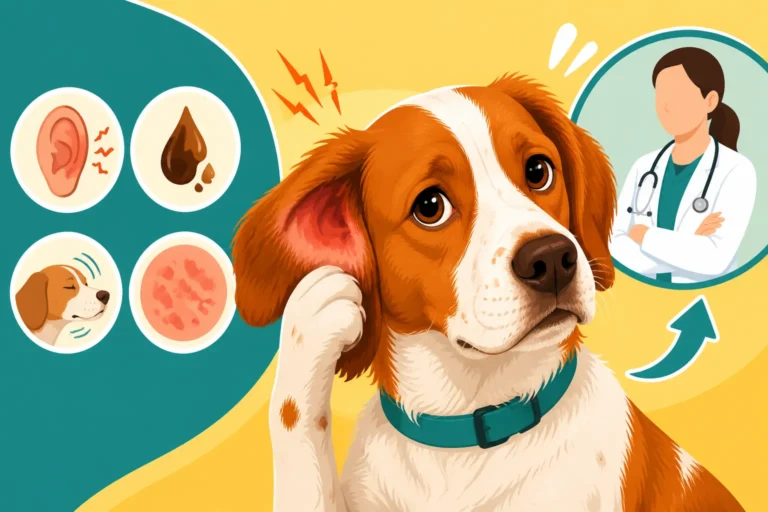
Begin your inspection at your Brittany's head. This is often where ticks latch on first, especially as dogs push through brush. Gently run your fingers over their entire head, paying close attention to the base of the ears, inside the ear flaps, and deep within the ear canals. Brittanys have wonderful drop ears that can trap moisture and hide a lot, making them prime tick territory. Why a Brittany's Ears Get Infected Every Season is often related to moisture and debris, but ticks love these spots too. Use your headlamp to peer into the ear canal, looking for any small bumps or dark specks.
Next, check around their eyes and eyelids. Ticks can even attach to the delicate skin here, and missing one can lead to significant irritation. Don't forget their muzzle, under their chin, and around their lips. Part the fur carefully, using your fingertips to feel for any tiny bumps or irregularities. Ticks here might be small, but they can still transmit disease. Being systematic and gentle will help your Brittany tolerate this crucial part of the check.
Neck, Shoulders, and Chest: Prime Hiding Spots
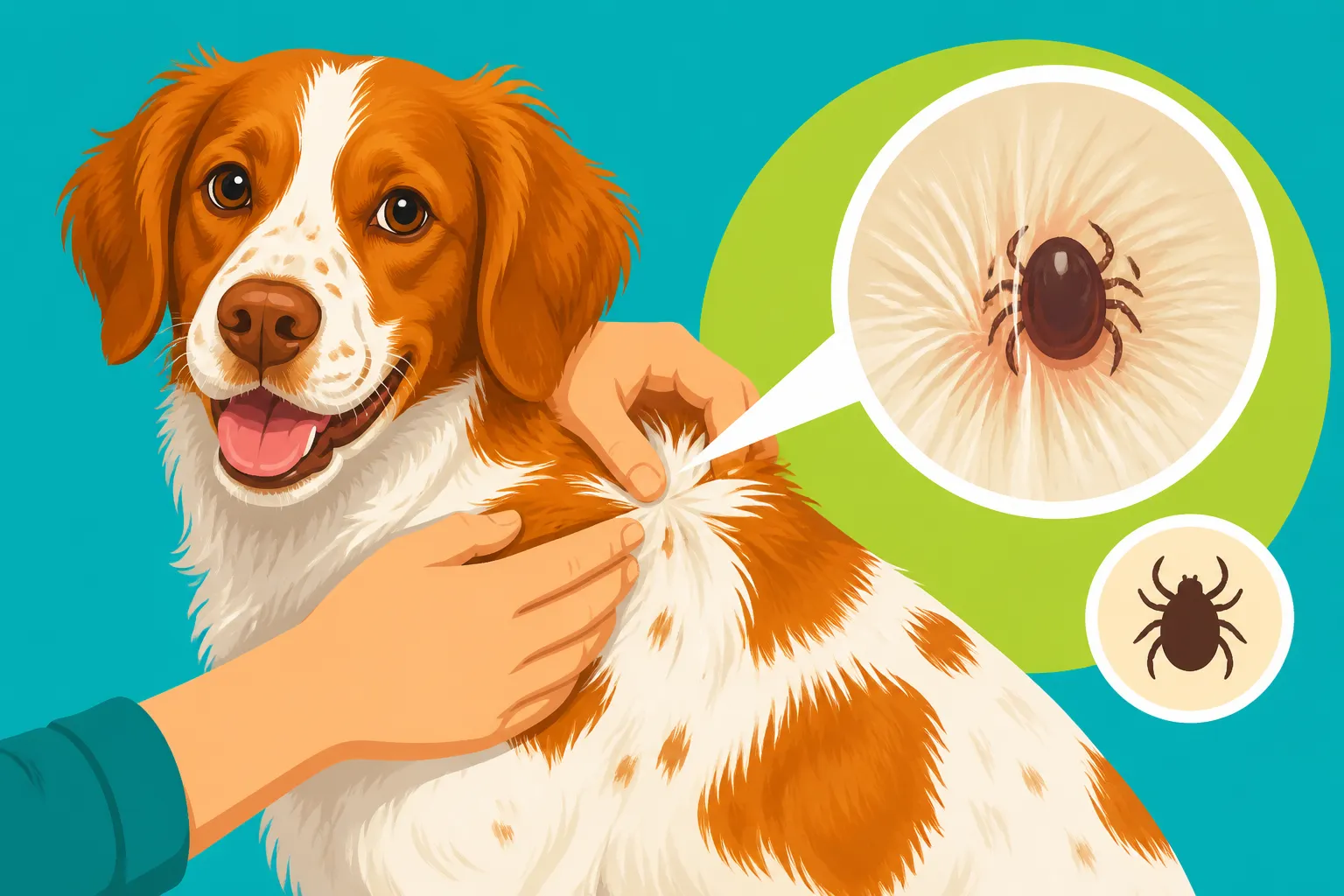
Moving down from the head, focus on the neck area, particularly where the collar sits. Ticks often crawl under collars for protection and warmth. Run your fingers against the direction of hair growth, feeling for any bumps. Spread the fur widely with your fingers and visually inspect the skin underneath. Pay extra attention to the folds of skin and any loose areas.
Next, move to the shoulders and chest. These areas can pick up ticks as your Brittany charges through tall grass and dense cover. The armpits are another favored hiding spot due to their warmth and protected nature. Carefully lift each front leg and thoroughly examine the armpit region, parting the hair and feeling for any attached ticks. Don't rush through these areas; they are often overlooked and can harbor ticks for days.
The Leg Feathering and Paws: A Tick's Paradise
Brittanys have beautiful feathering on their legs, which unfortunately acts like a natural net for ticks and burrs. This is where many ticks will hitch a ride, crawling up from the ground. Start at the top of the legs and work your way down, meticulously parting the long fur. Run your fingers over every inch of the leg, both inside and out, feeling for any small lumps.
When you reach the paws, be extra diligent. Ticks love to hide between the toes, in the soft webbing, and even under the paw pads. Gently spread each toe apart and examine the skin carefully. Check the dewclaws too, as ticks can attach there. After a rigorous hunt, your Brittany's pads might be a little sensitive, so be gentle but firm. How Often a Brittany's Pads Should Be Checked should be after every outing, and tick checks are a natural extension of this. This is also a good time to check for How Grass Seeds Get Into a Brittany's Ear or between their toes, as these too can cause problems.
Belly, Groin, and Armpits: Don't Miss These Warm Areas
These are some of the most common and often overlooked areas for ticks. The soft, less-hairy skin of the belly and groin provides an ideal environment for ticks to latch on and feed. Gently roll your Brittany onto their back or side, and systematically examine their entire belly, paying close attention to the groin area, inner thighs, and around the mammary glands if you have a female.
The warmth and protection offered by these regions make them a tick haven. Use your headlamp and fingers to part the fur and visually inspect the skin. Feel for any small scabs, bumps, or dark spots that indicate an attached tick. Remember those armpits from earlier? Recheck them from this angle too, just to be sure. A tick can be as small as a poppy seed, so a keen eye and thorough touch are your best defense.
The Tail and Hindquarters: The Final Frontier
Finally, move to your Brittany's hindquarters and tail. Like the legs, the tail often has feathering that can conceal ticks. Run your hands from the base of the tail to the tip, parting the fur and feeling for any bumps. Don't forget the underside of the tail and the area around the anus and genitals, as ticks can attach here as well.
Extend your check up their back and along their hips. While ticks can attach anywhere, focusing on these specific areas after a day in the field increases your chances of finding them before they become engorged or transmit disease. Make this full-body scan a routine, What a Brittany Needs Within an Hour of a Hunt, and you’ll significantly reduce the risk of tick-borne illnesses for your loyal companion. This systematic approach, though time-consuming, is one of the most important preventive measures you can take.
What to Do When You Find a Tick: Safe Removal and Aftercare
Finding a tick is never fun, but panicking won't help. The most important thing is to remove it safely and completely. With the right technique and a little calm, you can minimize the risk to your Brittany.
The Art of Tick Removal: Gentle But Firm
Once you've spotted a tick, grab your fine-tipped tweezers or tick removal tool. The key is to grasp the tick as close to your Brittany's skin as possible, directly on its head, not its body. This ensures you remove the entire tick, including its mouthparts, which are embedded in the skin. With a steady hand, pull straight upwards with even pressure. Avoid twisting, jerking, or squeezing the tick's body, as this can cause the mouthparts to break off and remain in the skin, or worse, force harmful fluids from the tick back into your dog.
If you're using a tick key, slide it under the tick's body, close to the skin, and then lift gently to leverage the tick out. It might take a few seconds of steady pressure, but the tick should release its grip. After removal, inspect the bite site and the tick itself to confirm that all parts, particularly the head, have been removed. If any mouthparts are still embedded, don't try to dig them out, as this can cause more irritation. Instead, clean the area and keep an eye on it, and consult your vet if you're concerned. For those really tiny, uncooperative ones, some owners prefer a tool like the Tick Twister, available on Chewy, which is designed to twist rather than pull, ensuring a complete removal of the tick's head.
Post-Removal Care: Cleaning and Monitoring
After successfully removing the tick, it's crucial to clean the bite area thoroughly. Use an antiseptic wipe, rubbing alcohol, or a small amount of mild soap and water to disinfect the skin. This helps prevent secondary bacterial infections that can occur at the bite site. Keep an eye on the area for the next few days. It's normal for a small bump or a bit of redness to appear, similar to a mosquito bite.
However, if the redness spreads, the bump becomes larger, painful, or discharges pus, it could indicate an infection. In these cases, it's wise to contact your veterinarian. Beyond the immediate bite site, monitor your Brittany for any signs of illness over the next few weeks. Symptoms of tick-borne diseases can take days or even weeks to appear, so stay vigilant for changes in appetite, lethargy, lameness, fever, or swollen joints. Early detection of symptoms can lead to more effective treatment outcomes.
When to Call the Vet: Recognizing Warning Signs
Knowing when a tick bite warrants a vet visit is paramount. If you couldn't remove the entire tick and are concerned about embedded mouthparts, a vet can safely extract them. More importantly, if your Brittany starts showing any signs of illness after a tick bite, even if you removed the tick successfully, a vet visit is essential. Symptoms like unexplained lameness, lethargy, decreased appetite, fever, swollen lymph nodes, or changes in behavior should trigger a call to your vet.
Don't wait for symptoms to worsen; early intervention can make a significant difference in treating tick-borne diseases. Your vet can perform tests for common tick-borne illnesses and recommend the appropriate course of treatment. Remember that prevention is always better than cure, but prompt action after a bite is the next best thing. Discussing What a Brittany's Preseason Bloodwork Costs with your vet can also include screening for tick-borne diseases before the hunting season gets into full swing, providing a baseline for comparison if your dog later becomes ill.
Beyond the Check: Proactive Tick Prevention Strategies
While thorough tick checks are non-negotiable, integrating proactive prevention strategies into your Brittany's routine can significantly reduce their risk of tick exposure and disease. This multi-pronged approach offers the best defense.
Topical Treatments and Oral Medications
One of the most effective ways to prevent ticks from attaching in the first place is through veterinarian-prescribed tick prevention products. These come in various forms, including topical spot-on treatments, oral chews, and specialized collars. Topical treatments are applied directly to the skin, usually between the shoulder blades, and work by either repelling or killing ticks on contact. Oral medications are given as a chewable tablet and work systemically throughout your dog's bloodstream, killing ticks when they bite.
Each type of product has its own benefits and considerations regarding application frequency, duration of effectiveness, and potential side effects. It’s crucial to discuss these options with your veterinarian to determine the best product for your Brittany, considering their lifestyle, health status, and your local tick prevalence. Products available through veterinary clinics, or online retailers like Chewy and Amazon, offer robust protection. Many serious Brittany owners utilize these year-round, not just during hunting season, because ticks can be active in surprisingly cold temperatures.
Environmental Control and Habitat Management
Even with the best preventive medications, reducing tick habitats can further safeguard your Brittany. Ticks thrive in tall grasses, dense brush, leaf litter, and wooded areas. If you have a yard, keeping your lawn mowed short, clearing brush, and removing leaf piles can make it less hospitable for ticks. Creating a barrier of wood chips or gravel between your lawn and wooded areas can also deter them.
For those who hunt frequently, you might not be able to control the wild environments your Brittany explores, but understanding where ticks are most likely to lurk can help. Stick to well-maintained trails if possible, and be extra cautious when allowing your dog to plunge into thick cover. After every venture into tick-prone areas, remember that immediate and thorough tick check. This combination of preventive medications and environmental awareness creates a stronger shield against tick threats.
Regular Grooming as a First Line of Defense
Grooming isn't just about keeping your Brittany looking sharp; it's a vital part of tick prevention and detection. Regular brushing, especially during peak tick season, helps remove loose ticks before they have a chance to latch on. How Often a Brittany Needs Brushing can be daily during high-risk periods. Use a stiff brush that can get down to the skin and dislodge any crawling ticks. Pay extra attention to the feathering on their legs, belly, and ears, where ticks often cling.
During these grooming sessions, you're also getting a tactile feel for your dog's skin, which can help you detect any unusual bumps or scabs that might indicate an attached tick. It’s a habit that integrates seamlessly with your routine and provides an ongoing opportunity for visual and tactile inspection. This proactive grooming, coupled with a full body check after every outing and appropriate preventative medications, creates a comprehensive defense against the persistent threat of ticks.
The Long-Term Battle: Understanding Tick Seasons and Regional Risks
Living with an active hunting dog like a Brittany means accepting that tick management is not a seasonal task but a year-round commitment. Understanding tick behavior and prevalence in your specific region is key to maintaining effective prevention strategies.
Year-Round Vigilance: Ticks Don't Always Take a Break
Many people mistakenly believe that ticks are only a problem during the warmer months. While their activity certainly peaks in spring, summer, and fall, it's a dangerous misconception to let your guard down in winter. Some tick species, like the Deer tick (which transmits Lyme disease), can be active any time the temperature is above freezing, even on a sunny winter day. If your Brittany is still out exploring the woods or fields, they are still at risk.
This means that year-round tick prevention, whether through oral medications from your vet or topical treatments, is crucial. How Many Ticks a Brittany Picks Up in a Season can be staggering, but with continuous protection, you can greatly reduce the number that attach and transmit disease. Don't fall into the trap of stopping preventive measures once the first frost hits; those resilient little arachnids are often just waiting for a mild day to emerge. Consistent vigilance is the cornerstone of keeping your Brittany healthy and tick-free, no matter the calendar date.
Knowing Your Local Threats: Common Tick Species
Tick prevalence and the diseases they carry vary significantly by geographic region. What's common in New England might be rare in the Southwest. Familiarize yourself with the specific tick species found in your area and the diseases they are known to transmit. Common ticks include the Deer tick (Lyme disease, Anaplasmosis, Babesiosis), the American Dog tick (Rocky Mountain Spotted Fever, Tularemia), the Lone Star tick (Ehrlichiosis, Alpha-gal syndrome in humans), and the Brown Dog tick (Ehrlichiosis, Rocky Mountain Spotted Fever).
Understanding your local risks allows you to have more informed discussions with your veterinarian about the most appropriate preventive medications and vaccinations. For example, Whether a Brittany Needs a Leptospirosis Shot or a Lyme vaccine can depend heavily on your location and the specific tick-borne diseases prevalent there. Many university extension offices or state health departments provide maps and information on local tick activity. Staying informed empowers you to better protect your Brittany, ensuring they can continue to enjoy their passion for the outdoors without succumbing to preventable illnesses.
| Body Area to Check | Why It's a Tick Hotspot | Inspection Method |
|---|---|---|
| Ears (inside & out) | Warm, dark, protected, often overlooked | Gently lift flaps, part hair, use headlamp to peer in |
| Head & Muzzle | First contact with brush, delicate skin | Run fingers over, check folds, around eyes & lips |
| Neck & Collar Area | Concealed by collar, warm skin folds | Run fingers against hair growth, check under collar |
| Armpits & Groin | Warm, moist, thin skin, easy to hide | Lift legs, spread fur, feel for bumps |
| Leg Feathering & Paws | Direct contact with ground/brush, between toes | Systematically part fur, spread toes, check pads |
| Belly & Chest | Soft, less hairy skin, warm | Roll dog onto back/side, visual & tactile inspection |
| Tail & Hindquarters | Feathering, often brushed against foliage | Run hands from base to tip, check around genitals |
Disclaimer
This article is for general informational purposes only and does not constitute professional advice. Laws, prices and regulations vary by location and change over time. Consult a qualified professional for guidance on your specific situation.