Whether a Brittany’s Coat Changes With Age
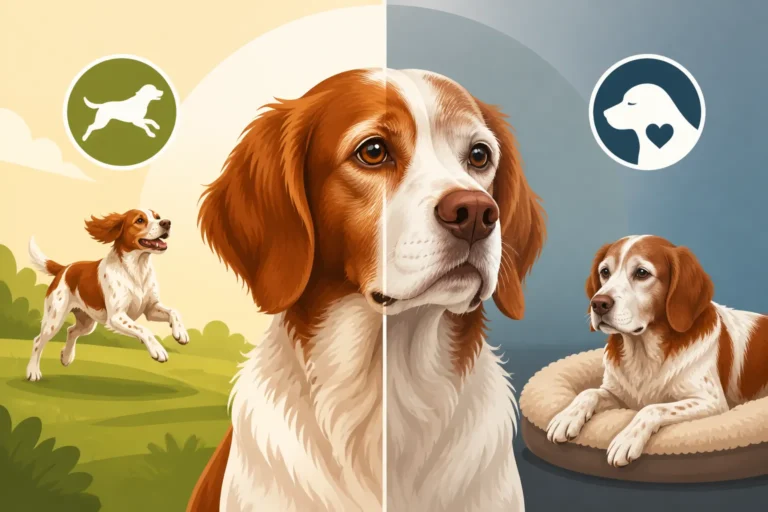
One common question I get from new Brittany owners, or even seasoned folks bringing home a new pup, is about their coat. You get this adorable little ball of fluff, and you wonder, "Is this what it's always going to be like?" The truth is, a Brittany's coat definitely changes with age, undergoing several transformations from puppyhood right into their golden years, and understanding these shifts can help you provide the best care.
From Puppy Fluff to Adult Luster: The First Big Coat Shift
When you first bring home a Brittany puppy, you're usually met with a soft, downy coat that feels incredibly fine. This puppy coat is designed for warmth and comfort, but it's not built for the rigors of the field or the intricate patterns of an adult Brittany's coloration. It's often a bit muted in color, and the patterns might not be as sharply defined as they will be later on. Think of it like a baby's hair – sweet, soft, but not yet fully developed.
As your Brittany grows, typically between four to six months of age, you'll start to notice a significant change. That soft puppy fluff begins to give way to a denser, slightly coarser adult coat. This isn't usually a dramatic shed where they lose all their hair at once; rather, it's a gradual transition. You might find a bit more hair around the house during this period, but it's often manageable. The new adult coat will lie flatter and be more protective, which is essential for a dog bred to hunt in varied terrain and weather conditions. This new texture is far more equipped to repel water and provide insulation, a true working coat.
Beyond just texture, the density of the coat also increases. Where the puppy coat might have seemed sparse in places, the adult coat fills in, providing a more uniform covering. This is when you truly start to see the characteristic Brittany coat, which should be rather flat or slightly wavy, never curly or wiry. It’s also during this phase that you begin to appreciate What a Brittany's Coat Is Like and understand how it functions as part of their heritage as a sporting dog. This initial transition is crucial, as it sets the stage for the practical functionality of their adult working life.
Color Evolution: How Your Brittany's Pigment Develops and Matures
The coloration of a Brittany is one of its most striking features, but just like the coat texture, the colors can evolve significantly from puppyhood. A young Brittany puppy might have very light orange and white patches, or a pale liver and white, making you wonder if the colors will ever deepen. Rest assured, they almost always do. The pigment tends to intensify as the dog matures, with oranges becoming richer and livers taking on a deeper, more pronounced hue.
Ticking and roaning are also major players in the Brittany's coat evolution. Many puppies are born with seemingly pure white patches, or only a few sparse flecks. Over the first year or two, these white areas often develop what's known as ticking—small, distinct spots of color—or roaning, which is a more uniform intermingling of colored hairs with white hairs, creating a mottled effect. This can lead to a stunning transformation, where a mostly white puppy matures into a dog with intricate patterns and shades. You might notice the ticking appearing first on the legs and muzzle, then spreading to the body.
It’s fascinating to watch this unfold, and it's a topic that often sparks conversations among Brittany enthusiasts. Some puppies might have very little ticking as adults, while others become quite heavily ticked or roaned, almost appearing as a solid color from a distance. The depth of color and the extent of ticking can also vary slightly with sun exposure, with some coats appearing brighter or darker depending on how much time they spend outdoors. This development is entirely natural and part of the breed's charm, giving each dog a unique tapestry of color. It's also why it's good to understand How Much Brittany Hair Ends Up on Furniture because these evolving colors will be shedding too!
Feathering: The Gradual Growth and Potential Thinning
One of the most defining characteristics of an adult Brittany, distinguishing it from many other pointing breeds, is its feathering. These longer fringes of hair typically appear on the ears, backs of the legs (forelegs and hind legs), and along the belly. However, they aren't present on a young puppy to the same extent you'll see on a fully mature dog. Puppy feathering is usually minimal, soft, and still part of that initial fluffy coat.
As your Brittany transitions into adolescence and early adulthood, generally from around six months to two years of age, the feathering will begin to grow in earnest. You'll notice the hair on their ears lengthening and becoming fuller, creating that classic "drop ear" look. The same goes for the backs of their legs, where the feathering can become quite profuse. This growth is important, as it helps protect their skin from brush and briars in the field, acting as a natural shield. However, it also means more brushing is required to prevent tangles and burrs. Knowing Where a Brittany's Feathering Grows can really help you stay on top of grooming during this developmental stage.
As Brittanys move into their senior years, you might observe a slight thinning or coarsening of this feathering, though it’s often less dramatic than some other coat changes. Some older dogs might have sparser ear fringes or less luxurious leg feathering than they did in their prime. This can be a normal part of aging, much like hair changes in humans. Regular grooming remains crucial to keep what feathering they have healthy and free from mats, regardless of age.
The Silvering Years: Coat Changes in Senior Brittanys
Just like us, Brittanys don't escape the inevitable march of time, and one of the most visible signs of aging is the silvering of their coat. This is perhaps the most universally recognized coat change in older dogs. You'll typically start to see those first grey hairs around the muzzle, eyes, and chin, often as early as five or six years of age, though it can vary greatly from dog to dog. Some Brittanys go grey quite dramatically, while others only get a dusting of silver.
As they continue to age, the greying can extend further, often appearing on their eyebrows, around their eyes, and even lightly dusting their body. This isn't usually a uniform change; rather, it's an intermingling of white or grey hairs with their original color, creating a distinguished, salt-and-pepper look. While some might think this means their coat is thinning, it's primarily a color change. The texture of the coat might also become a little coarser or drier with age, which can be influenced by diet, hydration, and overall health. Understanding What an Aging Brittany's Coat Looks Like can help you recognize these normal signs of maturation.
Beyond greying, some senior Brittanys might experience a subtle change in the overall thickness of their coat. It can sometimes become a bit sparser, particularly along the back or flanks. This thinning isn't always significant but can be noticeable, especially if you're accustomed to their dense, youthful coat. Skin elasticity and oil production also decrease with age, which can affect coat luster. Ensuring they have a high-quality diet and regular grooming, perhaps with a soft brush from a selection available on Amazon or Chewy, can help maintain their coat's health and appearance through these later years.
Beyond Age: Other Factors Influencing Your Brittany's Coat
While age is a primary driver of coat changes, it's certainly not the only factor at play. Several other elements can significantly impact the health, appearance, and even the texture of your Brittany's coat throughout their life. Recognizing these can help you address issues proactively and keep your dog looking and feeling their best.
Diet and Nutrition's Role
What your Brittany eats plays an enormous role in the quality of their coat. A diet lacking in essential fatty acids (like Omega-3 and Omega-6), vitamins, and high-quality protein can lead to a dull, dry, brittle coat, excessive shedding, or even skin issues. Conversely, a well-balanced, nutritious diet, especially one formulated for active sporting dogs or specific life stages, will promote a healthy, shiny, and vibrant coat. You might notice a huge difference if you switch from a generic brand to something like Purina Pro Plan Sport or even specialized fresh dog food like Ollie, designed for optimal canine health.
Consider this: a working Brittany expends a lot of energy, and their body needs the right fuel to maintain everything, including their coat. If their diet isn't up to par, their body will prioritize vital functions over luxuriant hair, leading to a noticeable decline in coat quality. Supplements, such as fish oil, can also be beneficial in boosting coat health, especially for dogs with naturally drier skin or dull coats.
Hormonal Influences
Hormones have a powerful effect on a dog's coat. Spaying or neutering, for example, can sometimes lead to changes in coat texture and thickness. While not every Brittany will experience this, some owners report that their spayed or neutered dogs develop a softer, fluffier, or thicker undercoat. This change, sometimes called "spay coat," can make the coat more prone to matting and require more frequent brushing. It's a common observation and an important one to be aware of, as Whether a Brittany's Coat Thins After Spaying is a valid concern for many owners.
Thyroid imbalances are another hormonal issue that can directly impact coat health. Hypothyroidism, where the thyroid gland doesn't produce enough hormones, often manifests with a dull, dry, brittle coat, excessive shedding, and even patchy hair loss. If you notice a sudden, inexplicable deterioration in your Brittany's coat quality, along with other symptoms like lethargy or weight gain, it's always wise to consult your veterinarian.
Environmental Factors and Parasites
The environment your Brittany lives and hunts in can also affect their coat. Regular exposure to harsh weather—extreme sun, cold, or dry air—can strip natural oils and make the coat dull or dry. Similarly, chemicals in shampoos, detergents, or even environmental pollutants can irritate skin and compromise coat health. Even the type of bedding they sleep on can play a minor role, though usually far less significant than diet or hormones.
Parasites are another big one. Fleas, ticks, and mites can cause intense itching, leading to excessive scratching and biting, which damages the coat and can create hot spots or patchy hair loss. Regular parasite prevention is crucial not just for overall health but for maintaining a healthy coat. Think about the seasonal challenges: burrs, foxtails, and wet marshlands can wreak havoc on feathering if not properly cleaned and brushed out after every outing. A good post-hunt routine is essential for preserving the coat's integrity.
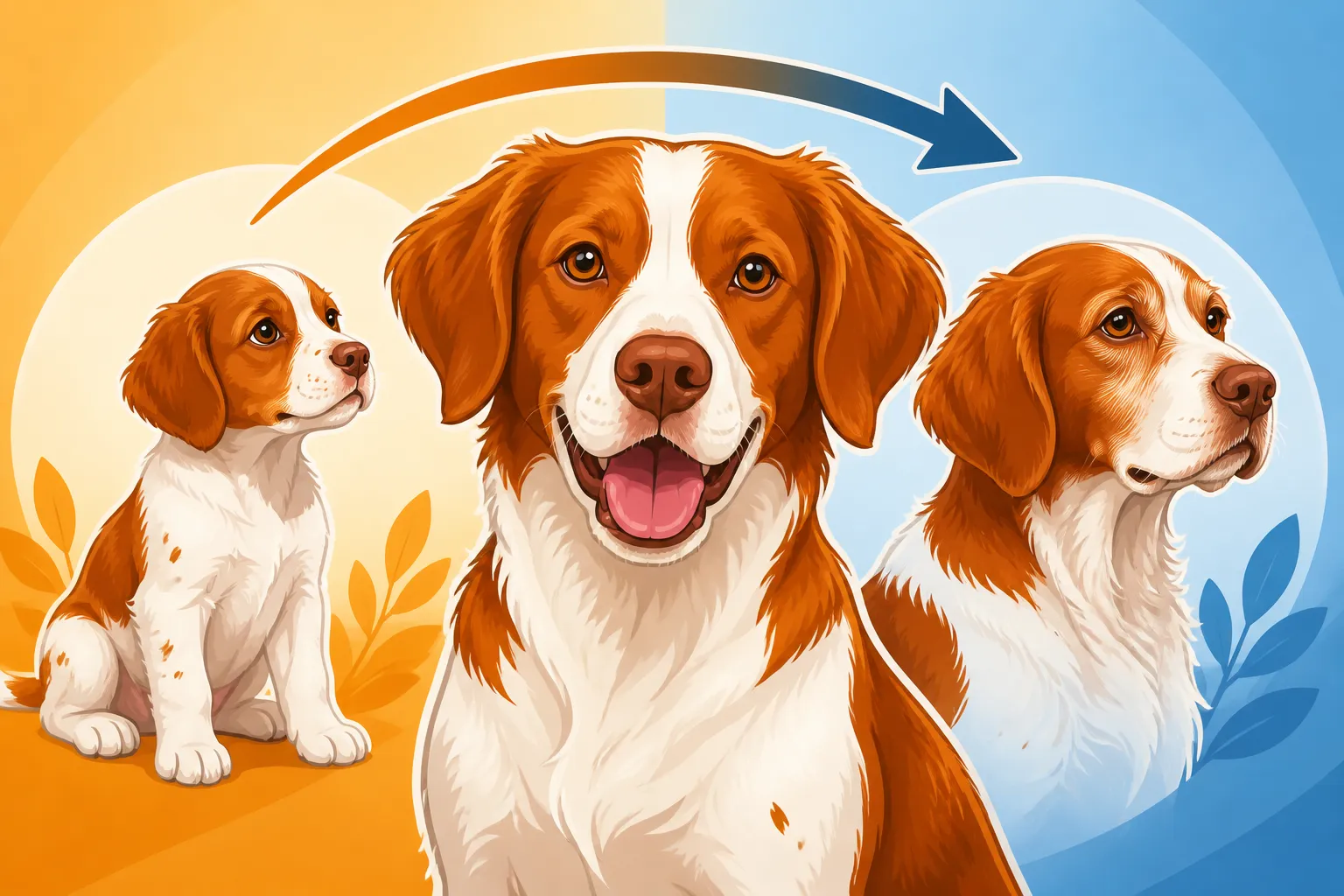
Here's a quick overview of how a Brittany's coat typically changes over its lifespan:
| Life Stage | Coat Texture/Density | Color/Pattern Development | Feathering Growth | Key Considerations |
|---|---|---|---|---|
| Puppy (0-6 months) | Soft, fine, downy fluff | Often muted, minimal ticking | Sparse, soft | Gentle brushing, protect from harsh elements |
| Adolescent (6-24 months) | Transitioning to denser, slightly coarser adult coat | Pigment deepens, ticking/roaning develops | Begins to grow in, becomes fuller | Regular brushing, monitor for matting |
| Adult (2-7 years) | Dense, protective, flat or wavy | Rich, well-defined colors, full ticking/roaning | Full, luxurious | Consistent grooming, quality diet, field protection |
| Senior (8+ years) | May coarsen, thin slightly, develop softer undercoat | Greying around muzzle/eyes, overall lighter appearance | May thin or become coarser | Gentle grooming, supportive diet, monitor for skin issues |
Ultimately, understanding these changes, both the natural progression of age and the impact of external factors, empowers you to provide the best care for your Brittany. A healthy coat is a strong indicator of overall well-being, reflecting the care and nutrition they receive throughout their spirited life.
Disclaimer
This article is for general informational purposes only and does not constitute professional advice. Laws, prices and regulations vary by location and change over time. Consult a qualified professional for guidance on your specific situation.