How Often a Brittany Tears a Pad
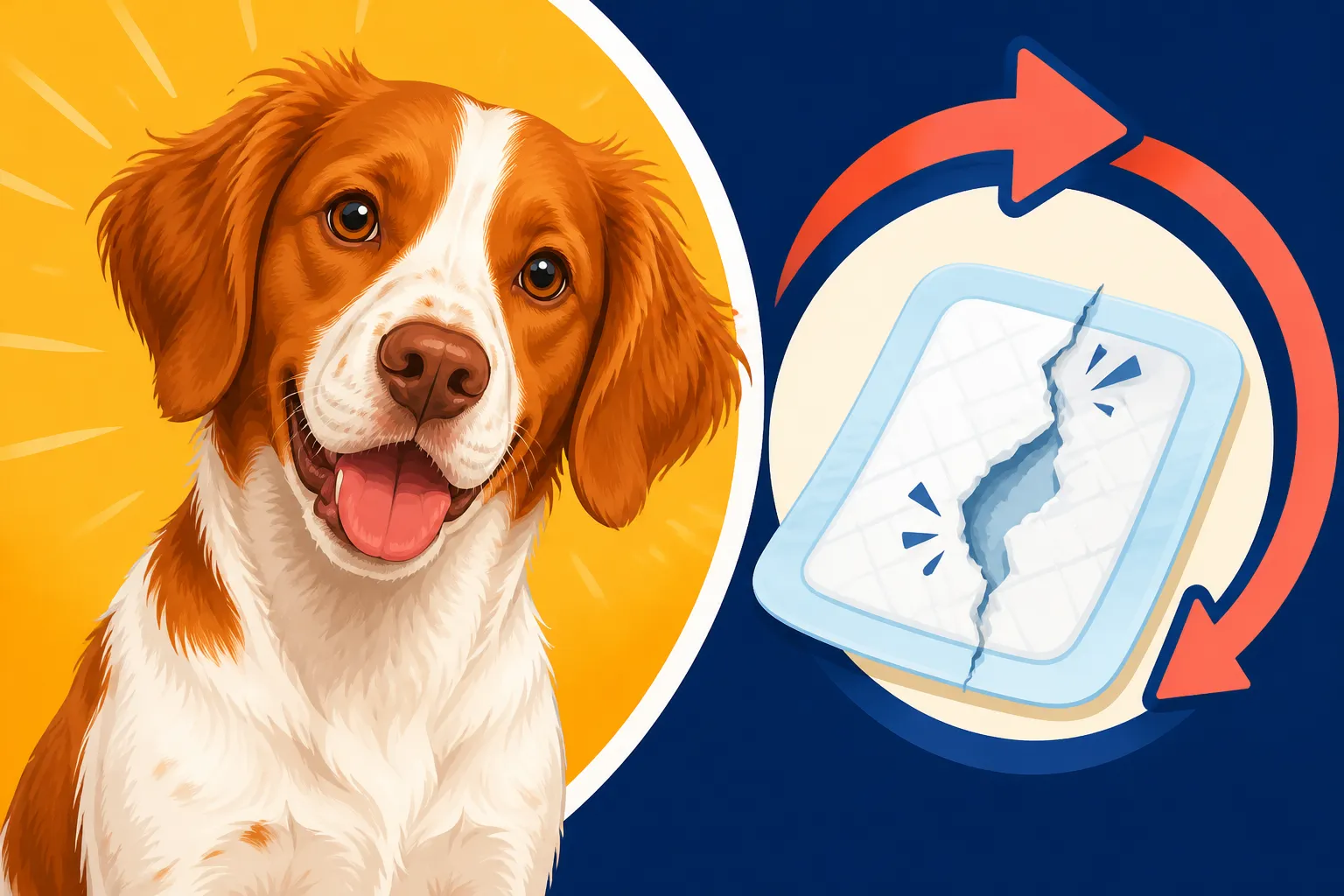
Coming back from a fantastic day in the field, full of successful retrieves and exhilarating points, there's nothing that brings a hunter down faster than noticing a tell-tale pink stain on your Brittany's usually orange or liver-spotted pads, or worse, a visible flap of skin. It’s a gut-wrenching moment, and it leaves you wondering: just how often does this happen, and what can we do to prevent it? This guide will dive deep into the reality of paw pad injuries in Brittanys, helping you understand the frequency, causes, and most importantly, how to keep your hunting companion's feet tough and ready for action.
The Reality of Torn Pads: A Common Field Hazard
Let's be real: if you hunt your Brittany with any regularity, especially in varied terrain, the question isn't usually if they'll ever tear a pad, but when and how often. These dogs are bred for relentless pursuit, covering miles of ground, often at high speeds, and they simply don't have an "off" switch when they're on the scent of a bird. Their enthusiasm means they'll power through thorny brush, over sharp rocks, and across frozen ground, sometimes heedless of the toll on their paws.
Factors Influencing Frequency
The frequency with which a Brittany might tear a pad isn't a fixed number; it's a dynamic risk influenced by several key factors. Think of it like a cumulative stress test on their most vital tools for the hunt.
Terrain and Cover Conditions
The type of ground your Brittany works on is perhaps the most significant factor. A dog hunting manicured pheasant preserves with soft grass is far less likely to suffer a pad injury than one ranging through stubble fields, rocky outcroppings, or dense, thorny briar patches. Stubble, in particular, is notorious for slicing pads cleanly. Imagine walking barefoot over a field of tiny, sharp knives – that's what a cut wheat field can feel like for a dog. Rocky terrain, especially volcanic rock or sharp shale, can cause deep gashes or abrasions. Even seemingly benign ice and frozen ground in late season can be brutal, leading to cracks, frostbite, and tears when combined with friction. If your typical hunting grounds involve these challenging surfaces, your Brittany’s risk of pad injury naturally skyrockets, making it a "when" not "if" scenario that could occur multiple times a season.
Dog's Conditioning and Pad Toughness
Just like an athlete’s hands can get calloused from weightlifting, a dog’s paw pads toughen with consistent, appropriate exercise. A Brittany that spends its off-season mostly lounging on the couch and then is suddenly expected to run hard for an entire opening day is a prime candidate for torn pads. Their pads won't have the necessary resilience. How to Toughen a Brittany's Pads before the season is crucial. This isn't just about general fitness; it's specifically about conditioning the paw pads themselves. A well-conditioned dog, gradually exposed to varied terrains during training, will develop thicker, more durable pads. Conversely, a soft-footed dog, or one with naturally thinner pads, might tear a pad every few outings in tough cover, while a seasoned veteran with well-maintained pads might go an entire season without issue.
Length and Intensity of the Hunt
A quick hour-long jaunt in the local woods is vastly different from a full day's quail hunt across multiple properties, especially when temperatures are high or low. The longer your Brittany is on its feet, pushing through cover, the more wear and tear accumulates. Fatigue can also play a role, as a tired dog might be less careful about foot placement, leading to accidental scrapes or steps on sharp objects. On long, intense hunts, particularly those involving multiple retrieves and consistent running, the friction and impact on the pads can lead to blistering and subsequent tearing, even on relatively soft ground. It's a cumulative effect, where what might be a minor scuff in the morning becomes a painful tear by late afternoon. Consider How Long a Brittany Can Hunt in a Day and adjust expectations to protect their paws.
Recognizing and Responding to Paw Pad Injuries in the Field
Even with the best prevention, accidents happen. Knowing how to spot a torn pad and what immediate steps to take can make a huge difference in your Brittany's comfort and recovery. Ignoring a minor injury can quickly escalate into a serious problem, potentially sidelining your hunting partner for weeks.
Signs of a Torn Pad
Brittanys are notoriously stoic dogs, often pushing through pain in their eagerness to please and hunt. This means you might not get obvious limping right away. You need to be vigilant.
Subtle Changes in Gait and Behavior
Your Brittany might start favoring a paw just slightly, perhaps shifting its weight differently when standing or trotting. They might take shorter steps with one leg or hesitate before jumping into the truck. On a pause, they might lick or chew at a particular paw more than usual. Sometimes, the only sign is a drop in performance—a slight slowing down, a less enthusiastic range, or an unwillingness to go into thick cover they previously tackled without a second thought. If you notice any of these subtle cues, it's time for a thorough paw inspection. This is part of What to Check on a Brittany After Every Outing.
Visual and Tactile Clues
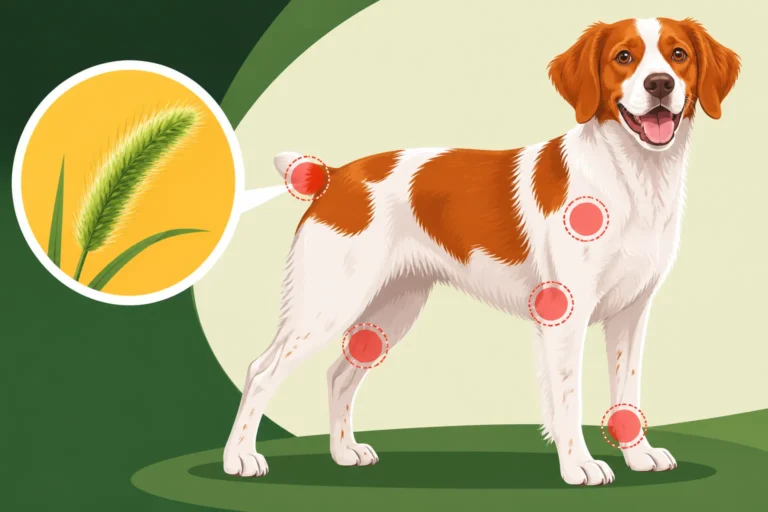
The most obvious sign, of course, is a visible injury. This can range from a superficial scrape or abrasion, which might just look like a patch of roughened or discolored skin, to a full-blown laceration where a flap of pad is detached or even missing. Look for bleeding, swelling, or redness between the toes or on the main pad. Feel for tenderness, heat, or any foreign objects lodged in the pad or interdigital spaces. Grass awns, small thorns, or slivers of wood can often be the culprit, burrowing into soft tissue. Sometimes, a pad can look fine but feel unusually soft or spongy, indicating a blister beneath the surface that could soon rupture. Pay close attention to How to Check a Brittany Between the Toes, as debris often hides there.
Immediate Field Care for a Torn Pad
Finding a torn pad can be alarming, especially when you're miles from the truck. But with a well-stocked field first aid kit, you can provide immediate relief and prevent further complications.
Cleaning and Assessment
Your first step is to gently clean the wound. If you have clean water, rinse off any dirt, debris, or blood. If not, a sterile saline solution or even bottled drinking water will do. Be patient and reassuring, as your dog will likely be sore. Once clean, assess the injury. Is it a superficial scrape, a deep cut, or a puncture? Is there a foreign object? The goal is to get a clear picture of the damage. If there's persistent bleeding, apply direct pressure with a clean cloth or gauze. Remember, you're not trying to perform surgery, just stabilize the situation.
Applying a Protective Wrap
Once clean, the pad needs protection. Apply a thin layer of antiseptic ointment if you have it. Then, cover the wound with a non-stick gauze pad. Crucially, you'll need to wrap the paw. Start with a self-adhering veterinary wrap (like VetWrap, often found on Amazon or Chewy) over the gauze, spiraling up the paw and around the ankle joint, ensuring it’s snug but not too tight that it cuts off circulation. You should be able to slip two fingers under the wrap easily. The goal is to create a protective barrier against dirt and further injury, and to keep the dressing in place. Changing the dressing at the truck is usually the next step. If you've never done it, learning How to Tape a Brittany's Foot in the Field is an invaluable skill.
Here's a quick guide to immediate field care:
| Injury Type | Immediate Action | Supplies Needed (Field Kit) | When to Seek Vet Care |
|---|---|---|---|
| Superficial Scrape | Clean, apply antiseptic, light wrap. | Water/Saline, Antiseptic wipe, Gauze, VetWrap | If signs of infection develop |
| Deep Cut/Laceration | Clean, apply direct pressure to stop bleeding, antiseptic, protective wrap. | Water/Saline, Antiseptic, Non-stick gauze, VetWrap, Adhesive tape | Immediately if deep, wide, or won't stop bleeding |
| Puncture Wound | Do NOT remove foreign object if deep. Immobilize paw, protective wrap around object. | Water/Saline, Gauze, VetWrap, Adhesive tape | Immediately, risk of infection/internal damage |
| Blister/Flap | Clean, carefully trim loose flap if small and clean, antiseptic, protective wrap. | Water/Saline, Small sterile scissors, Antiseptic, Non-stick gauze, VetWrap | If large flap, deep tissue exposed, or signs of infection |
Preventing Future Paw Pad Troubles
While you can't eliminate the risk entirely for an active hunting dog, there's a lot you can do to minimize the frequency and severity of torn pads. Prevention is always better than cure, and it starts long before opening day.
Conditioning and Daily Paw Care
A strong, resilient paw begins with consistent care and conditioning, just like the rest of your Brittany's body.
Year-Round Pad Hardening
This is where the real work happens. Your Brittany's pads need to be gradually exposed to varied, challenging surfaces throughout the year, not just during hunting season. This means regular walks and runs on gravel, pavement, and natural trails, building up their tolerance slowly. Don't go from soft lawn to a five-mile hike on rocky terrain overnight. Consistency is key. Think of it as building calluses. If you keep your dog largely on soft surfaces, their pads will remain tender. Supplementing this with a paw toughener can also be beneficial. There are various products available, often found on Amazon or Chewy, designed to chemically toughen the pad surface. Whether Pad Toughener Works on a Brittany often depends on consistent application and the individual dog.
Regular Inspections and Hydration
Make paw inspection a routine, especially after any outdoor activity. Check for cracks, cuts, foreign objects, or excessive dryness. Dry, cracked pads are far more prone to tearing. Just like human skin, paw pads can benefit from hydration. Consider applying a paw balm or wax (many brands available on Chewy) regularly, particularly in dry or cold weather. This creates a protective barrier and keeps the pads supple. Some performance dog foods, like those offered by Ollie, emphasize ingredients that support overall skin and coat health, which can indirectly contribute to healthier pads by promoting general wellness. Don't forget their diet plays a role in skin elasticity and recovery.
Protective Gear and Strategic Choices
Sometimes, even the toughest pads need a little extra help, especially in extreme conditions or challenging terrain.
When and How to Use Dog Boots
Dog boots aren't just for fashion; they're a vital piece of protective gear for a working Brittany. While some hunters shy away from them, believing they hinder performance, the right pair of boots can literally save a hunt by protecting your dog's feet. Whether a Brittany Needs Boots in the Field depends heavily on the terrain and your dog's individual pad toughness. For truly brutal conditions—sharp stubble, deep snow with ice crusts, or extended hunts on rocky ground—boots are a non-negotiable. It's crucial to select boots that fit well, are durable, and allow for natural paw movement. Introducing them slowly during training, well before hunting season, will get your Brittany accustomed to wearing them. A poorly fitting boot can cause chafing or fall off, defeating its purpose.
Choosing Terrain and Managing Hunt Duration
Sometimes, the best prevention is making smart choices about where and how long you hunt. If you know a particular area is littered with sharp rocks or fresh stubble, evaluate if it's truly necessary to send your dog in, especially if their pads are already showing signs of wear. On those days, a shorter hunt in slightly softer cover might be a wiser choice. During long, multi-day hunts, factor in rest periods for your dog's paws, just as you would for their muscles. This proactive approach can significantly reduce the cumulative stress that leads to tears. Remember, How Many Weeks a Brittany Needs to Get Fit applies to their paws too; don't push them past their conditioning level. If you can't condition them properly, choosing less severe terrain or using boots becomes even more critical.
Recovery and Long-Term Paw Health
Even with the best care, a torn pad can happen. Your focus then shifts to promoting quick, complete healing and ensuring your Brittany is fully recovered before returning to the field. Pushing a dog back too soon can lead to re-injury and chronic problems.
Healing Process and Potential Complications
Understanding the healing process of a paw pad and what might go wrong helps you provide the best support. Paw pads have a unique, thick structure that, while durable, can also make healing a bit slower than other skin tissues.
Typical Healing Times
The recovery time for a torn pad varies widely depending on the severity of the injury. A minor abrasion might heal in a few days with proper care, while a deep laceration or a missing pad flap could take weeks, sometimes even a month or more, to fully granulate and toughen up. Young tissue is delicate, and you'll need to resist the urge to rush your dog back into action. During the initial healing phase, the wound needs to be kept clean and dry, often requiring daily bandage changes. This is also where What a Brittany's Field Injuries Cost in a Season can become a significant factor, as extended downtime means vet visits, supplies, and potentially missed hunting opportunities.
Infection and Other Concerns
The biggest complication with paw pad injuries is infection. Dog paws are constantly exposed to dirt, bacteria, and moisture, creating a perfect breeding ground for pathogens. Watch for signs like increased swelling, redness spreading from the wound, pus, foul odor, or your dog becoming lethargic or losing its appetite. These are all indicators that the wound may be infected and requires veterinary attention. Other concerns include improper healing, where scar tissue forms a weak spot, making future re-injury more likely. Sometimes, a poorly healed pad can even alter a dog's gait, leading to secondary issues in joints like those discussed in Whether a Working Brittany Wears Its Joints Out.
When to Seek Veterinary Intervention
While many minor pad injuries can be handled at home, there are definite situations where a professional vet visit is essential. Don't hesitate if you're unsure.
Red Flags and Professional Treatment
You should always consult a veterinarian if:
- The cut is deep, wide, or bleeds profusely and won't stop with direct pressure.
- There's a foreign object deeply embedded in the paw pad.
- The injury shows signs of infection (pus, foul odor, excessive swelling, redness).
- Your dog is severely lame or unable to put weight on the paw.
- The injury doesn't show signs of improvement after a few days of home care.
- You suspect a fracture or other underlying injury.
A vet can properly clean and debride the wound, suture deep lacerations, prescribe antibiotics if necessary, and provide pain management. They can also offer guidance on proper bandaging techniques and advise on the best timeline for returning to activity.
Gradual Return to Activity
Once the pad has visibly healed, the work isn't over. The newly formed tissue will be softer and more delicate than the surrounding older pad. A gradual return to activity is crucial to allow this new tissue to toughen up. Start with short, leashed walks on soft surfaces, gradually increasing duration and introducing more challenging terrains over several weeks. Monitor the paw closely for any signs of tenderness or re-injury. Rushing this stage is a common mistake that often leads to repeated pad tears. Think of it as a rehabilitation period, ensuring your Brittany is physically and psychologically ready for the rigors of the field again. This careful approach also contributes to How to Keep a Brittany Fit in Summer, ensuring they are primed for the next hunting season without risking their paws.
Remember, your Brittany relies on its paws for everything it loves to do. Investing time and effort into their care and protection is not just good practice; it's a fundamental part of being a responsible bird dog owner.
Disclaimer
This article is for general informational purposes only and does not constitute professional advice. Laws, prices and regulations vary by location and change over time. Consult a qualified professional for guidance on your specific situation.