Whether a Brittany Should Eat Before a Hunt
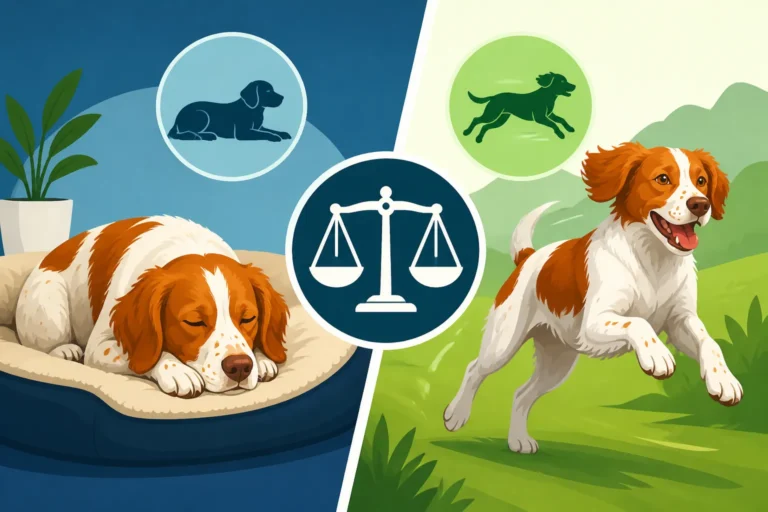
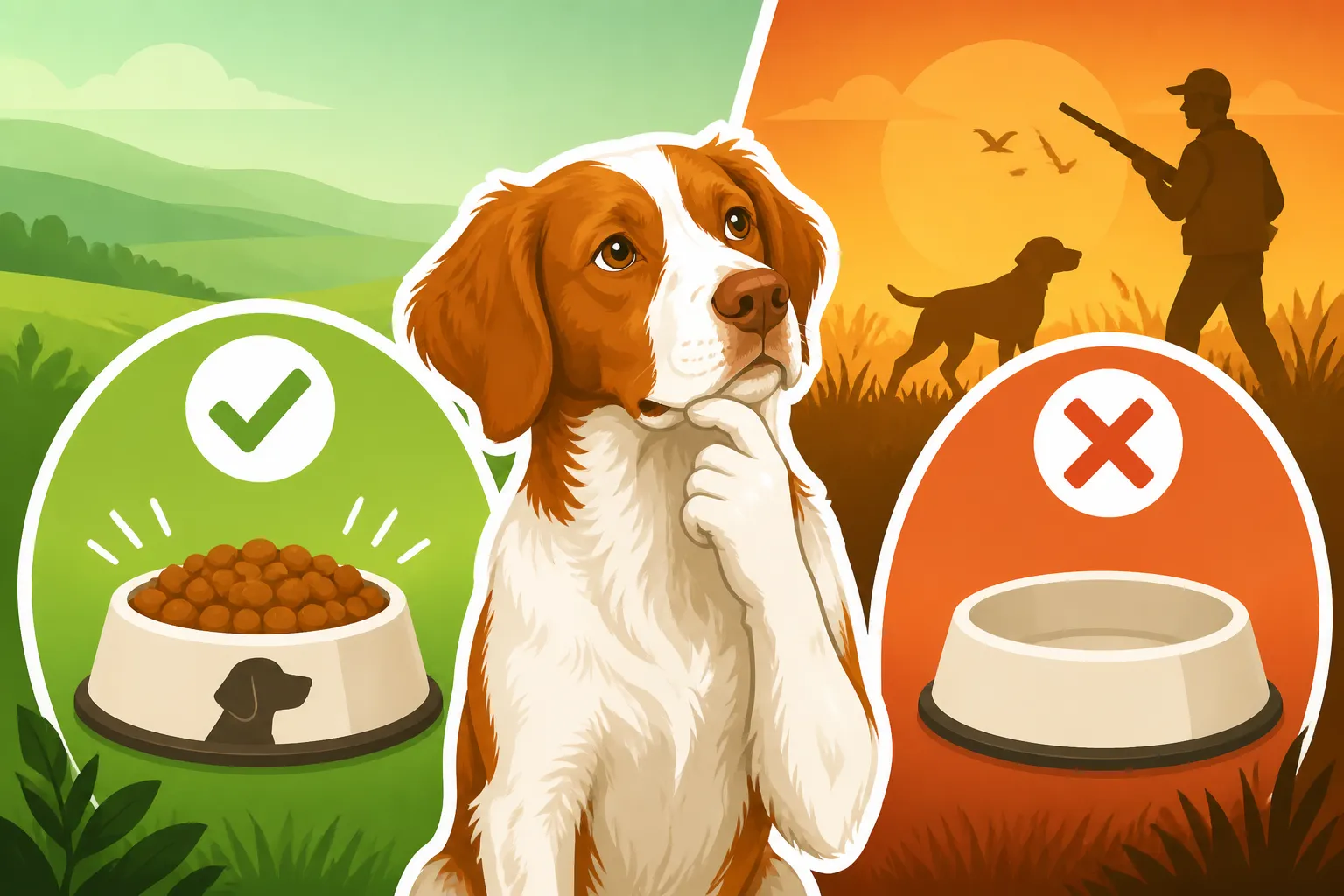
Oh, the age-old question that keeps many a Brittany owner up at night before a big hunt: to feed or not to feed? It’s a real tightrope walk, isn't it? You want your energetic bird dog to have all the fuel they need to perform their best in the field, quartering tirelessly and holding that staunch point. But the last thing you want is a stomach upset, or worse, a serious issue like bloat, when you’re miles from the truck. This guide is here to help you navigate the tricky waters of pre-hunt nutrition, ensuring your Brittany is both energized and comfortable for a successful day afield.
The Pre-Hunt Fuel Dilemma: Energy vs. Digestion
It's a genuine challenge for any Brittany owner. We want our dogs to be canine athletes, ready to spring into action and maintain that high energy for hours. But their digestive systems aren't always in sync with our demanding hunting schedules. Understanding this delicate balance is the first step to figuring out the best feeding strategy.
Understanding Your Brittany's Metabolism
Brittanys are built for speed and endurance. They're like little avian-seeking missiles, and that intense drive means they burn through calories at an impressive rate. Unlike us humans who might "carb load" the night before a marathon, a dog's metabolism processes food a bit differently. Their primary fuel source for sustained activity often comes from fat, with carbohydrates providing quick bursts of energy. If you’re giving them a heavy meal just before they hit the cover, their body is busy trying to digest that food instead of sending all its resources to their muscles for hunting.
Think about it: when your Brittany is out there, nose to the ground, legs churning through thick cover, and then slamming into a point, their heart rate is up, their blood is pumping, and their focus is absolute. Their body prioritizes getting oxygen to muscles and brain activity. A full, actively digesting stomach can divert blood flow away from those critical areas, potentially impacting their stamina and overall comfort. This is why a consistent, high-quality diet year-round is so important, not just a last-minute scramble. Your Brittany is constantly building and maintaining their fuel reserves, and that starts with good nutrition every single day, not just the day of the hunt.
The Risks of Feeding Too Much Too Soon
This is where the real worry sets in for many of us, and for good reason. A common concern with deep-chested breeds like our beloved Brittanys is bloat, or Gastric Dilatation-Volvulus (GDV). It's a terrifying, life-threatening condition where the stomach fills with gas and can twist, cutting off blood supply. While the exact causes aren't always clear, vigorous exercise immediately after a large meal, especially one that contains a lot of air or expands in the stomach, is often cited as a risk factor. No one wants to be deep in the field, miles from veterinary care, and face such an emergency. Whether a Brittany Bloats is a very real concern we all have to take seriously.
Beyond bloat, there's the less severe, but still performance-ruining, issue of simple indigestion. Feeding too close to a hunt can lead to vomiting, diarrhea, or just general stomach discomfort. Imagine trying to run a sprint after eating a huge holiday meal – it's just not going to happen efficiently or comfortably. Your Brittany needs to be light on their feet, not burdened by a heavy stomach churning away. Any kind of digestive upset will not only make your dog miserable but will also severely impact their ability to perform, potentially cutting your hunt short or, even worse, putting their health at risk.
Timing is Everything: When to Feed Your Brittany
So, if we can't feed them right before, and we want them fueled, what's the answer? It truly boils down to timing. Finding that perfect window is crucial for optimal performance and preventing digestive issues.
The "Sweet Spot" for Digestion
Most experienced handlers and veterinarians agree that the ideal window for feeding your Brittany before an intense hunt is generally 2 to 4 hours prior to hitting the field. This gives their system enough time to properly digest the meal, absorb the nutrients, and for the stomach to be relatively empty when the strenuous exercise begins. The goal is for the food to be processed into energy, not sitting undigested in the stomach.
During this time, the digestive process can happen without the added stress of physical exertion. Your dog's body can efficiently break down the food, moving it through the stomach and into the intestines where nutrient absorption takes place. By the time you're lacing up your boots and your Brittany is practically vibrating with anticipation, their energy stores are topped up, but their stomach isn't actively working overtime. Of course, every Brittany is an individual. Some might do fine with a meal 2 hours out, while others need closer to 4. It’s a process of observation and getting to know your dog's unique rhythm. What works for a quick, hour-long training session might be different for a full, strenuous day of hunting wild pheasants.
Smaller, More Frequent Meals vs. One Big Meal
When your Brittany is in peak hunting season, their caloric needs skyrocket. They're burning serious fuel! Instead of trying to cram all those extra calories into one massive meal, many owners find success with splitting the daily ration into smaller, more frequent meals. This approach can be particularly beneficial for several reasons.
Firstly, smaller meals are generally easier to digest. They put less strain on the digestive system at any one time, reducing the risk of discomfort or upset. Secondly, by providing smaller meals more often, you can maintain a more consistent energy level throughout the day, preventing those "sugar crashes" or dips in stamina that can happen with large, infrequent meals. If you’re heading out for an afternoon hunt, a small breakfast in the morning and a light snack a few hours before heading out can work wonders.
Managing this when you're traveling or in the field can seem daunting, but it's totally doable. Pre-portioning meals or snacks into zip-top bags makes it easy. You can store them in a cooler in the truck, ready to go when it's time for a pre-hunt snack or a mid-day refuel. For quality ingredients and varied options, sites like Chewy offer a wide range of performance foods that can be broken down into these smaller meal sizes. The key is consistency and ensuring your Brittany is always getting adequate nutrition without overburdening their digestive system.
What to Feed Your Brittany Before a Hunt
It's not just when you feed, but what you feed that makes a significant difference in your Brittany's performance and well-being. The wrong kind of food can sabotage your hunt just as easily as bad timing.
Choosing the Right Type of Food
When it comes to a pre-hunt meal or snack, focus on foods that are easily digestible and provide a good balance of carbohydrates and moderate fat. Carbohydrates offer readily available energy, while fats provide sustained fuel for longer exertions. This is where a high-quality performance dog food truly shines. Whether a Working Brittany Needs a Performance Food is a question many hunters grapple with, and for good reason. These specialized diets are formulated to meet the intense caloric and nutritional demands of active dogs, often containing higher protein and fat percentages along with complex carbohydrates.
Avoid introducing any new foods or especially rich, fatty treats right before a hunt. Their digestive system is used to a routine, and a sudden change can easily lead to an upset stomach. Stick to what your dog knows and tolerates well. If you’re considering a new food, always transition slowly over several days or even weeks. Some owners even use a small amount of wet food, which can be easier to digest and adds a bit of extra hydration. Brands like Ollie, known for their fresh, human-grade ingredients, could be a good option if you're looking for highly digestible food sources, but always ensure any new food is introduced gradually well before a hunt. The goal is to provide maximum energy with minimum digestive effort.
Hydration is Paramount
Honestly, if I had to pick between food and water right before a hunt, water would win every single time. Hydration is even more critical than a meal when your Brittany is about to undertake strenuous exercise. Even mild dehydration can significantly impact a dog's performance, lead to fatigue, and increase the risk of heatstroke, especially on warmer hunting days. A well-hydrated dog will have better stamina, think more clearly, and recover faster.
Start hydrating your Brittany well before the hunt begins. Offer water frequently in the hours leading up to departure. In the field, always have fresh water readily available. How Much Water a Brittany Needs on a Hunt will vary based on weather, intensity, and individual dog, but it's always more than you think. Portable water bowls and bottles, readily available on sites like Amazon, are indispensable tools in your hunting gear. Some owners even carry a small amount of an electrolyte supplement mixed into water for particularly long or hot days, but always discuss this with your vet first to ensure it's appropriate for your dog. A dog that won't drink is a dog in trouble, so make water appealing and accessible.
Mid-Hunt and Post-Hunt Nutrition
The nutritional support for your Brittany doesn't end when they start working. What you give them during and after the hunt is just as vital for their continued performance and recovery.
Quick Energy Boosts During the Hunt
For longer hunting days, or if you notice your Brittany starting to flag a bit, a small, easily digestible snack during a break can provide a much-needed energy boost. Think of it as a halftime snack for your furry athlete. These should be very small portions, perhaps a handful of their regular performance kibble or a specialized energy bar designed for active dogs. The key is to offer something that can be quickly metabolized without causing a full stomach or digestive upset.
Avoid giving large amounts of food or anything overly rich. And please, resist the urge to share your lunch! Human foods, especially processed ones, can be too fatty, salty, or spicy for your Brittany's system and could lead to significant digestive issues when they're already working hard. Observe your dog closely: if they seem lethargic or are not performing as usual, a small, well-timed snack might help. Make sure they also get a good drink of water with any snack. These little boosts are about sustaining energy, not replacing a full meal.
Replenishing After the Hunt
Once the hunting day is done, and your Brittany is back in the truck (or at home), their body immediately begins the process of recovery. This is a critical time for replenishment. Their muscles need protein to repair, and their energy stores (glycogen) need carbohydrates to restore. Whether a Brittany Should Be Fed After a Hunt Instead of before is a common approach for many, ensuring their dog gets maximum calories for recovery without the risk of pre-hunt digestive issues.
Wait until your Brittany has settled down, cooled off, and had plenty of water before offering their main post-hunt meal. Giving them food too soon after intense exercise can still pose a risk of bloat or simply not be digested well. Aim for about an hour after they've completely relaxed. This meal should be their regular, high-quality performance food, and you might even consider adding a bit more than usual, especially if it was a particularly demanding day. How Much Weight a Brittany Drops in a Hard Season can be significant, so monitoring their body condition and adjusting their food intake accordingly is vital. A good recovery meal helps them rehydrate, repair muscle tissue, and get ready for the next day's adventure.
Practical Strategies for Feeding a Hunting Brittany
Getting your Brittany's nutrition just right for hunting season isn't about guesswork. It's about developing smart, consistent strategies that work for your dog and your hunting style.
Developing a Pre-Hunt Routine
The single most important thing you can do for your Brittany's pre-hunt nutrition is to establish a consistent routine. Dogs thrive on predictability, and their digestive systems do too. Don't wait until opening day to figure out what works. Use your training sessions – even those intense field training days – as opportunities to test out your feeding schedule.
Feed your planned pre-hunt meal 2-4 hours before a simulated hunt or a long training retrieve. Observe your dog. Are they energetic? Are they comfortable? Is there any sign of digestive upset? Keep a small log or mental note of what you fed, when, and how your Brittany responded. You might find that on cooler days, they handle food a little closer to the hunt, or that a specific type of food works better. What a Brittany's Temperament Is Really Like means they are generally very keen to please, but their bodies have limits, so listen to what your dog's performance and digestion are telling you. This trial-and-error approach, done safely during training, will build confidence in your routine for those crucial hunting days.
Managing Food and Gear in the Field
Being prepared in the field is half the battle. This goes for food and water just as much as it does for your shotgun and shells. Always pack more water than you think you'll need, along with appropriate food for both pre-hunt snacks and post-hunt recovery. Sites like Amazon are fantastic for finding all sorts of practical field gear, from collapsible bowls to insulated water jugs that keep water cool even on warm days.
Make sure any food you bring is securely stored. You don't want curious wildlife getting into it, or your dog gobbling it down prematurely. For multi-day hunts, this becomes even more important. You'll need enough provisions for several meals, possibly including dry kibble and any supplemental snacks you use. Think about how you'll keep food fresh and protected from pests. What a Brittany's Field Water Setup Costs and what supplies you'll need is a worthy investment. Having a dedicated dog-food-and-water kit for your truck or hunting camp will save you a lot of hassle and ensure your Brittany is always properly fueled and hydrated.
| Pre-Hunt Feeding Dos | Pre-Hunt Feeding Don'ts |
|---|---|
| DO feed 2-4 hours before hunting. | DON'T feed a large meal immediately before heading out. |
| DO offer smaller, frequent meals during hunting season. | DON'T introduce new foods or treats right before a hunt. |
| DO prioritize hydration with plenty of water. | DON'T share human food or table scraps. |
| DO use easily digestible, high-quality performance food. | DON'T forget portable water and bowls in the field. |
| DO conduct trial runs during training sessions. | DON'T ignore signs of digestive discomfort or lethargy. |
| DO wait until your Brittany has cooled down for post-hunt meal. | DON'T assume one feeding schedule works for all dogs or conditions. |
Common Feeding Mistakes to Avoid
Even with the best intentions, it's easy to fall into some common pitfalls when trying to fuel your active Brittany. Awareness is the first step to avoiding them.
Overfeeding or Underfeeding
It’s a fine line to walk, isn't it? On one hand, you worry about your dog running out of steam. On the other, you fret about digestive issues. Overfeeding your Brittany, especially with rich foods, can lead to the very stomach upset or discomfort you're trying to avoid. Their body simply can't process that much food efficiently while performing strenuous exercise. Plus, consistently overfeeding, even when not hunting, can lead to your Brittany becoming overweight, which puts unnecessary strain on their joints and overall health.
Conversely, underfeeding your active Brittany can severely impact their performance, stamina, and overall health. A dog that isn't getting enough calories will quickly become lethargic, struggle to maintain body temperature, and can suffer from muscle wasting. Whether a Brittany Can Be Too Thin is a concern you should actively monitor, especially during a demanding hunting season. You should be able to easily feel your Brittany's ribs without seeing them protruding, and they should have a discernible waist. How to Feel a Brittany's Ribs is a simple yet effective way to assess their body condition. Regularly check their weight and adjust their food intake based on their activity level, the weather (colder weather often means higher caloric needs), and their individual metabolism. How Much an Adult Brittany Eats will drastically change when they are actively hunting compared to the off-season, so pay close attention to How Much More a Brittany Eats in Hunting Season.
Ignoring Signs of Digestive Distress
Our Brittanys are tough dogs, bred for the field, and they often try to push through discomfort. It's up to us, their dedicated owners, to be vigilant and recognize the subtle signs of digestive distress. These can range from mild issues like decreased appetite or lethargy to more serious symptoms like repeated vomiting, persistent diarrhea, abdominal tenderness, or unproductive retching (which can be a sign of bloat).
Never ignore these signals, especially when in the field. If your Brittany is showing any significant signs of discomfort or illness, your first priority is to stop the hunt and assess the situation. If you suspect bloat, or if symptoms are severe or persistent, seek veterinary attention immediately. Every second counts with bloat. Beyond emergencies, even mild digestive upset can lead to dehydration and exhaustion, making your Brittany miserable and unable to perform. Pay attention to their stool quality, their energy levels, and their overall demeanor. If something seems off, it probably is. Your connection with your dog means you know them best, so trust your gut feeling and act accordingly.
Getting the nutrition right for your hunting Brittany is an ongoing process, a dance between providing ample fuel and ensuring digestive comfort. By understanding their unique needs, timing meals wisely, choosing the right foods, and staying vigilant for any signs of trouble, you'll set your Brittany up for a successful, healthy, and happy hunting season.
Disclaimer
This article is for general informational purposes only and does not constitute professional advice. Laws, prices and regulations vary by location and change over time. Consult a qualified professional for guidance on your specific situation.