How Many Seasons Before a Brittany Is Finished
One of the most common questions I hear from new Brittany owners, especially those dreaming of a seasoned gun dog, is "How long does it really take for a Brittany to be finished?" It's a natural query, born from excitement and a desire to see that energetic puppy mature into a polished hunting companion. However, the answer is rarely a neat number of months or even a single calendar year. The truth is, "finished" is a fluid concept, and the journey to get there is an ongoing process of development, consistency, and partnership with your dog. This guide will walk you through what "finished" truly means, the factors that influence the timeline, and a realistic expectation of what each season with your Brittany might bring.
Understanding What "Finished" Truly Means for a Brittany
Before we can talk about how many seasons it takes, we really need to get on the same page about what "finished" actually signifies. For many, it conjures images of a dog that instinctively points birds, retrieves reliably to hand, and handles effortlessly in any cover, all without a single shouted command or missed retrieve. While this ideal is certainly achievable, it's not a static endpoint you arrive at and then check off a list.
More Than Just Basic Obedience
When we talk about a "finished" gun dog, we're not just talking about a Brittany who knows sit, stay, and come. Those are absolutely crucial foundation skills, the bedrock of any well-behaved dog, and you'll be working on those from the moment your puppy steps paw into your home. Think of them as the kindergarten of dog training. A finished gun dog, however, is at least a college graduate, if not working on their master's degree in bird doggery.
It means a dog that operates as a true partner in the field. They understand the nuances of wind, scent, and cover. They can differentiate between game birds and other critters. They consistently hold point until you arrive, flush on command or shot, and retrieve downed birds swiftly and gently. They check in with you regularly, adjusting their range and pace to your hunting style. This level of communication and understanding takes time, repetition, and a lot of shared experiences.
The Spectrum of "Finished"
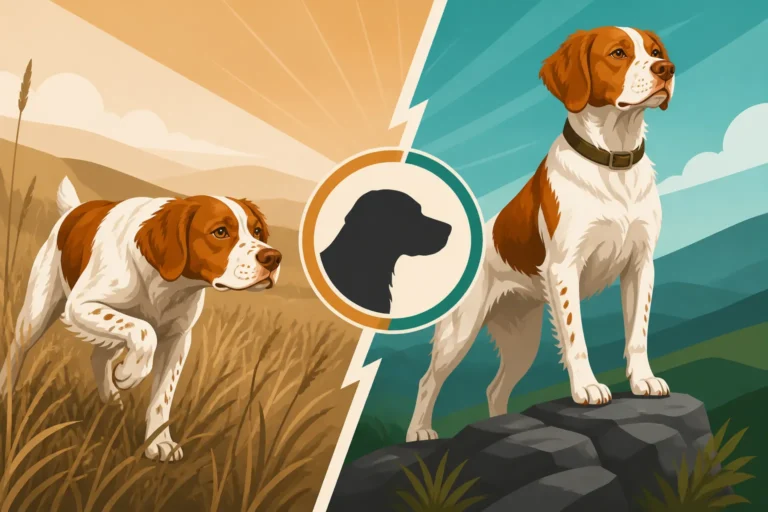
The term "finished" can also mean different things depending on your personal hunting goals. For a casual hunter who just wants a reliable companion that finds birds and brings them back, "finished" might look a bit different than for someone aiming for a Master Hunter title or campaigning their dog in field trials.
A Brittany that is "finished" for backyard pheasant hunts with friends might not be considered "finished" by a field trial judge looking for absolute precision, range, and steady-to-wing-and-shot performance. Both are legitimate goals, and both require dedication. It’s important to define what "finished" means to you so you can set realistic expectations and tailor your training accordingly. A good place to start is understanding What a Brittany's Temperament Is Really Like to know what you're working with.
The Brittany's Unique Learning Trajectory
Brittanys are wonderfully intelligent dogs, often eager to please, but they also possess a certain sensitivity and an independent streak that needs to be understood and channeled correctly. This means their training isn't always a straight line from A to B.
Puppyhood: Foundations and First Impressions (0-12 Months)
The first year is all about exposure, socialization, and building a strong, positive relationship. This is where you lay the groundwork for everything that follows. Your Brittany puppy should be learning basic commands, getting comfortable with different environments, people, and sounds.
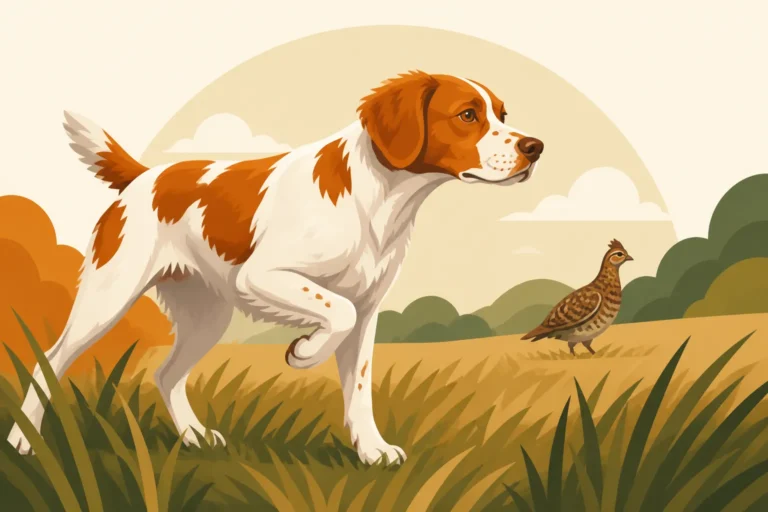
Early bird introductions are key here. Many Brittany puppies will show an innate point very young, sometimes as early as 8-10 weeks. This isn't "training" them to point; it's simply nurturing an instinct. You'll want to introduce them to game birds in controlled settings, allowing them to chase, mouth, and explore. When a Brittany Puppy Should Meet Its First Bird is a critical discussion to have with your breeder. This period is also when you start working on recall and basic manners. Keeping training sessions short, fun, and positive is vital, as Brittanys are notoriously sensitive to harsh corrections. Remember, How Long a Brittany's Training Session Should Be is usually quite short for a puppy, maybe 5-10 minutes tops.
Adolescence: The "Terrible Teens" and Refining Skills (12-24 Months)
Just like human teenagers, adolescent Brittanys can be a handful. They're growing into their bodies, their hormones are raging, and they're often testing boundaries. The strong bird drive that was so charming as a puppy can now manifest as a dog that's a bit too independent, running wide or breaking point to chase.
This is the phase where you really start to layer on more formal gun dog training. You'll be solidifying "whoa" (teaching a Brittany Whoa) so they hold point reliably, working on quartering patterns, and refining their retrieve. This is also when many owners consider advanced obedience or introduce an e-collar, not as a punishment tool, but as a communication aid for distance work, especially for recall when there are distractions. Consistency is paramount during these months. If you slack off, you'll see regressions in their behavior and field performance. They are incredibly smart and will push boundaries if they sense an opening.
Maturity: Polishing and Partnership (24 Months and Beyond)
By the time your Brittany is two years old, they are usually physically mature and much more mentally capable of handling advanced concepts. This is when the pieces really start to come together. The "finished" dog begins to emerge. They'll have a better understanding of what you want, and their natural instincts will be honed by experience.
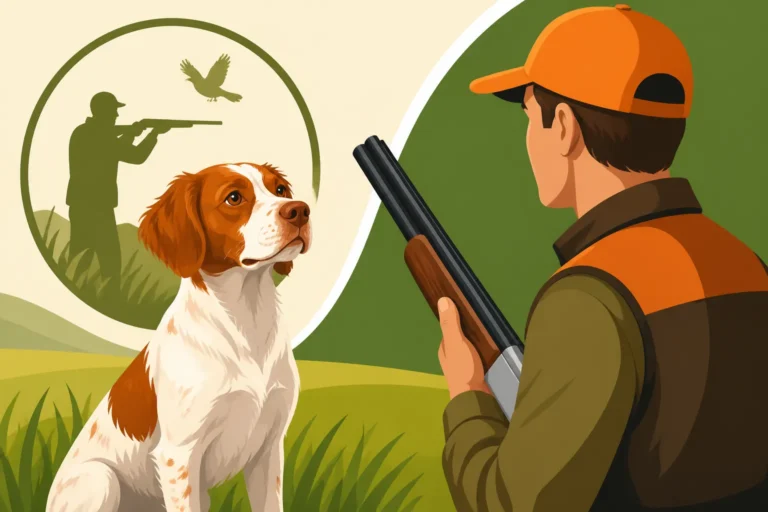
You'll spend this time refining their steady-to-wing-and-shot, ensuring they retrieve reliably to hand under all conditions, and teaching them to honor another dog's point. This is also where experience in real hunting scenarios becomes invaluable. The more time they spend in the field, encountering different birds, cover, and situations, the more proficient and confident they become. It’s a continuous learning process for both you and your dog.
Factors That Influence the "Finished" Timeline
Several elements play a significant role in how quickly your Brittany develops into that "finished" gun dog. It's rarely a one-size-fits-all journey.
Genetics and Natural Ability
This is perhaps one of the biggest factors you have little control over once you bring your puppy home. A well-bred Brittany from proven hunting lines will often have a stronger natural bird drive, a more inherent pointing instinct, and a higher degree of biddability. They might pick up concepts faster and require less correction. How Biddable a Brittany Is can vary quite a bit from dog to dog, even within the same litter.
Conversely, a Brittany from pet lines or one with less inherent drive might require more patience and creative training methods to bring out their potential. This isn't to say they can't become good hunting dogs, but the path might be longer and require more effort. It underscores the importance of choosing a reputable breeder who focuses on strong working lines if your goal is a gun dog. What a Brittany Spaniel Breeder Should Have Tested can also give you insight into responsible breeding practices that ensure health and temperament.
Owner's Experience, Consistency, and Time Commitment
Your own experience level as a dog trainer and hunter will hugely impact the timeline. An experienced handler who understands dog behavior, learning theory, and gun dog mechanics will likely progress faster than a novice. However, even a first-time owner can achieve great things with dedication and the right resources.
Consistency is non-negotiable. Short, frequent training sessions are far more effective than sporadic, long ones. Your Brittany needs to know what to expect and that you're always reinforcing the behaviors you want. This requires a significant time commitment, not just for formal training, but also for exercise, mental stimulation, and simply spending quality time together. Brittanys need a lot of exercise, and knowing How Much Exercise a Brittany Needs Off Season is crucial to keeping them mentally and physically ready for training. If you're struggling, online programs like those from BAXTER & Bella can provide structure and guidance, or a good book from Amazon might offer new techniques.
Professional Training vs. DIY
Many owners choose to send their Brittanys to a professional gun dog trainer for a few months, especially during key developmental stages. This can significantly accelerate the process, as a professional has the expertise, facilities, and time to work with your dog daily. They can overcome common hurdles faster and instill a solid foundation. If you're wondering about the financial commitment, it's good to consider What a Professional Gun Dog Trainer Charges for a Brittany.
However, even if your dog goes to a pro, you still have to put in the work when they come home. A professional can train your dog, but they can't train you to handle your dog perfectly. The transfer of knowledge and commands from trainer to owner is crucial. For those who prefer the DIY route, there are abundant resources, from online courses by BAXTER & Bella to countless books available on Amazon, but it demands even greater dedication on your part.
Training Goals and Hunting Style
As mentioned earlier, your definition of "finished" will dictate the scope of training. If you're a walking hunter who focuses on close-working birds in lighter cover, your Brittany might reach "finished" status sooner than a dog being campaigned for horseback field trials, which require a much wider range and more precise handling. The demands of wild birds versus planted birds also create different training challenges and milestones. A dog that is flawless on planted birds might struggle with the cunning and evasiveness of wild birds initially, requiring more real-world experience.
Seasonal Progress: A Realistic Breakdown
Let's talk about a realistic timeline, understanding that this is an average and your individual Brittany might progress faster or slower.
First Season: The "Started" Dog (Approx. 1-2 Years Old)
By the time your Brittany enters its first full hunting season (typically around 1 to 2 years of age), you should have a "started" dog. What does this mean?
- Enthusiasm: They are genuinely excited about birds and hunting.
- Basic Bird Finding: They will use their nose to find scent, might make some exciting points, but these might not be steady or sustained.
- Recall: Generally reliable, but highly distracting situations (like a running bird) might test it.
- Retrieving: They might pick up downed birds, but probably won't deliver them perfectly to hand every time. Some might need encouragement or Whether a Brittany Needs Force Fetch to ensure a consistent retrieve.
- Gun Introduction: They are completely comfortable with gunshots and associate them positively with birds. No signs of Signs a Brittany Is Becoming Gun Shy.
- Manners: They are generally well-behaved in the field, listen to basic commands, but might still have moments of adolescent exuberance.
During this first season, the goal is exposure and positive experiences. Don't expect perfection. Your job is to keep it fun, reinforce good behavior, and identify areas that need more work. It’s a learning experience for both of you.
Second Season: Refining Skills (Approx. 2-3 Years Old)
This is often the season where you see significant strides towards a "finished" dog. Your Brittany is more mature, both physically and mentally, and their instincts are becoming sharper.
- Steady Point: You should be working towards or achieving steady points, where they hold until you walk in and flush the bird. Teaching a Brittany Whoa becomes a critical, ingrained command.
- Improved Handling: They should be responding more consistently to whistle commands for direction (hup/whoa, come in) and checking in more regularly.
- Reliable Retrieve: Retrieves should be much more consistent, bringing birds directly to hand.
- Backing/Honoring: They may start to show signs of honoring another dog's point, though this often needs more explicit training.
- Problem Solving: They begin to understand how to work scent puzzles and navigate challenging cover more effectively.
By the end of the second season, many owners feel their Brittany is a truly competent hunting companion. They might not be perfect, but they're highly effective and a joy to hunt over.
Third Season and Beyond: The "Finished" Dog Emerges (3+ Years Old)
By their third season and certainly by four or five years old, a well-trained and consistently hunted Brittany should be what most people consider "finished."
- Consistency: Their performance is consistently excellent. They might still have an off day, but it's rare.
- Independence with Control: They hunt with enthusiasm and independence, making intelligent decisions in the field, but are always responsive to your handling.
- Advanced Concepts: They are steady-to-wing-and-shot, back other dogs reliably, and can handle complex retrieving scenarios.
- Experience: They have encountered a wide variety of hunting situations, birds, and weather, and have learned from each.
- Partnership: This is where the true partnership shines. You almost read each other's minds in the field.
| Skill/Behavior | First Season (Started) | Second Season (Intermediate) | Third Season+ (Finished) |
|---|---|---|---|
| Pointing | Enthusiastic, may creep or break | Generally steady, occasional breaks | Rock-solid, steady to wing and shot |
| Retrieving | Picks up, may drop, inconsistent to hand | More consistent, usually delivers to hand | Reliable, swift, gentle, always to hand |
| Recall/Handling | Mostly reliable, some lapses under high distraction | Good, responds to whistle/voice commands | Excellent, adjusts range, checks in frequently |
| Steadiness | Developing, works in progress | Mostly steady to flush, developing steady to shot | Fully steady to wing and shot, honors other dogs |
| Confidence | Eager, learning | Confident, refining skills | Poised, independent, experienced, resourceful |
| Problem Solving | Basic scenting, may get tangled | Better at working scent, navigating cover | Handles complex scent puzzles, tough cover, changing winds |
The Ongoing Education
It's important to remember that even a "finished" Brittany still benefits from regular refreshers and continued exposure. Like any athlete, they need to stay in shape, both mentally and physically. Off-season training, obedience tune-ups, and even just playful bird work keep their skills sharp. Even senior Brittanys, while they might slow down, can still be incredibly effective and wise hunting companions, provided they are in good health. If you have an older dog, The Age a Brittany Is Considered Senior is a good read.
In essence, while a Brittany can be "finished" in a practical sense by its third season, the development of a truly masterful gun dog is a lifelong endeavor, enriching both the dog and the owner with every shared moment in the field.
Disclaimer
This article is for general informational purposes only and does not constitute professional advice. Laws, prices and regulations vary by location and change over time. Consult a qualified professional for guidance on your specific situation.