Whether a Brittany Peaks at Four
It's a common question among Brittany owners, especially those with hunting aspirations: when does my dog truly hit its stride? Many wonder if a Brittany peaks at four years old, worrying they might miss that golden window or, conversely, feeling pressure to have their dog perfectly "finished" by a certain age. This guide will explore the fascinating journey of a Brittany's development, looking at what "peaking" really means for these intelligent and energetic dogs, and how their capabilities evolve well beyond any single age marker.
The Brittany's Journey to Peak Performance: It's More Than Just Age
The idea that a Brittany "peaks" at precisely four years old is a bit of a myth, or at least a significant oversimplification. While many Brittanys are certainly in their prime around this age, their development isn't a switch that flips at four and then slowly dims. It's a nuanced process, influenced by a blend of physical maturity, mental development, and, crucially, consistent training and experience in the field. Think of it less like a sprint and more like a marathon where different aspects of their abilities mature at varying rates.
Physical Maturity Versus Mental Readiness
Physically, most Brittanys reach their full size and bone maturity between 18 months and two years. By four, their bodies are generally robust, strong, and well-conditioned, especially if they've been regularly exercised and worked. This physical readiness means they have the stamina, speed, and agility needed for long days in the field. They're typically past the awkward puppy phase, and their coordination is excellent. However, physical prowess is only one part of the equation.
Mentally, a four-year-old Brittany is often hitting a sweet spot. They’ve moved beyond the impulsive, easily distracted nature of a younger dog. Their attention span is longer, their ability to process commands and scenarios is more refined, and their understanding of their handler's expectations is deeply ingrained. They have a solid foundation of experience, having encountered various birds, cover types, and hunting conditions. This combination of physical vigor and mental acumen is often what people refer to when they say a Brittany is "peaking." They’re not just physically capable; they’re smart, steady, and know their job.
Individual Variation in Brittanys
Just like people, every Brittany is an individual. While four years old is a good general guideline for when many reach a prime stage, some Brittanys might mature faster, showing incredible aptitude and steadiness at two or three years old. Others might be late bloomers, taking a bit longer to settle into their full potential, perhaps not truly shining until five or six. Factors like genetics, early socialization, and the quality and consistency of their initial training play a huge role.
A dog with a naturally bold and biddable temperament might seem to "peak" earlier because they're easier to train and more resilient to setbacks. Conversely, a more sensitive Brittany, known for being "soft," might take more time and gentle guidance to build confidence and reach its full potential. This is why it’s so important to really understand What a Brittany's Temperament Is Really Like and tailor your approach to your specific dog. Never compare your dog's timeline too harshly with others; celebrate their individual journey.
The Role of Training and Experience
True peak performance in a Brittany isn't solely about age; it's profoundly linked to experience and ongoing training. A four-year-old Brittany who has been consistently worked, exposed to various hunting scenarios, and had its skills continuously refined will undoubtedly be a more polished performer than a dog of the same age with sporadic or minimal field time. The nuances of bird finding, holding a solid point, honoring another dog's retrieve, and handling different types of cover are learned behaviors that deepen with repetition and diverse encounters.
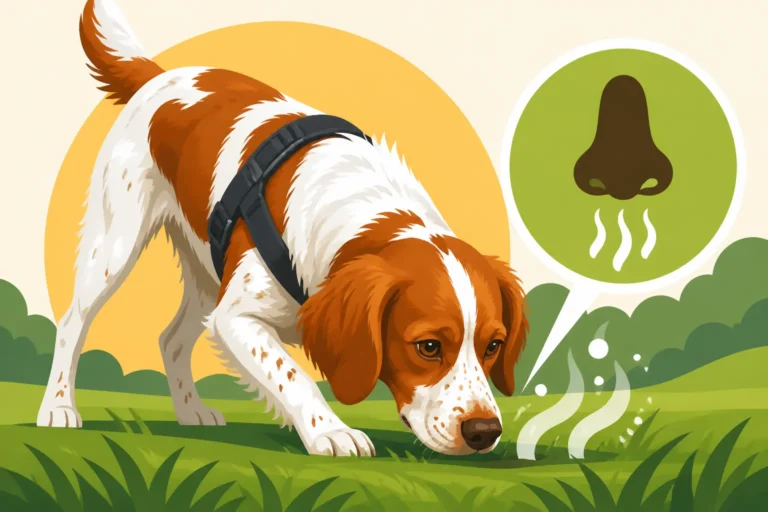
A seasoned Brittany learns to read the wind, understands bird scent, and becomes incredibly efficient in its search patterns. They learn from mistakes and develop an intuitive understanding of the hunt. This accumulated wisdom is what often makes an older dog so exceptional. It’s not just raw talent, but polished skill. Think of a veteran athlete who might not have the explosive speed of their youth but possesses unparalleled strategy and precision gained over years of competition.
Factors Influencing a Brittany's Sustained Peak
Reaching a peak isn't just about one magical moment; it's about sustaining that high level of performance. Several key factors contribute to how long a Brittany can maintain its top form, ensuring those fantastic days in the field continue for years.
Nutrition and Conditioning for the Working Dog
A working Brittany, whether four years old or eight, expends an incredible amount of energy. Proper nutrition is paramount to fuel their active lifestyle and support their recovery. During hunting season, their caloric needs increase significantly, and a high-quality, protein-rich performance dog food can make all the difference. Many owners find their dogs need How Much More a Brittany Eats in Hunting Season to maintain weight and energy levels. It’s not just about quantity, but quality.
Beyond food, consistent conditioning year-round is essential. A Brittany that is allowed to become a couch potato in the off-season will struggle when hunting season arrives, risking injury and underperformance. Regular exercise, whether it's long runs, swimming, or focused drills, keeps their muscles strong, their cardiovascular system healthy, and their weight in check. Building up their fitness gradually before opening day is crucial. How to Keep a Brittany Fit in Summer is a great resource for ideas on maintaining condition when the weather is warm. This preventative care directly impacts their ability to perform at their best and prolongs their active years.
Health and Longevity Considerations
A Brittany's health directly impacts its ability to perform. While they are generally a healthy breed, issues like hip dysplasia, thyroid problems, or even chronic ear infections can certainly affect their drive and physical capability. Regular veterinary check-ups, including a Whether a Brittany Needs a Preseason Vet Check, are vital to catch any potential health concerns early. Responsible breeders screen for common genetic conditions, and ongoing care helps ensure your dog remains sound.
Preventative care is key. This includes managing parasites like fleas and ticks, keeping vaccinations up to date, and maintaining good dental hygiene. A healthy body is a responsive body. The average lifespan of a Brittany is a good 12 to 14 years, meaning a dog at four still has many active years ahead if properly cared for. The Twelve to Fourteen Years a Brittany Gets highlights the potential for a long, active life. By addressing health proactively, you're investing in your Brittany's ability to maintain its peak performance for as long as possible.
Consistent Training and Exposure
Training is not a one-and-done event; it's an ongoing dialogue throughout your Brittany's life. Even a "finished" four-year-old Brittany benefits immensely from consistent refreshers and new challenges. Continuing to work with them, even on simple obedience commands, reinforces their responsiveness and keeps their mind sharp. Exposure to new environments, different bird types, and varied cover helps them adapt and problem-solve.
Consider joining a local hunt club or participating in fun field tests. Even if you're not aiming for titles, the structured environment and camaraderie can be incredibly beneficial. Companies like BAXTER & Bella offer online resources and communities that can provide structured training plans and support, ensuring you and your Brittany continue to learn and grow together. Keeping their skills honed and their minds engaged prevents stagnation and reinforces their confidence in the field. This constant engagement is what helps them continue their journey toward becoming a truly exceptional hunting partner, year after year.
Beyond "Peak": The Wisdom of the Veteran Brittany
The idea of a "peak" can sometimes imply a decline afterward, but for many Brittanys, their performance simply evolves rather than diminishes completely. An older, experienced Brittany brings a different kind of magic to the field, often making them treasured companions well into their senior years.
Adapting Training as They Age
As your Brittany ages, typically past seven or eight years, you might notice subtle changes. Their bursts of speed might not be quite as explosive, or they might not be able to cover as much ground as they did at four. This isn't a sign to retire them; it's a sign to adapt. Modify your expectations and their routine. Shorter hunts, more frequent breaks, or hunting in slightly less demanding cover can keep them engaged and happy.
Instead of trying to push them to maintain the same pace, focus on their strengths: their experience, their scenting ability, and their unwavering bird sense. They still have so much to teach you and can often outsmart younger, faster dogs with their wisdom. Many senior Brittanys still possess an incredible desire to hunt, even if their body is a little slower. Whether an Aging Brittany Still Wants to Hunt confirms that the spirit often remains strong. Think of them as the sage of the field, guiding you with their years of accumulated knowledge.
Recognizing Signs of Decline
It’s important for owners to be attuned to their Brittany’s body language and behavior to recognize signs that they might be struggling. This could be anything from reluctance to jump into the truck, stiffness after a short walk, or a general decrease in enthusiasm. What Changes in a Brittany After Ten often includes reduced stamina, hearing or vision loss, and an increase in orthopedic issues like arthritis. These aren't failures; they're natural parts of aging.
A key part of Caring for an Old Brittany is providing appropriate veterinary care, pain management if needed, and adjusting their activity level to keep them comfortable and happy. They might benefit from joint supplements or a softer diet. Sometimes, an aging Brittany might start to lose muscle mass, so monitoring their weight and physical condition is important. Whether an Aging Brittany Loses Muscle is a common concern, and diet and gentle exercise can help.
The Enduring Joy of the Veteran Hunter
While the raw power of a four-year-old Brittany might be captivating, there's a unique joy in hunting with a veteran dog. Their steady resolve, their profound understanding of the hunt, and their deep bond with you are unparalleled. They've seen it all, and they still love the work. These dogs are often incredibly reliable, conserving energy wisely and making every move count.
Many of my most cherished hunting memories are with my older Brittanys, who might have worked a little slower but always delivered with an almost telepathic connection. Their presence in the field isn't just about finding birds; it's about the partnership, the shared experience, and the quiet understanding between dog and handler that only comes with years of working together. You can find many useful products to support older dogs, from orthopedic beds to easy-access ramps, on platforms like Amazon. The journey with a Brittany isn't about a single peak, but a lifetime of evolving companionship and shared adventures.
Typical Brittany Performance Milestones
To give you a better idea of how a Brittany typically progresses, here’s a general overview of performance milestones. Remember, these are averages, and every dog is unique!
| Age Range | Physical Development | Mental/Training Development | Hunting Performance (Typical) |
|---|---|---|---|
| 0-12 Months | Rapid growth, developing coordination, boundless energy | Puppy training, basic obedience, introduction to birds/gun | Curiosity, natural point developing, can be easily distracted |
| 1-2 Years | Near full size, increasing stamina and strength | Reinforcing obedience, steadiness training, learning boundaries | Developing bird sense, stronger points, can be inconsistent |
| 2-3 Years | Physically mature, high energy, strong musculature | Refining advanced commands, building confidence, extensive field exposure | Consistent pointing, good retrieve, increasing range control, solid foundation |
| 4-6 Years | Prime physical condition, peak stamina | Highly experienced, intuitive understanding of hunting situations | Consistent, intelligent hunting, reliable performance, often considered "finished" |
| 7-9 Years | Maintaining strong physical condition, slight energy dips | Veteran wisdom, efficient movement, excellent bird handling | Still strong performers, may cover slightly less ground, highly reliable |
| 10+ Years | Gradual physical decline, potential for stiffness | Deep understanding, relies on experience and scenting ability | Modified activity, slower pace, cherished for wisdom and companionship |
Ultimately, whether your Brittany "peaks at four" is less about a hard and fast rule and more about a general timeframe when many of these incredible dogs align their physical prowess with their honed mental and experiential skills. But the journey of a Brittany is a long and fulfilling one, with many "peaks" along the way, each offering its own unique rewards.
Disclaimer
This article is for general informational purposes only and does not constitute professional advice. Laws, prices and regulations vary by location and change over time. Consult a qualified professional for guidance on your specific situation.