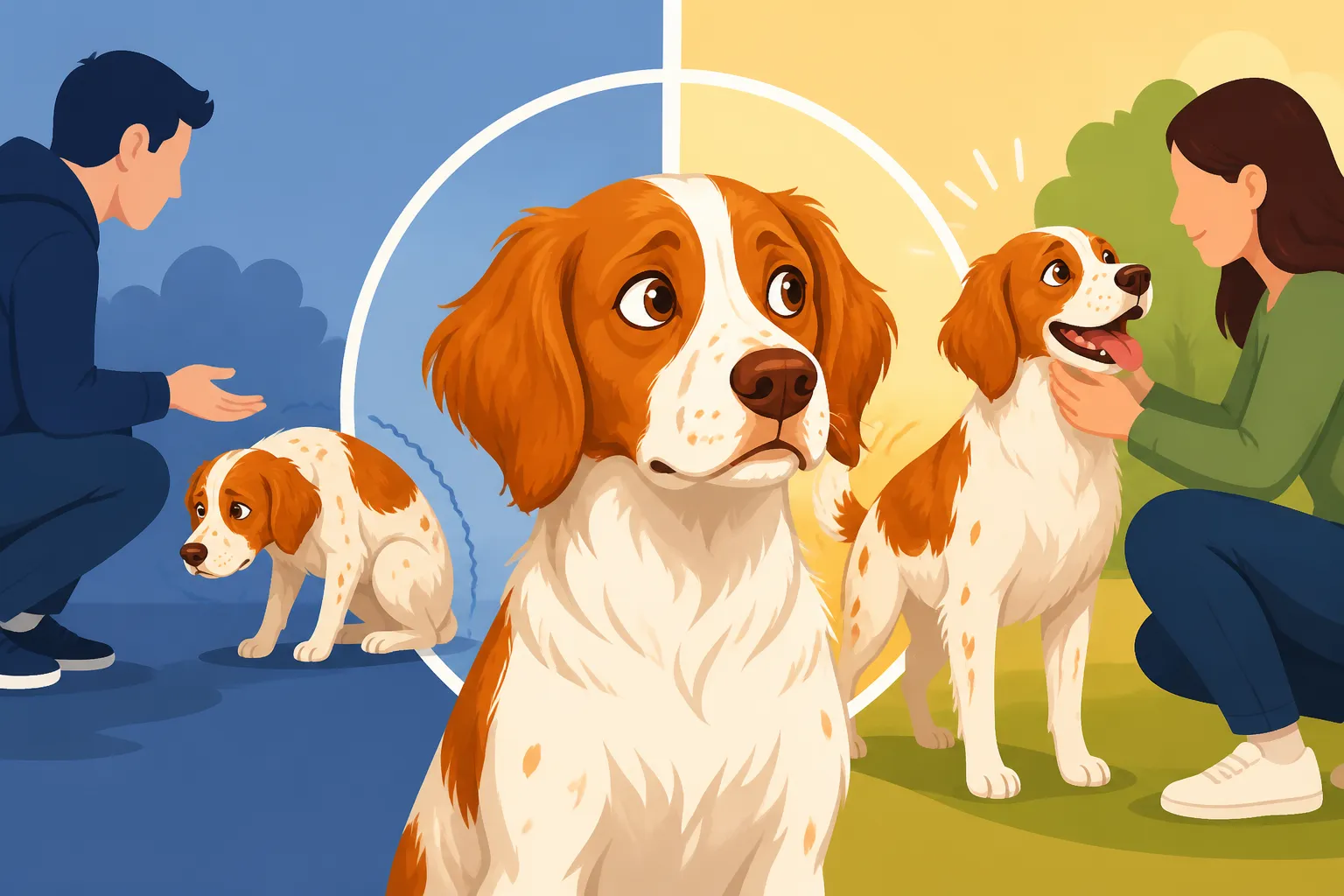
Whether a Brittany Is Timid With Strangers
It's heartbreaking to see your beloved Brittany cower or shy away when new people approach, especially when you know deep down they have so much love to give. You might wonder if this is just how your dog is, or if there's something you can do to help them feel more comfortable and confident in the world. This guide is here to shed light on why some Brittanys can be timid with strangers, how to recognize the signs, and, most importantly, provide actionable steps to nurture a more outgoing and secure companion.
Understanding the Brittany's Temperament and Potential for Timidity
Brittanys are, by and large, an incredibly charming and effervescent breed. They’re renowned for their intelligence, their enthusiastic approach to life, and their unwavering loyalty to their families. Yet, like any breed, individual personalities can vary, and environmental factors play a huge role in shaping their interactions with the world.
The Naturally Affectionate Brittany
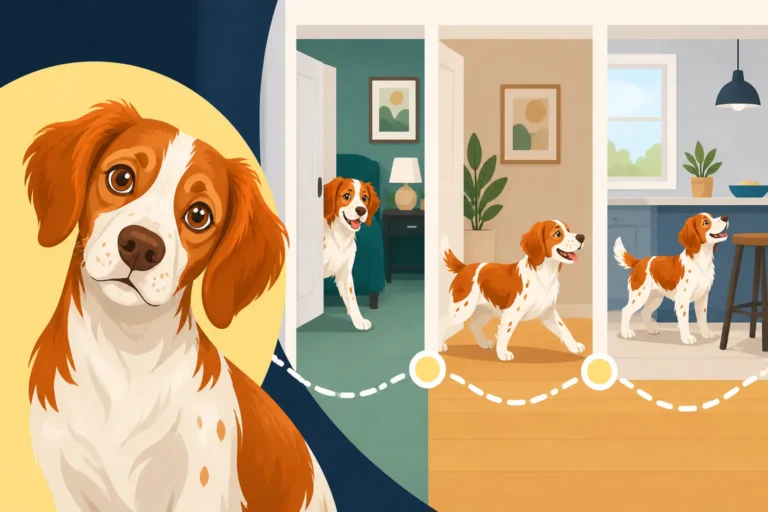
If you've spent any time with a well-adjusted Brittany, you know they're usually bundles of joy, eager to participate in whatever you're doing. They thrive on companionship and are often described as "Velcro dogs," happy to follow you from room to room. These dogs were bred to be close working partners, and that inherent desire for connection extends to their human family. They’re typically not dogs known for being aloof or overly reserved; in fact, many are quite outgoing, greeting new acquaintances with a wagging tail and an inquiring sniff.
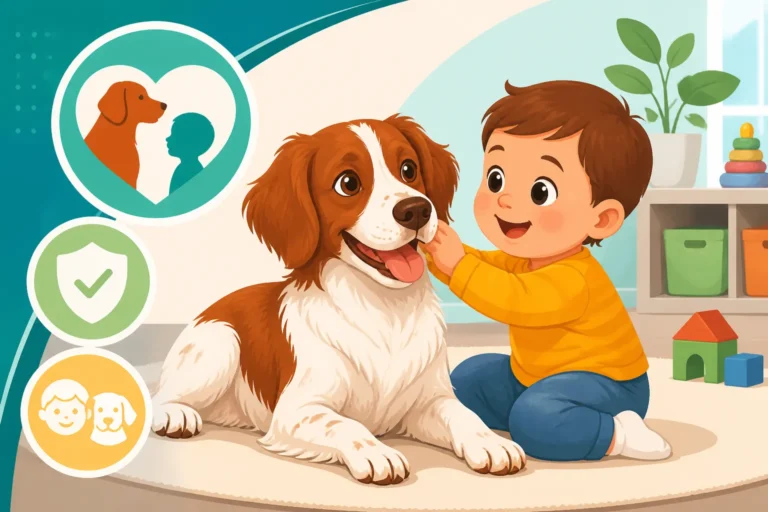
Their inherent good nature means they usually possess a solid foundation for being friendly. They are often highly biddable, meaning they are eager to please and respond well to gentle training. This positive predisposition is a huge asset when it comes to encouraging good social behavior. When a Brittany feels secure and understands what's expected of them, their natural affection and curious spirit can truly shine. They're quick learners and often form strong bonds, not just with their primary caregiver, but with the entire household. You'll find that their energetic bursts are usually balanced with a desire for quiet cuddles, making them wonderfully versatile companions. How Affectionate a Brittany Is
When Timidity Can Emerge: Factors Contributing to Shyness
Despite their generally friendly disposition, timidity can and does emerge in some Brittanys. It’s not necessarily a reflection of their core breed traits, but often a result of specific experiences or lack thereof. One of the most common culprits is insufficient early socialization. If a Brittany puppy isn't exposed to a wide variety of people, sounds, sights, and environments during their critical developmental window (roughly 3 to 16 weeks), they can grow up feeling overwhelmed or fearful of new things. Think about it: if the only people they ever met were their immediate family, a stranger suddenly appearing can be quite a shock to their system.
Negative experiences can also deeply impact a Brittany. Because this breed is known for being quite soft, a harsh correction, a scary encounter, or even just being startled repeatedly can lead to a dog that becomes wary. Why a Brittany Is Called Soft They remember these experiences keenly, and it can take a long time to build back trust and confidence. Sometimes, there can be a genetic component as well. Reputable breeders work hard to breed for sound temperaments, but a shy parent might produce shy puppies, even with the best socialization efforts. It's a complex interplay of nature and nurture, and understanding the potential causes is the first step toward addressing the issue effectively.
Recognizing the Signs of a Shy Brittany
It’s easy to dismiss a dog’s shyness as just being "nervous," but recognizing the specific signs is crucial. Dogs communicate primarily through body language, and understanding what your Brittany is trying to tell you can help you intervene appropriately and prevent situations from escalating.
Subtle Cues and Obvious Reactions
A shy Brittany might not immediately cower or bark aggressively. Often, their initial reactions are much more subtle. You might notice them:
- Lip licking or yawning: These can be stress signals, often seen when a dog is uncomfortable.
- Averting their gaze: They might refuse to make eye contact with the approaching stranger, looking away or turning their head.
- Freezing in place: Becoming suddenly still, almost as if they're trying to become invisible.
- Tail tucked low or between their legs: A classic sign of fear or insecurity.
- Ears flattened back: Another indicator of apprehension.
- Attempting to hide or retreat: Trying to get behind your legs, under a table, or simply backing away.
If the situation persists or intensifies, these subtle cues can unfortunately escalate into more obvious, and sometimes more concerning, behaviors. A truly fearful Brittany might start to bark or growl as a way to say, "Please stay away!" In extreme cases, they might lunge or even snap if they feel trapped and perceive a threat. It’s important to remember that these are usually fear-based reactions, not aggression born of malice. They are simply trying to create distance and protect themselves. Signs a Brittany Puppy Is Shy
How a Shy Brittany Interacts with New People
When a stranger approaches, a shy Brittany's interaction style will be markedly different from that of an outgoing dog. Instead of bounding over for a greeting, they might:
- Avoidance: They'll try to put distance between themselves and the new person, often circling wide or moving away if the person attempts to approach.
- Cautious sniffing from a distance: If they do approach, it will likely be hesitant, with their body language remaining low and wary. They might sniff quickly and then retreat.
- Refusal of treats: A confident dog will happily take a treat from a new hand, but a shy dog might ignore it, drop it, or only take it once the person has moved away. This is a clear indicator of their discomfort overriding their desire for food.
- Stiff body language: Their movements might be rigid rather than loose and fluid. They might keep their tail still or wag it minimally and stiffly.
- Staying close to their owner: They'll often press against your leg or try to hide behind you, using you as a barrier from the perceived threat. This is a big sign that they feel safer with you and are seeking your protection.
| Behavior Trait | Confident Brittany | Shy Brittany |
|---|---|---|
| Approach | Eagerly bounds forward, tail wagging, nose first. | Hesitant, may hide behind owner, circles wide, or retreats. |
| Body Posture | Loose, relaxed, head held high, ears alert. | Low to the ground, crouched, tense, tail tucked, ears back. |
| Eye Contact | Curious, makes brief, direct eye contact. | Averts gaze, avoids eye contact with strangers. |
| Tail Wag | Full, sweeping, happy wag. | Minimal wag, stiff wag, or tail tucked firmly. |
| Vocalizations | Happy barks, whines of excitement. | May be silent, or resort to low growls/barks as a warning. |
| Accepting Treats | Takes treats readily and gently. | May refuse treats, drop them, or take only when stranger moves away. |
| Interaction | Invites petting, leans into touch. | Shrinks from touch, may pull away or flinch. |
Proactive Socialization for a Confident Brittany
The best defense against a timid Brittany is a strong offense of early, positive socialization. This isn't just about exposing your puppy to things; it's about making those exposures overwhelmingly positive, building a robust foundation of confidence that will serve them throughout their life.
The Critical Period for Puppy Socialization
The window from approximately 8 to 16 weeks of age is absolutely vital for a Brittany puppy's development. During this time, their brains are like sponges, soaking up all the information about the world around them. Positive experiences during this period can shape them into outgoing, well-adjusted adults. You want to expose your puppy to a vast array of people, aiming for at least 100 different positive interactions. Think about:
- Different ages: Babies, toddlers, children, teenagers, adults, seniors.
- Different genders: Men, women, people with different voices.
- Different appearances: People wearing hats, glasses, uniforms, carrying umbrellas, on crutches, etc.
- Different environments: Safe, clean parks (after appropriate vaccinations), quiet street corners, pet-friendly stores (carrying your puppy if they haven't had all shots).
- Different sounds: City noises, sirens, vacuums, dropping pots and pans (from a distance, always positive associations).
Always ensure these encounters are positive. Pair meeting a new person with high-value treats and gentle praise. Let the person offer the treat, not you. If your puppy seems overwhelmed, don't force it. Short, positive interactions are far better than long, stressful ones. Puppy classes are fantastic for this; they offer a controlled environment for your pup to meet other puppies and people. Whether a Brittany Needs Puppy Class
Continued Socialization Beyond Puppyhood
Socialization isn't a one-and-done event. It's an ongoing process that continues throughout your Brittany's life. Even after the critical puppy period, regular positive interactions are essential to maintain and build upon their confidence. Think of it like maintaining a garden; you can't just plant seeds and walk away.
Make a point to regularly visit new, dog-friendly places where your Brittany can encounter different sights, sounds, and, most importantly, different people. This could be a local hardware store, a coffee shop with outdoor seating, or even just going for walks in varying neighborhoods. Always keep it positive and controlled. If your Brittany seems nervous, give them space and reward them for simply observing calmly. High-value treats are your best friend here. I always keep a bag of small, chewy treats from Amazon or my local pet store on hand for these moments. They help create those positive associations in new and potentially daunting situations.
Another great way to continue socialization is to invite friends and family over regularly. Ask them to ignore your Brittany at first, letting the dog approach them on their own terms. When your Brittany does approach, have your guests offer a treat and speak in a calm, gentle voice. Avoid overwhelming them with too much attention too quickly. The goal is to build positive experiences gradually, reinforcing the idea that new people are generally fun and bring good things. Whether a Brittany Puppy Should Be Socialized Heavily
Training Programs and Resources
Structured training can be a lifeline for a Brittany who needs a confidence boost around strangers. Obedience classes, for instance, aren't just about teaching commands; they're also about learning to focus on you in distracting environments, including those with other people and dogs. This builds confidence in both you and your dog.
There are many excellent online training platforms available that can guide you through structured socialization exercises from the comfort of your home, or prepare you for outings. Programs like BAXTER & Bella offer comprehensive modules that cover everything from basic manners to advanced confidence building, often with a focus on positive reinforcement. These can be particularly helpful if you don't have access to in-person classes or prefer to work at your own pace.
If you find that your Brittany's timidity is quite pronounced or is veering into fear-based aggression, don't hesitate to seek out a certified professional dog trainer or a veterinary behaviorist. They can assess your dog's specific needs and create a tailored plan using humane, force-free methods. Remember, patience and consistency are absolutely key. How Long a Brittany Remembers a Bad Session
Guiding an Already Shy Brittany Towards Confidence
If you've adopted a Brittany who already shows signs of timidity with strangers, or if your otherwise outgoing dog has developed shyness, the approach needs to be more rehabilitative than preventative. It's about slowly changing their perception of strangers from something scary or uncertain to something neutral, or even positive.
Building Trust and Positive Associations
The golden rule when working with a shy Brittany is: never force an interaction. Forcing them into situations they're uncomfortable with will only increase their fear and erode the trust they have in you. Instead, you want to create controlled, positive exposure.
A technique often employed is called "treat and retreat." Here's how it works:
- Start far away: Find a distance where your Brittany notices the stranger but isn't showing signs of fear (no tucked tail, no freezing).
- Stranger gives a treat: Ask the stranger to gently toss a high-value treat towards your Brittany, then immediately look away or turn slightly sideways. The goal is to avoid direct, intense eye contact, which can be perceived as threatening.
- Dog takes treat and retreats: Allow your Brittany to approach the treat, eat it, and then retreat to their comfort zone. This gives them agency and control, which builds confidence.
- Repeat: Over many sessions, gradually decrease the distance as your Brittany becomes more comfortable. The key is never to rush.
Always ensure your Brittany has a "safe space" to retreat to, whether it's their crate in another room, or a designated spot behind your legs. This allows them to manage their own anxiety. Positive reinforcement is paramount here. Even a tiny step towards confidence should be rewarded enthusiastically with praise and treats. Whether a Brittany Reads Your Mood
Management Strategies and Patience
Managing your shy Brittany's environment is just as important as active training. You can't expect them to go from fearful to friendly overnight, so while you're working on building confidence, implement strategies to keep them, and others, safe and comfortable.
- Avoid overwhelming situations: Don't drag your shy Brittany to crowded events or busy dog parks. These environments are too stimulating and can set them back significantly. Opt for quiet walks at off-peak hours or controlled settings.
- Use appropriate gear: A well-fitting harness (like those available on Amazon) can provide a sense of security and prevent accidental escapes if your dog spooks. A bright yellow "nervous dog" bandanna or vest can also signal to strangers that your dog needs space, acting as a polite deterrent to unwanted approaches.
- Advocate for your dog: You are your Brittany's protector. Don't be afraid to politely tell strangers, "Please don't pet him, he's a little shy," or "We're working on training, so please give us some space." Most people are understanding if you explain the situation calmly.
- Maintain a consistent routine: Dogs thrive on predictability. A consistent routine for walks, feeding, and training can help a shy dog feel more secure in their environment, reducing overall anxiety.
Remember that progress isn't linear. There will be good days and bad days. The most important thing is patience and consistency. Celebrate small victories and don't get discouraged by setbacks. A shy Brittany won't just "grow out of it" without intentional, positive intervention. Whether a Shy Brittany Grows Out of It
Seeking Professional Help
While many cases of mild shyness can be addressed with consistent, positive training and management at home, there are times when professional help is not just beneficial, but necessary. If your Brittany's timidity is severe, if it manifests as fear-based aggression (barking, growling, snapping, or lunging at strangers), or if you feel completely out of your depth, it’s time to call in the experts.
A certified professional dog trainer specializing in fear and aggression can provide invaluable guidance. They can observe your Brittany's behavior, identify triggers, and develop a precise, step-by-step modification plan. They'll teach you techniques like desensitization and counter-conditioning, helping your dog form new, positive associations with strangers. Look for trainers who use force-free, positive reinforcement methods only. Never resort to harsh corrections or punitive measures, as these will only worsen a shy Brittany's fear and potentially lead to deeper behavioral issues. What Happens When You Shout at a Brittany
In some cases, especially if the shyness is extreme or accompanied by other anxiety symptoms, a veterinary behaviorist might be recommended. These are veterinarians with specialized training in animal behavior, and they can assess whether there's an underlying medical component to the fear or if medication could be a helpful tool in conjunction with behavior modification. Working with professionals ensures that your Brittany receives the most appropriate and effective care, ultimately helping them lead a happier, more confident life. This gentle breed responds best to understanding and compassionate handling. How Sensitive a Brittany Is to Correction
Disclaimer
This article is for general informational purposes only and does not constitute professional advice. Laws, prices and regulations vary by location and change over time. Consult a qualified professional for guidance on your specific situation.